What Do You Know About How People Reacted to Eclipses Through History?
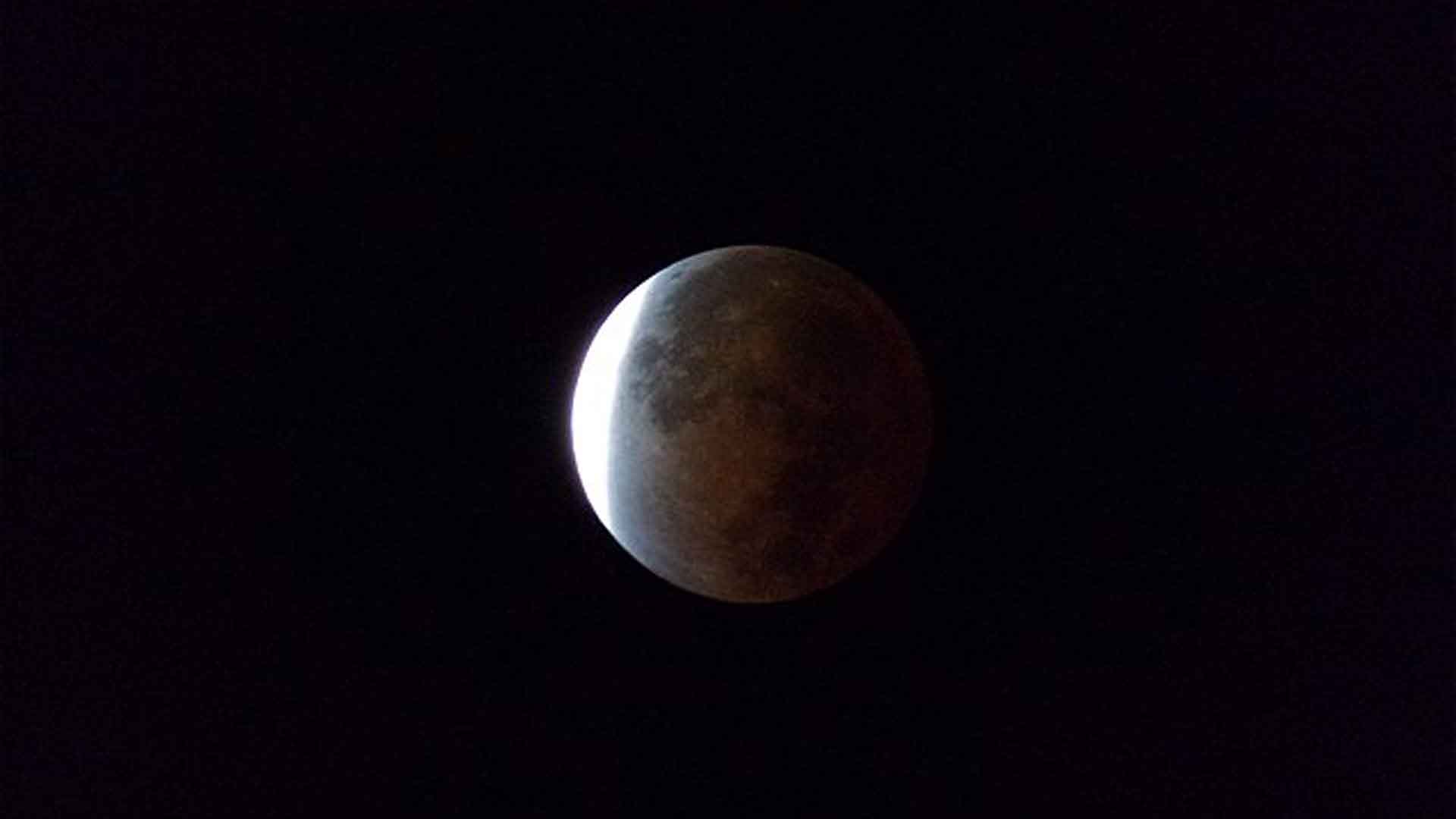
Eclipses, both lunar and solar, have been sources of awe, fear, curiosity, and inspiration across different cultures and eras. From ancient times to modern-day science, these celestial events have shaped myths, religions, and scientific understanding.
In this quiz, you'll test your knowledge of historical interpretations, reactions, and the impact of eclipses on human civilization. Are you ready to uncover how our ancestors and contemporaries viewed and responded to the mysterious obscuring of the sun or moon? Let's head into the shadows and lights of history to discover the enduring legacy of eclipses in human culture.
What is the oldest recorded eclipse in human history?

- A) 1226 B.C.E. China
- B) July 11, 1097, New Mexico
- C) Nov. 30, 3340 B.C.E., Ireland
- D) April 3, 33 C.E., Jerusalem
Answer:
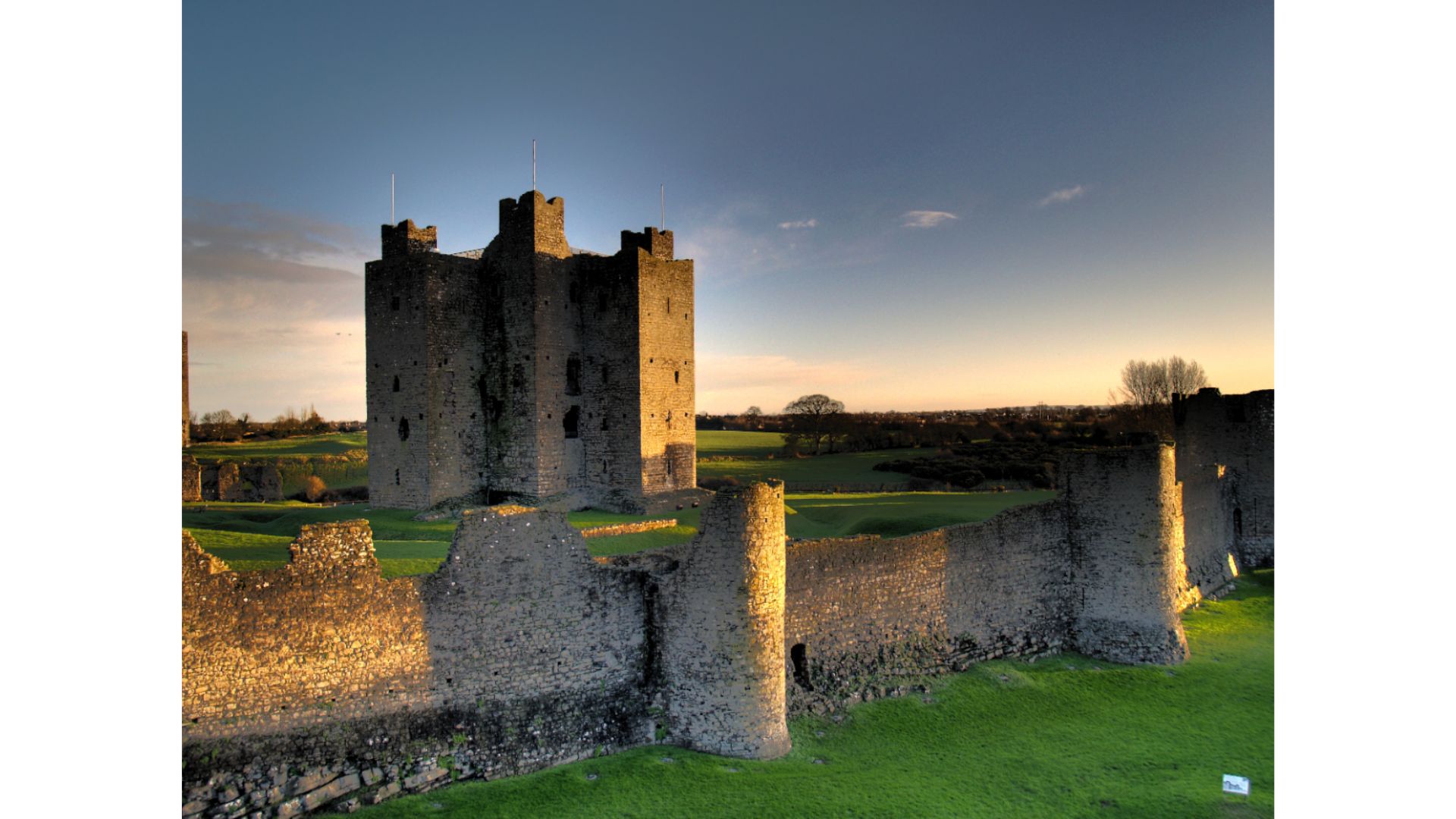
C) Nov. 30, 3340 B.C.E., Ireland
How did ancient Chinese scribes describe eclipses?

- A) “The Moon is reborn.”
- B) “The Sun has been eaten.”
- C) “The sky is broken.”
- D) “The stars are misaligned.”
Answer:

B) “The Sun has been eaten.”
In which religious text is a solar eclipse mentioned in relation to Mohammed's life?

- A) The Bible
- B) The Quran
- C) The Torah
- D) The Bhagavad Gita
Answer:

B) The Quran
What did the Maya use to document astronomical events, including eclipses?
- A) Oracle bones
- B) Stone tablets
- C) Codices
- D) Petroglyphs
Answer:
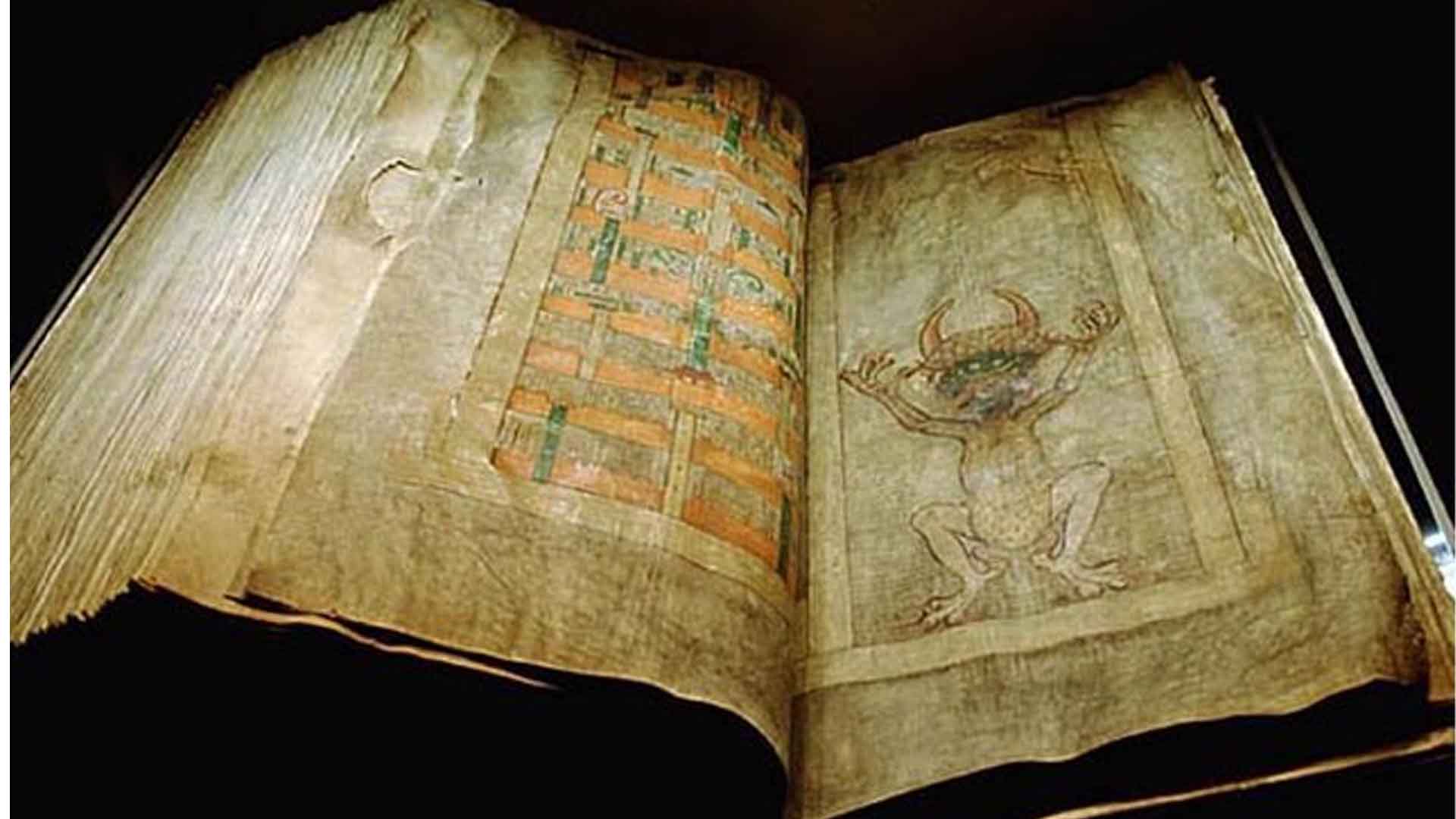
C) Codices
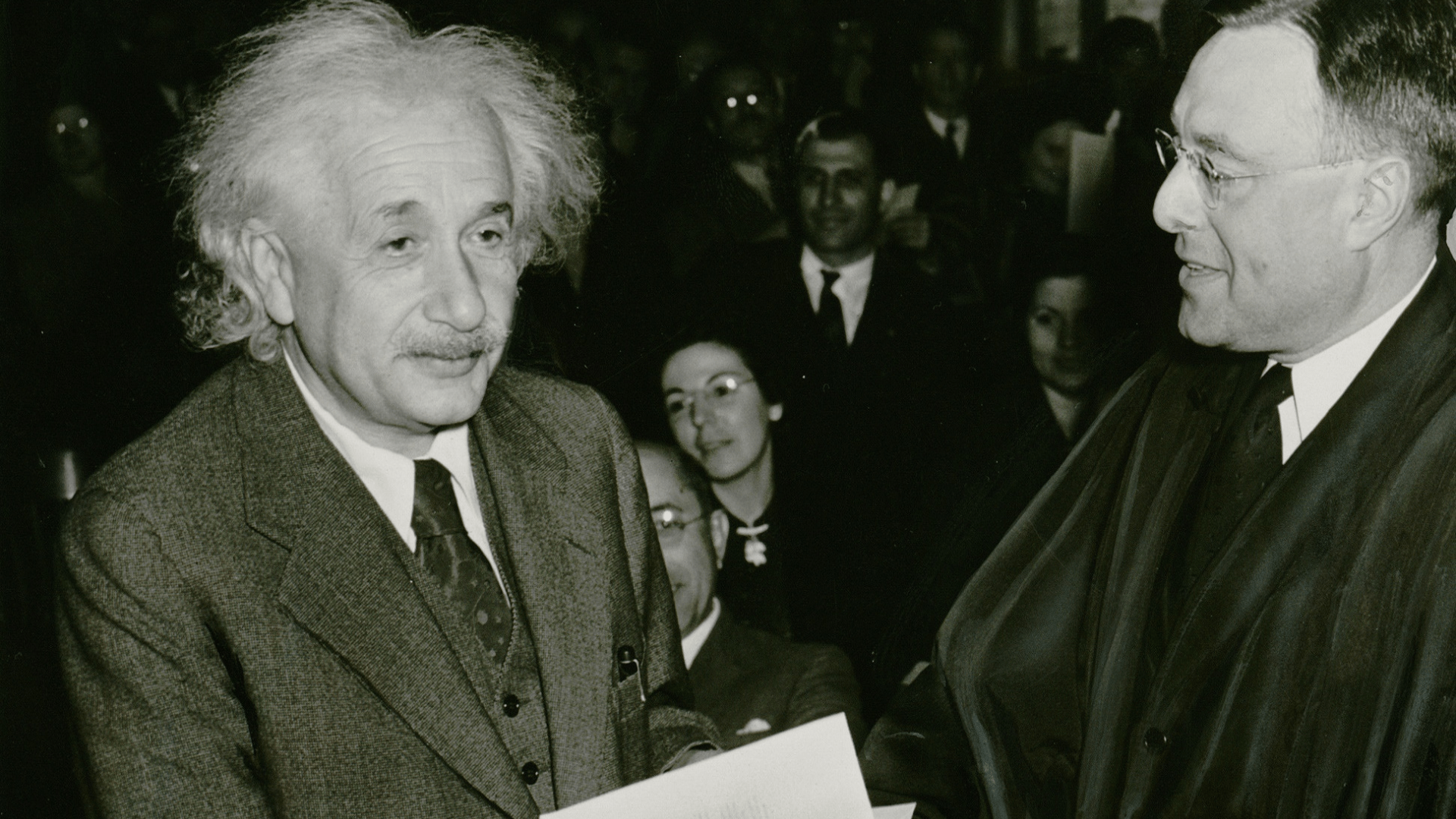
Which celestial event did Albert Einstein's theory of general relativity get validated by?
- A) A lunar eclipse
- B) A meteor shower
- C) A solar eclipse
- D) The appearance of a comet
Answer:

C) A solar eclipse
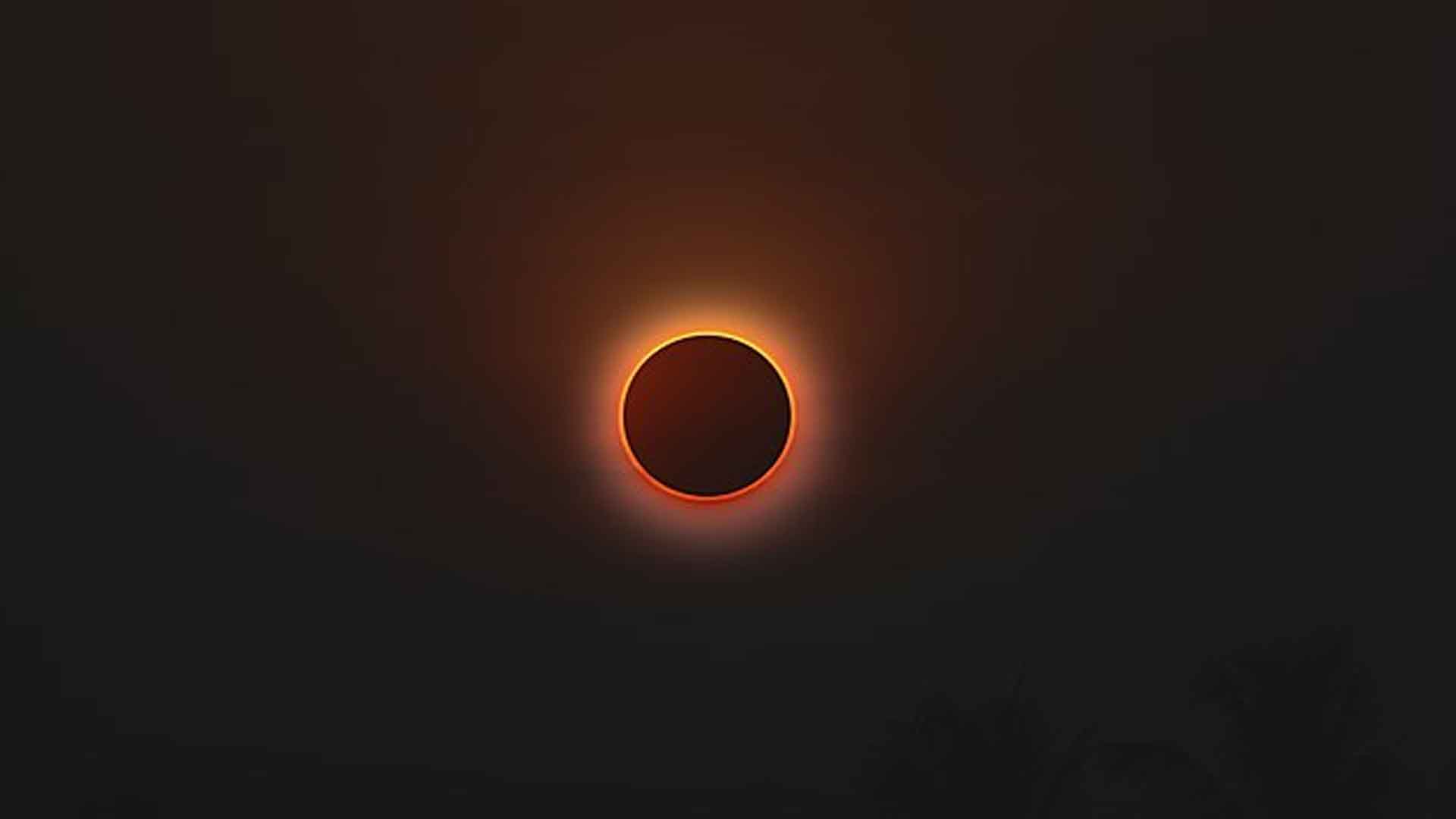
How often was the 2017 total solar eclipse visible in the contiguous U.S. before its occurrence?
- A) 28 years
- B) 38 years
- C) 48 years
- D) 58 years
Answer:
B) 38 years
According to the London Evening Post, what extreme reaction did a woman have to the 1748 solar eclipse?
- A) She threw a festival.
- B) She locked herself up and cut her arm.
- C) She climbed the highest tower to get closer.
- D) She wrote a poem.
Answer:

B) She locked herself up and cut her arm.
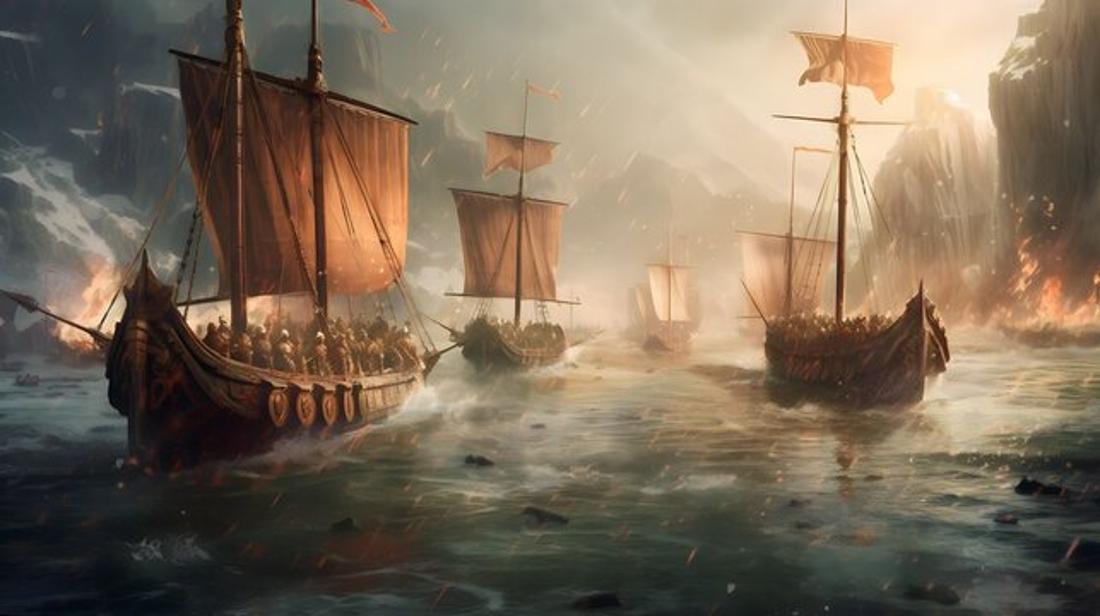
What did the Vikings believe caused eclipses?

- A) Dragons eating the Sun
- B) The Sun hiding in shame
- C) Two wolves chasing the sun and moon
- D) A giant covering the Sun with his shield
Answer:

C) Two wolves chasing the sun and moon
What unique belief did Indigenous Australians hold about the cause of an eclipse?
- A) A distant tribe on the moon was angry.
- B) A great serpent swallowed the Sun.
- C) The Sun and Moon were marrying.
- D) The stars were rearranging themselves.
Answer:
A) A distant tribe on the moon was angry.
How did the ancient Babylonians protect their royalty from the perceived threat of an eclipse?
- A) By hiding them in secret chambers
- B) By placing a commoner on the throne
- C) By conducting special rituals
- D) By sending them out to sea
Answer:

B) By placing a commoner on the throne
What was the unusual public reaction in Europe to the solar eclipse in 1230?
- A) Panic and chaos
- B) Public celebrations
- C) People went back to bed
- D) A surge in religious conversions
Answer:

C) People went back to bed
What is documented to have ended due to an eclipse in Turkey in 585 B.C.?
- A) A festival
- B) A reign of a king
- C) 15 years of war
- D) A period of famine
Answer:
C) 15 years of war
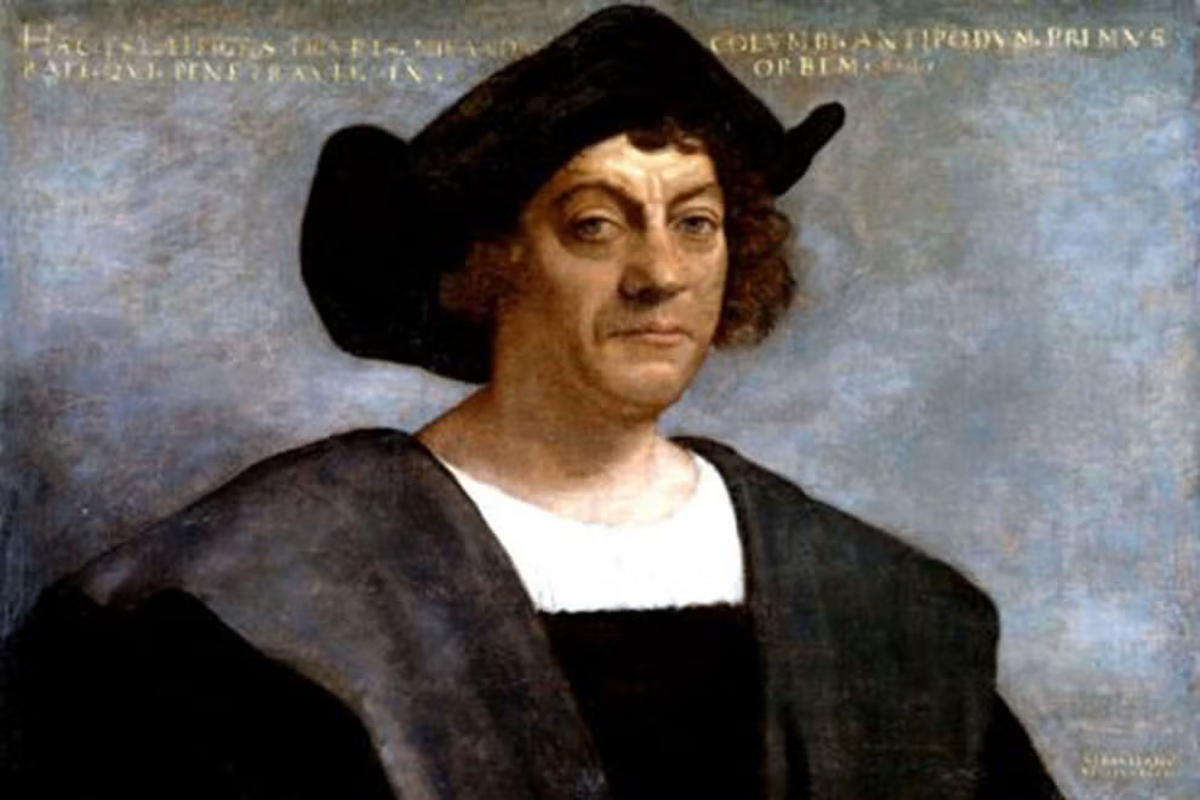
How did Christopher Columbus use an eclipse to his advantage?
- A) By predicting weather changes
- B) By navigating the sea
- C) By subjugating native Jamaicans
- D) By discovering new land
Answer:
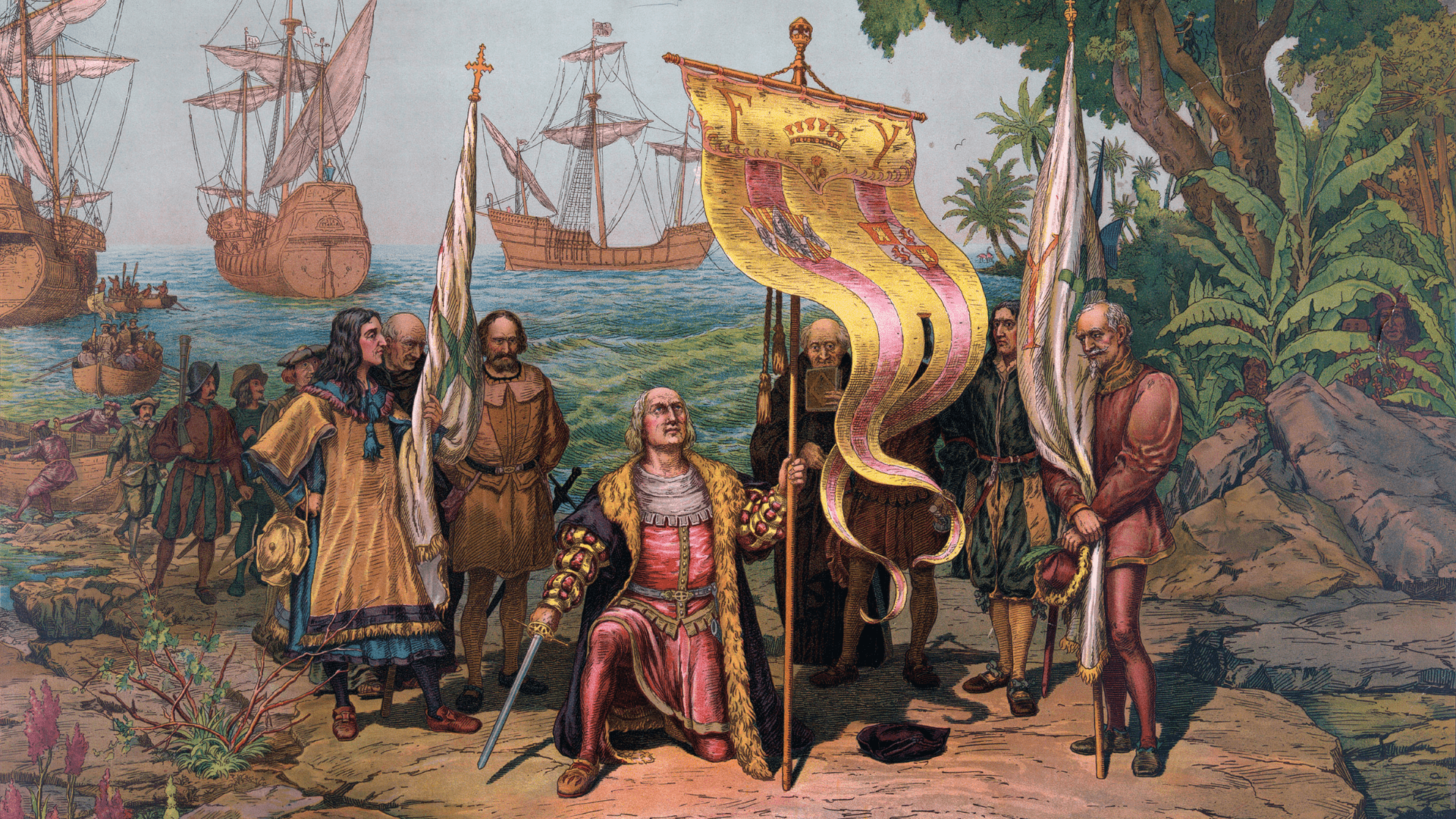
C) By subjugating native Jamaicans
Who used a balloon to watch an eclipse from over 2 miles high in the air?

- A) Albert Einstein
- B) John Couch Adams
- C) Dmitry Ivanovich Mendeleev
- D) Arthur Eddington
Answer:
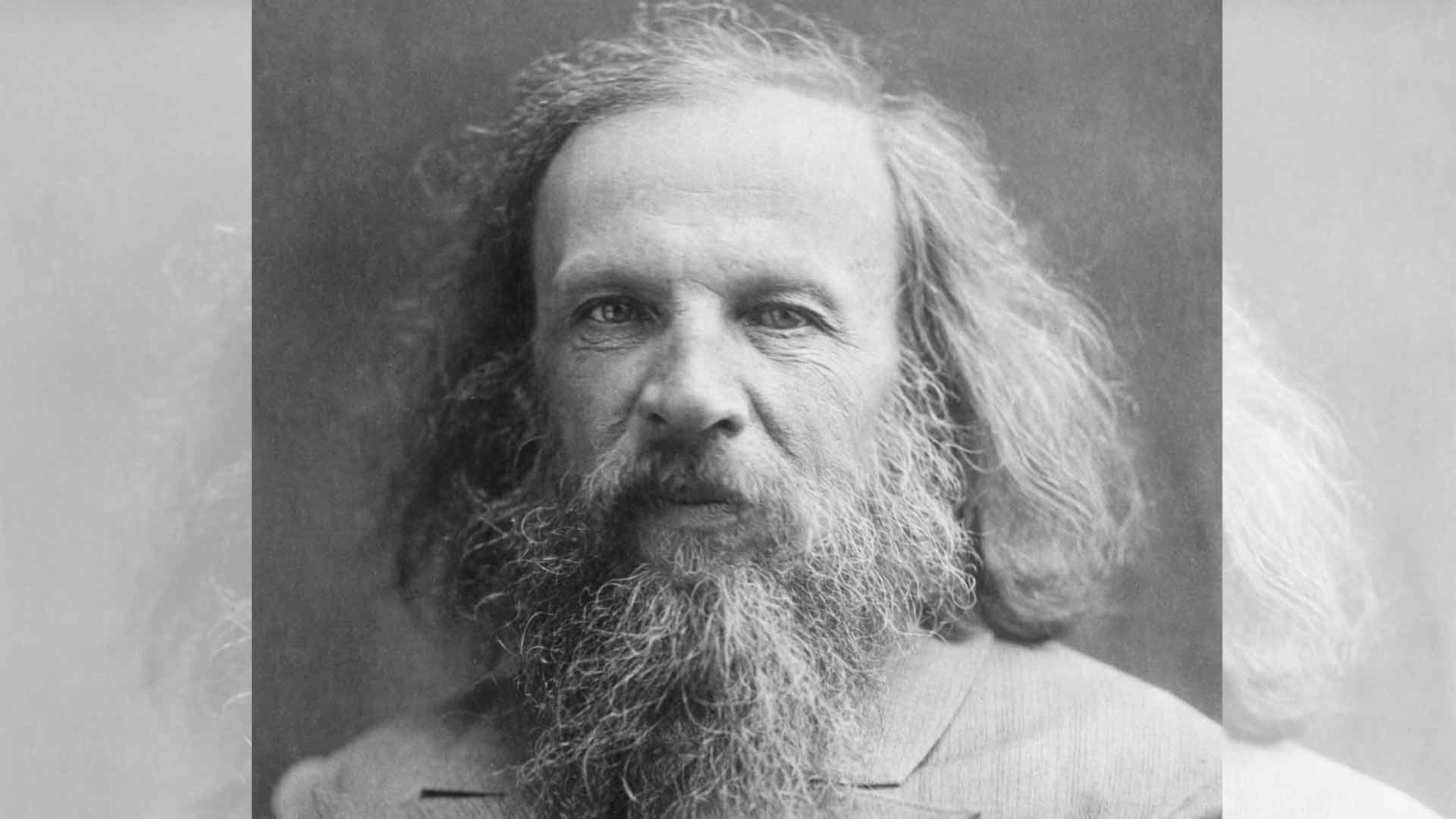
C) Dmitry Ivanovich Mendeleev
When will the next total solar eclipse be visible in the United States?

- A) 2024
- B) 2026
- C) 2029
- D) 2030
Answer:
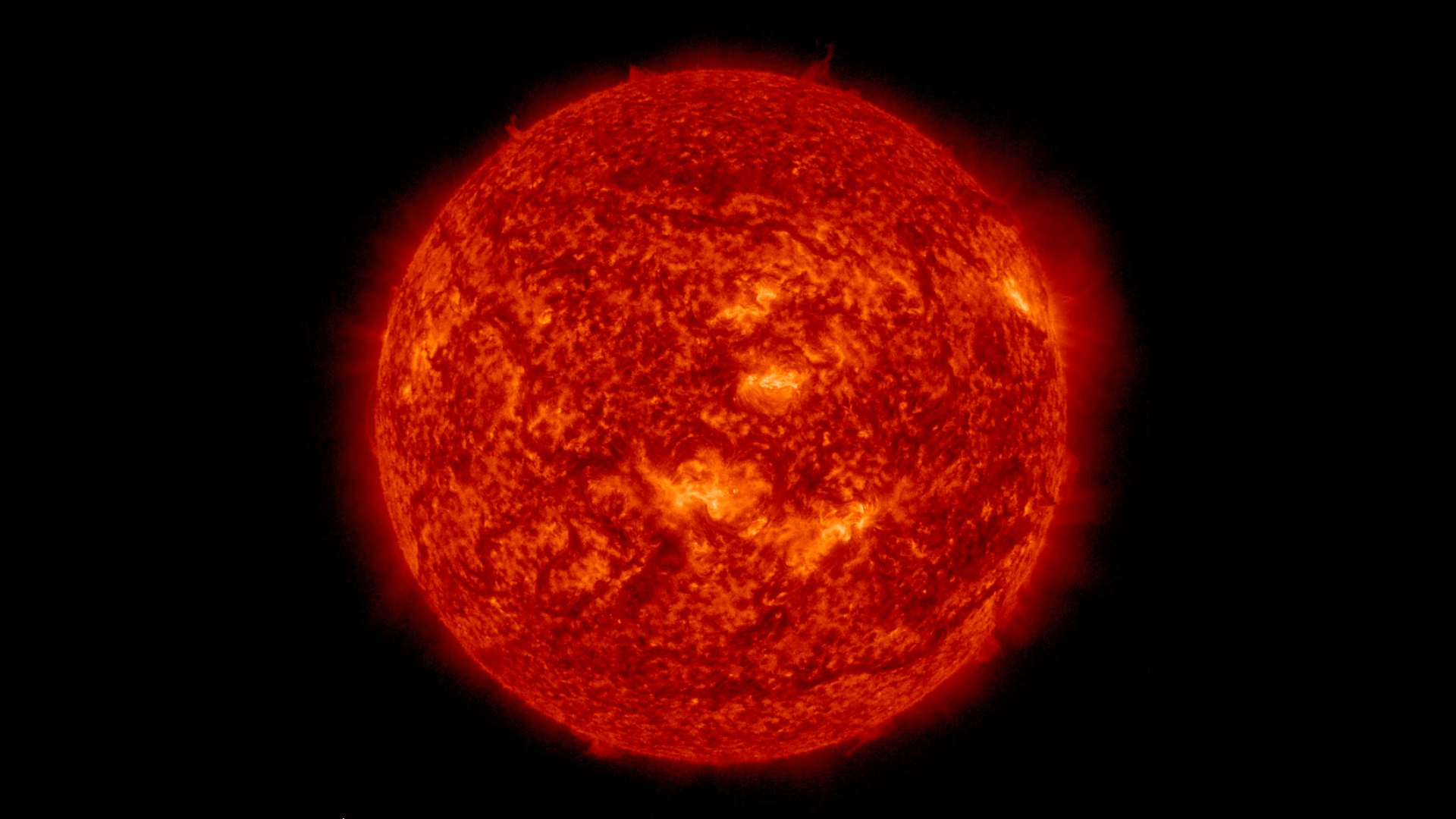
A) 2024