This 8,000-Year-Old Cave Art Demonstrates Climate Change
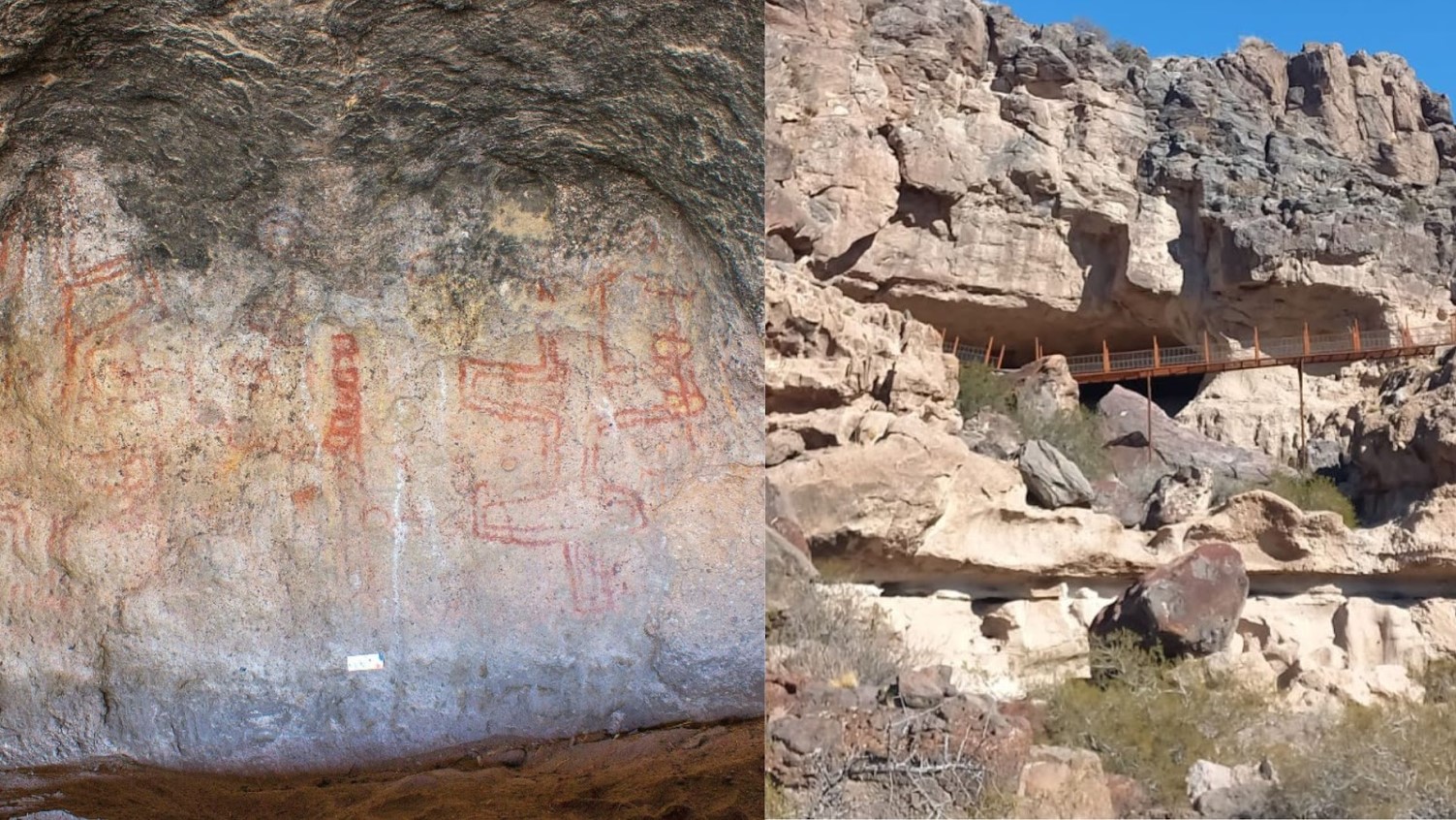
An 8,000-year-old set of cave paintings in Patagonia has helped experts better understand how ancient communities coped with an unpredictable climate.
Scientists used advanced methods to accurately date the paintings in Argentina’s Neuquén province and discovered the groups may have struggled to maintain high population numbers.
A Picture of the Past
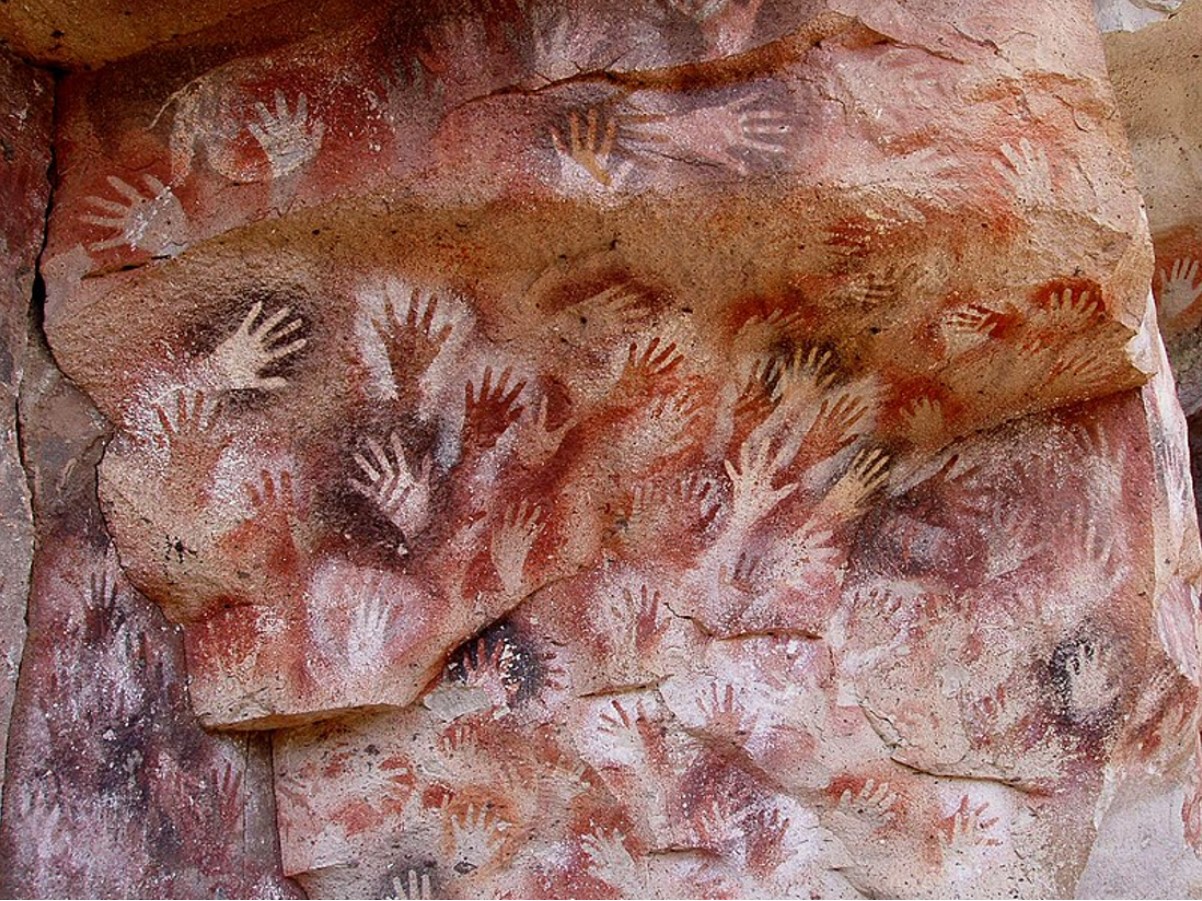
Ancient cave paintings from around the world can help anthropologists better understand what life was like for our Stone Age ancestors.
Some paintings shed light on the activities of the era, such as hunting. Others, like those found at Cueva Huenul, have helped researchers better understand how people lived during arid climatic periods.
Cueva Huenul
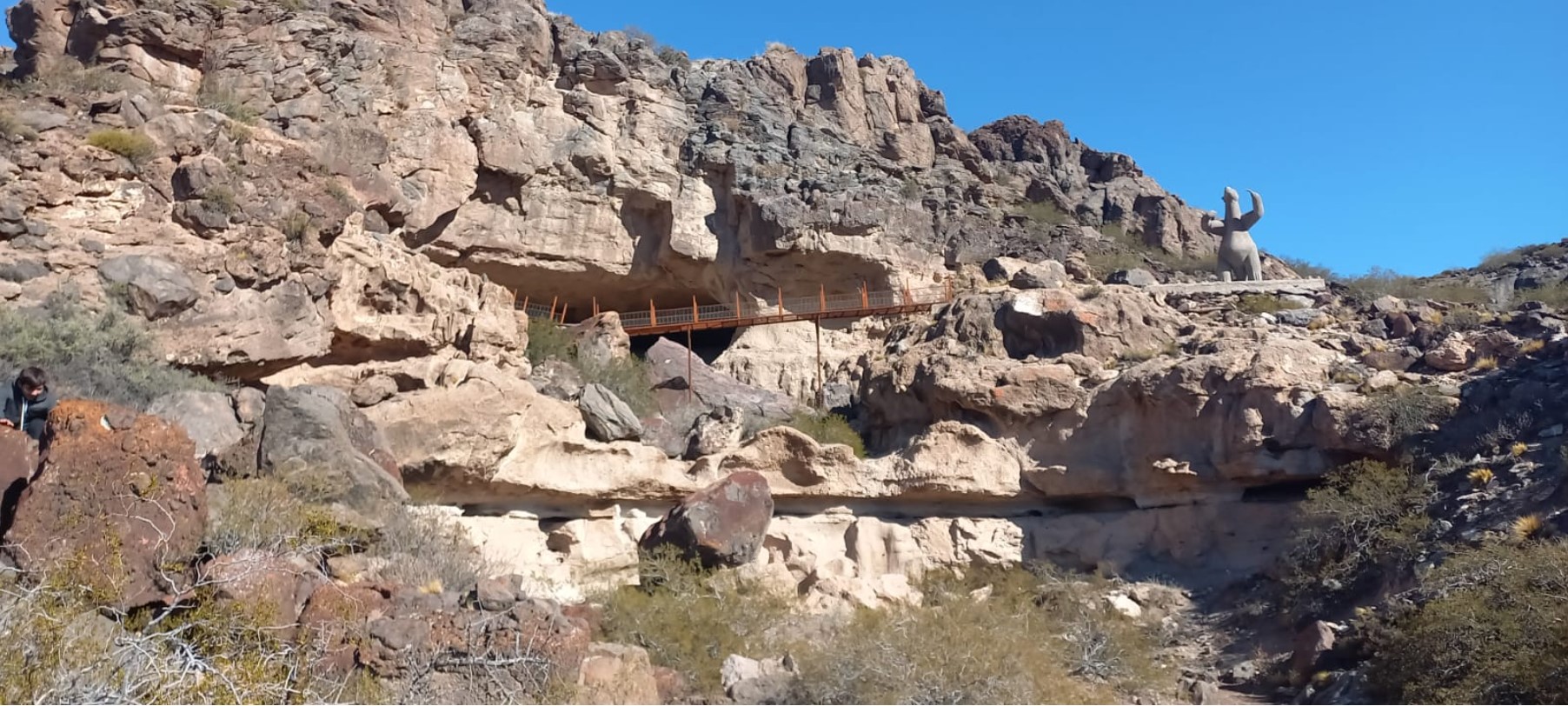
In recent years, one particular site in the Patagonia region of South America, Cueva Huenul, has been extensively studied.
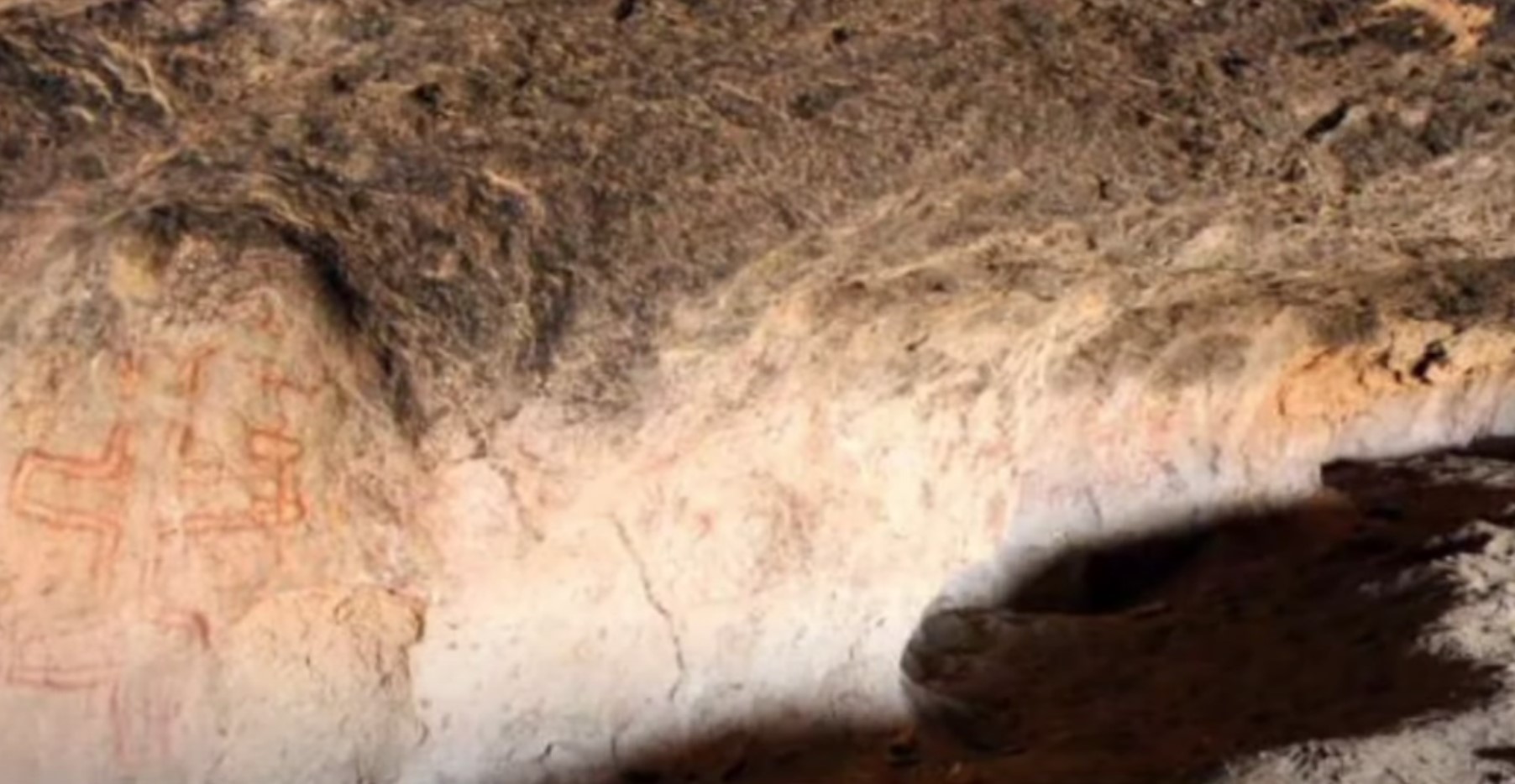
The cave has nearly 900 paintings spread across its interior walls, full of geometric patterns, animals, and hunters, which help shed light on what life was like for the region's ancient inhabitants.
Extensive Study of the Cave Paintings
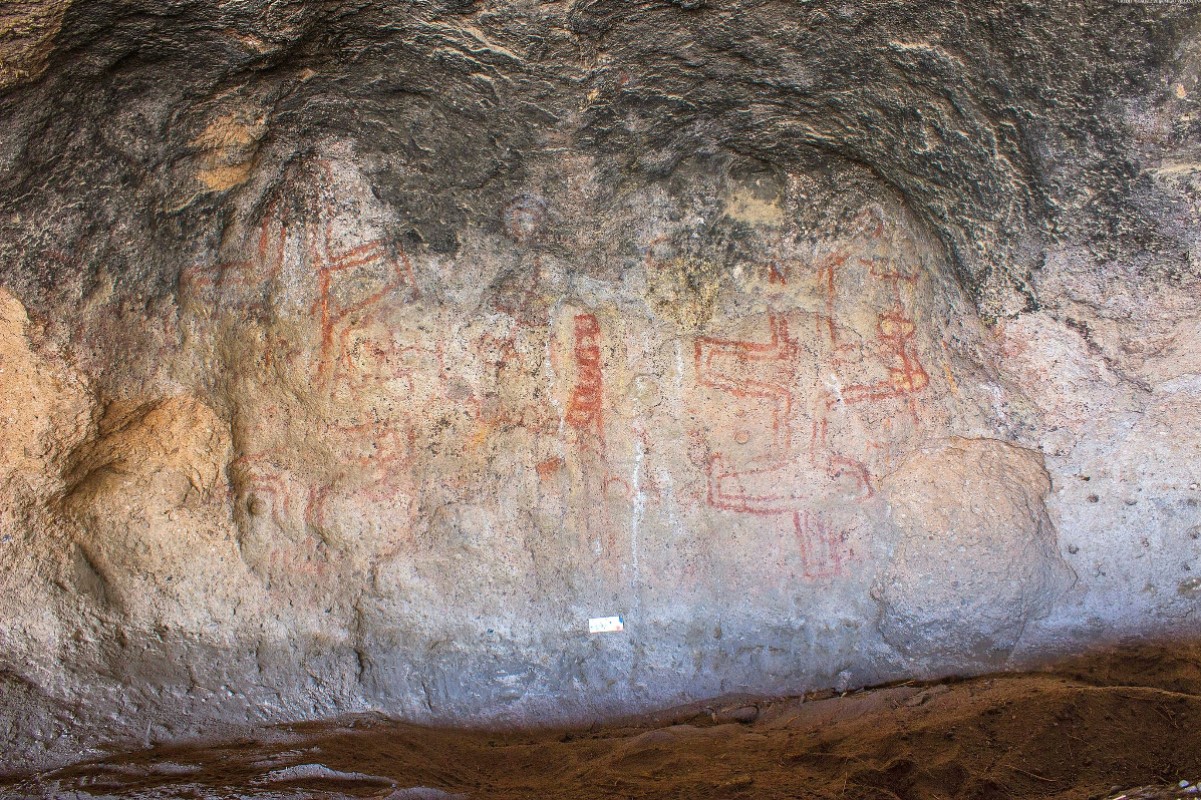
Experts have studied the vast array of paintings at Cueva Huenal for the past 10 years.
According to a report from Science Advances, the researchers were finally able to date the paintings by testing the charcoal used on the cave’s walls.
Dating of the Cueva Huenal Paintings

The scientists used several samples of the charcoal to obtain an accurate dating.
According to their results, the paintings at Cueva Huenul were completed around 8,171 years ago.
Several Generations Involved in the Project
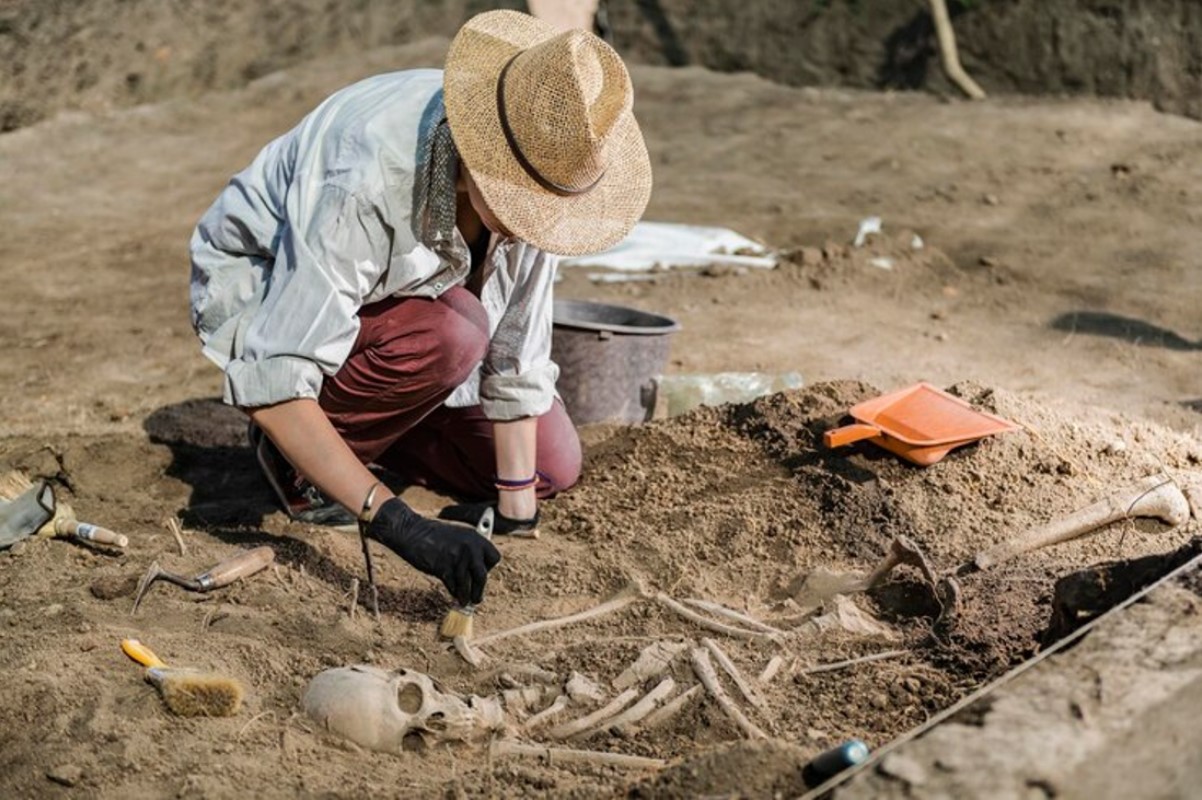
Those working on the project suggested the array of paintings was likely competed over 100 generations.
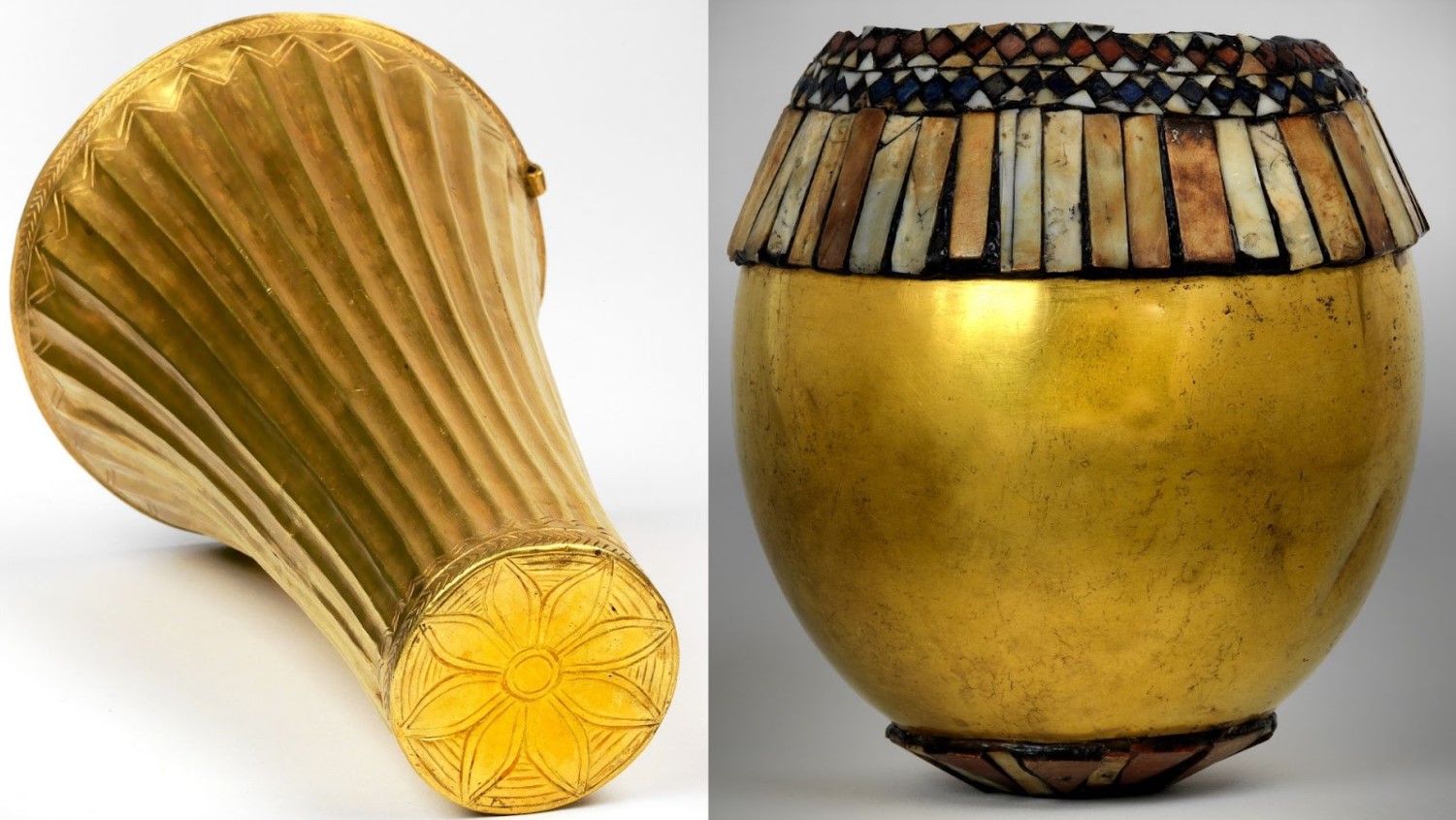
Alongside the artwork, other items of interest were discovered, including shells, engraved gourds, and decorated animal bones.
Cave Artists Experience Climate Change
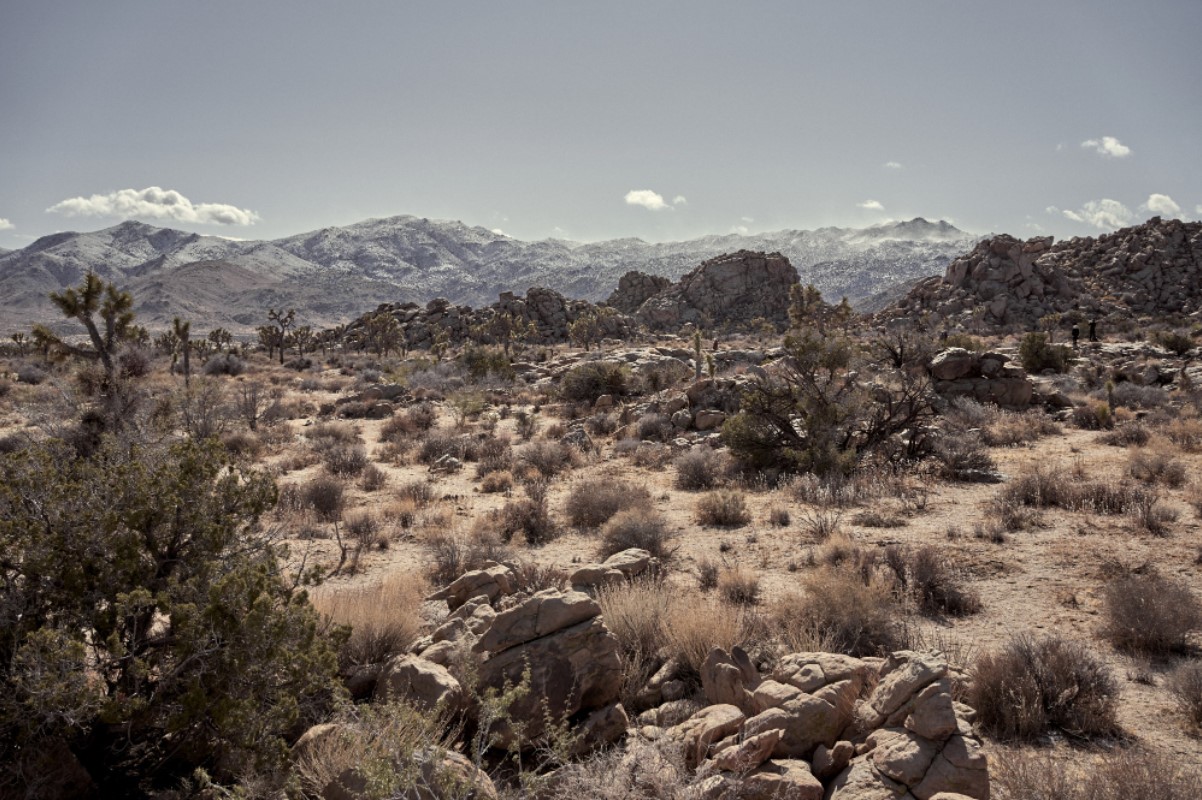
According to Science Advances, when the oldest paintings were completed, a “thinly distributed and highly mobile hunter-gatherer population” lived in the region.
What truly intrigued scientists, however, was the idea that this population group lived in the region during periods of an unpredictable climate.
Stone Age Populations During Arid Climatic Periods
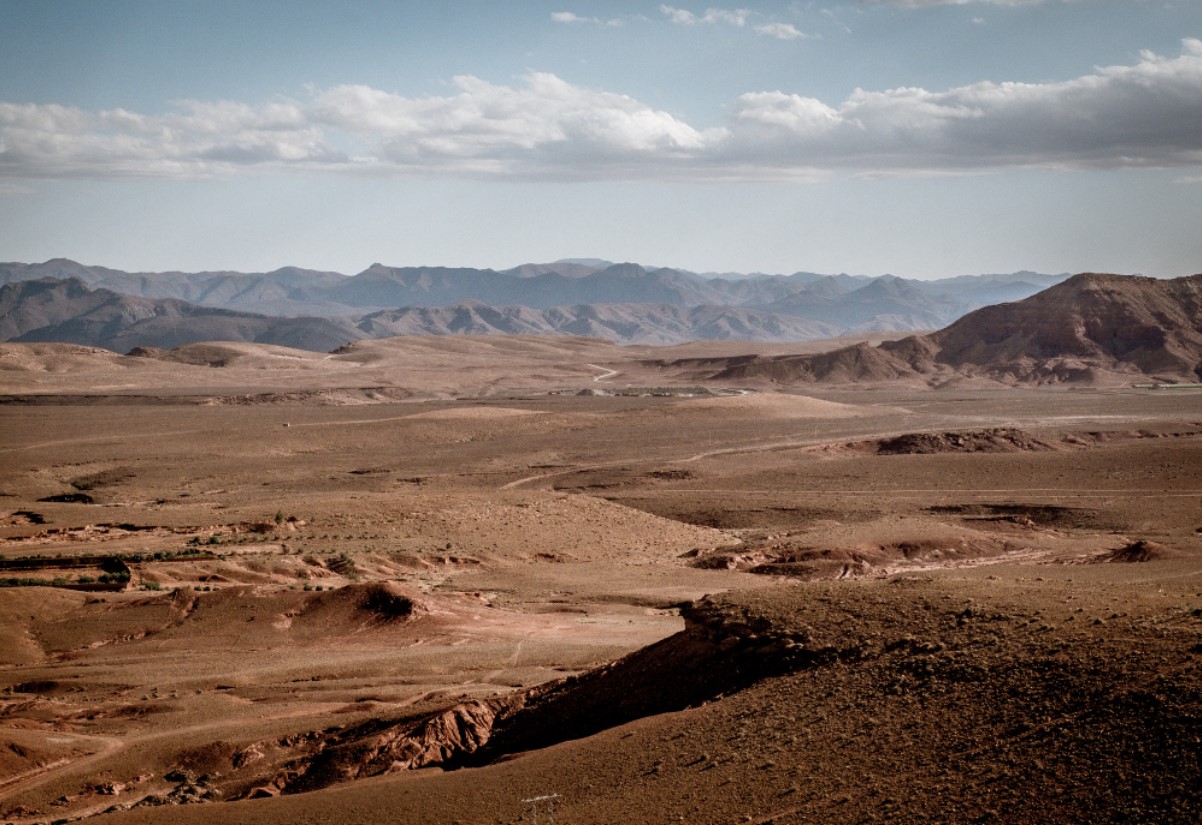
Co-author of the paper, Ramiro Barberena, spoke with Hyperallergic and said the period in which the paintings were completed overlapped an era of extremely arid climatic conditions.
The scientists say this has given them a better understanding of how ancient population groups lived during tougher climatic periods.
Populations Struggled to Grow During Mid-Holocene

During the era in which the paintings were completed, Barberena suggests populations in the region struggled to grow their numbers.
“In our rock art case, the [evidence] from the drylands in South America shows that during the early part of the Mid-Holocene, populations did not grow and may actually have decreased in size,” the researcher said.
Periodic Population Crashes for Cueva Huenul Dwellers
Barberena goes on to explain that their findings suggest the ancient peoples living in this region of Patagonia may have experienced periodic population crashes.
According to their research, it was likely "periodic population crashes rather than long-term stability."
Ancient Peoples Forced to Migrate Due to Climate

Barberena finished by suggesting the small groups may have been forced to migrate due to the changing climate.
“Additionally, since the sites from the mid-Holocene do not show very intense occupations, we presume that these small human groups had to move in wider areas,” Barberena said.
Humans Face Climate Change
The ancient groups living in Patagonia experienced a turbulent climate in much the same way as people in the modern era.
This may have forced a large-scale migration into new lands in hopes of ensuring the longevity of the group who had been forced to leave their ancestral lands behind.