The Unique Role Dogs Played in the Middle Ages
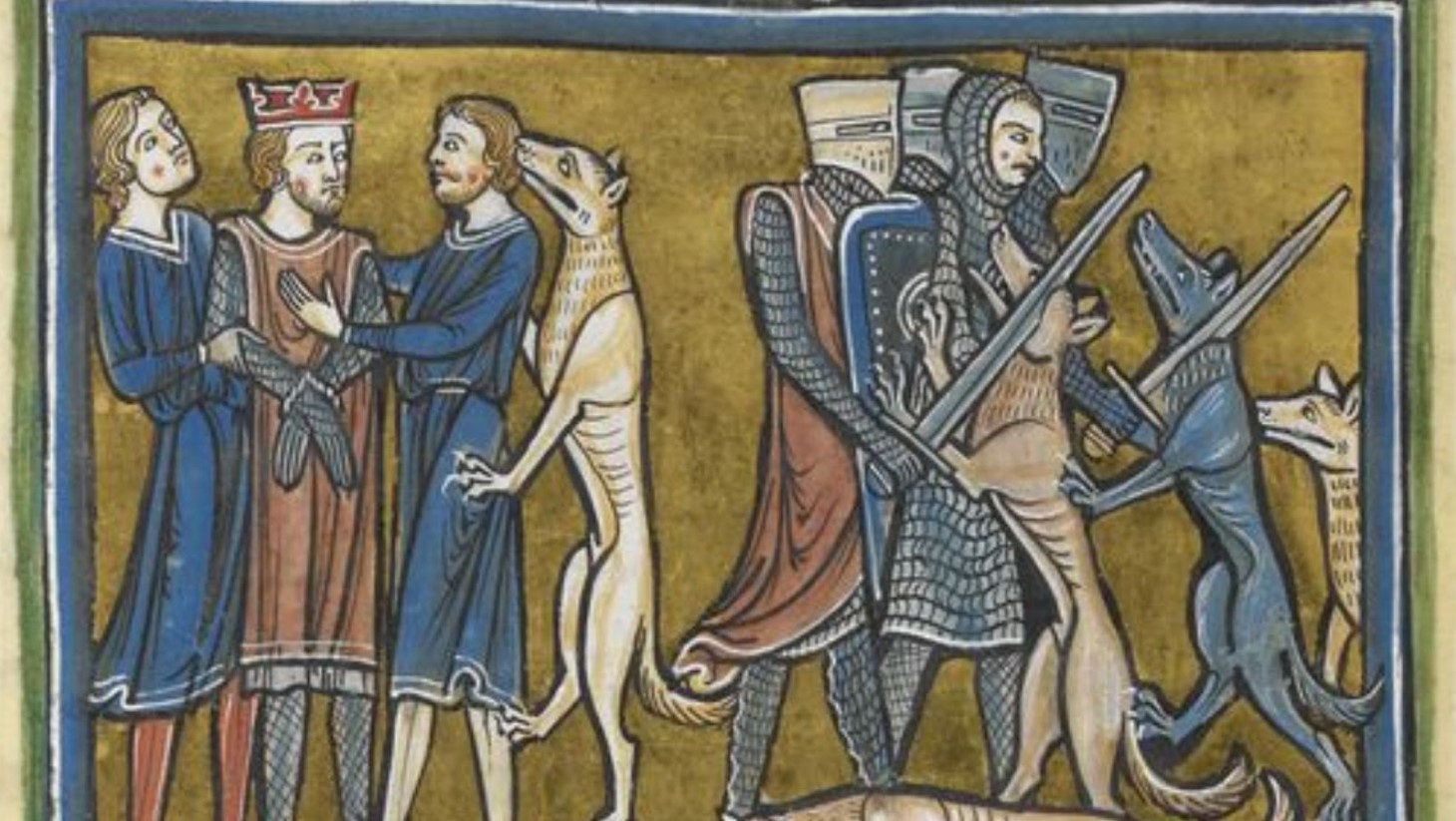
In Medieval Europe, the bond between humans and dogs was profound. A French dog lover from that era was quoted saying, “The greatest defect of the species was that they 'lived not long enough'.”
This sentiment reflects the deep affection people held for their canine companions, illustrating the integral role dogs played in the lives of their human counterparts.
The Height of Dog Popularity in the Middle Ages
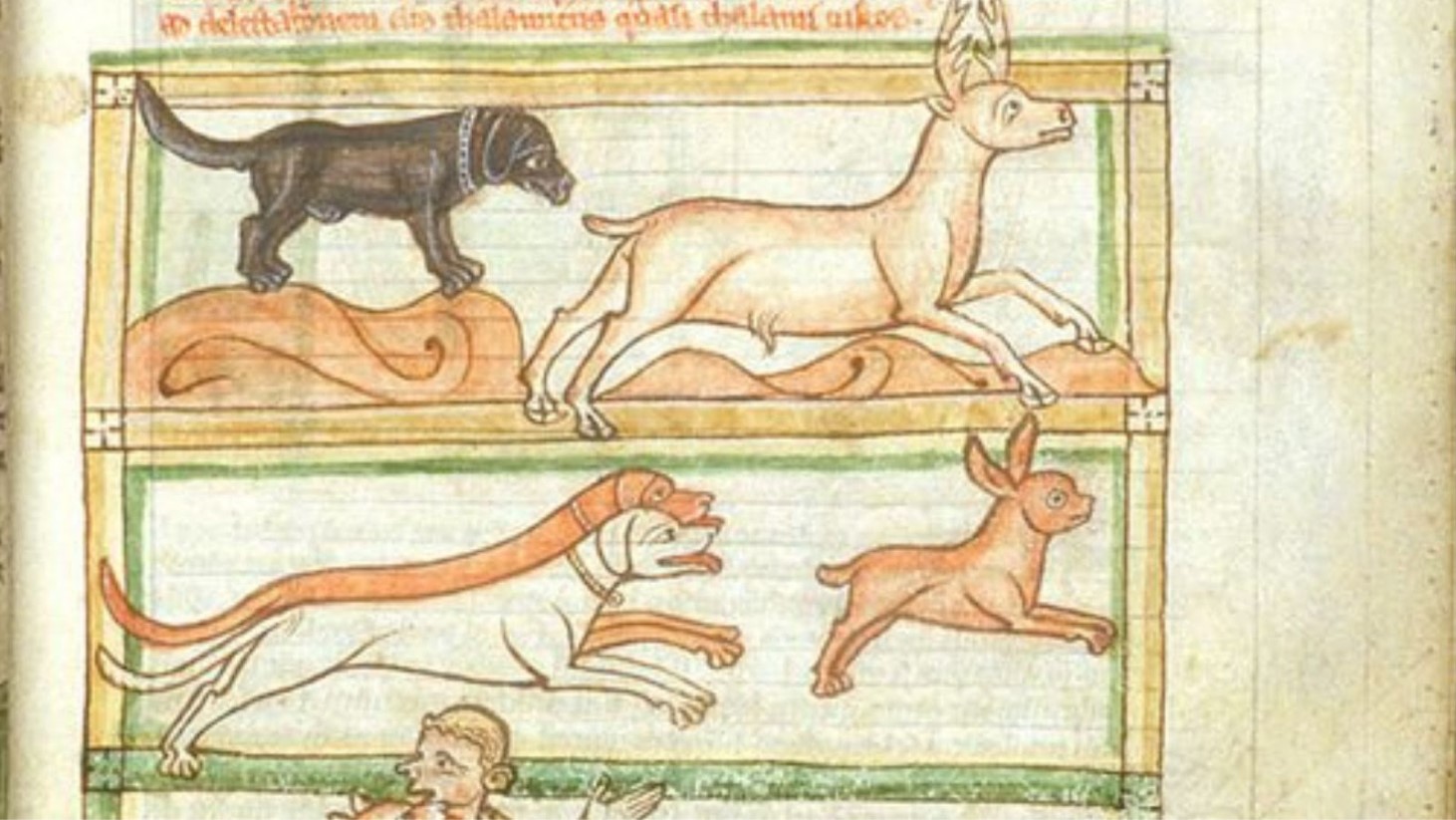
According to History Today, during the later Middle Ages, dogs were highly esteemed across various social classes. The period was marked by a strong interest in hunting and hawking, leisure activities predominantly enjoyed by the aristocracy, who also kept dogs as pets.
Meanwhile, the broader population valued dogs for their roles in protection and herding. This era is often regarded as one of the most dog-loving periods in history, with performing dogs being particularly admired for their extraordinary fidelity and intelligence.
A Noble Gesture for a Loyal Dog
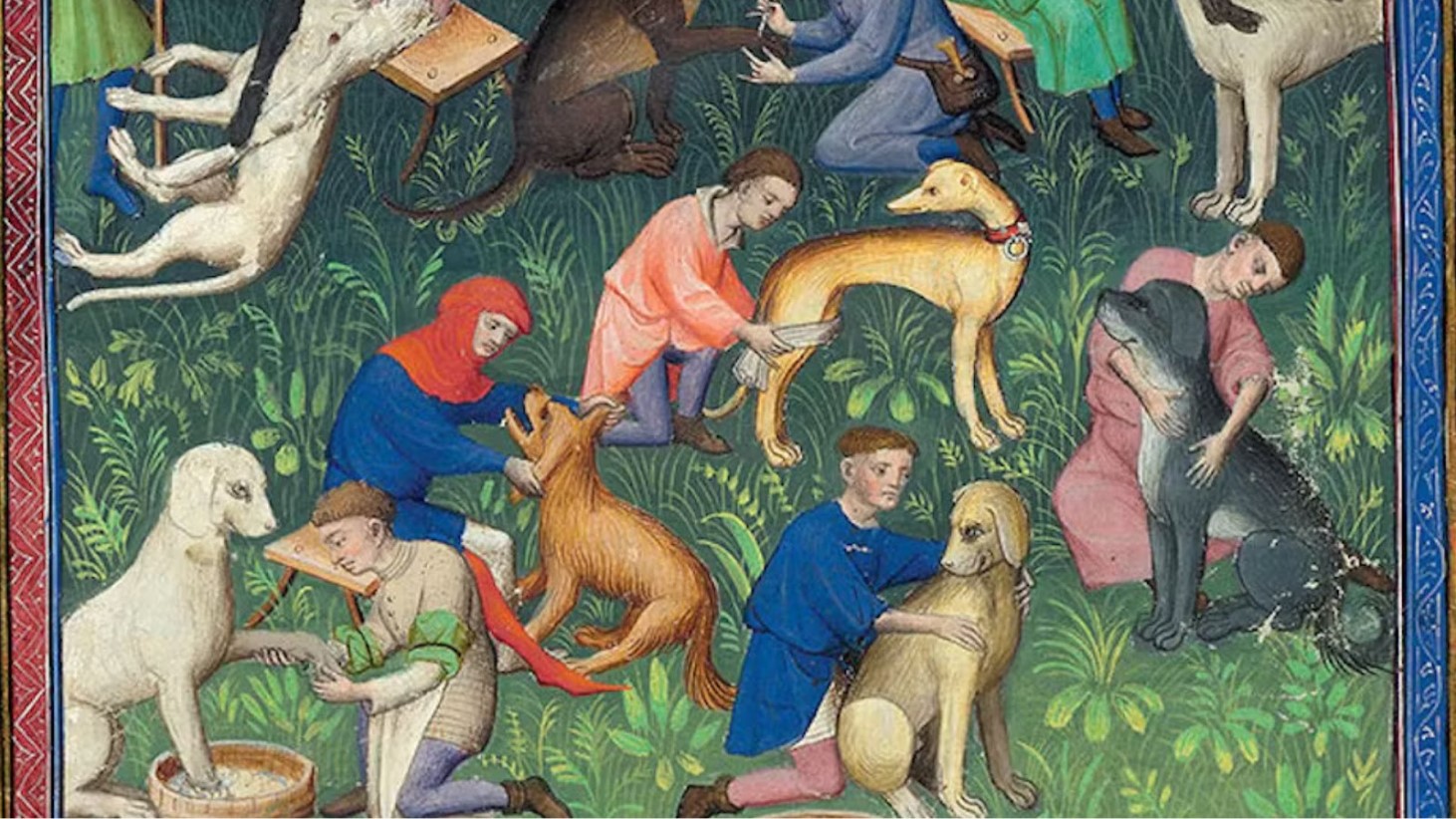
The Duke of Berry, notable for his personal visit to a dog that refused to leave its master's grave, exemplifies the medieval nobility's appreciation for canine loyalty.
He generously provided funds to a neighbor to ensure the dog was well-fed for the remainder of its days. Such acts highlight the esteemed position dogs held in society, despite the commonality of rabies and other challenges of the time.
Greyhounds: The Esteemed Canines of Medieval Society
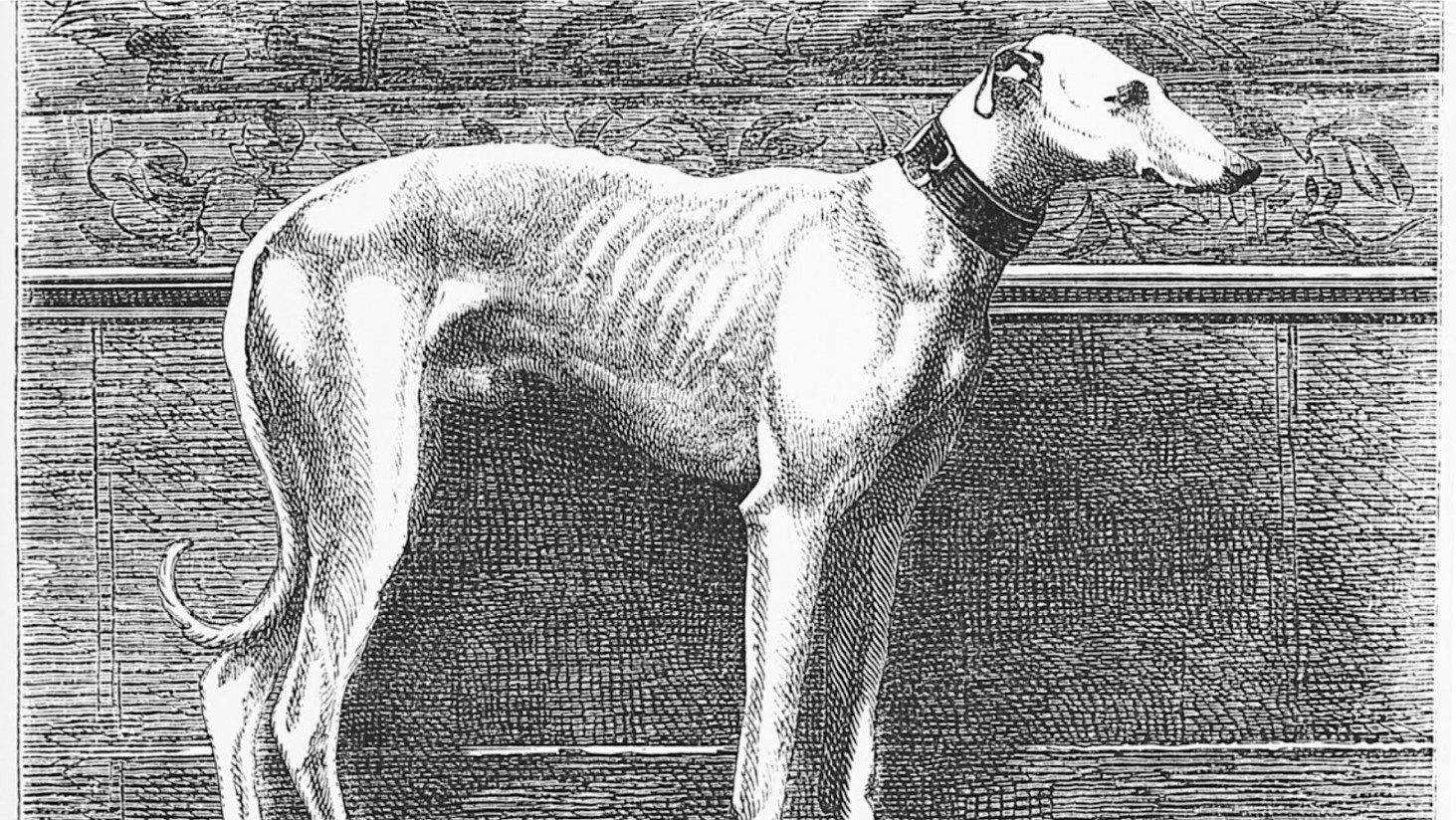
The Conversation reveals that greyhounds stood at the pinnacle of medieval dog hierarchy, revered not just for their hunting prowess but also as symbols of nobility and status.
A 14th-century writer described the ideal greyhound as courteous, loyal, and clean—qualities that made them favored gifts among princes and frequently memorialized on tombstones alongside their masters.
Lap Dogs: Cherished Companions of the Nobility
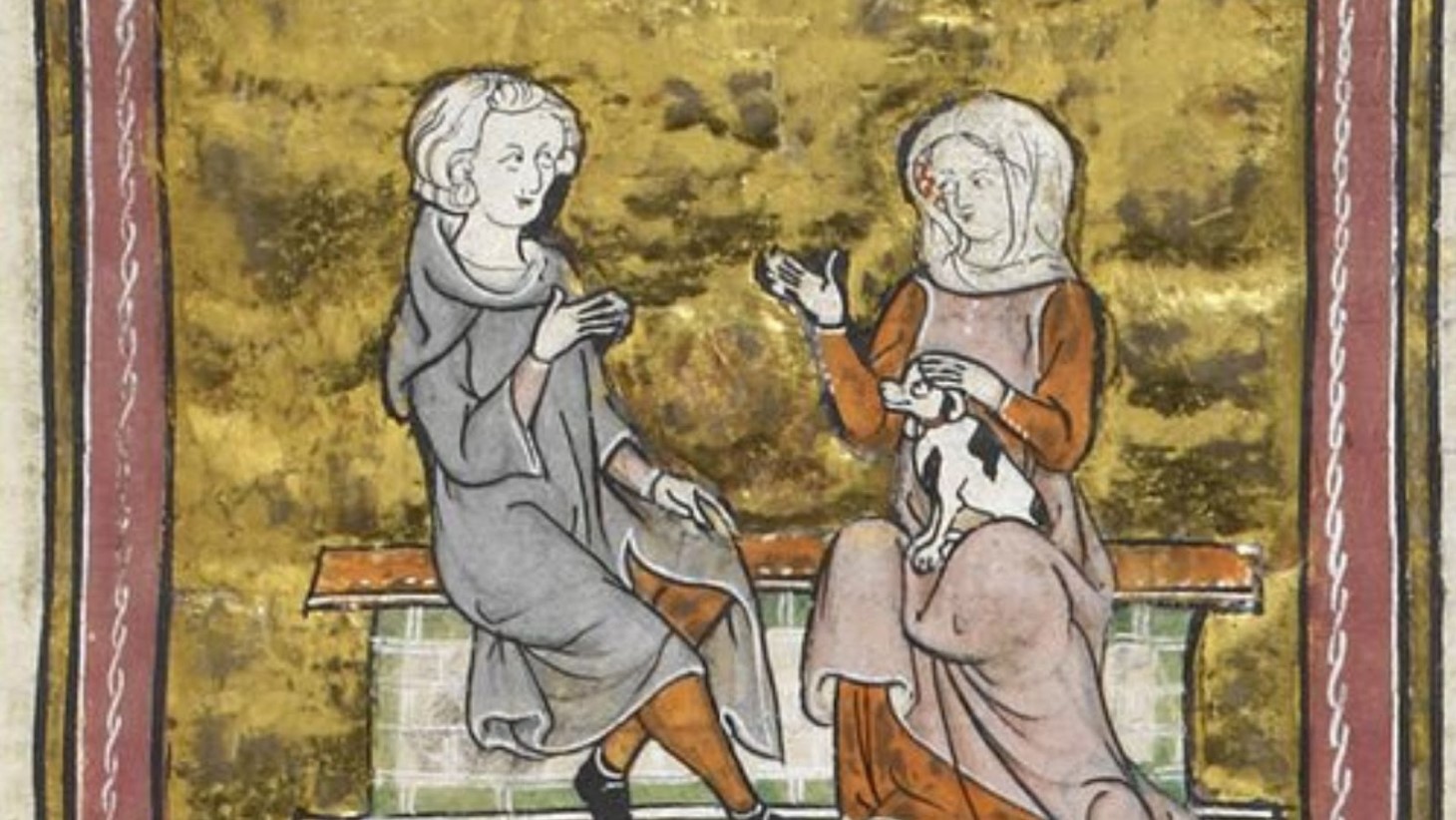
In medieval times, lap dogs were a common sight among the nobility, especially ladies, who favored these small, bell-collared pets.
Carvings on tombs often depicted these cherished companions, highlighting their importance in noble families. These effigies serve as a testament to the close relationships between the nobility and their pet dogs.
The Controversy Surrounding Toy Dogs
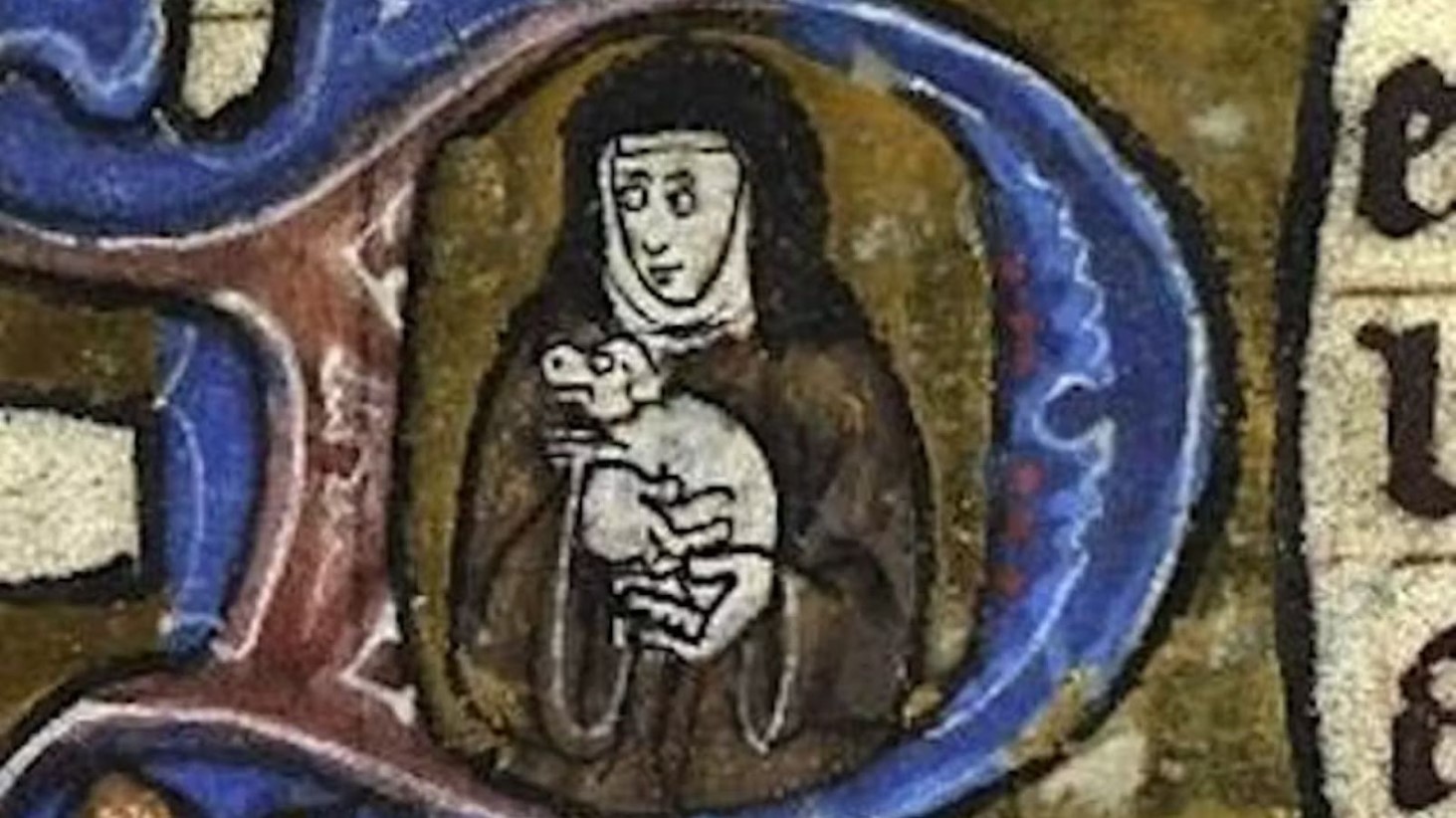
In the 16th century, toy dogs were sought after to satisfy “Wanton women's willes,” according to a critic who viewed them as “instruments of follie,” History Today shares.
Despite such criticism, these small pets provided companionship and were a source of pleasure for their owners, often being pampered and cared for in ways that underscored their special status in the household.
Dogs in Medieval Art and Memorials
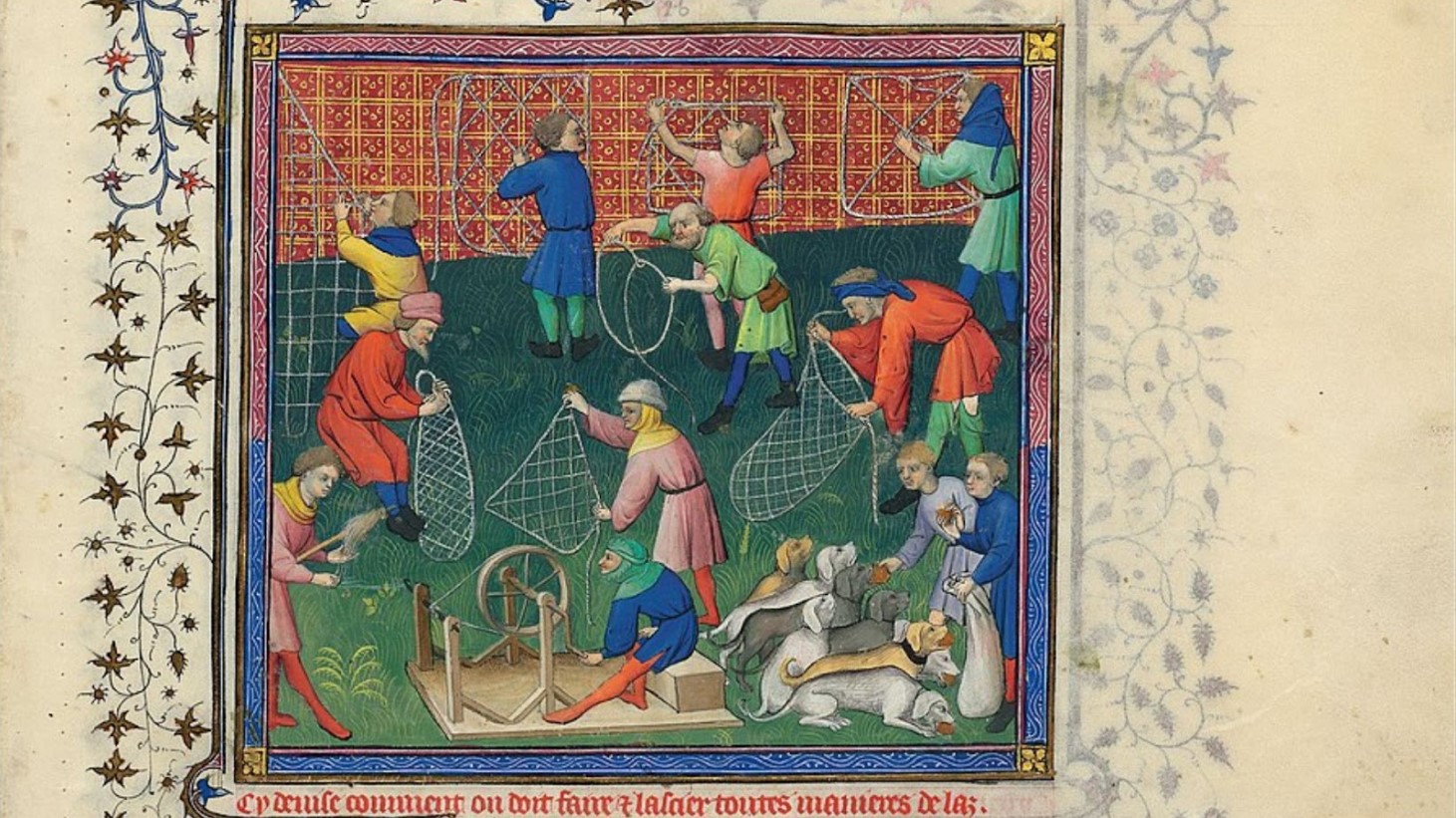
Medieval tombstones and brasses frequently featured dogs, reflecting their valued role as companions.
Some memorials included the names of these pets, providing a glimpse into the personal connections that existed between dogs and their owners.
Dogs at the Medieval Dining Table
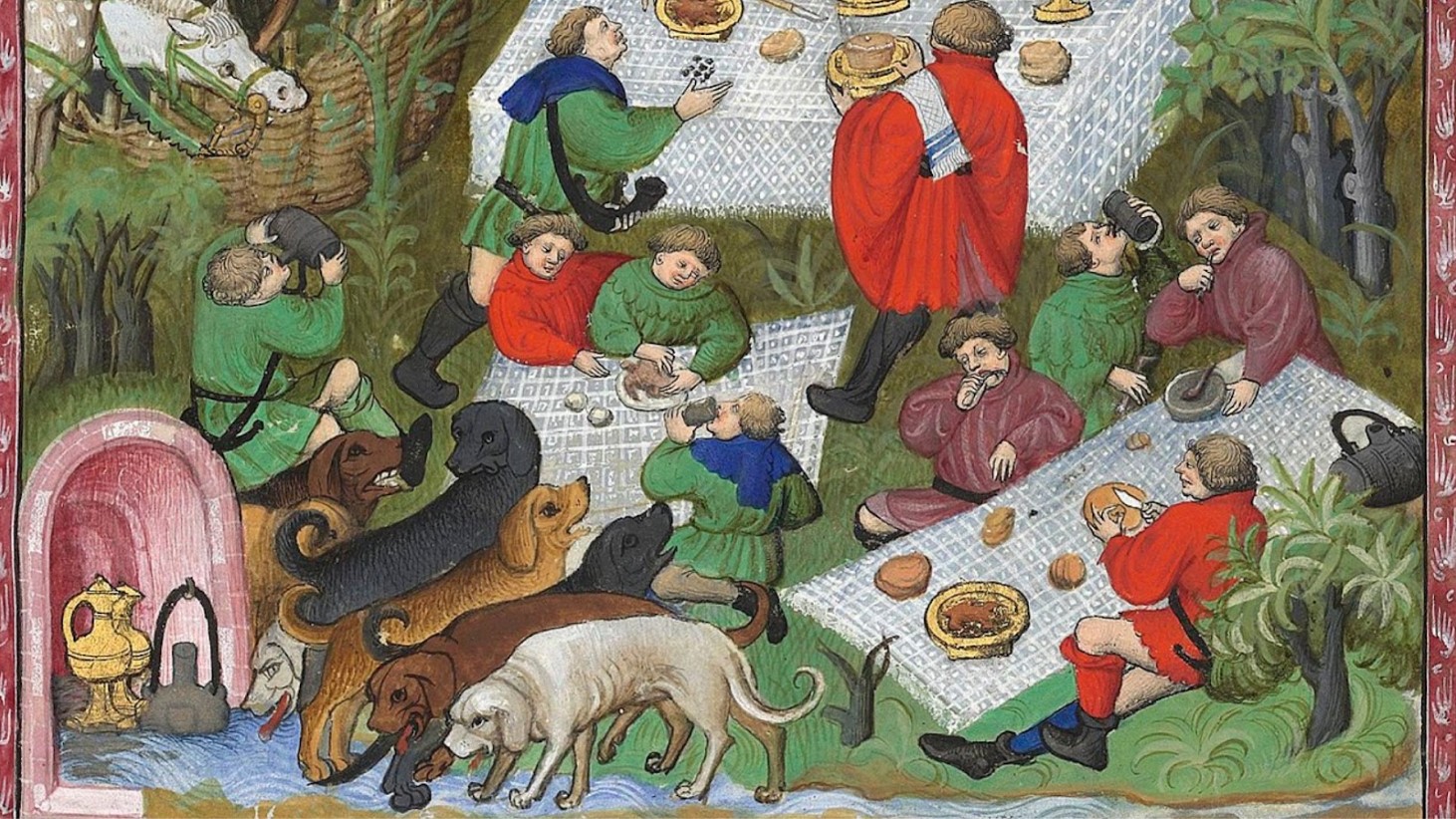
Despite 15th-century etiquette books deeming it inappropriate, dogs were often present at meals and considered part of the household.
Illustrations from the Duke of Berry’s Très Riches Heures depict dogs at the dining table, highlighting their integration into daily life and their status as favored companions.
The Role of Dogs in Medieval Society
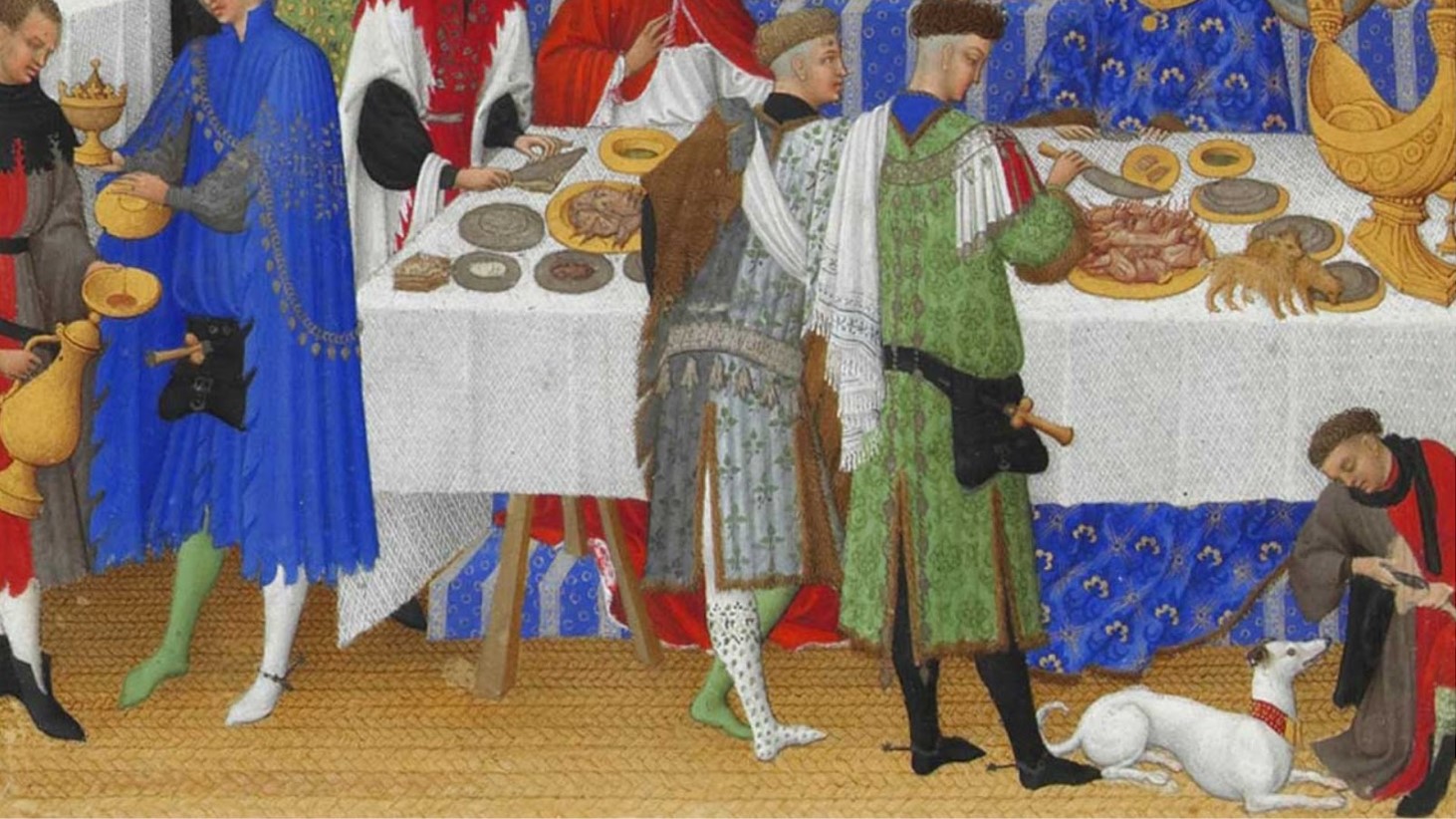
The Conversation highlights that dogs were omnipresent in medieval life, accompanying their owners to various functions, including royal courts and noble homes.
This widespread acceptance showcases the multifaceted role dogs played, from providing security to companionship, reflecting their importance across different aspects of medieval society.
Guarding and Herding: The Utility of Medieval Dogs
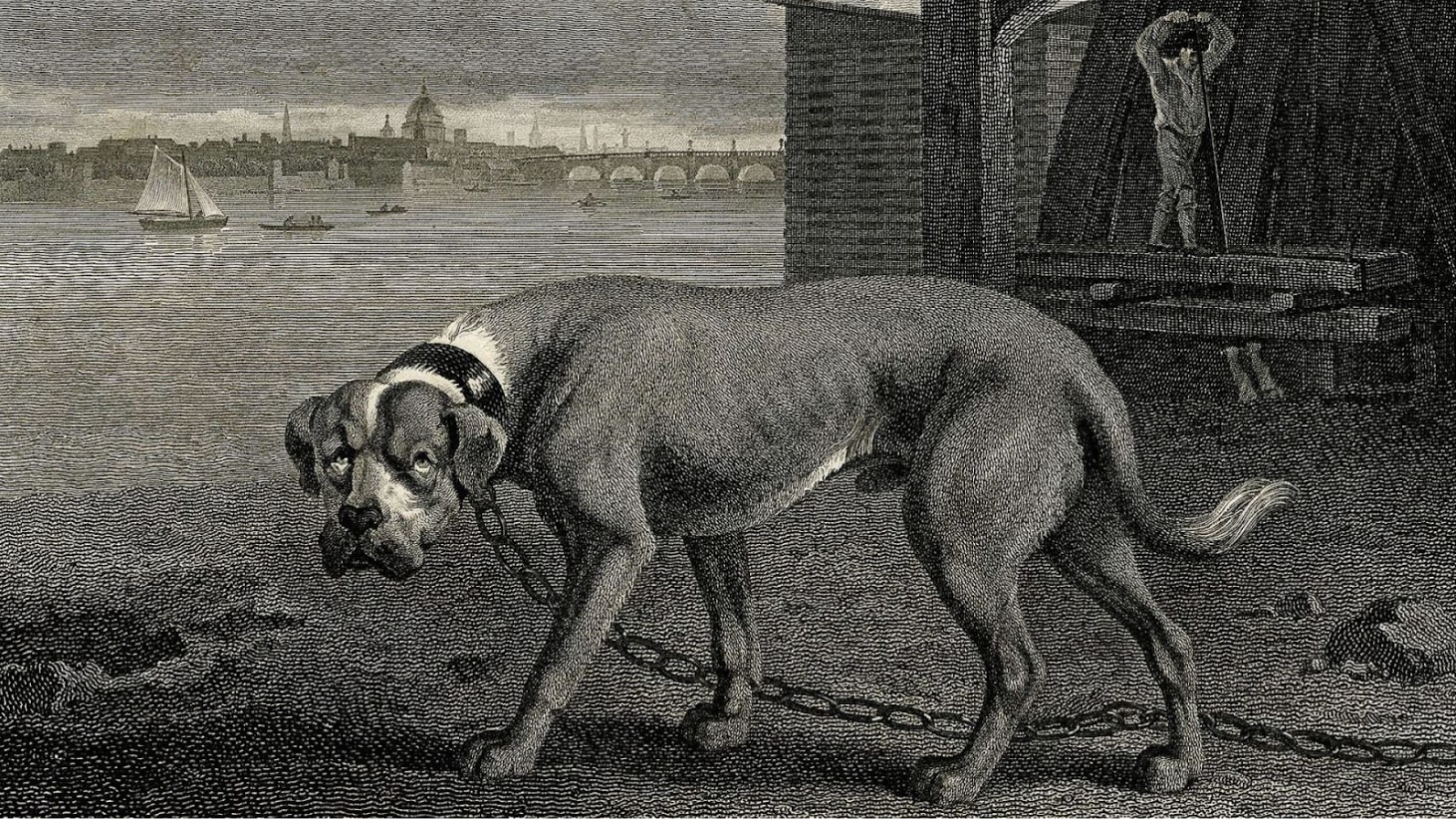
Dogs were particularly important in medieval society, for guarding and herding. Breeds like mastiffs and alaunts were valued for their protective abilities.
These dogs were integral to the safety and security of their communities, highlighting the practical aspects of the human-canine relationship during this period.
Dogs in Medieval Sports and Hunting
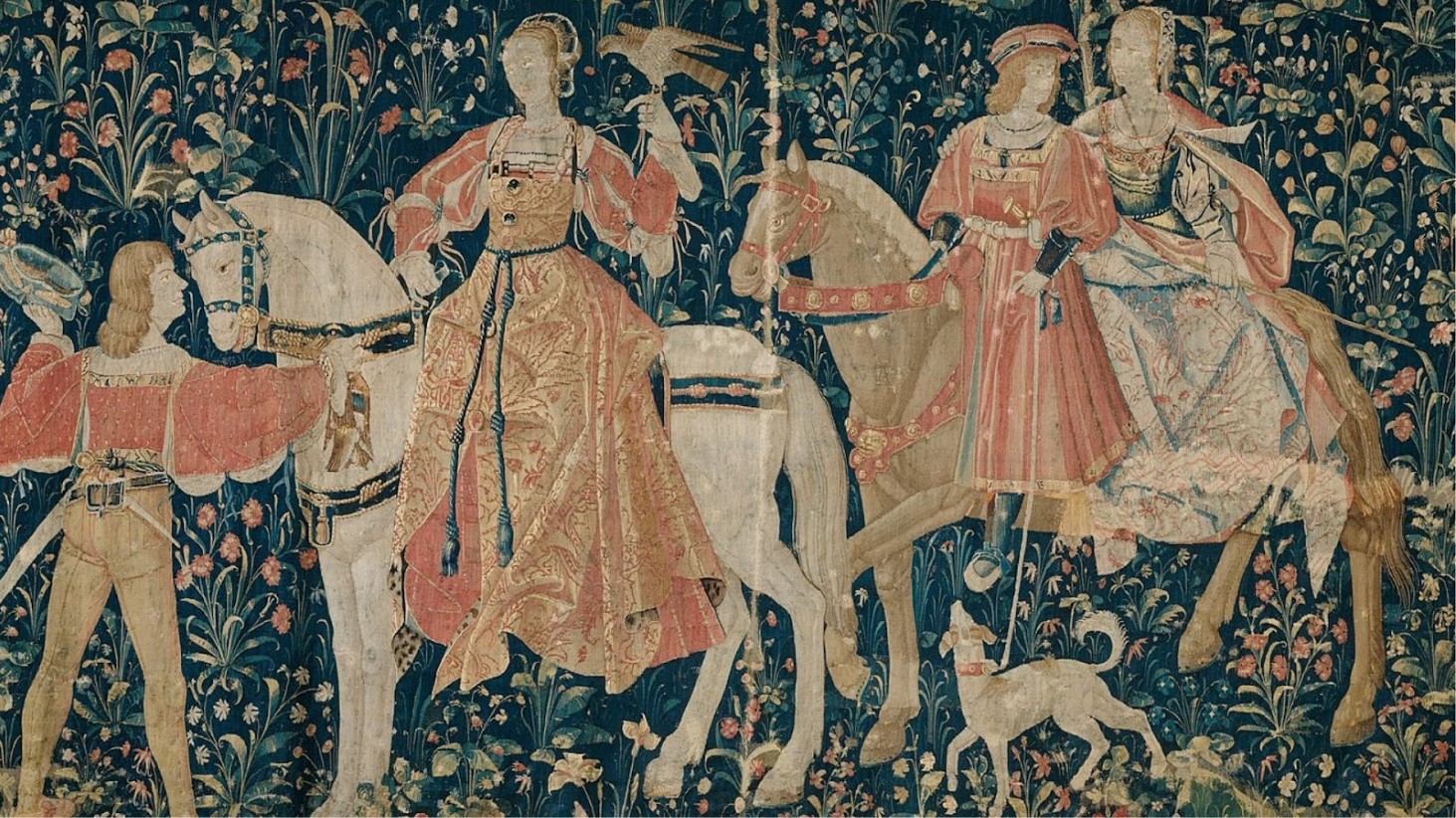
Spaniels and greyhounds were essential to the medieval sports of hawking and hunting.
These dogs were not only companions but also vital participants in these activities, demonstrating their versatility and the high regard in which they were held for their skills and loyalty.
Medieval Dogs: A Testament to Timeless Bonds
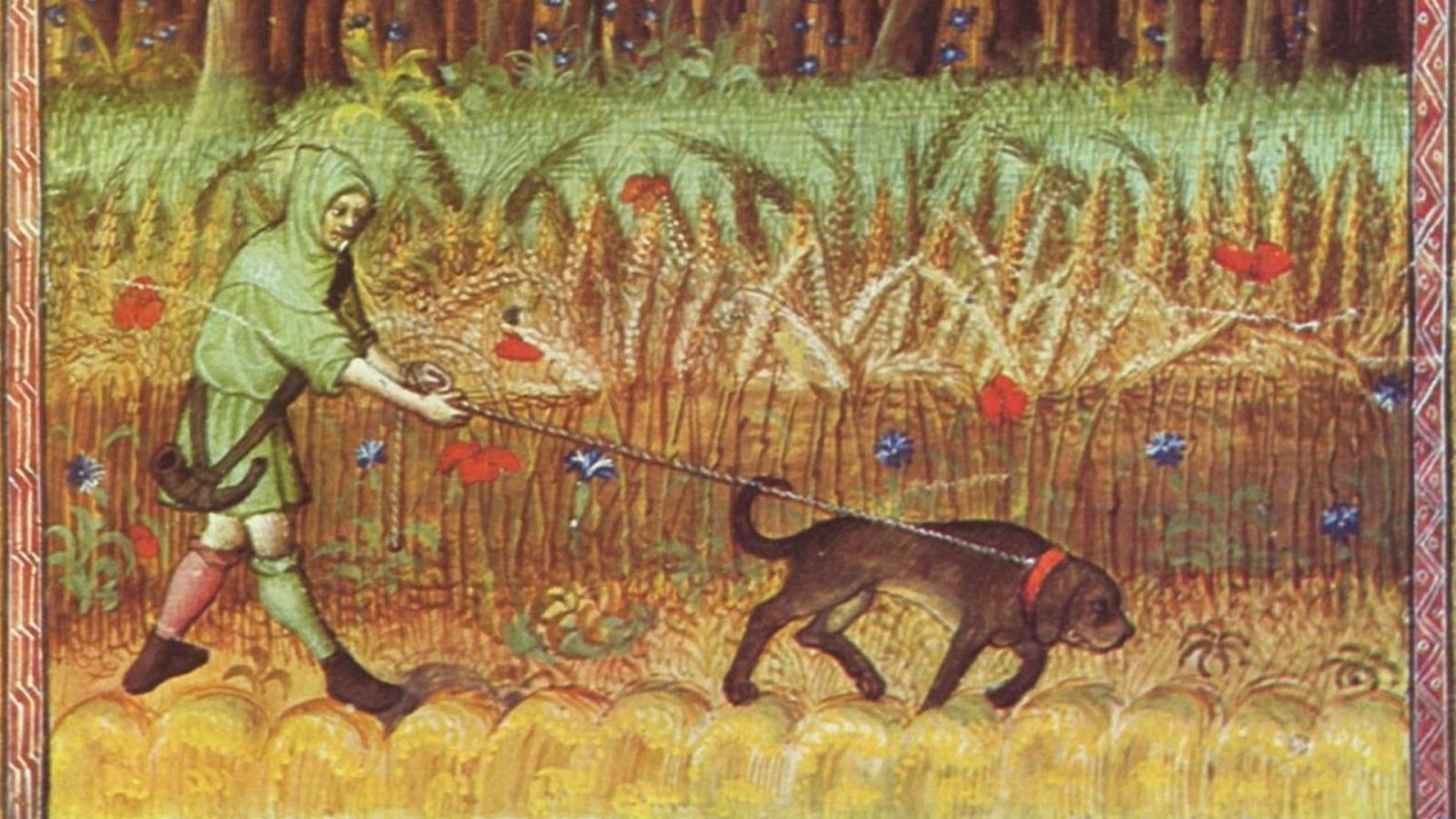
The stories and representations of dogs from the medieval period illustrate the enduring nature of the bond between humans and dogs.
Whether through art, literature, or memorials, the value and affection people held for their canine companions is evident, echoing the sentiments of the era that celebrated their loyalty, utility and companionship.