Study Shows the Atlantic Ocean's Current Is at Risk of Collapse and It Could Make the World Colder
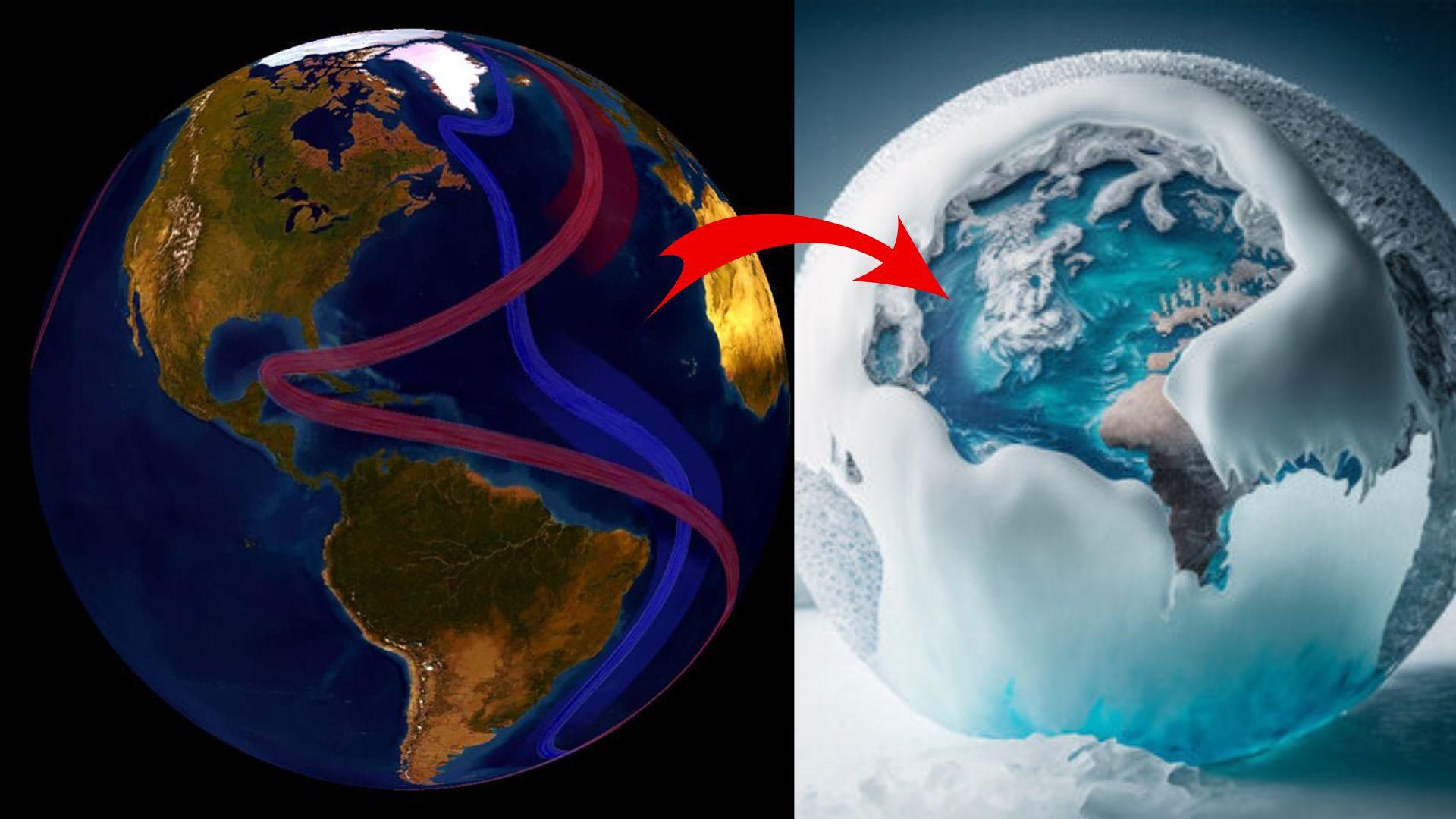
When it comes to climate change, one of the biggest worries is certainly rising temperatures in both the world’s oceans and the air around us.
However, a recent study shows that the Atlantic Ocean could actually be getting colder. While this may mean declining temperatures on Earth, the result could be just as dangerous as a heat wave.
The Importance of Currents in the Ocean
Before exploring the latest information, it’s vital to understand how the currents of the world’s oceans function and why they are so important.
Although they are all but invisible above the surface, deep below, there are several ginormous currents within the oceans of our planet. These currents are essentially rivers that run continuously in the ocean, moving warm and cold water in all directions. They collectively create the global conveyor belt, which plays a large role in the climate of the planet.
The Atlantic Meridional Overturning Circulation
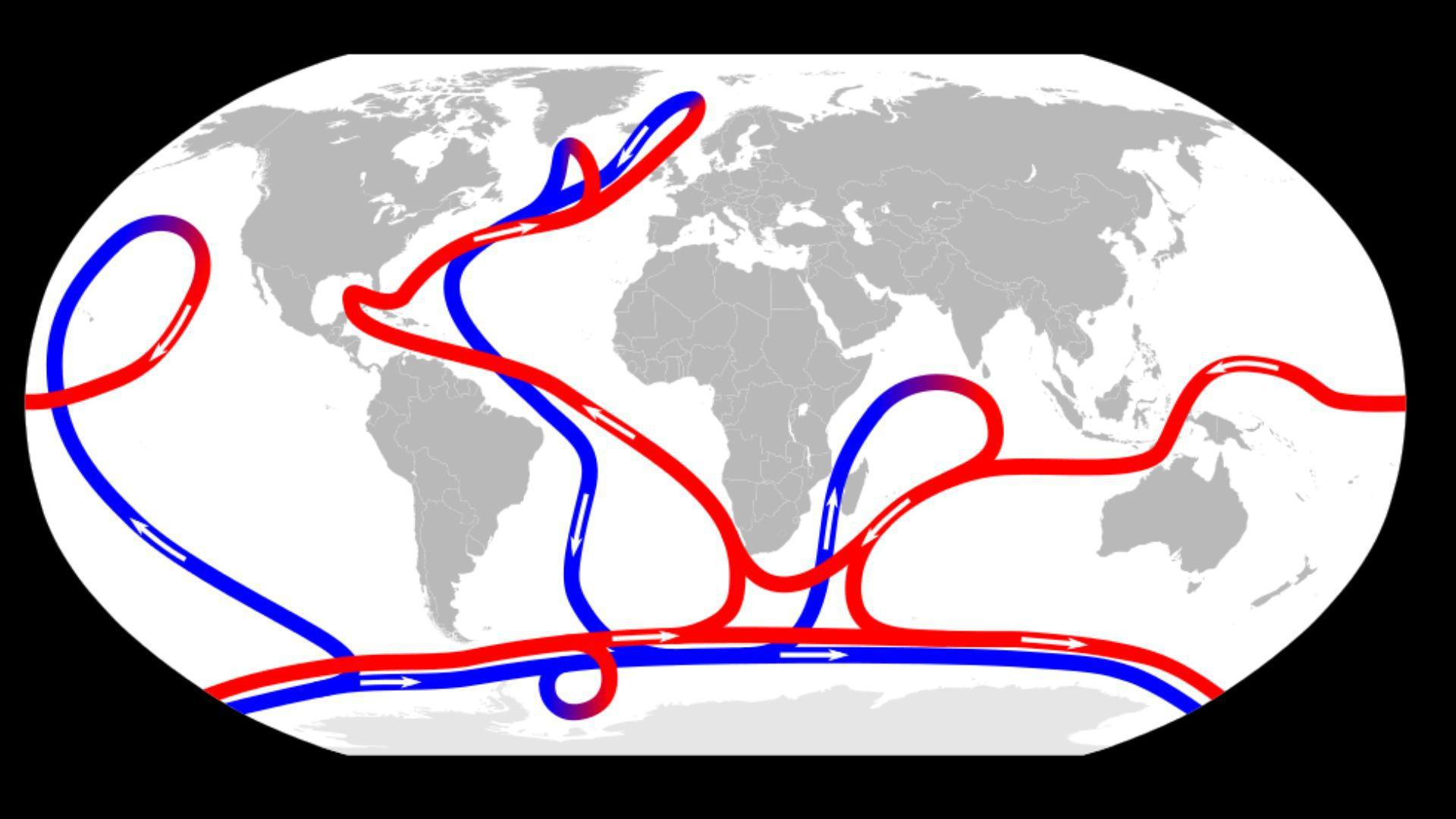
The Atlantic Meridional Overturning Circulation (AMOC) is half of this conveyor belt, while the other half is known as the Southern Ocean Overturning Circulation.
They are both made up of several currents, large and small, but the AMOC is mainly responsible for transporting the warmer waters of the southern tropics to the cold North Atlantic.
The AMOC Is Absolutely Essential
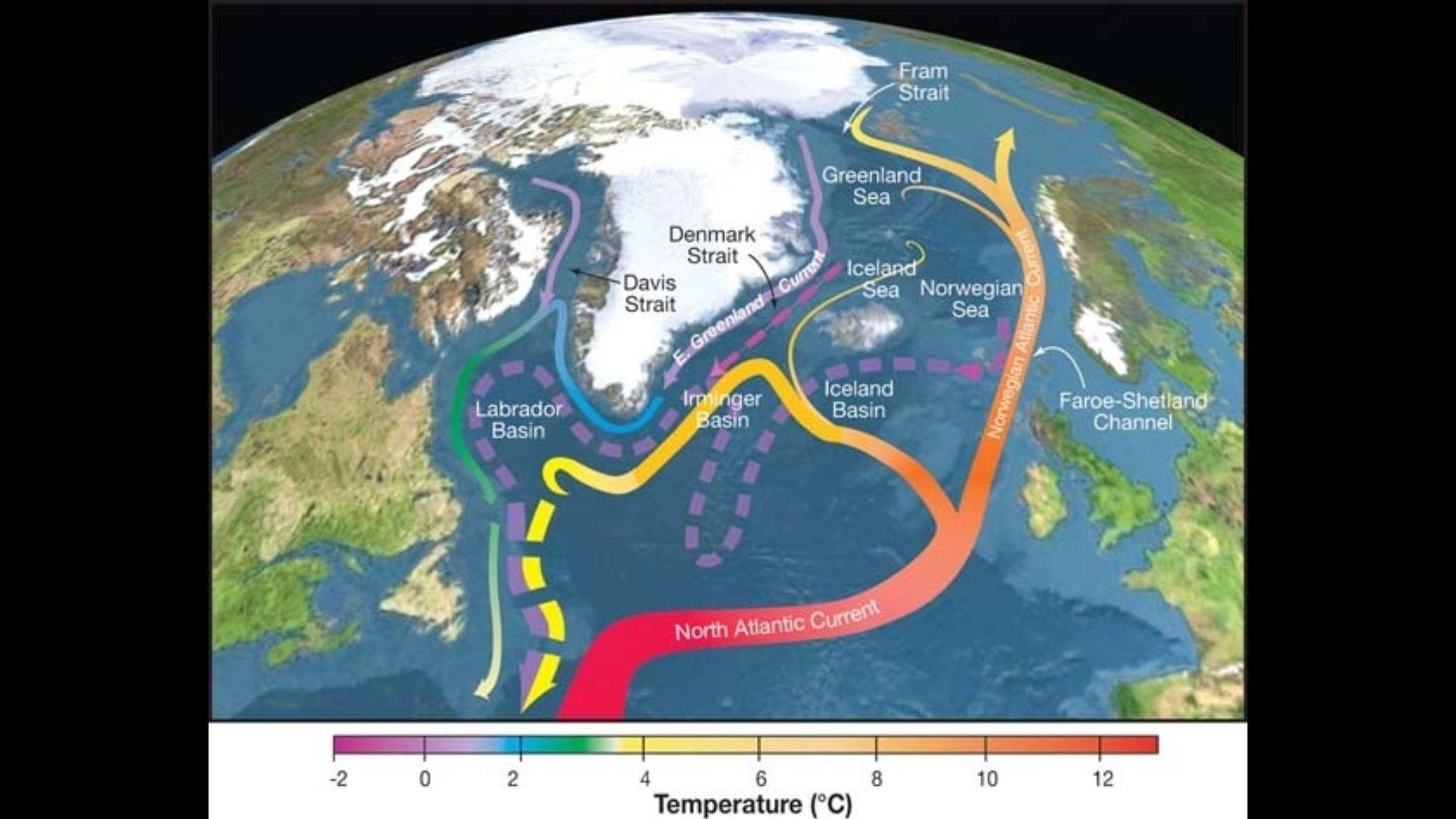
The AMOC is essential to life on planet Earth. It carries necessary nutrients to ocean life, brings warm waters to several coasts, and ensures the North Atlantic waters stay cold and icy.
However, as the AMOC functions, thanks to the temperature of the water and the weather above the surface, and as the planet’s climate changes, so will the AMOC’s many currents.
Why Is the AMOC Weakening?
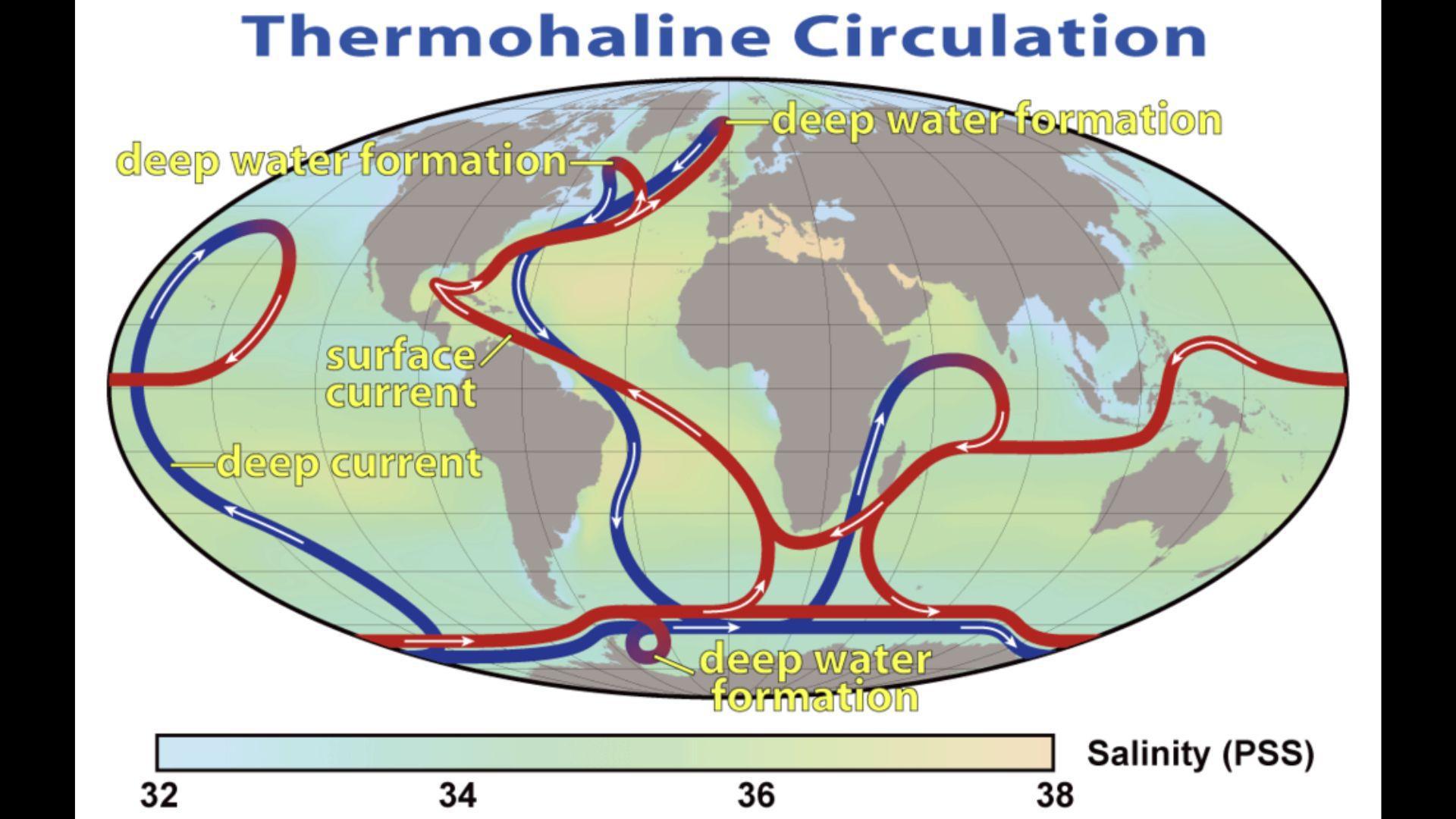
The phenomenon of the weakening AMOC system is caused by temperature and atmospheric changes because these changes directly affect the salinity and, consequently, the density of the ocean’s waters.
As Sandro Carniel, a climatologist and oceanographer from the National Research Center, explained, “The colder and saltier the water is, the greater its density, and the easier it is for its mass to sink. Whereas if the water is warm and fresh (i.e., not salty), it is lighter and therefore stays at the surface more."
Climate Change Could Weaken or Even Collapse the AMOC
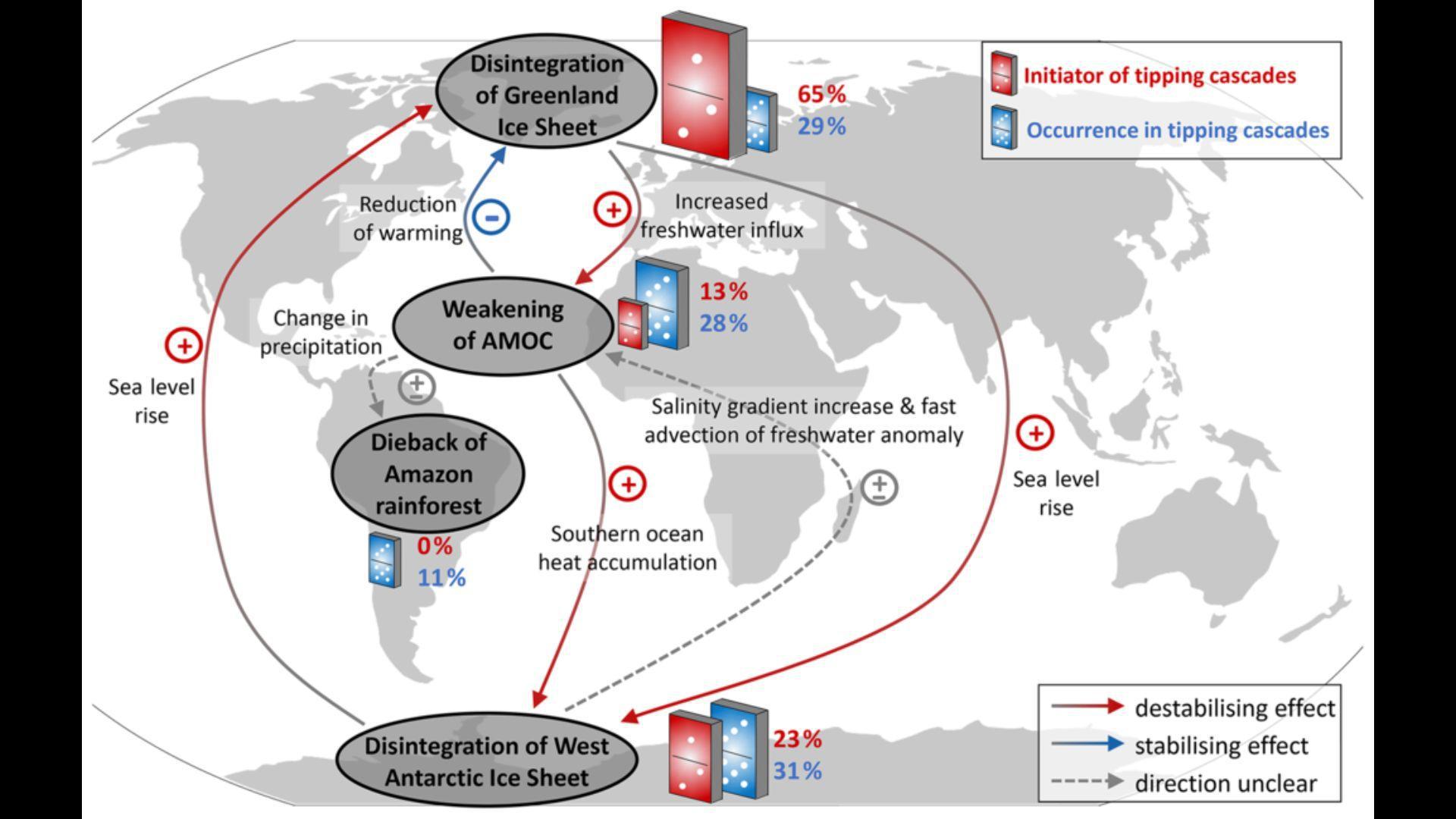
It has now become apparent that climate change could drastically weaken or even completely collapse the AMOC in the all-too-near future.
Rising air and ocean temperatures, as well as the ever-increasing freshwater influx from melting ice sheets in the Arctic, are changing the way the AMOC functions. Many scientists believe this could have significant effects on not just the planet, but the people who live on it as well, in just a few decades.
What Will Happen If the AMOC Collapses?
As the AMOC is clearly slowing down, several scientists have explained just what will mean for the planet.
The first dilemma will likely be that coastal areas in Northwestern Europe, and eventually the entire continent, will become much colder. The second is that the rainforests of the southern hemisphere would see significantly less rainfall. Last but certainly not least, the sea level along the coasts of the Atlantic could rise by tens of centimeters.
Some Say the AMOC Is Less Than 10 Years Away From Collapse
As with any scientific finding, there is a great deal of debate going on among experts as to exactly what will happen to the AMOC and, more importantly, when it will happen.
Some say there is not enough evidence to say for sure when the AMOC will weaken to the point of collapse and the world will experience these dangerous consequences. But others argue it could happen within the next 10 years.
The AMOC Is Already Much Weaker Than It Once Was
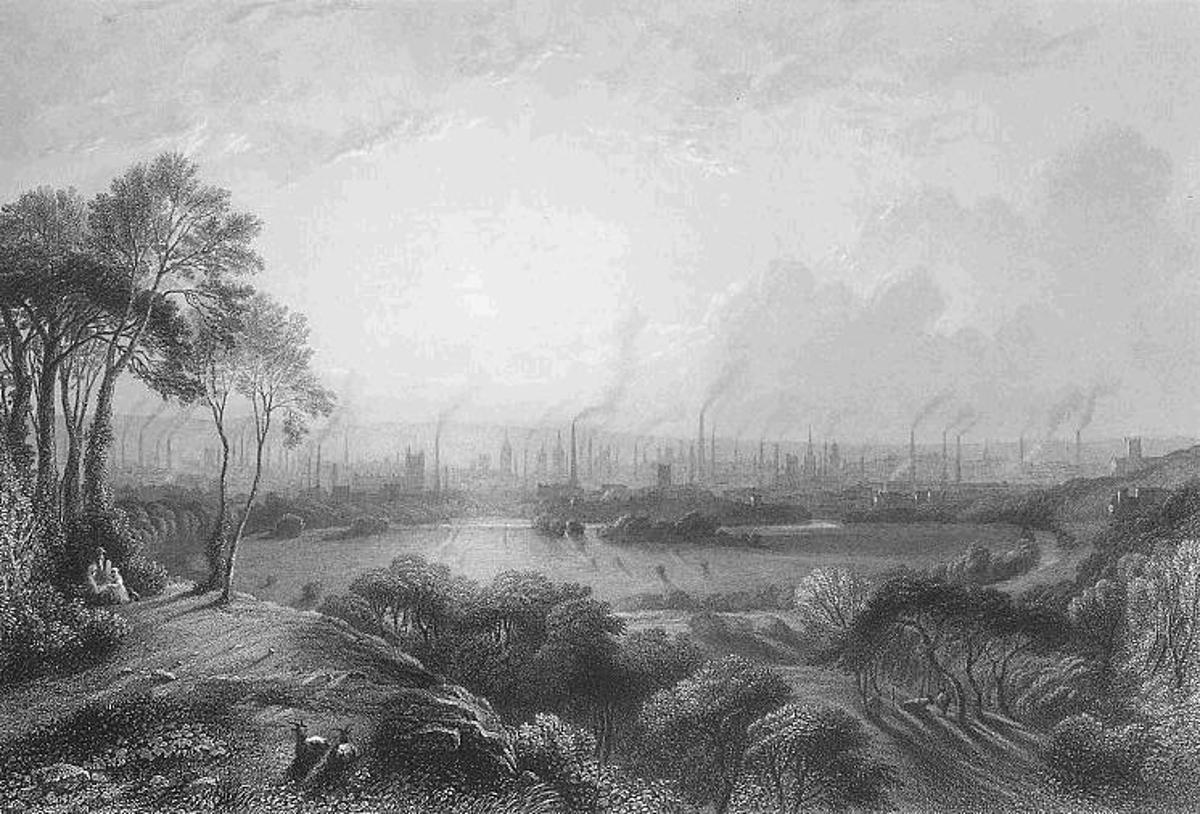
It’s important to understand that those studying the AMOC know with 100% certainty the essential current system is already much weaker than it was just a few hundred years ago.
According to the research, the AMOC is far less powerful than it was in the first half of the 18th century before the Industrial Revolution. And if the currents continue to weaken at the rate they have been for the past 250-odd years, there will undoubtedly be a “point of no return.”
The AMOC Has Collapsed Before
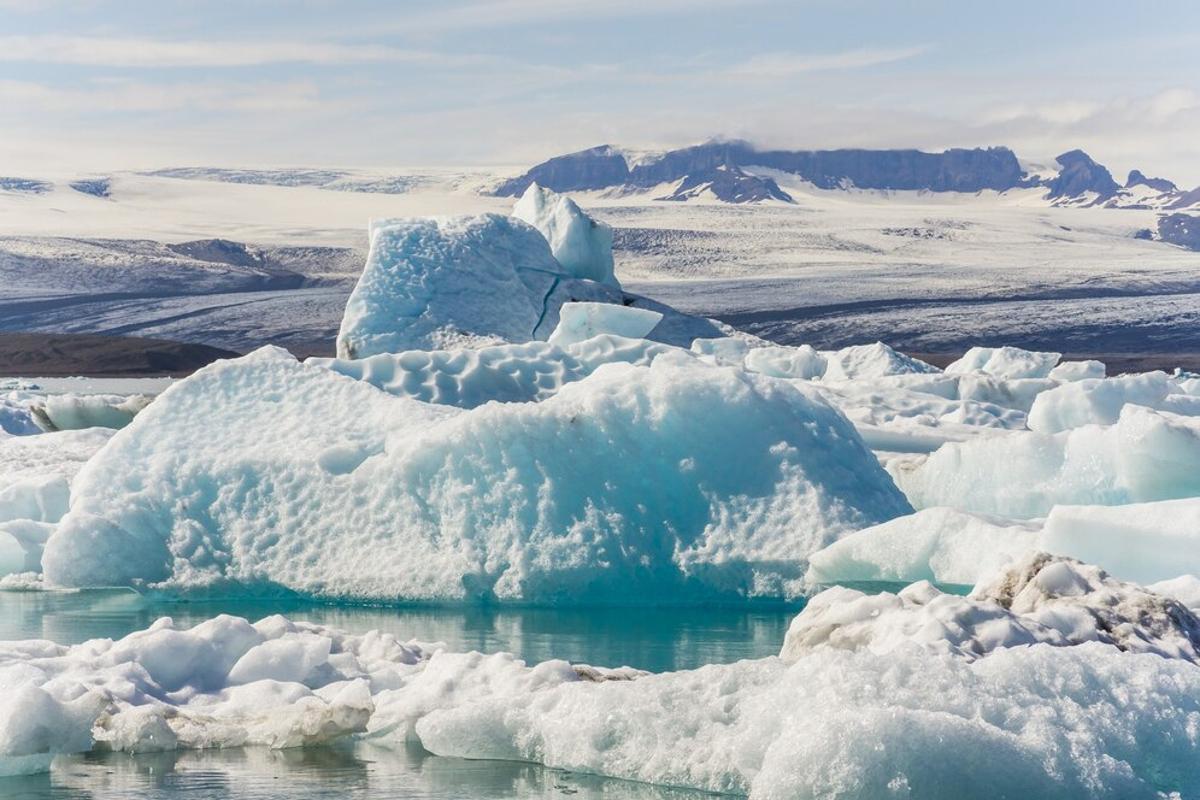
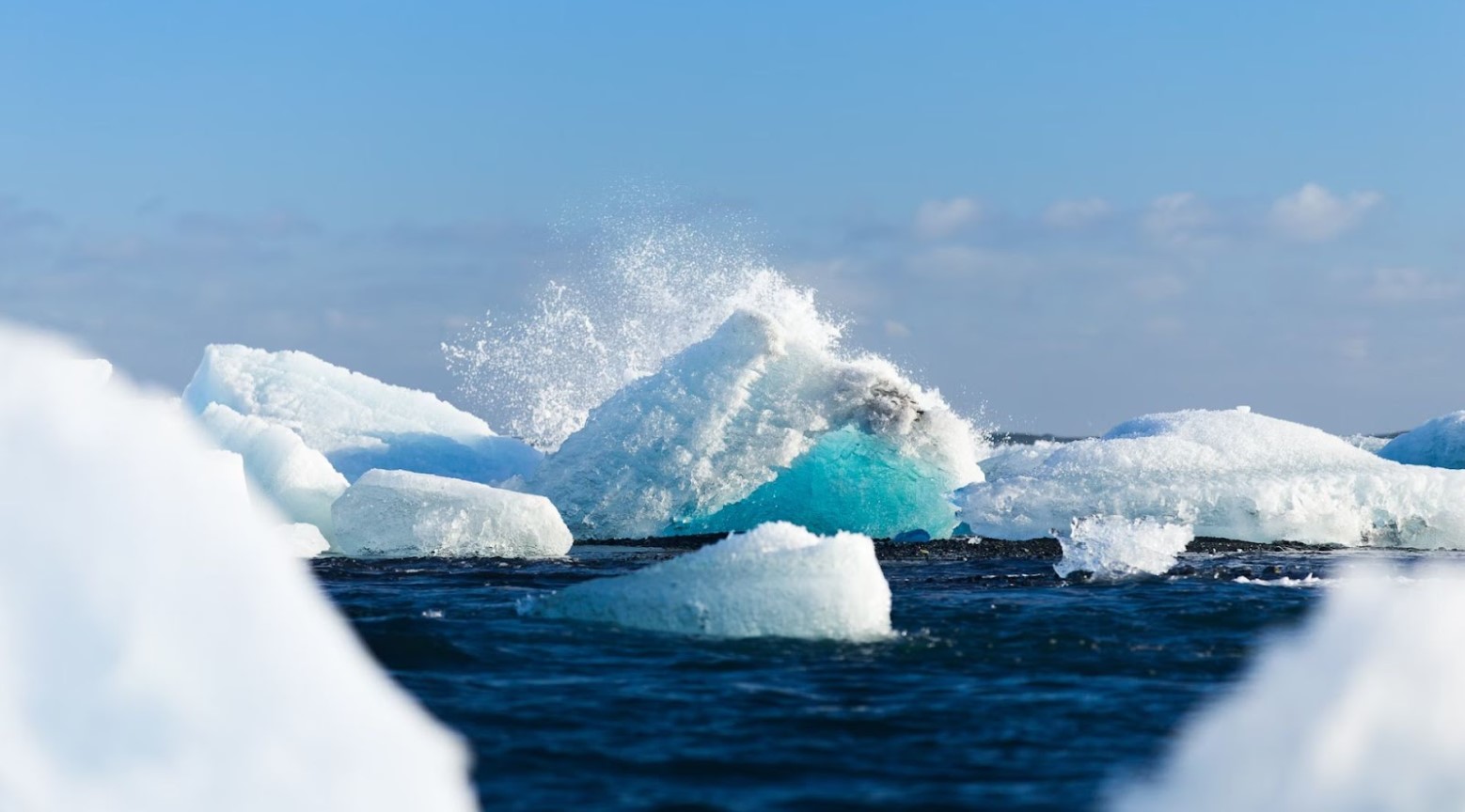
Thanks to detailed research, scientists know that the AMOC has collapsed before, resulting in a 1,000-year-long ice age. About 12,900 years ago, a giant frozen lake called Lake Agassiz melted completely and spilled an incredible amount of freshwater into the ocean.
Scientists believe this one event led to the frozen period known as the Younger Dryas, during which the continents of North America and Europe were all but covered in ice.
How Can the World Be Getting Both Warmer and Colder?
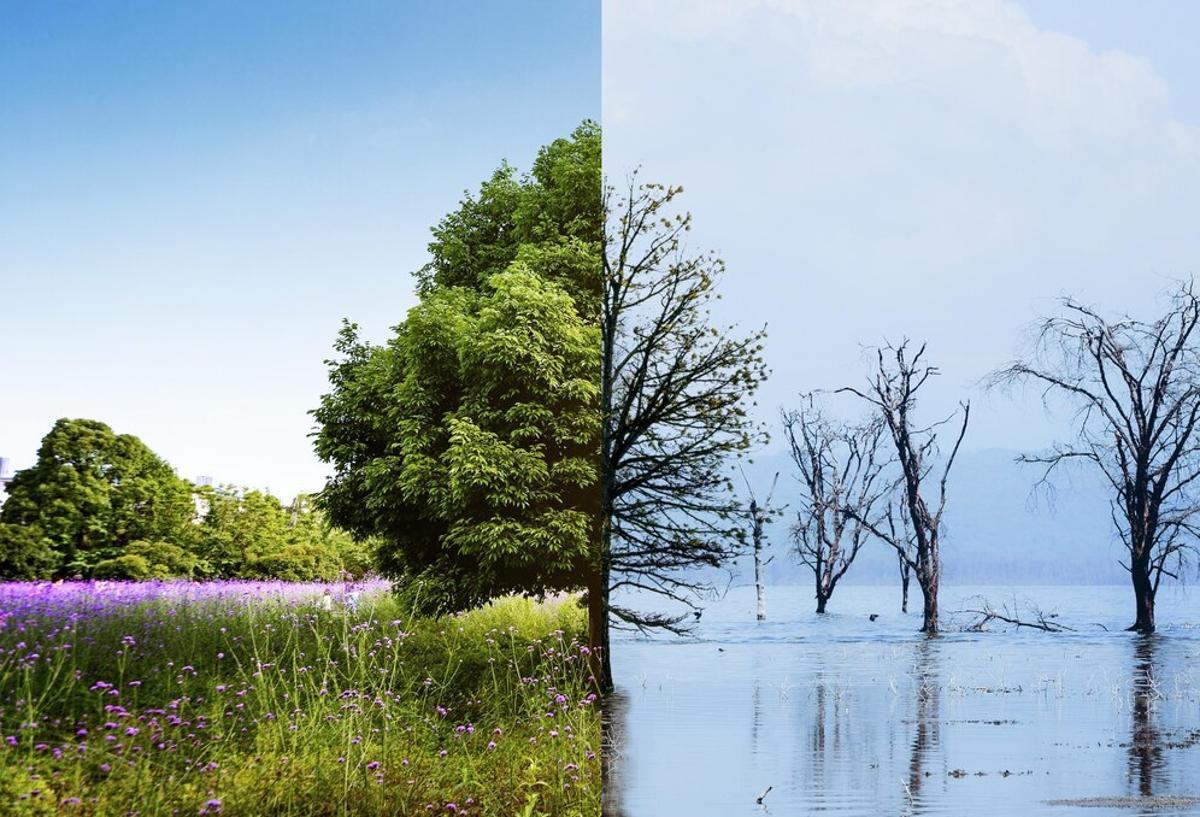
For years, scientists have been warning people that the Earth will get warmer and warmer as the climate changes, rendering the planet uninhabitable for human beings. But now, they’re saying that if the AMOC collapses, the world will become too cold, not too hot.
Although these may seem like contradicting theories, the bottom line is the same: Climate change is affecting the planet’s natural rhythms and will eventually cause drastic changes in land structure, temperature, and even life itself.
Is There a Way to Save the AMOC From Collapse?

Luckily, the solution to both the planet's overheating and overcooling is the same. Humans need to step up and reduce or even eliminate greenhouse gas emissions as soon as possible.
Otherwise, the planet will look entirely different sooner rather than later, either because of an ice age caused by the AMOC collapse or extreme weather and heat, and both are equally terrifying.