Questions About the Foundation of the United States That Most People Get Wrong
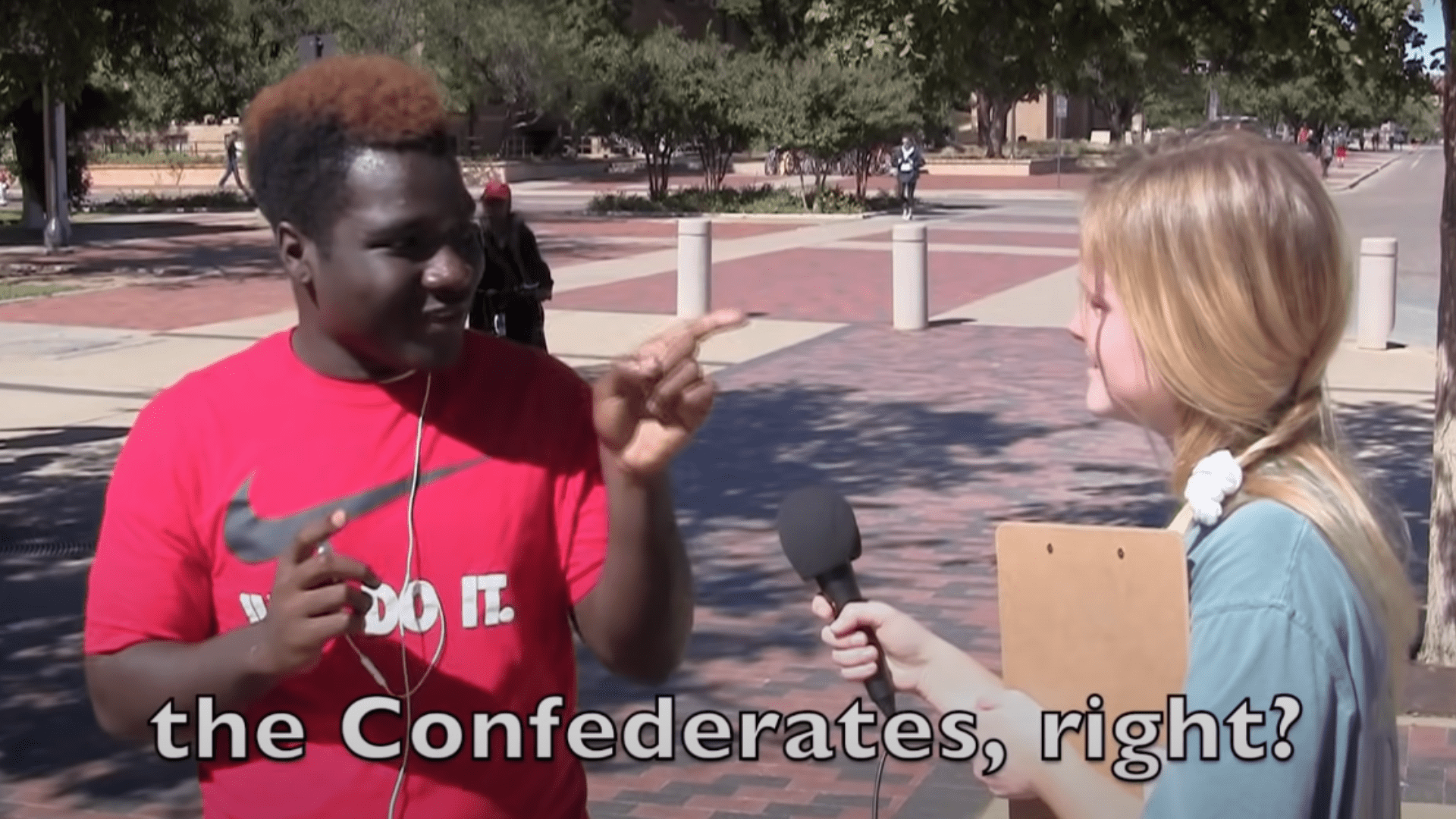
Last year, PoliTech, a student group at Texas Tech University, conducted a survey on campus, asking basic questions about American history and current affairs. Surprisingly, many students struggled to answer questions like "Who won the Civil War?" and "Who is our vice president?"
This lack of historical knowledge isn't limited to college students. Studies have consistently shown that Americans of all ages struggle with basic civic knowledge. For instance, a 2008 study by the Intercollegiate Studies Institute revealed that only half of adults could name the three branches of government. Similarly, the 2014 National Assessment of Educational Progress found that a small percentage of 8th graders were proficient in U.S. History and Civics.
1. The United States is a democracy.
A) True B) False
Answer:
False. American governance has long been a complex interplay of democratic and non-democratic elements. John Adams advocated for a "mixed" form of government, blending monarchy, aristocracy, and democracy. The federal Constitution, according to many founders including Adams, established a "republic," emphasizing the rule of law over individuals. The Electoral College also diminishes direct voter influence in presidential elections, as seen in the contentious 2000 election between George W. Bush and Al Gore.
2. Which of the following words are part of the Declaration of Independence?
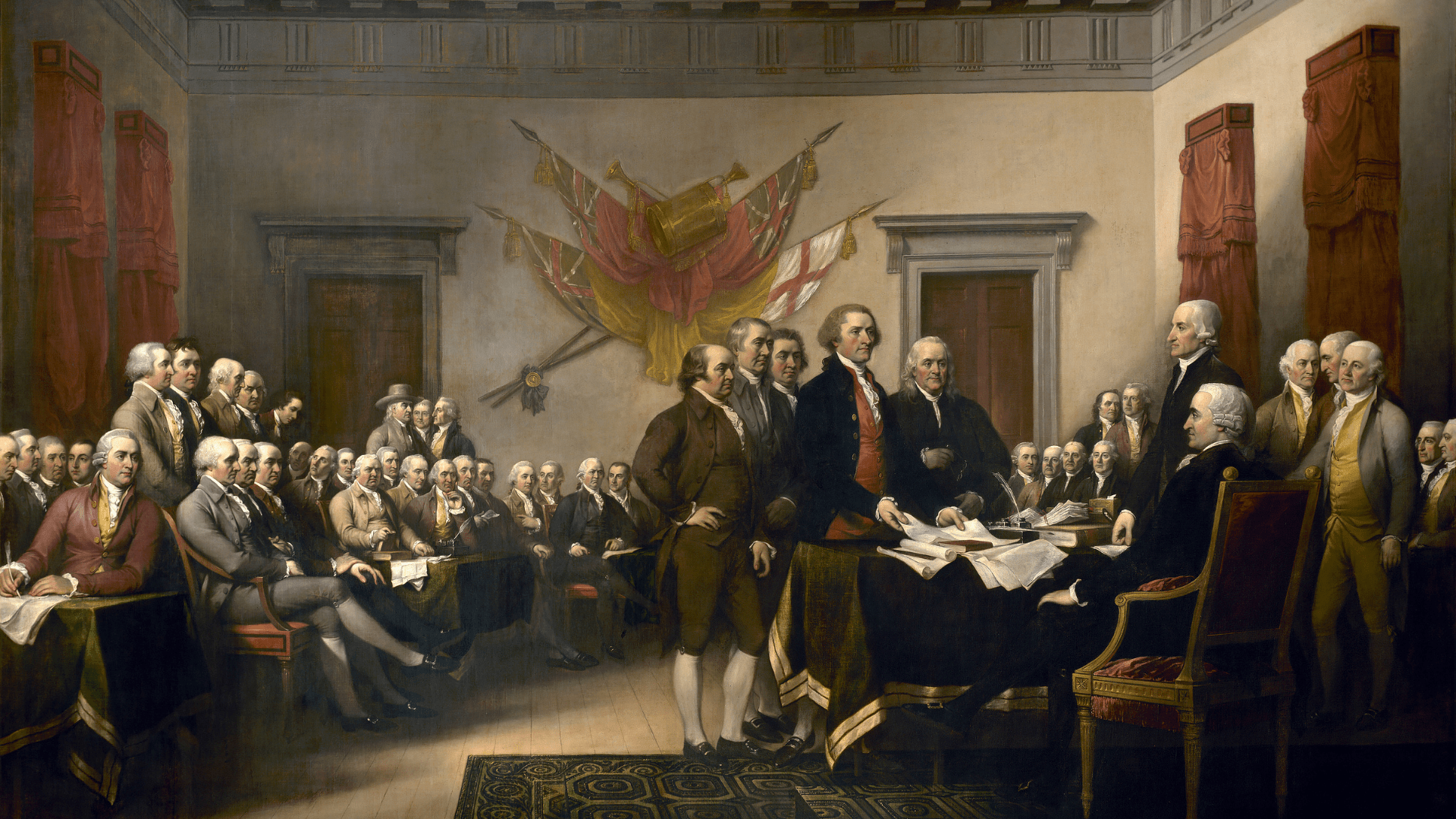
A) "They are endowed by the Creator with certain unalienable rights, that among these are the right to life, liberty, and the pursuit of happiness" B) "All persons born or naturalized in the United States are citizens of the United States" C) "No soldier shall, in times of peace, be quartered in any house, without the consent of the owner" D) "Congress shall make no law respecting an establishment of religion or prohibiting the free exercise thereof"
Answer:
A) "They are endowed by the Creator with certain unalienable rights, that among these are the right to life, liberty, and the pursuit of happiness"
3. Which action would be protected by the First Amendment?

A) A reporter publishes an article critical of city officials. B) A man on trial refuses to testify against himself. C) A woman asks to see a lawyer before answering questions from the police. D) A family refuses to permit soldiers to be housed in their home.
Answer:
A) A reporter publishes an article critical of city officials.
4. Which statement describes a limitation on government action established by the Bill of Rights?

A) Congress controls interstate commerce. B) The President shares control over foreign policy with Congress. C) The Supreme Court can declare acts of Congress unconstitutional. D) Government officials cannot enter a home without the owners permission or a valid search warrant.
Answer:
D) Government officials cannot enter a home without the owners permission or a valid search warrant.
5. Which principle was adopted in the US Constitution to ensure that no one branch of the federal government became too powerful?
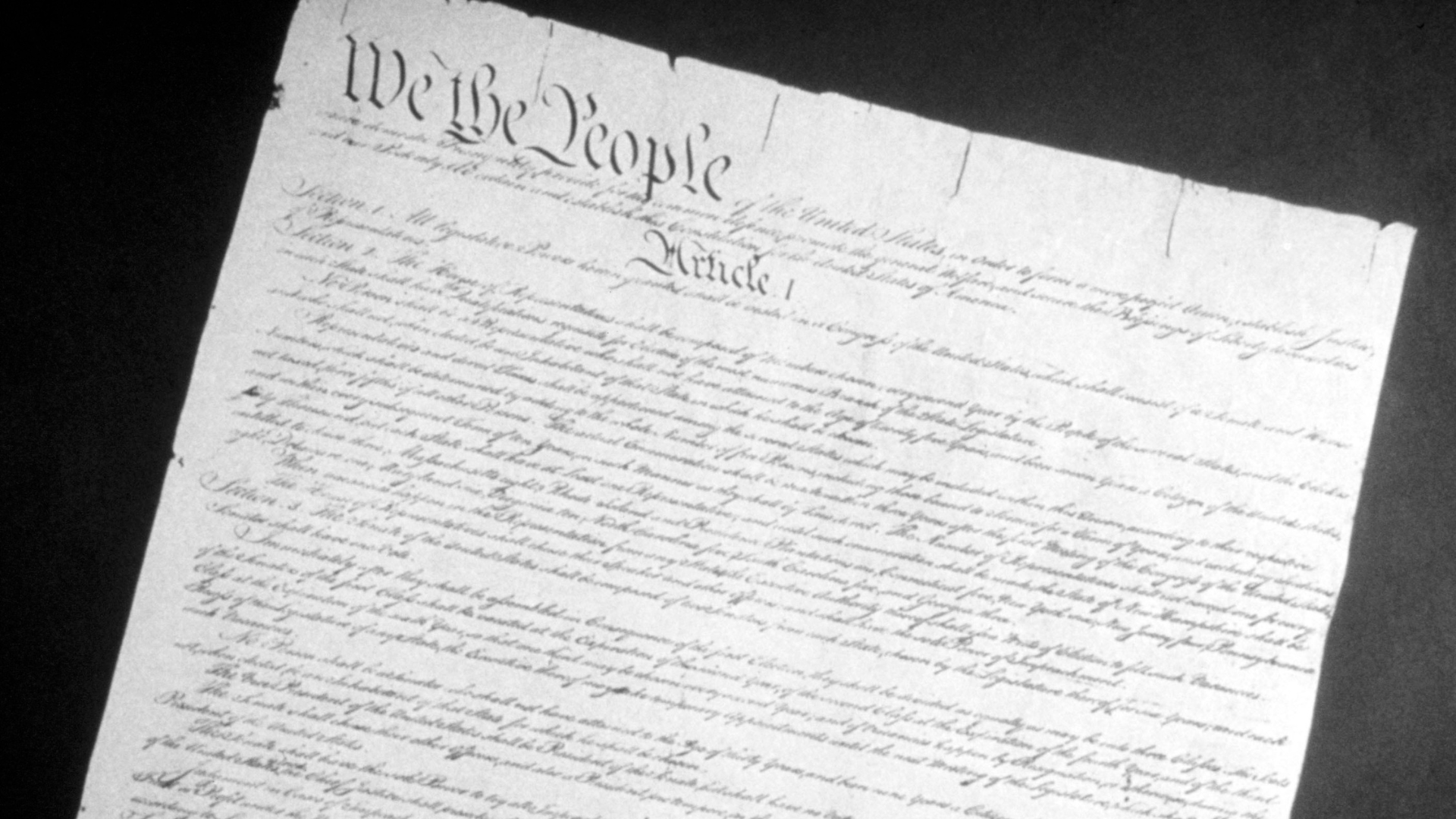
A) Republican government B) Popular sovereignty C) Judicial review D) Checks and balances
Answer:
D) Checks and balances
5. Who was Alexis de Tocqueville?
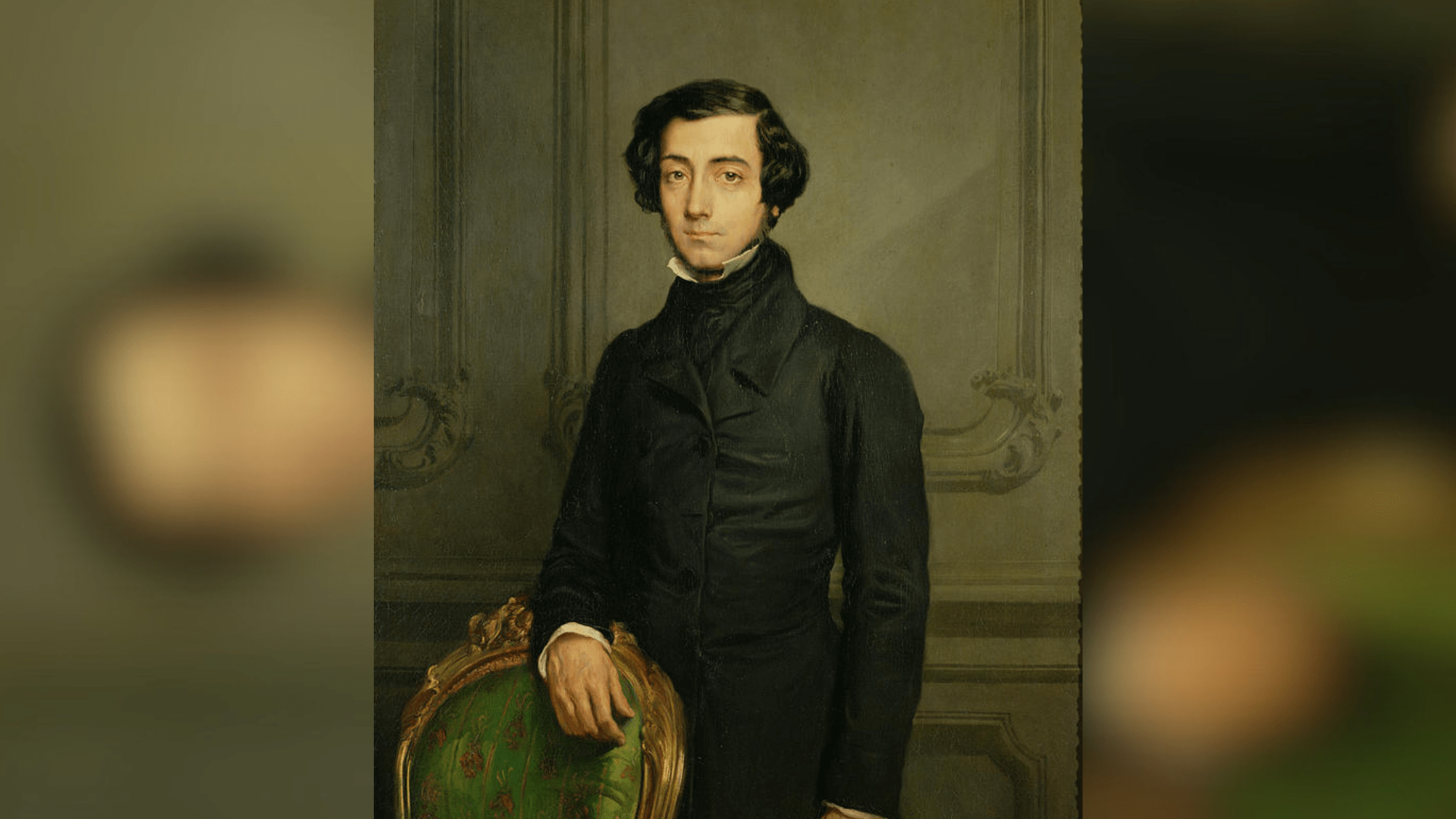
A) A member of the Continental Congress B) An early mayor of Boston C) An important French author who analyzed U.S. politics and society D) A Frenchman who befriended George Washington
Answer:
C) An important French author who analyzed U.S. politics and society. Alexis de Tocqueville (1805–1859) was a multifaceted figure in French history, renowned for his contributions as an aristocrat, diplomat, sociologist, political scientist, philosopher, and historian. His profound insights and writings continue to shape political thought and social analysis. One of his most significant works is Democracy in America (1835), where he delved into the political and social landscape of the United States during the early 19th century. Through this book, Tocqueville provided invaluable observations on democracy, individualism, and the pivotal role of civil society, which remain relevant in contemporary discourse.
6. Which branch of government established in the original US Constitution was designed to be elected directly by citizens?
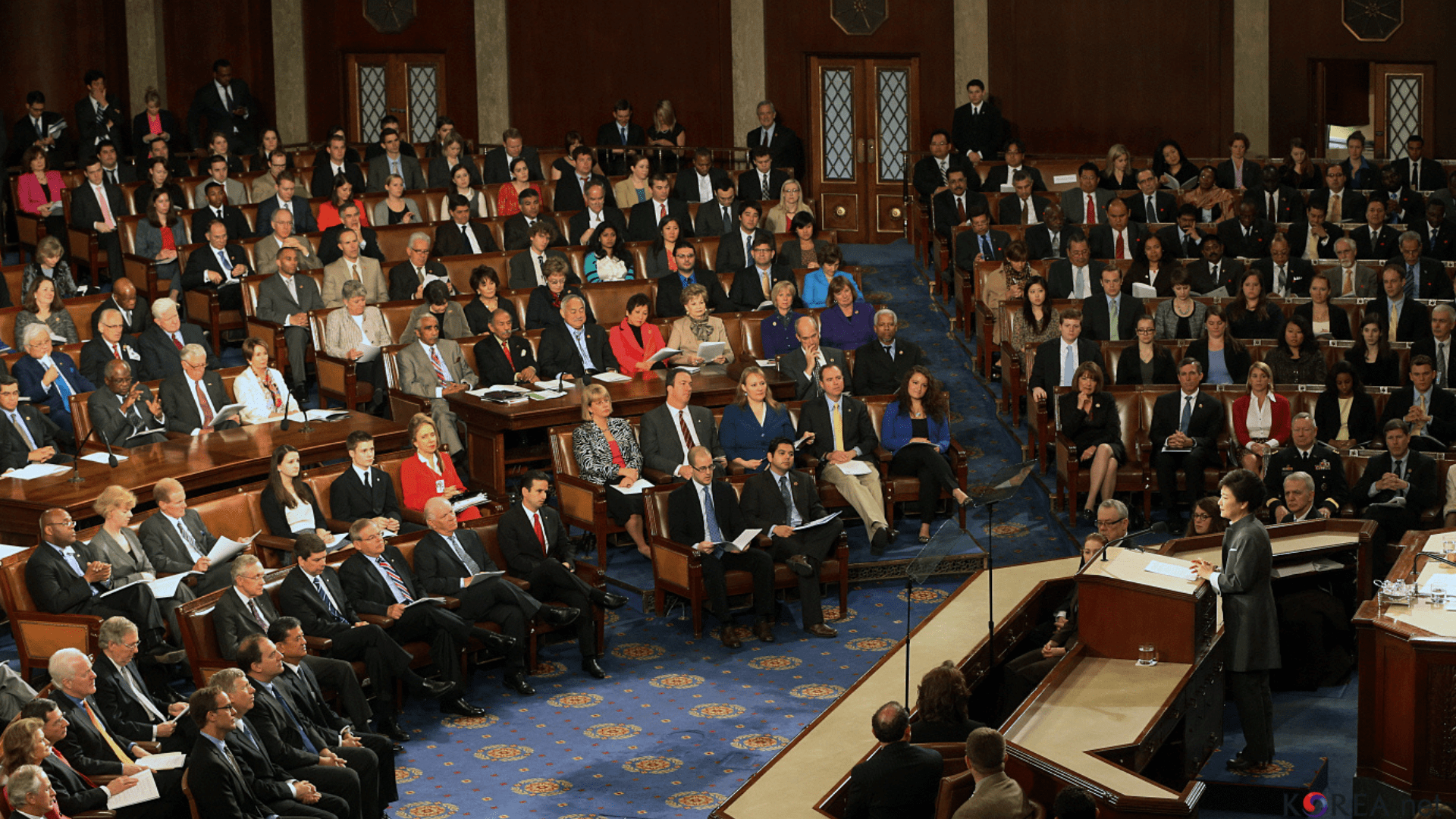
A) President B) Supreme Court C) House of Representatives D) The President's Cabinet
Answer:
C) House of Representatives
7. Under the federal system, the final authority is the _______________. It is also called the “supreme law of the land.”
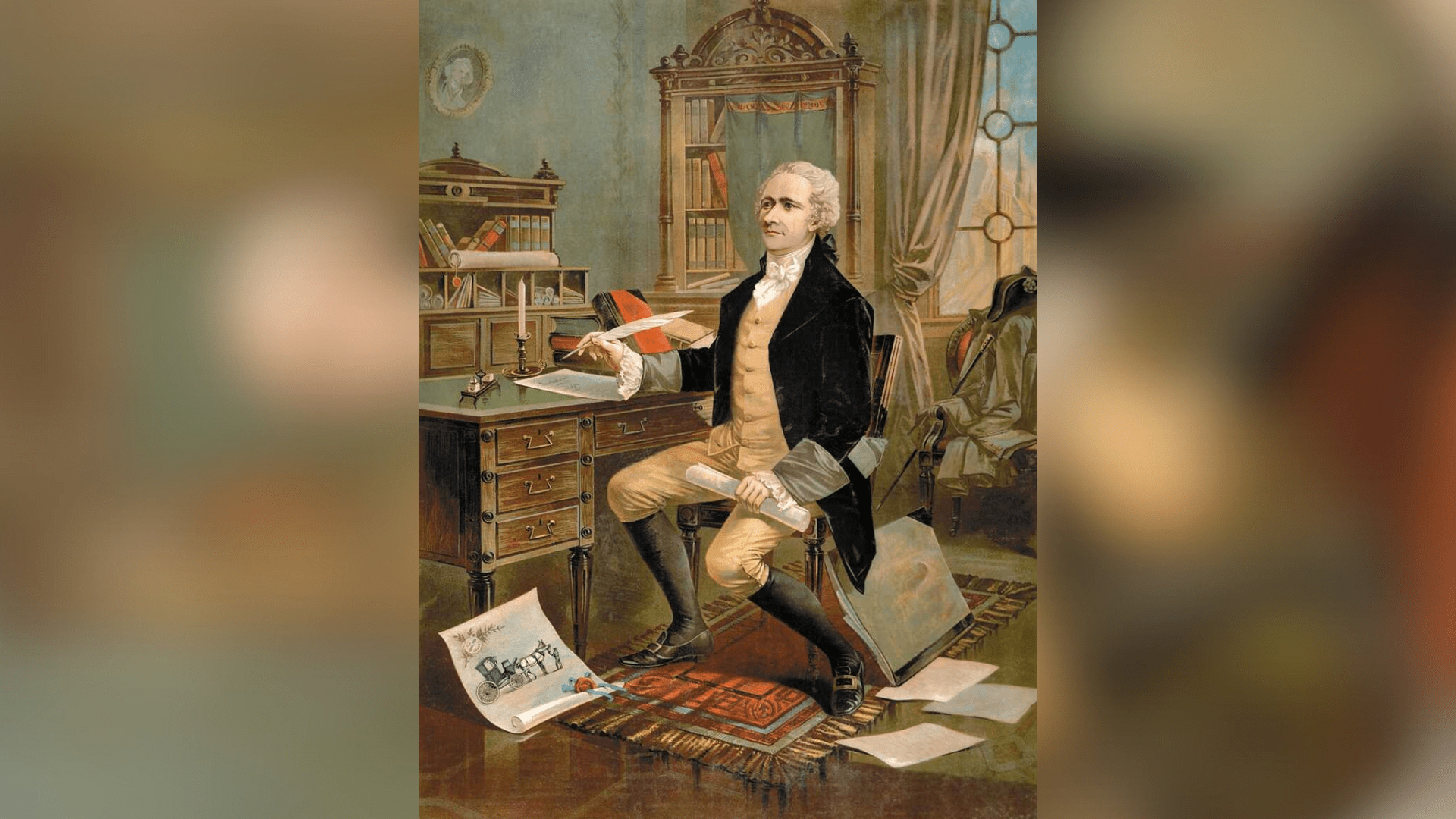
A) president B) court system C) Constitution D) states
Answer:
C) Constitution
8. How many Branches of Government do we have in the US?
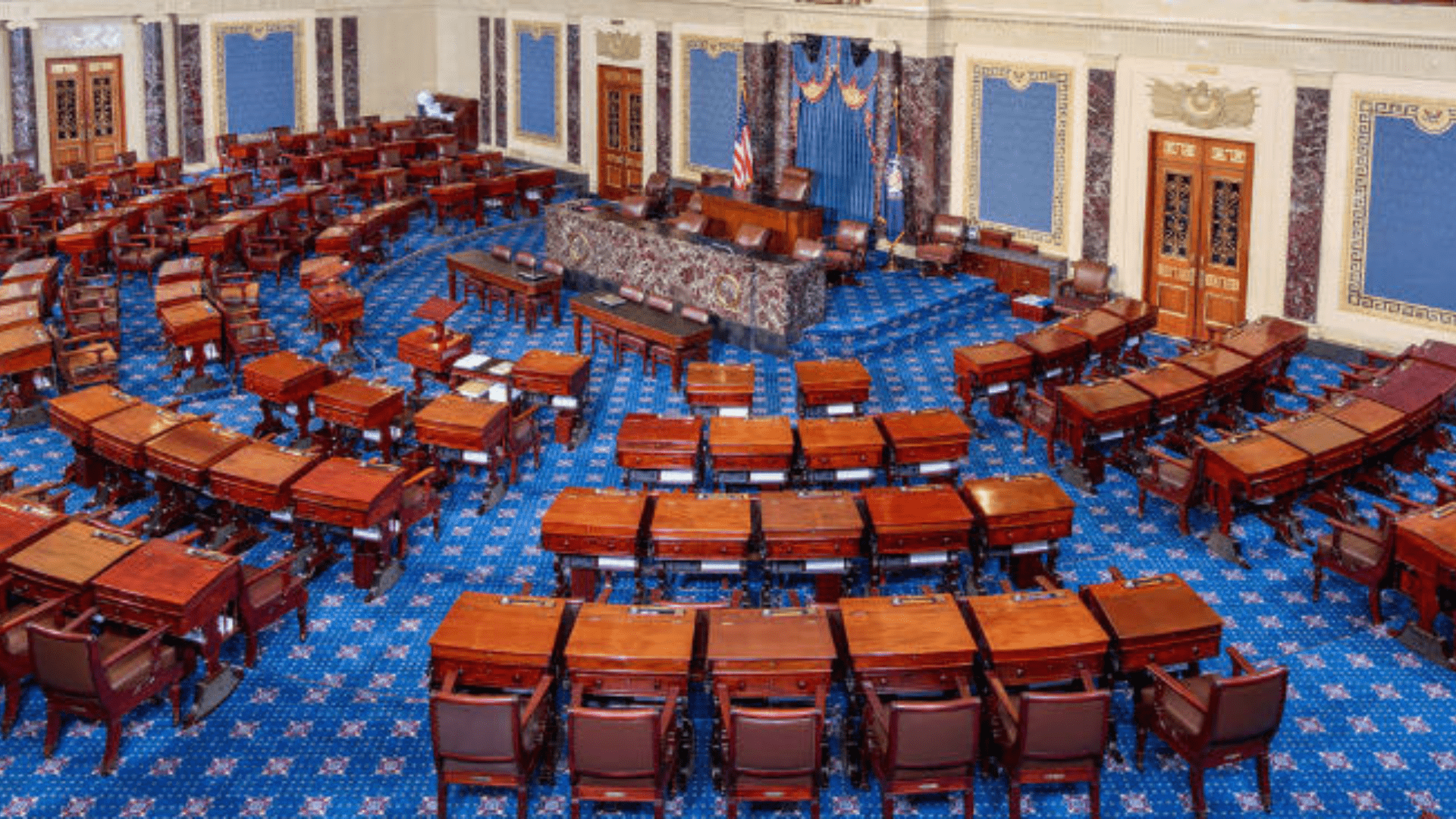
A) 1 B) 2 C) 3 D) 4
Answer:
C) 3
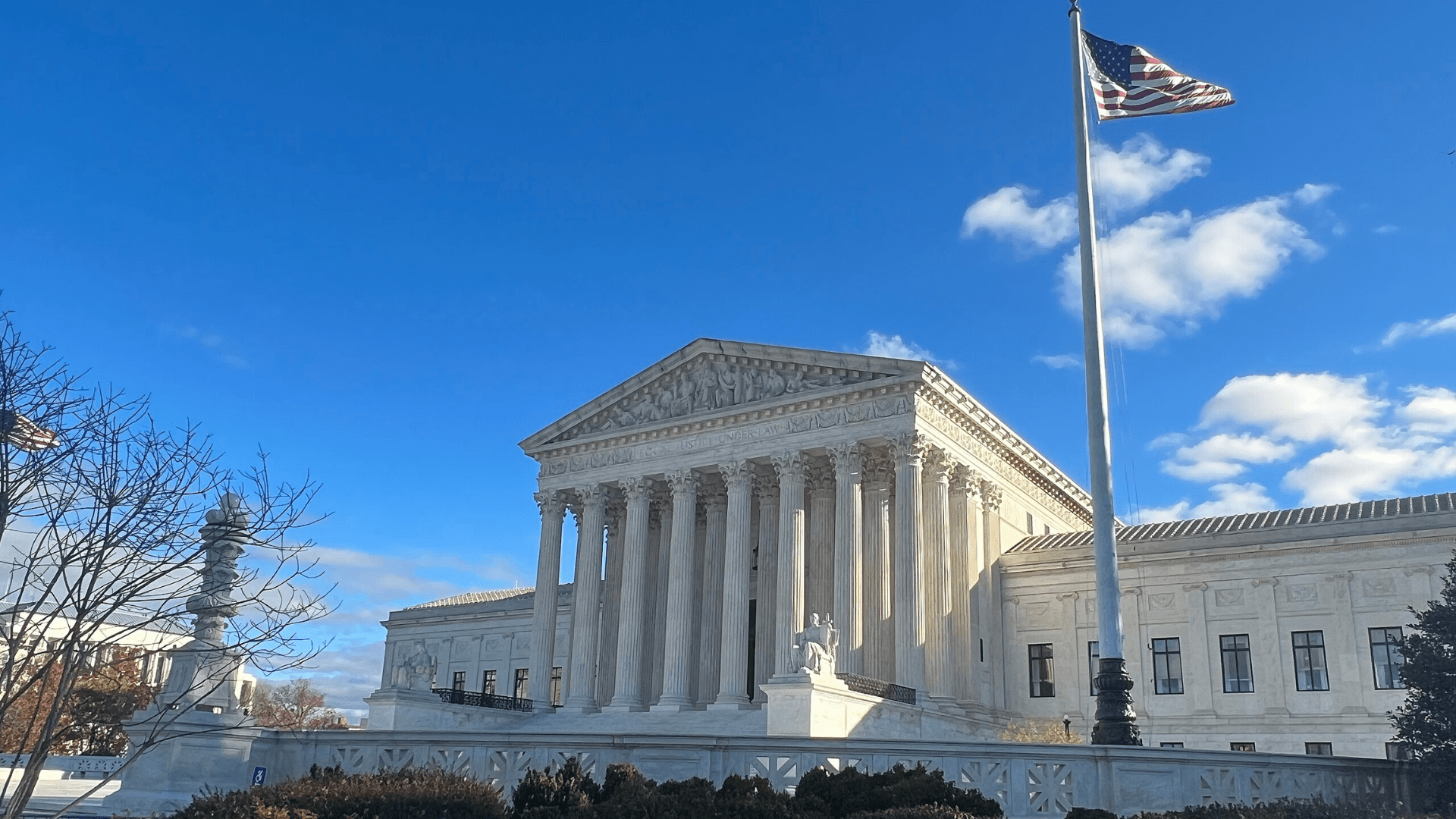
9. Which branch of government interprets the law?
A) Executive B) Judicial C) Legislative D) Presidential
Answer:
B) Judicial
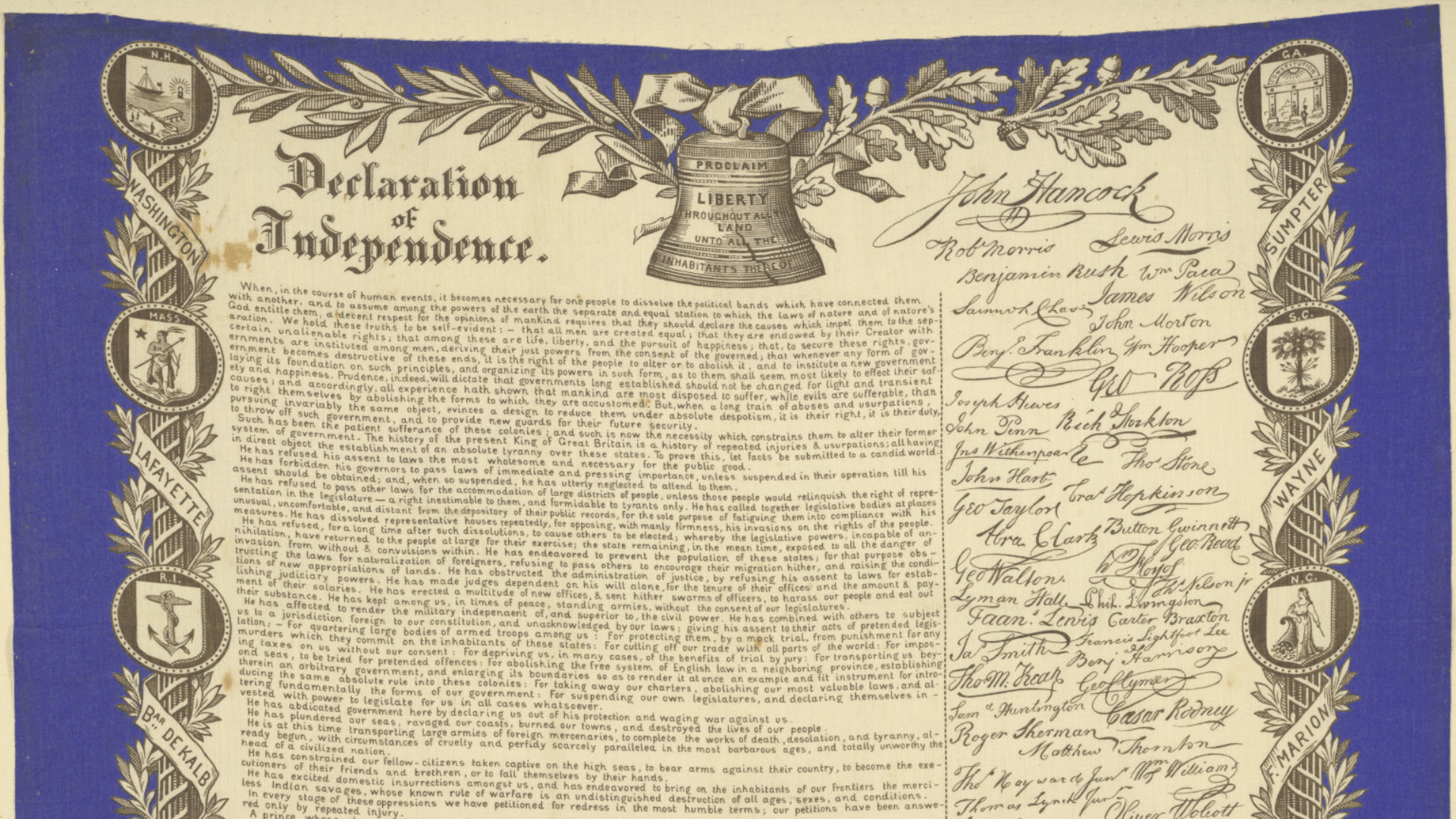
10. Who was the author of the Declaration of Independence?
A) George Washington B) Andrew Jackson C) Abraham Lincoln D) Thomas Jefferson
Answer:
D) Thomas Jefferson
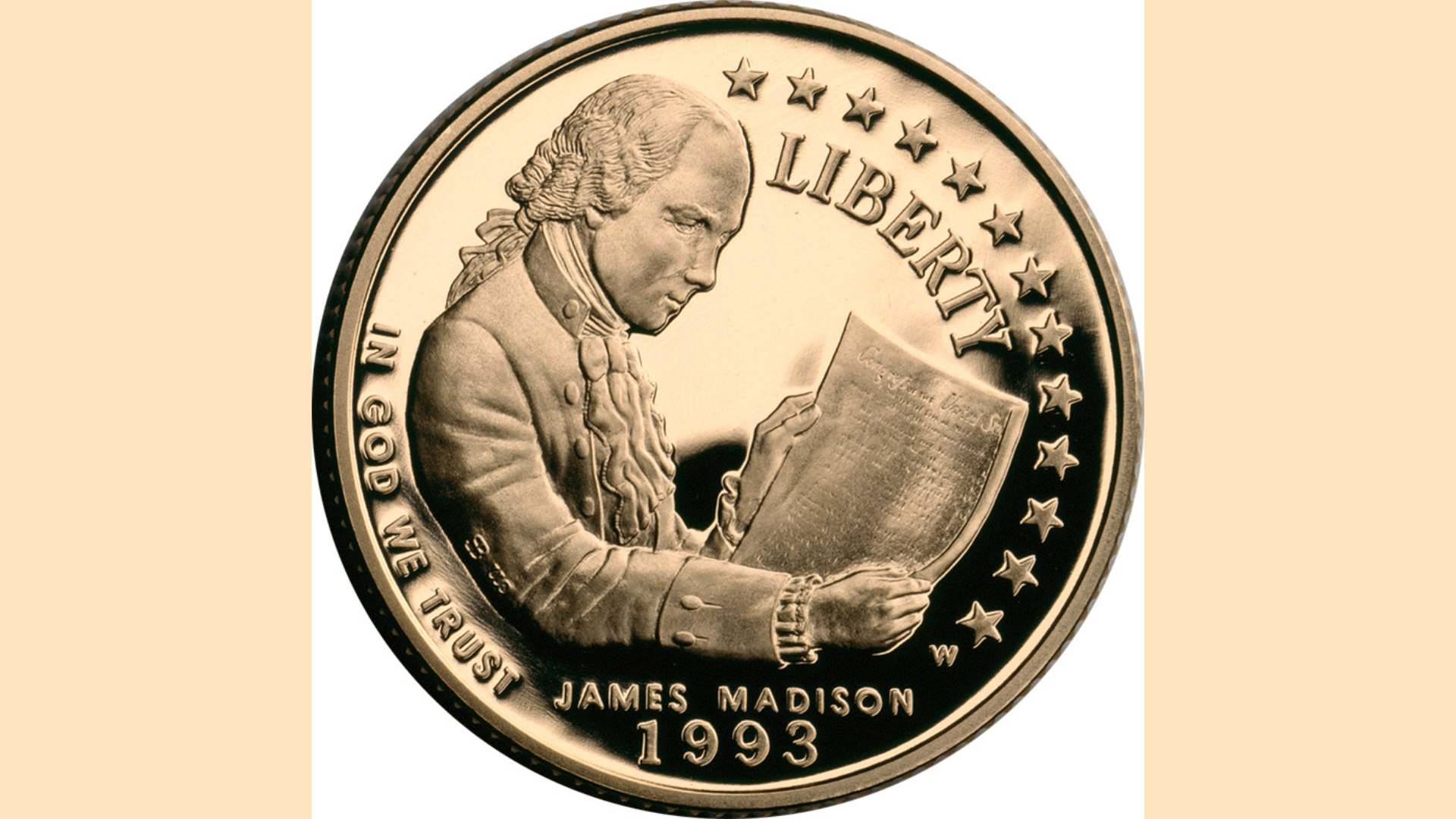
11. The first 10 Amendments to the U.S. Constitution guarantee what principle?
A) Federalism B) Individual rights C) Separation of powers D) Popular sovereignty
Answer:
B) Individual rights
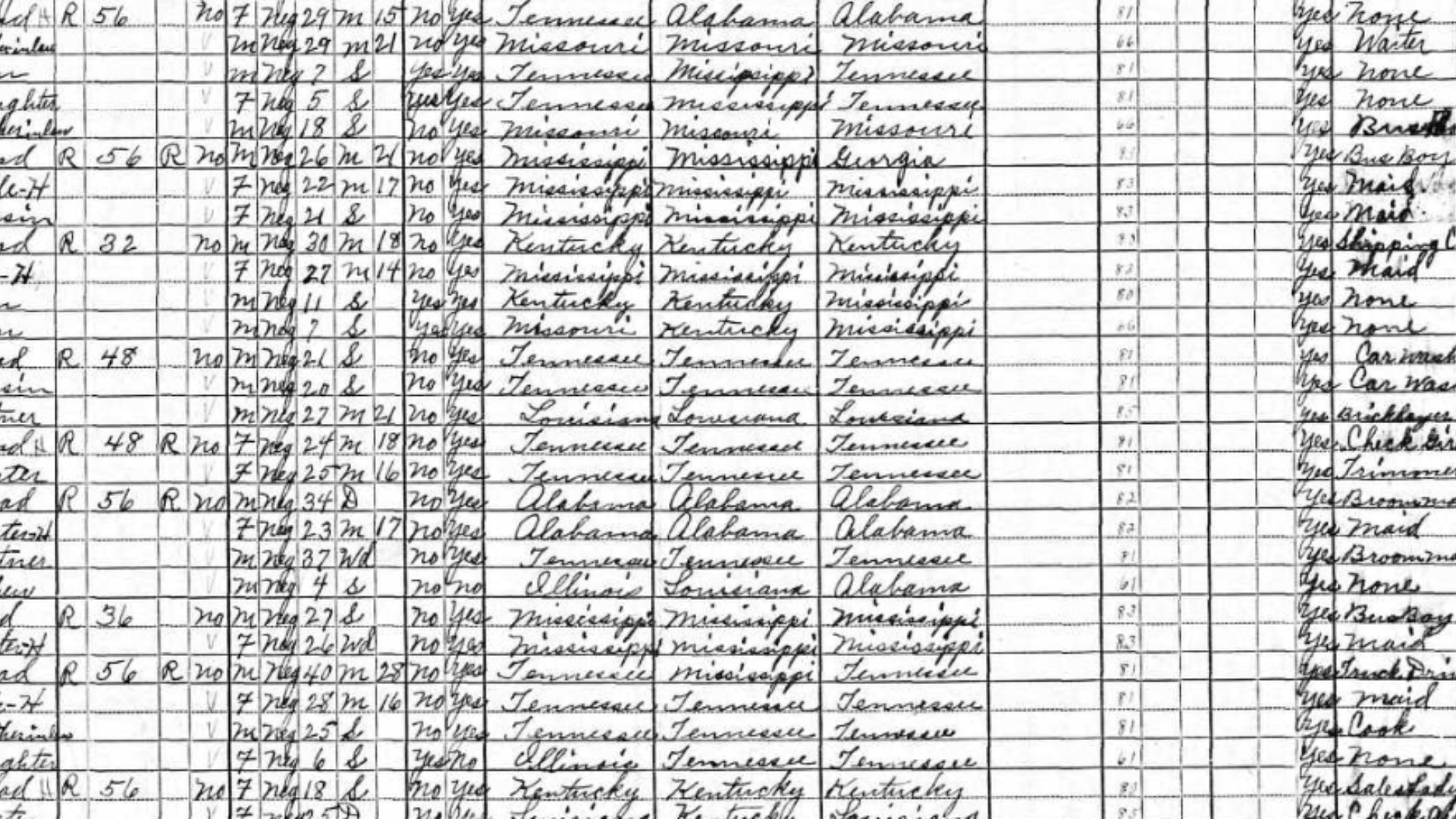
12. What is a population count called?
A) Censorship B) Census C) Citizenship
Answer:
B) Census
13. To establish and maintain public schools is which government's responsibility?

A) State B) National C) Both
Answer:
A) State
14. Which amendment speaks to privacy of person?

A) 4th Amendment B) 6th Amendment C) 12th Amendment D) 11th Amendment
Answer:
A) 4th Amendment
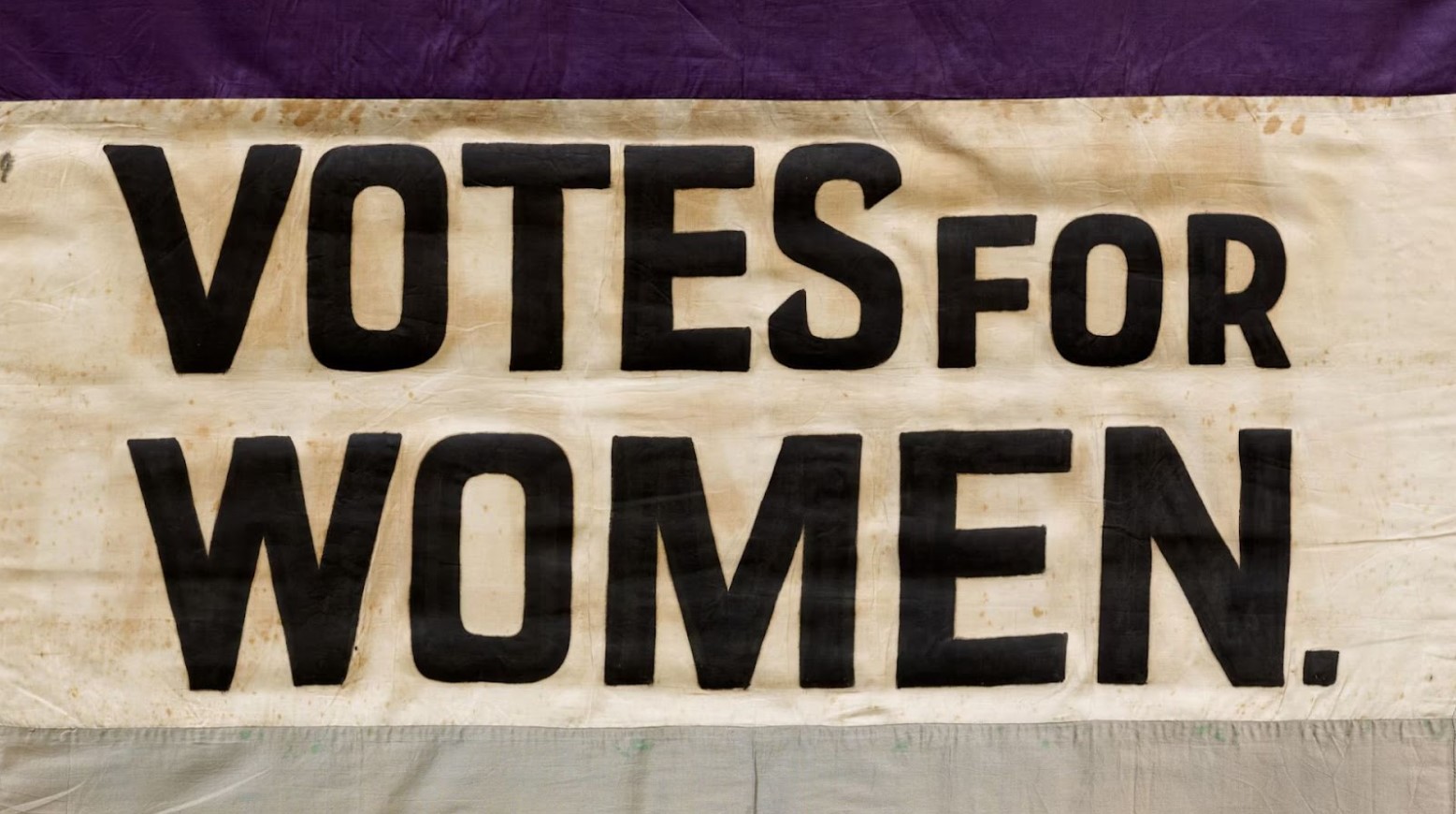
15. Which amendment allows women of age to vote?
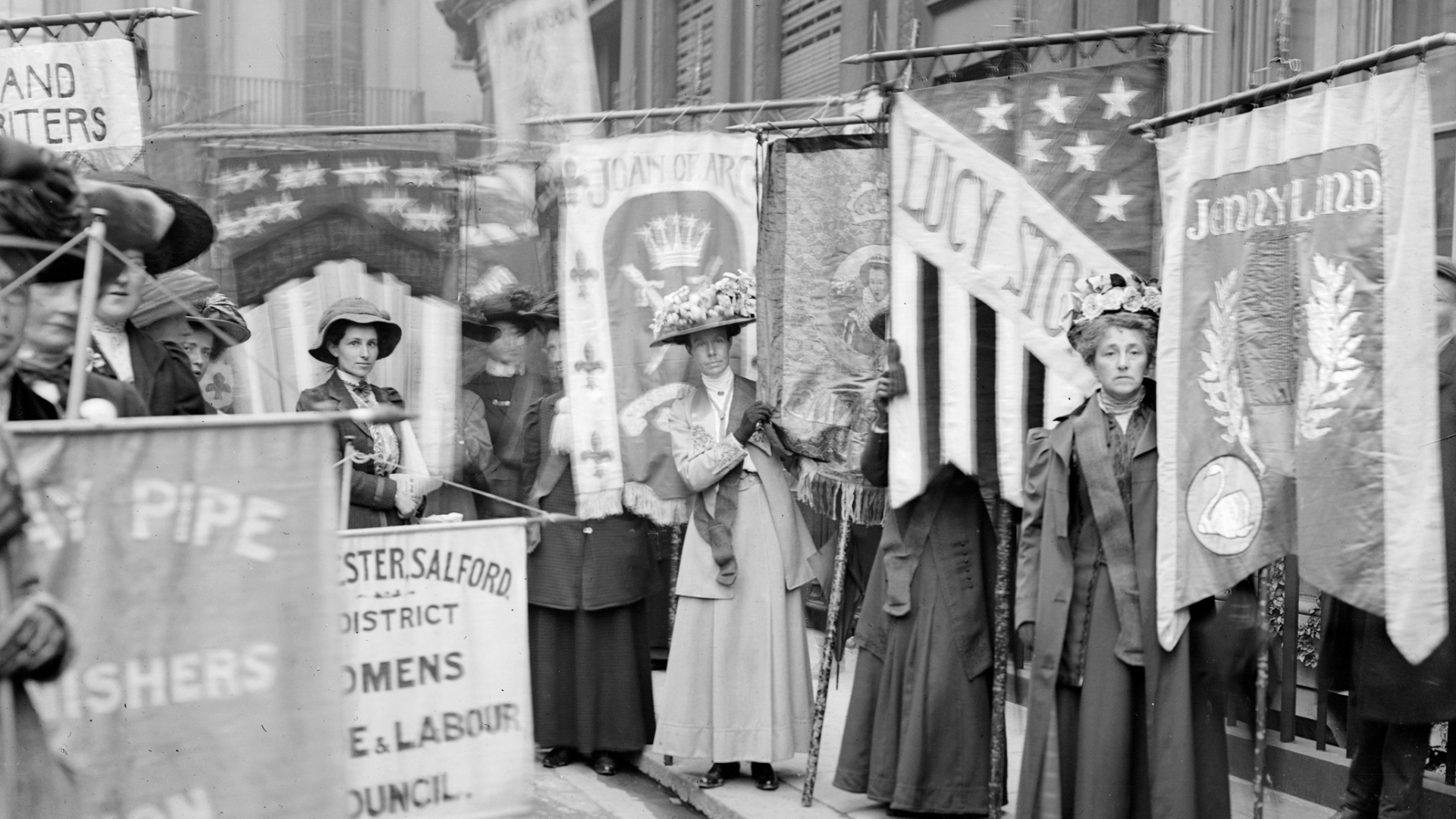
A) 22nd Amendment B) 19th Amendment C) 13th Amendment D) 1st Amendment
Answer:
B) 19th Amendment