New Images Reveal the Exciting Return of the Wild Jaguar in the U.S.
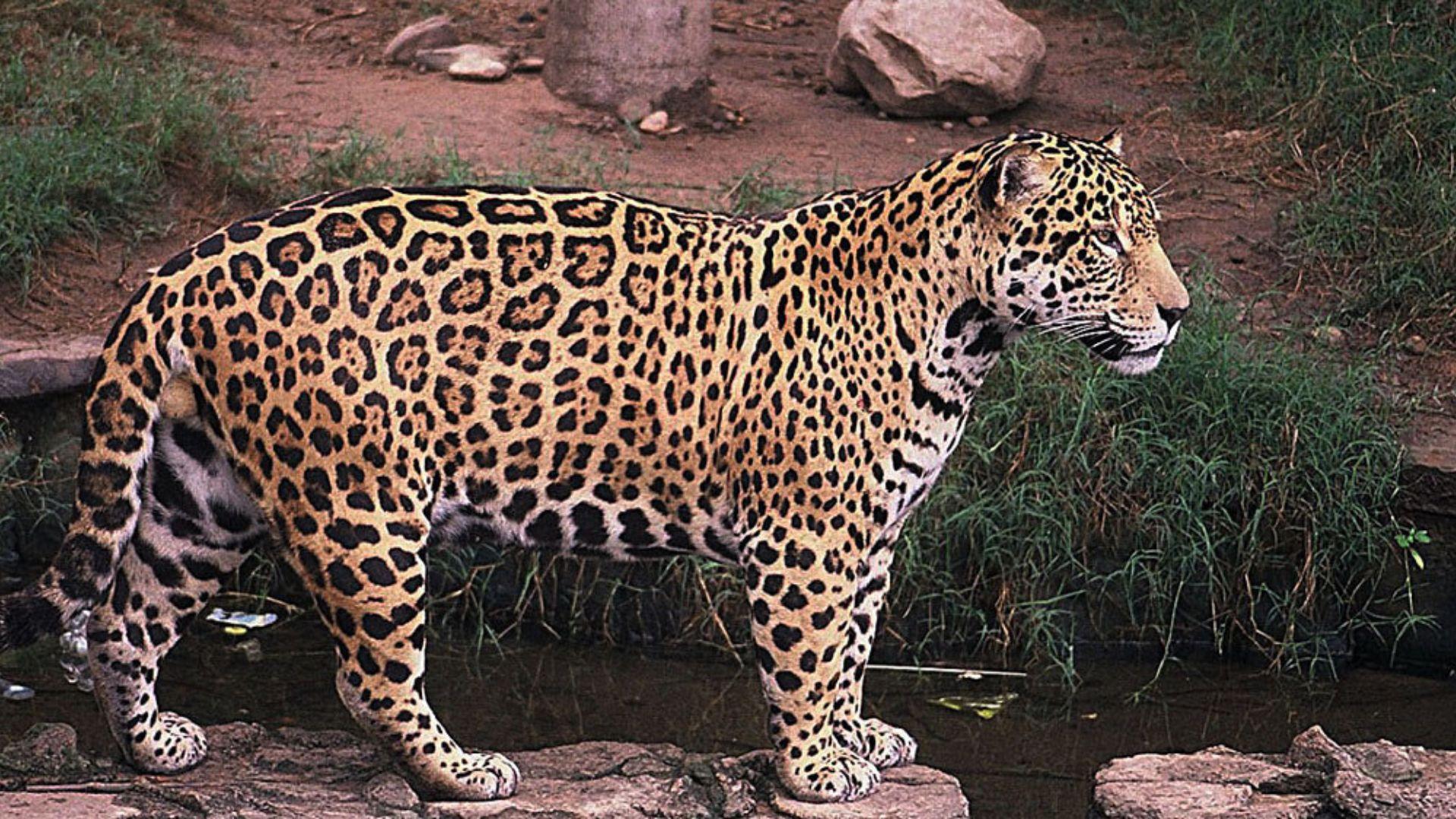
Recent sightings have ignited discussions about the return of wild jaguars to the United States, specifically in New Mexico and Arizona.
These observations suggest that, despite significant challenges, the population of these big cats may be increasing in these areas. However, there are concerns that the construction of the border wall under Trump's administration could impede their progress and affect their natural habitat and migration patterns.
Rare Sighting in Southern Arizona
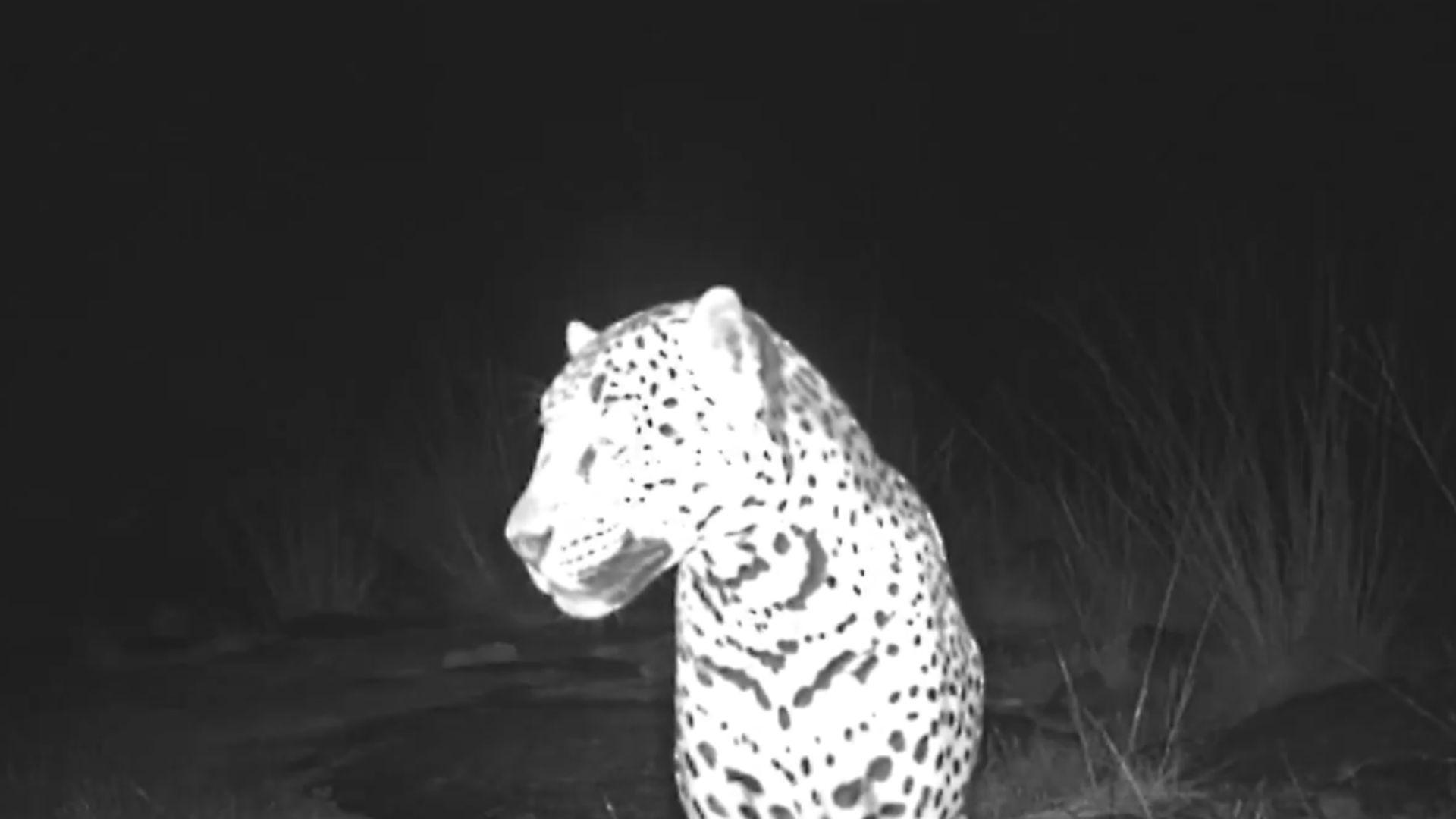
In an exciting development for wildlife enthusiasts and researchers, a juvenile male jaguar was captured on trail cameras within the Sierra Vista Ranger District of Arizona's Coronado National Forest.
This sighting fuels hope that the jaguar population might be re-establishing itself in the U.S. after years of decline, due to habitat loss and other human activities.
Jaguar Range Extends into Arizona and New Mexico
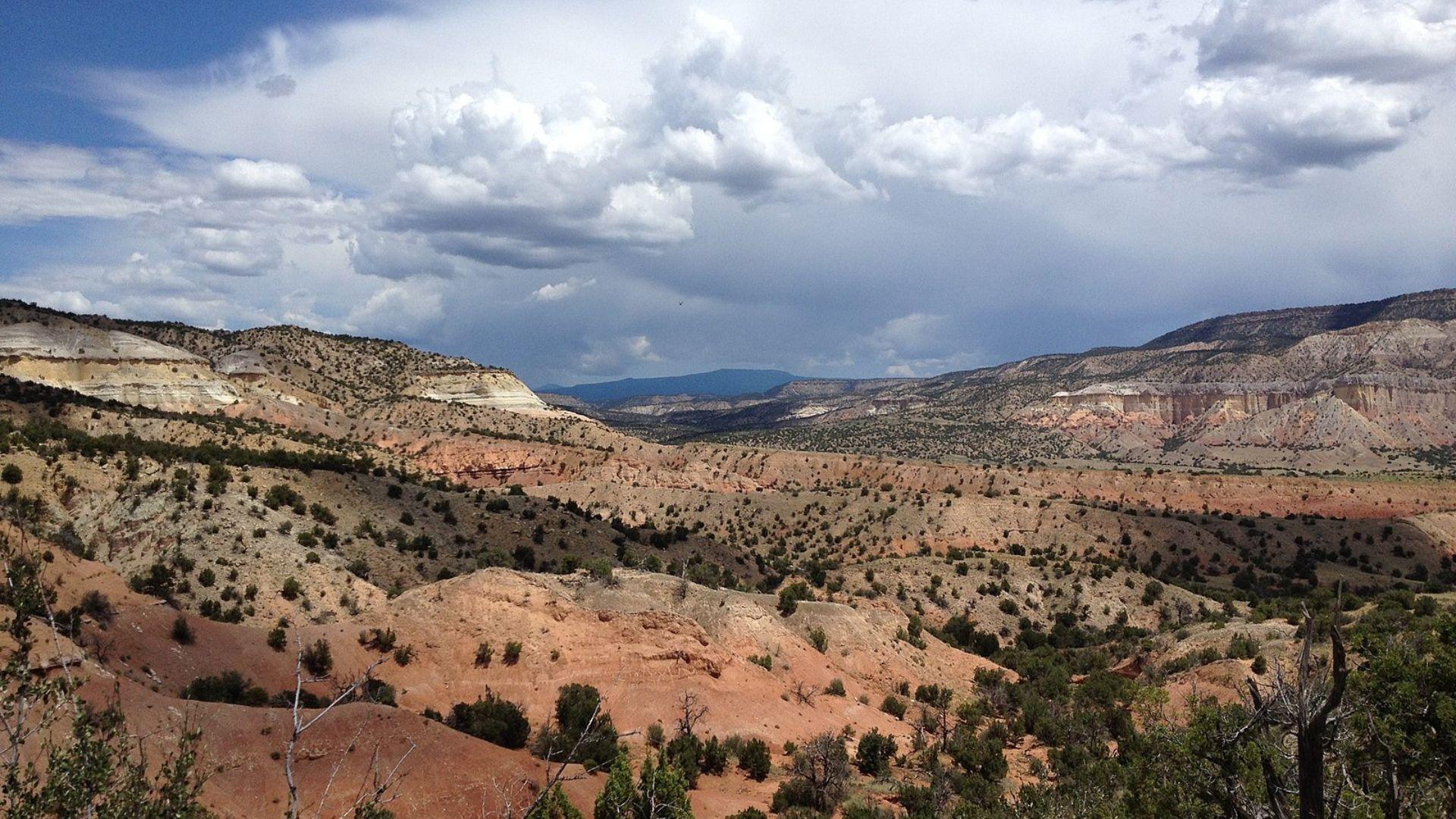
Jaguars are seldom seen in Arizona, yet this state, along with New Mexico, represents the northernmost range of this species, which spans across 18 countries.
The sporadic appearances of these majestic animals in these states provide rare and invaluable insights into their migration patterns and the broader ecological dynamics of the region.
Signs of Reestablishment Amidst Challenges
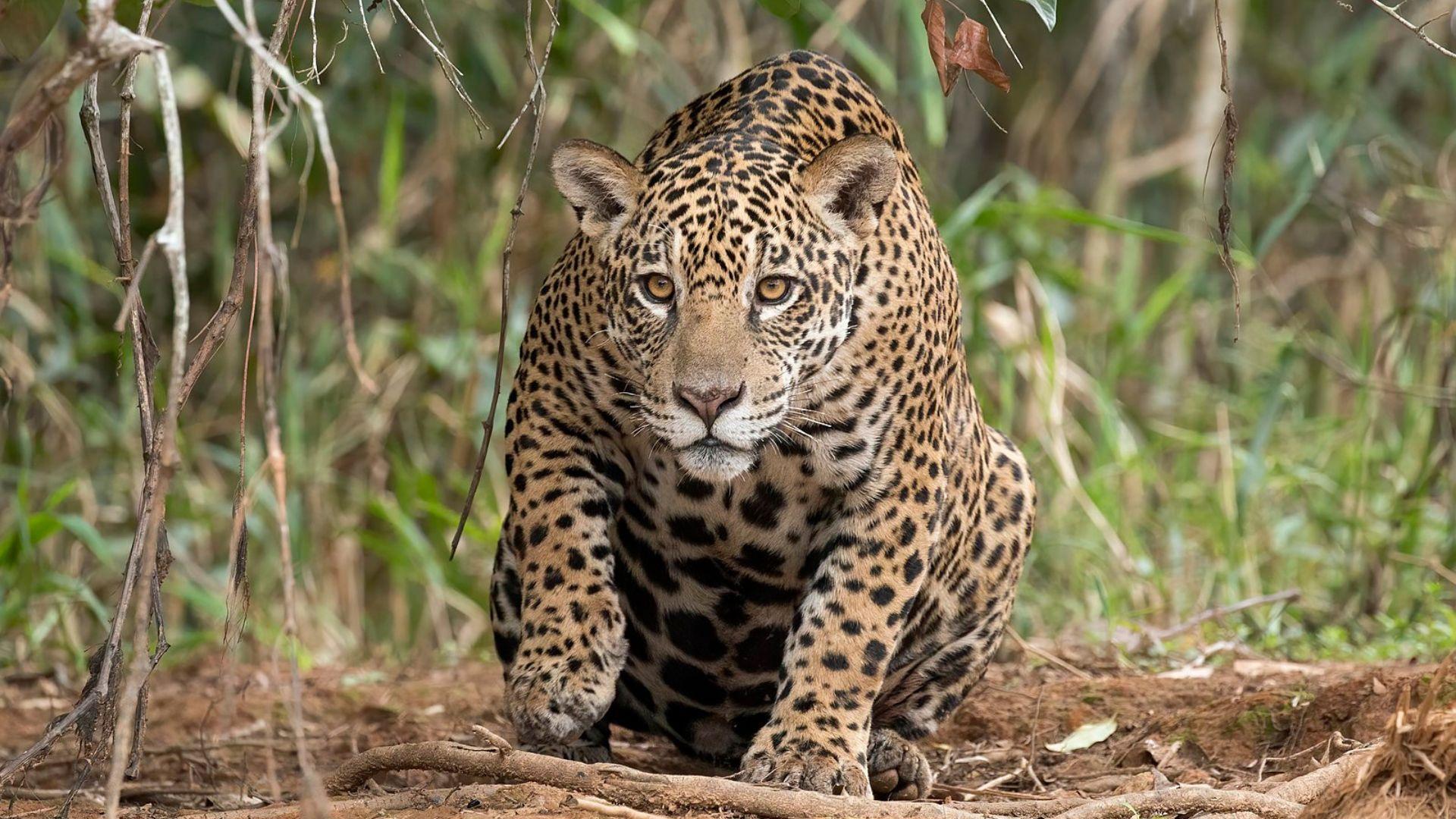
Russ McSpadden of the Center for Biological Diversity expressed optimism, stating, “These photos show that despite so many obstacles, jaguars continue to reestablish territory in the United States.”
“This is a wonderful reminder that these big cats move great distances across the landscape. It drives home the importance of protecting connected habitats for these elusive, beautiful felines.”
Identification Challenges and Infrequent Sightings
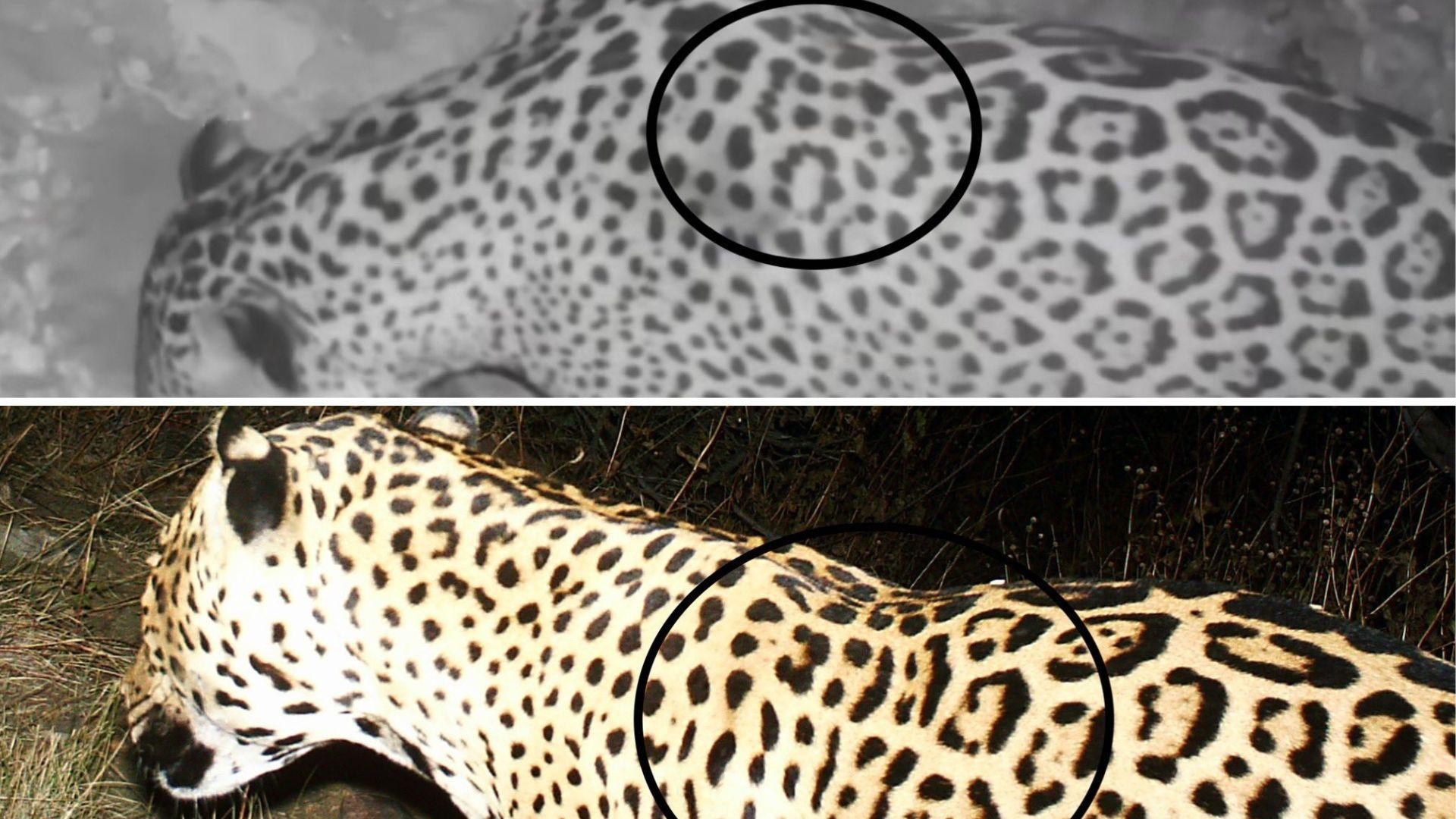
While the trail camera images have been instrumental in signaling the presence of jaguars, experts note that the images were too blurry for specific identification.
Such sightings are rare and precious, with only a handful of confirmed jaguar appearances in Arizona over the past decade, as reported by the Arizona Republic.
Patterns of Male Jaguar Movement
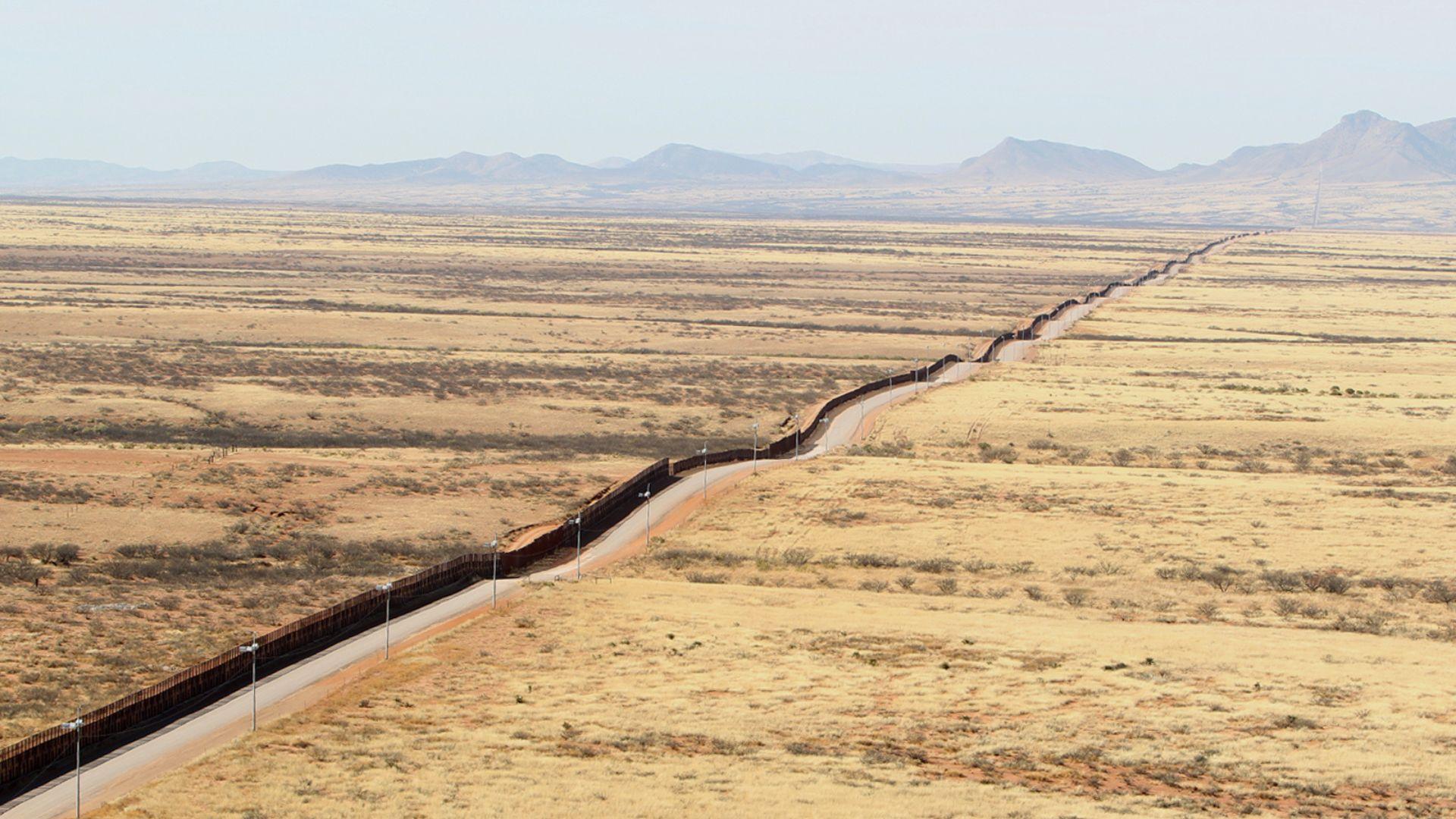
Historically, it is predominantly male jaguars that venture into new territories, as explained by Ganesh Marin, a University of Arizona doctoral candidate.
He noted, “Males are the ones that expand and disperse,” highlighting the natural behavior of male jaguars to seek out new territories as they mature, a pattern observed in the recent sightings across the U.S.-Mexico border.
Cross-Border Jaguar Sightings Near Controversial Wall Site
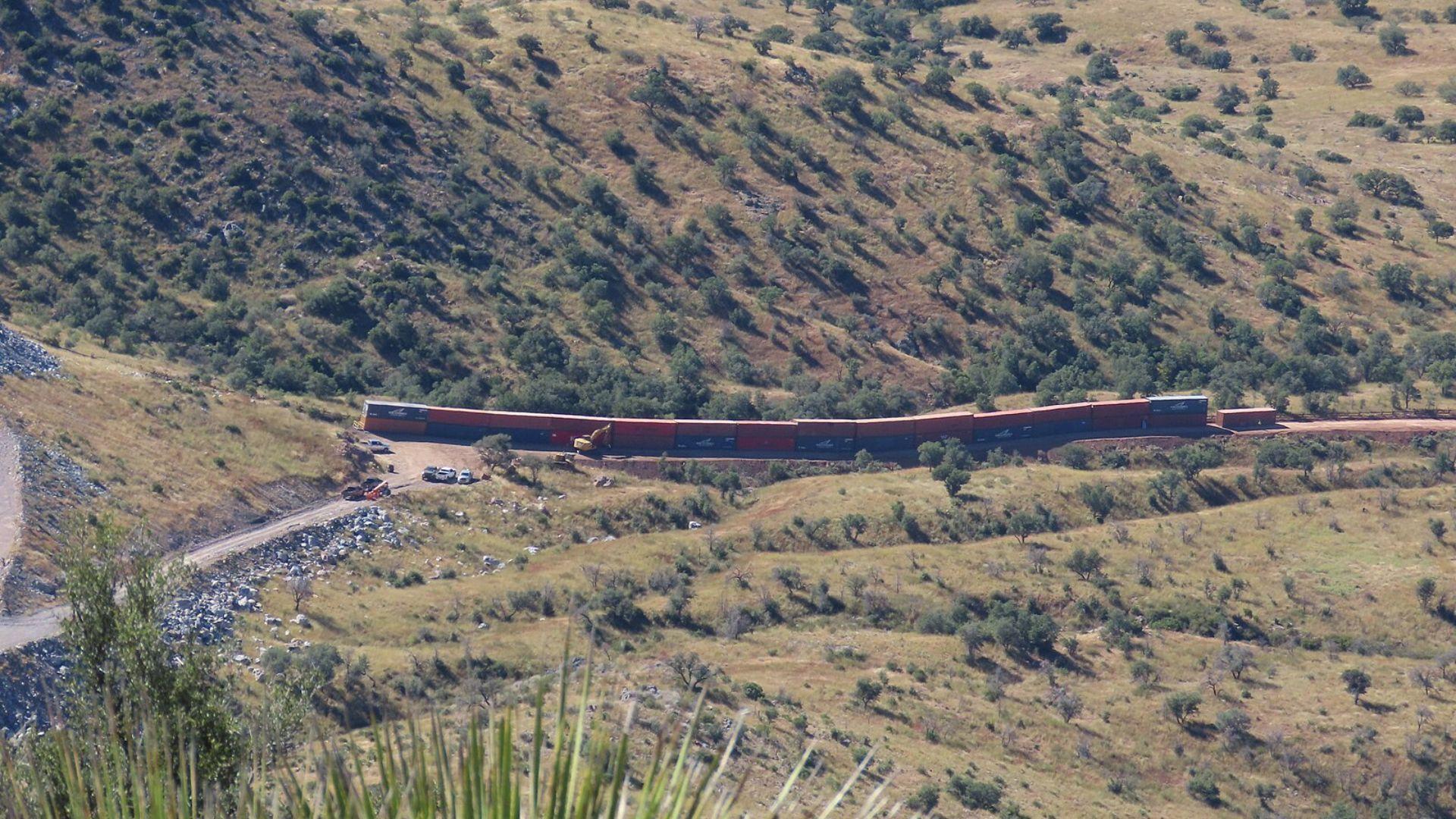
Recent jaguar sightings have also occurred close to the remnants of Arizona's controversial shipping container border wall.
These observations have reignited discussions on the necessity of preserving cross-border wildlife corridors, especially in light of the state's recent agreement to pay damages for the wall's environmental impact.
Historical Context and Modern-Day Sightings
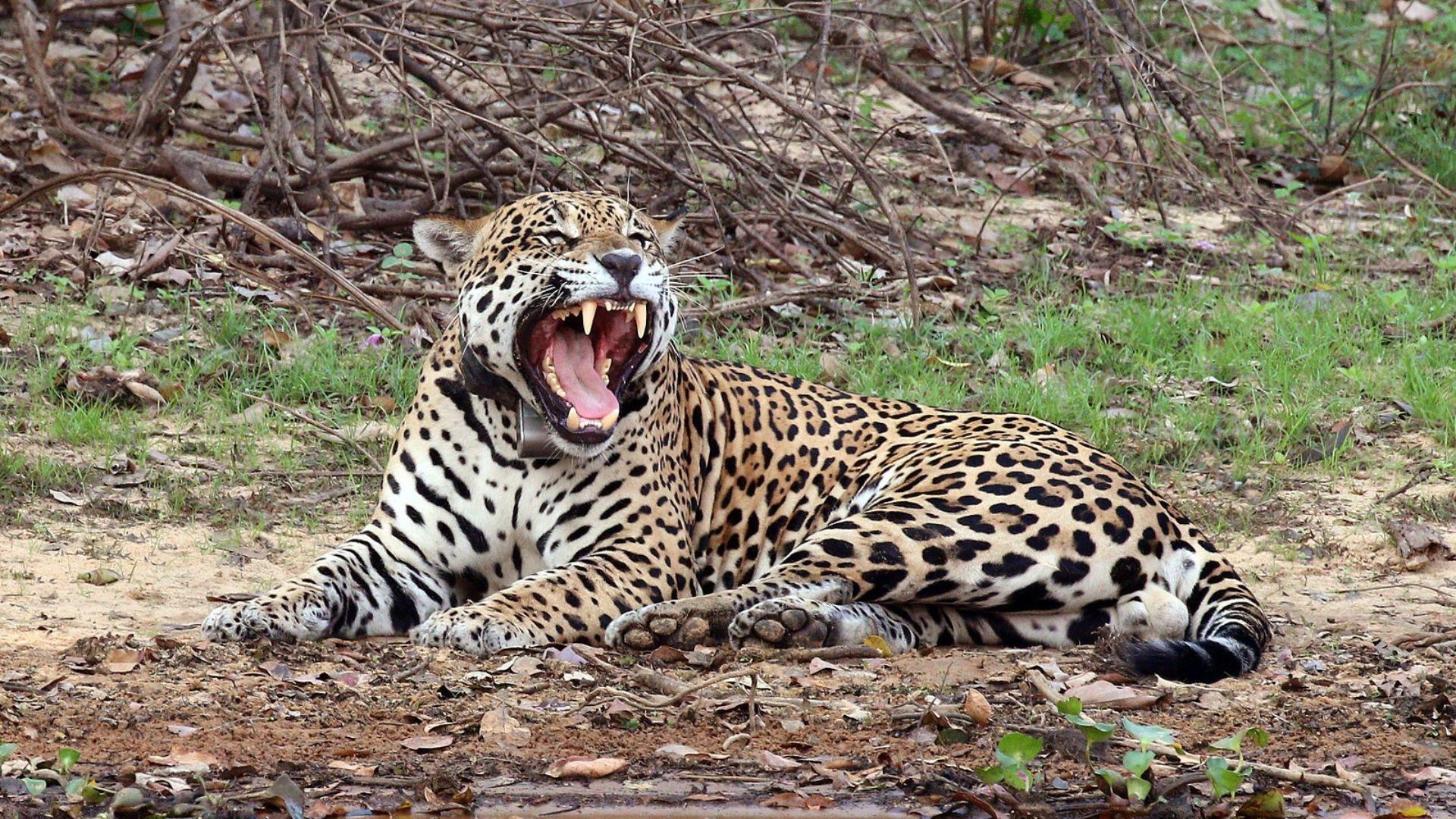
Jaguars, once prevalent across the American southwest, faced local extinction by the 1960s due to extensive hunting.
Their occasional reappearances in New Mexico and Arizona's mountain ranges since the 1990s mark a significant, albeit tentative, step towards their recovery in their historic range, drawing attention to the broader conservation efforts required.
Persistent Threats to Jaguar Recovery in the U.S.
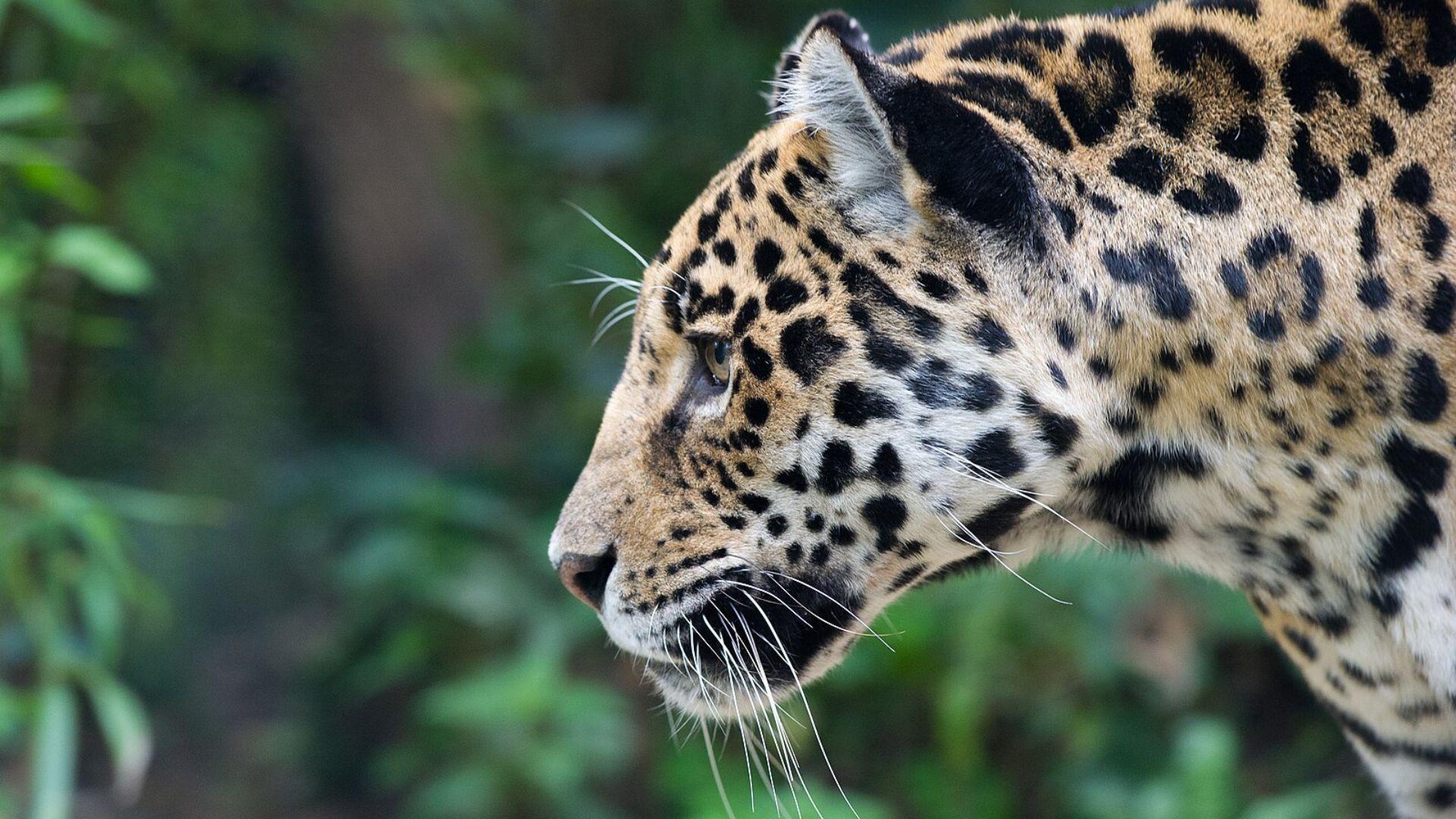
The re-establishment of a stable jaguar population in the U.S. is fraught with challenges, including climate change, habitat destruction, and barriers like the border wall.
These factors not only threaten the survival of these cats but also disrupt the ecological balance of their habitats, affecting their ability to migrate, hunt, and breed.
Documenting Jaguar Presence in Arizona
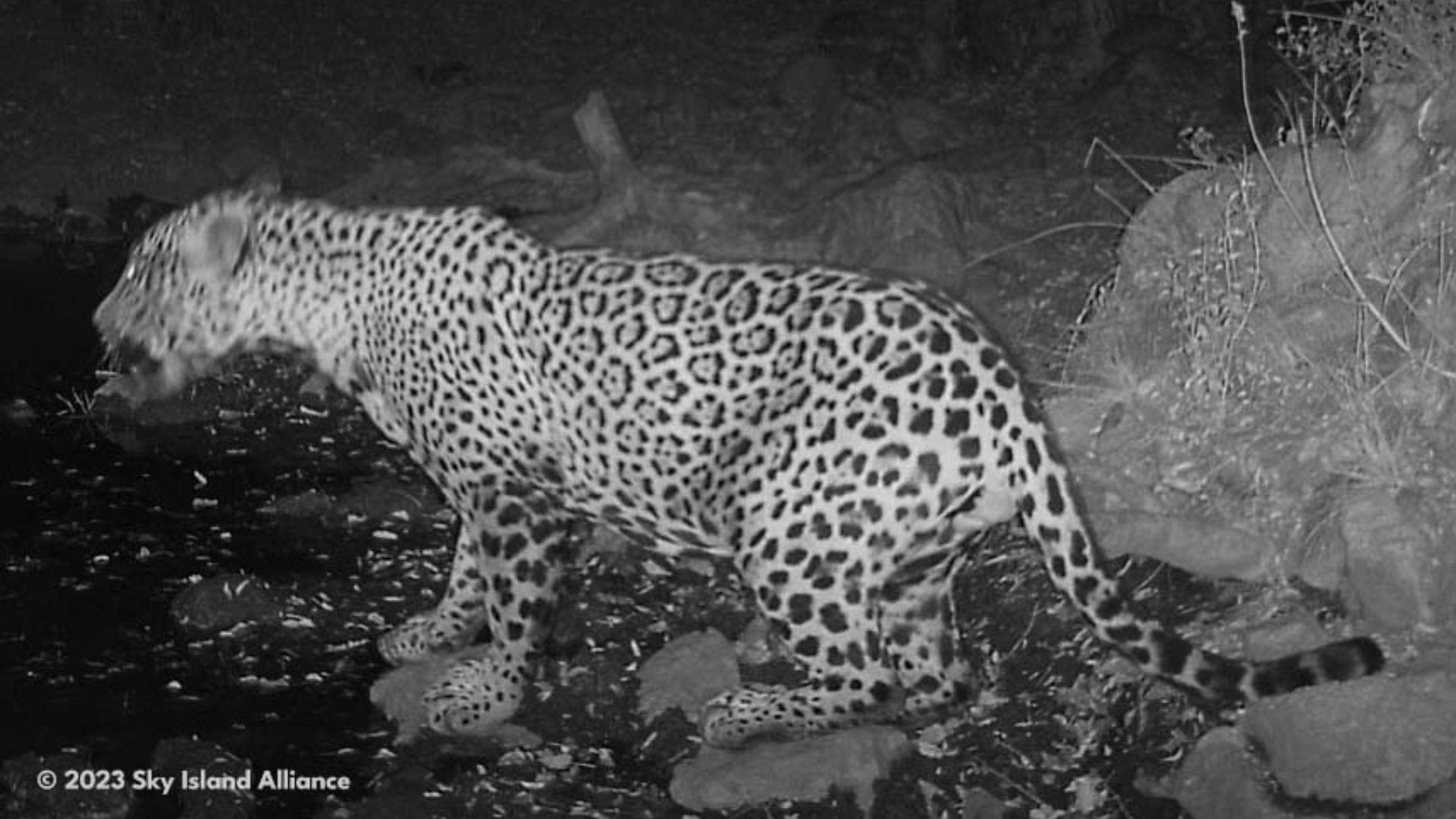
Sky Island Alliance's capture of a large jaguar on a wildlife camera in southern Arizona's Whetstone mountains adds a significant chapter to the story of the jaguar in America.
Such documentation is vital for understanding the jaguar's behavior, habitat preferences, and migration patterns, providing crucial data for conservation efforts.
Sky Islands: A Biodiversity Hotspot
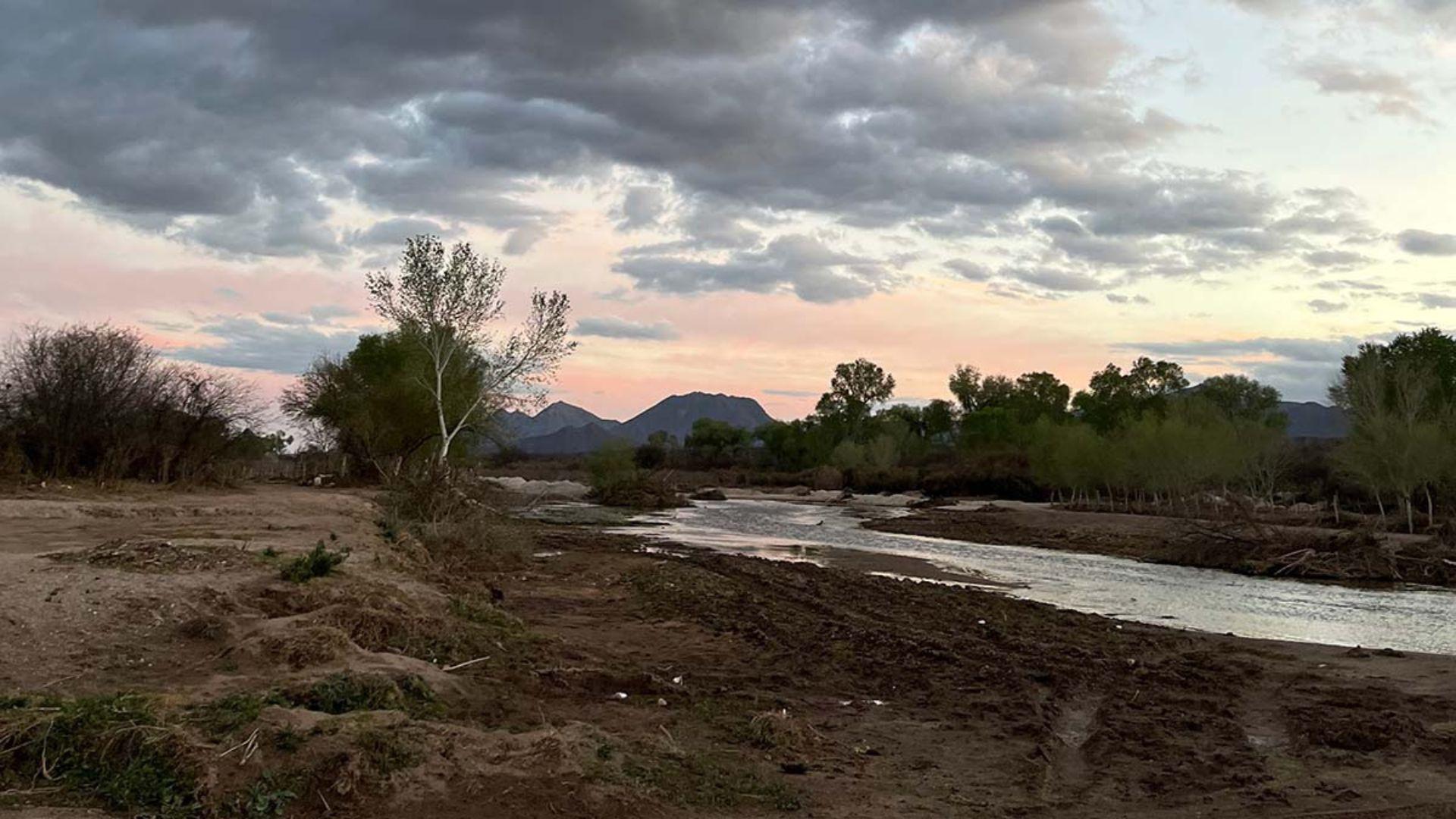
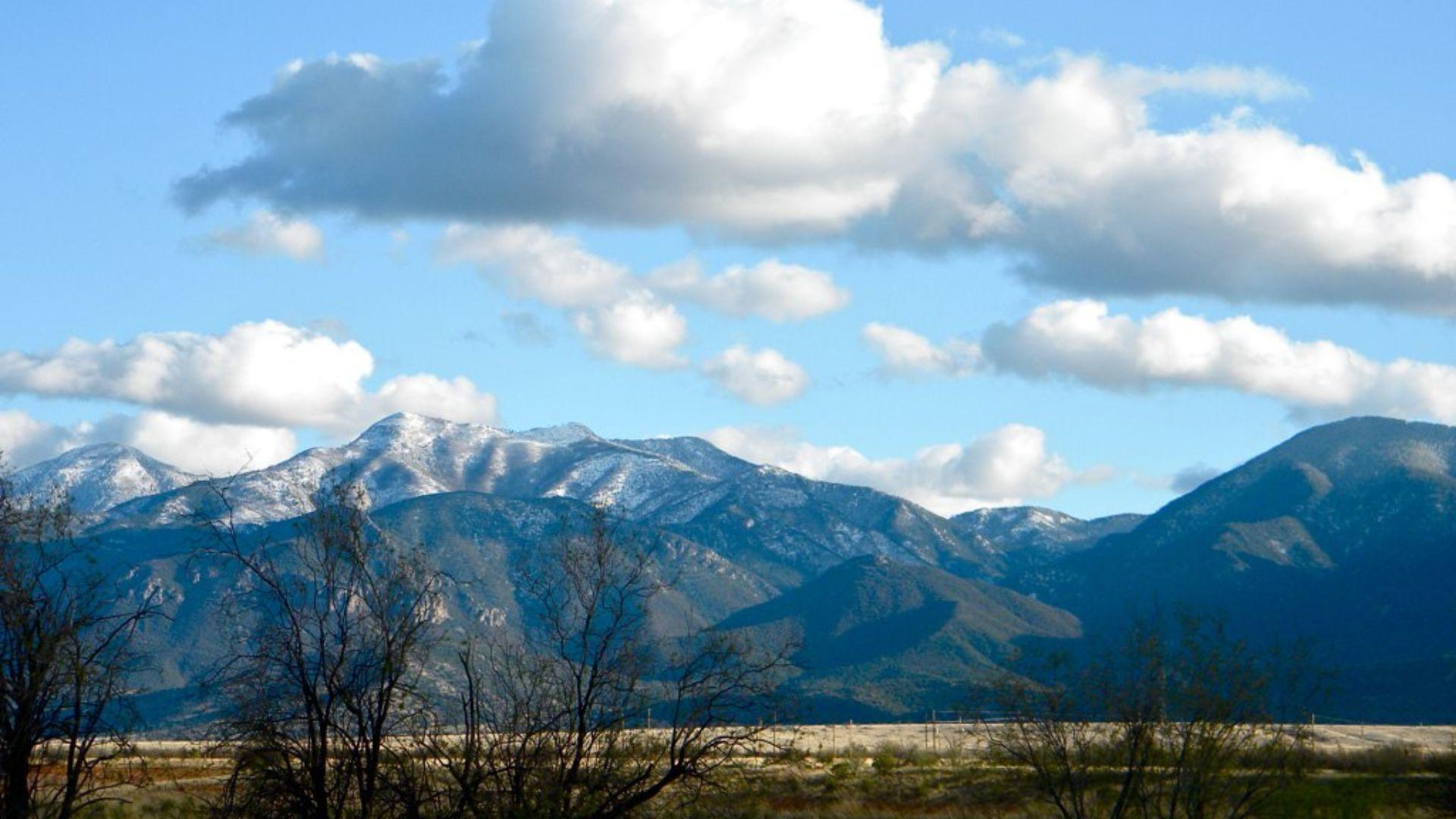
The Sky Islands in Arizona and New Mexico, characterized by their unique ecological features, serve as critical habitats for jaguars and other wildlife.
These areas offer diverse ecosystems with adequate resources like water and prey, essential for the sustenance and potential growth of the jaguar population in these regions.
The Importance of Habitat and Connectivity Conservation
Conservationists emphasize the necessity of protecting habitats and ensuring connectivity for species like the jaguar.
Louise Misztal of the Sky Island Alliance said, “We know the western flank of the Huachuca mountains and the San Rafael valley provide one of the last open corridors for the northernmost population of jaguars to move between habitat in the US and Mexico. To recover these cats in the US, it’s vital that we protect this pathway.”