Neanderthals and Modern Humans May Have Coexisted for More Than 10,000 Years in Europe
For a significant period, spanning from 50,000 to 40,000 years ago, Homo sapiens and Neanderthals cohabited in Western Eurasia.
This era, known as the Middle-to-Upper Paleolithic transition, has captivated both scholars and the public. The fascinating possibility of two distinct human species sharing the same landscape has driven extensive research in archaeology, physical anthropology, and genetics to explore this historical intersection.
Exploring Theories of Interaction
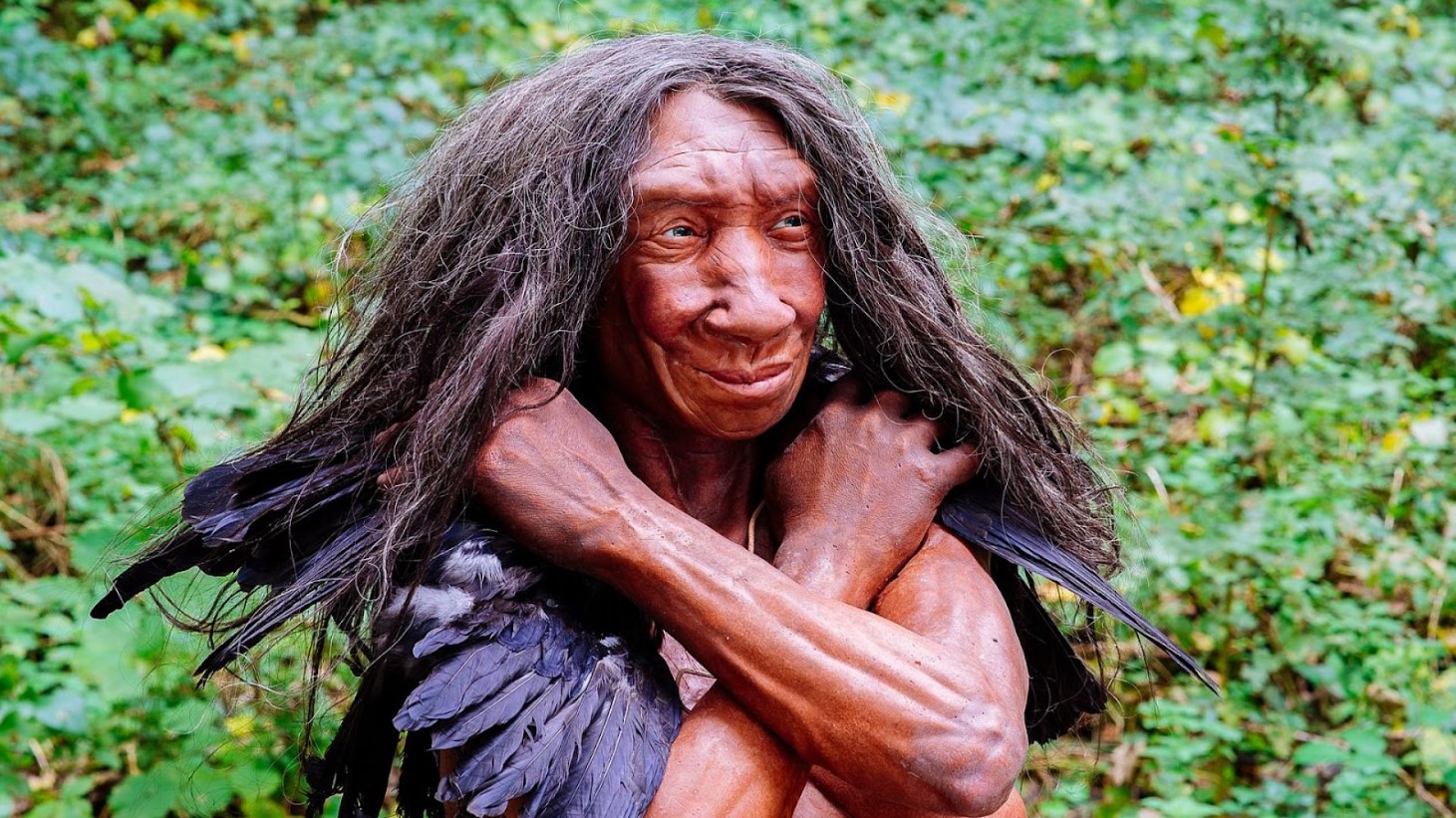
Phys Org reports that researchers have debated various scenarios regarding the interaction between Homo sapiens and Neanderthals. These range from prolonged coexistence spanning tens of thousands of years to rapid displacement theories.
Such discussions revolve around whether Neanderthals were actively displaced or outcompeted for resources by Homo sapiens, contributing to their eventual decline. This period also suggests instances of interbreeding, evidenced by Neanderthal DNA in present-day Europeans and East Asians.
Challenges in Archaeological Research
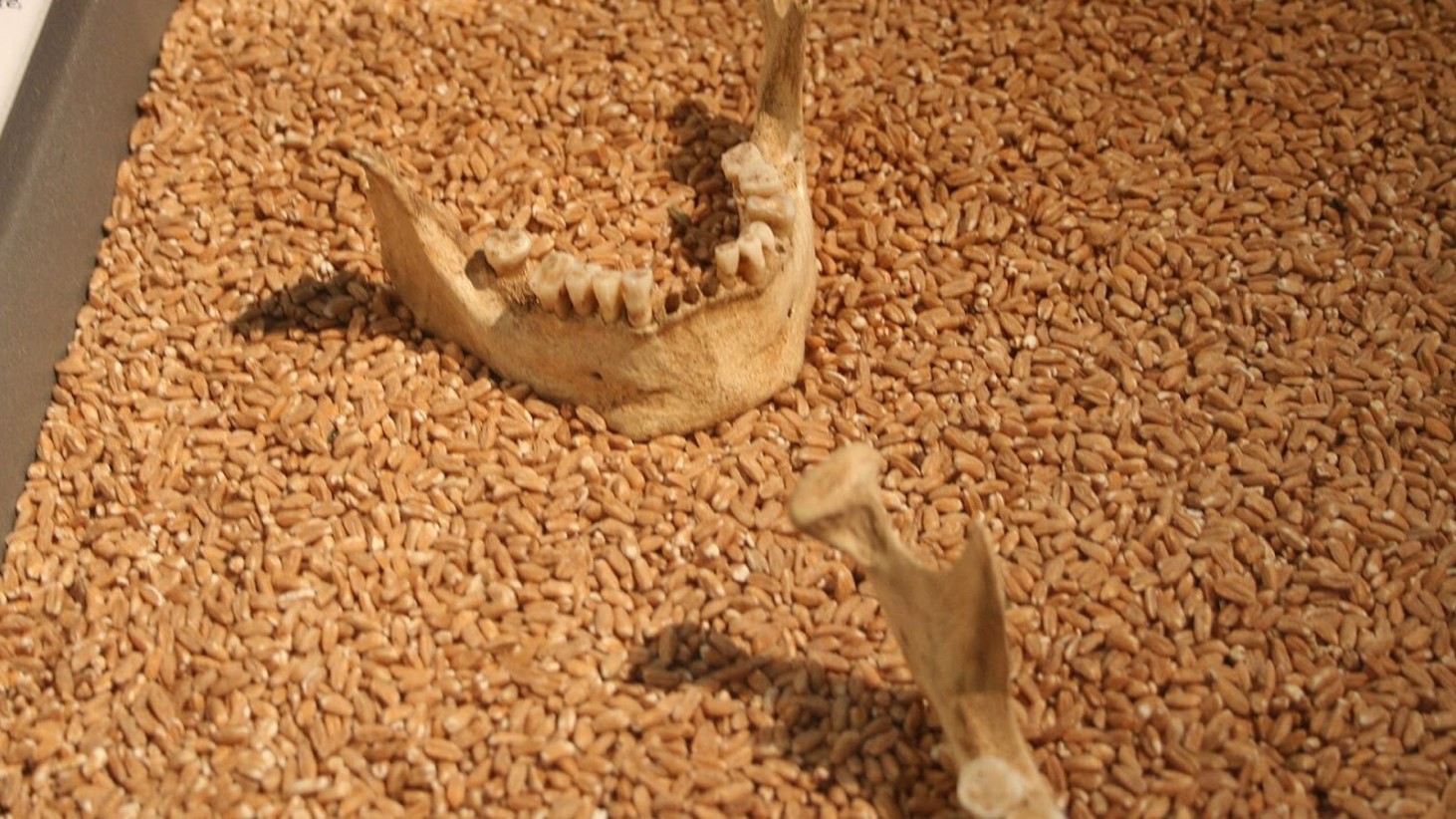
Studying this distant past presents numerous challenges. Human skeletal remains from this period are rare, and many significant finds were excavated under conditions that today would be considered less than ideal, mainly during the 19th and early 20th centuries.
Phys Org explains that this scarcity complicates efforts to understand the relationship between these ancient humans and their archaeological contexts, including their tools, animal remains, and other artifacts.
Radiocarbon Dating Limitations
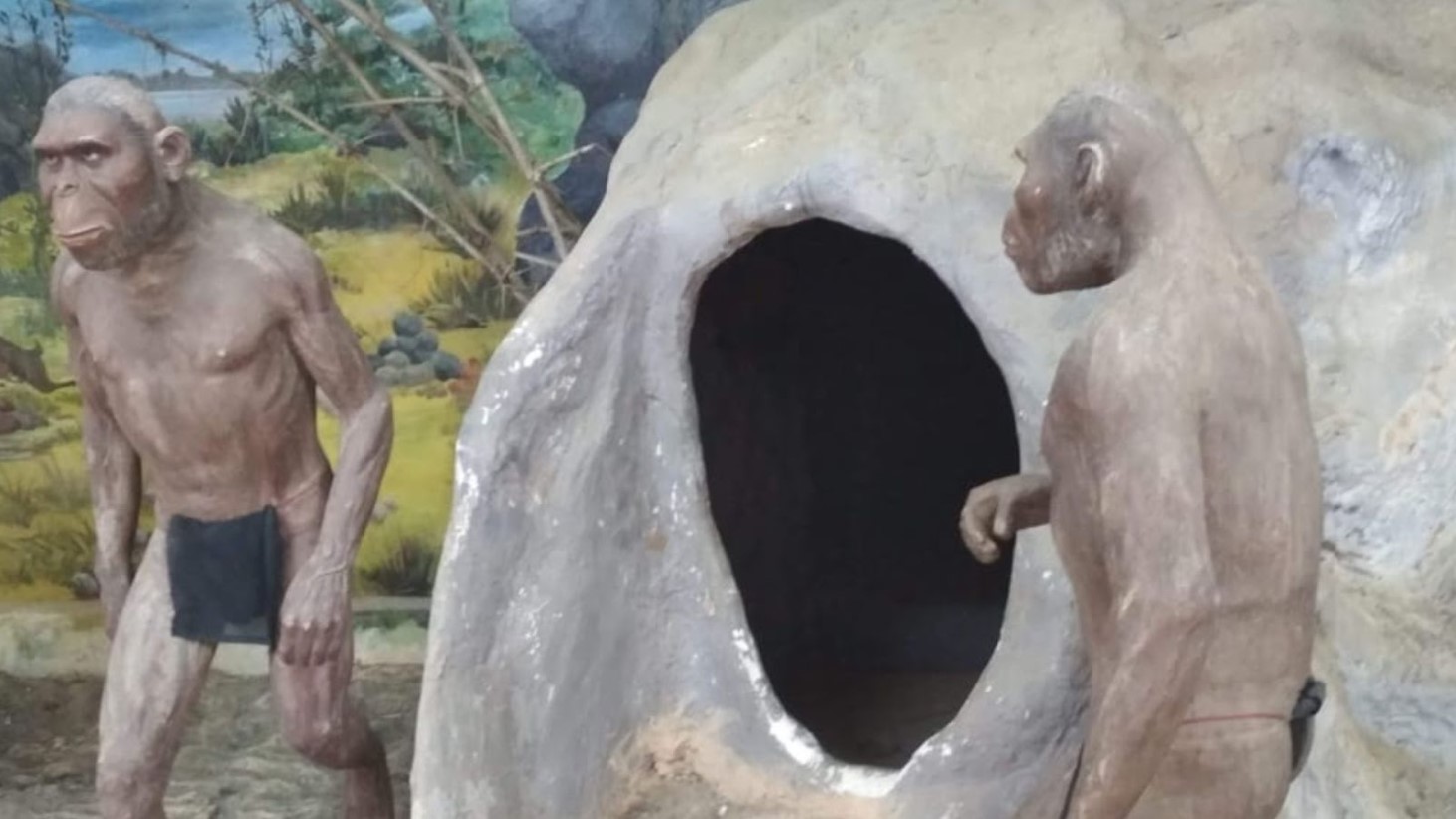
The transition period of 50,000 to 40,000 years ago is on the edge of radiocarbon dating's effectiveness, which is reliable for organic materials up to about 50,000 years old, via information from LiveScience.
Contamination from burial environments or conservation materials can significantly affect the accuracy of dating, leading to major revisions in the chronology of early human occupation and interactions between Neanderthals and Homo sapiens.
Spatial Considerations in Coexistence
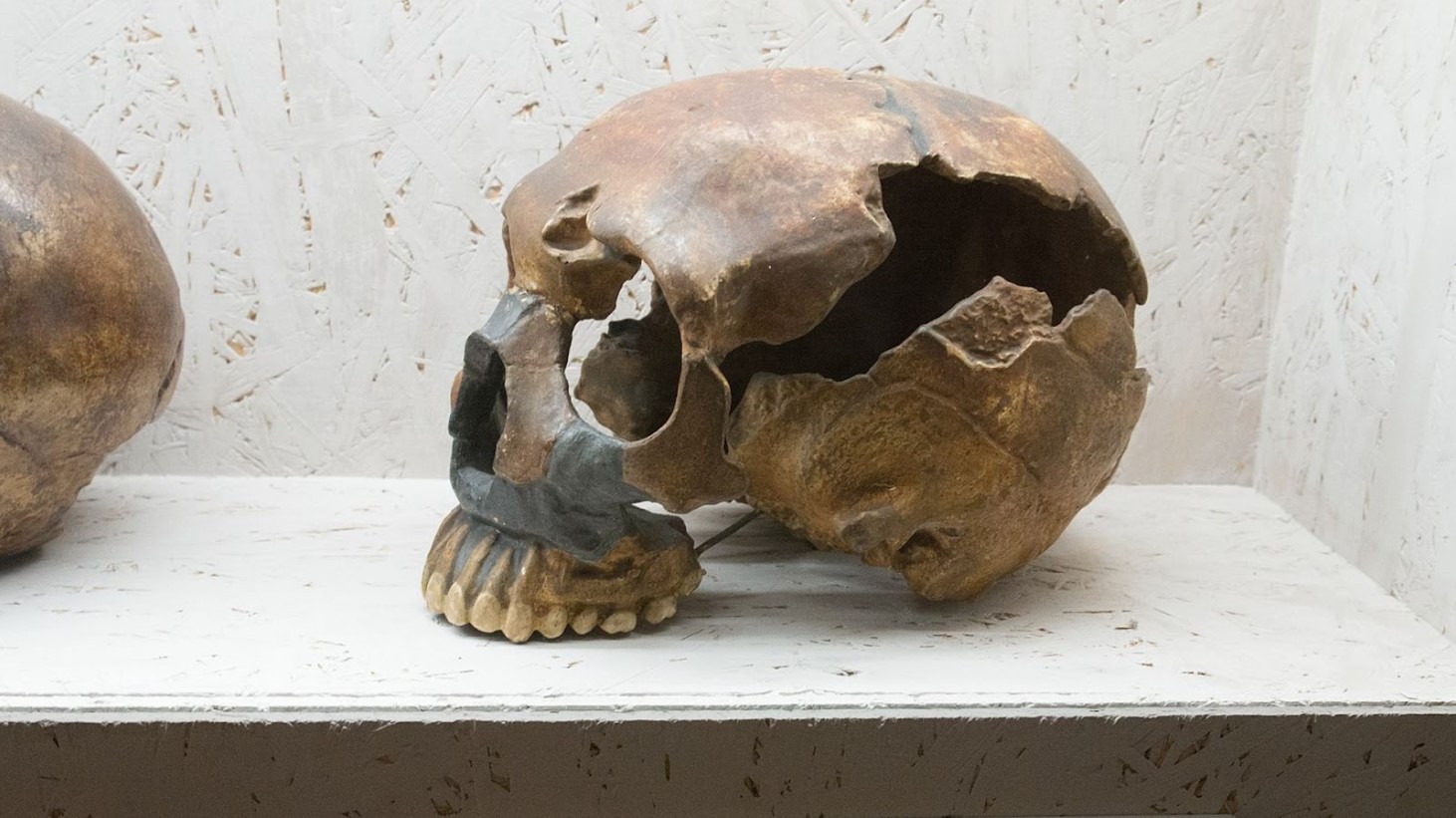
The debate also extends to spatial considerations, Phys Org notes, questioning whether the persistence of Neanderthals in certain areas, like southern Iberia after 40,000 years ago, indicates a prolonged overlap or a last stand.
This distinction is crucial for understanding the nature of interactions between the two groups and the extent of their coexistence.
New Insights from Ilsenhöhle Cave
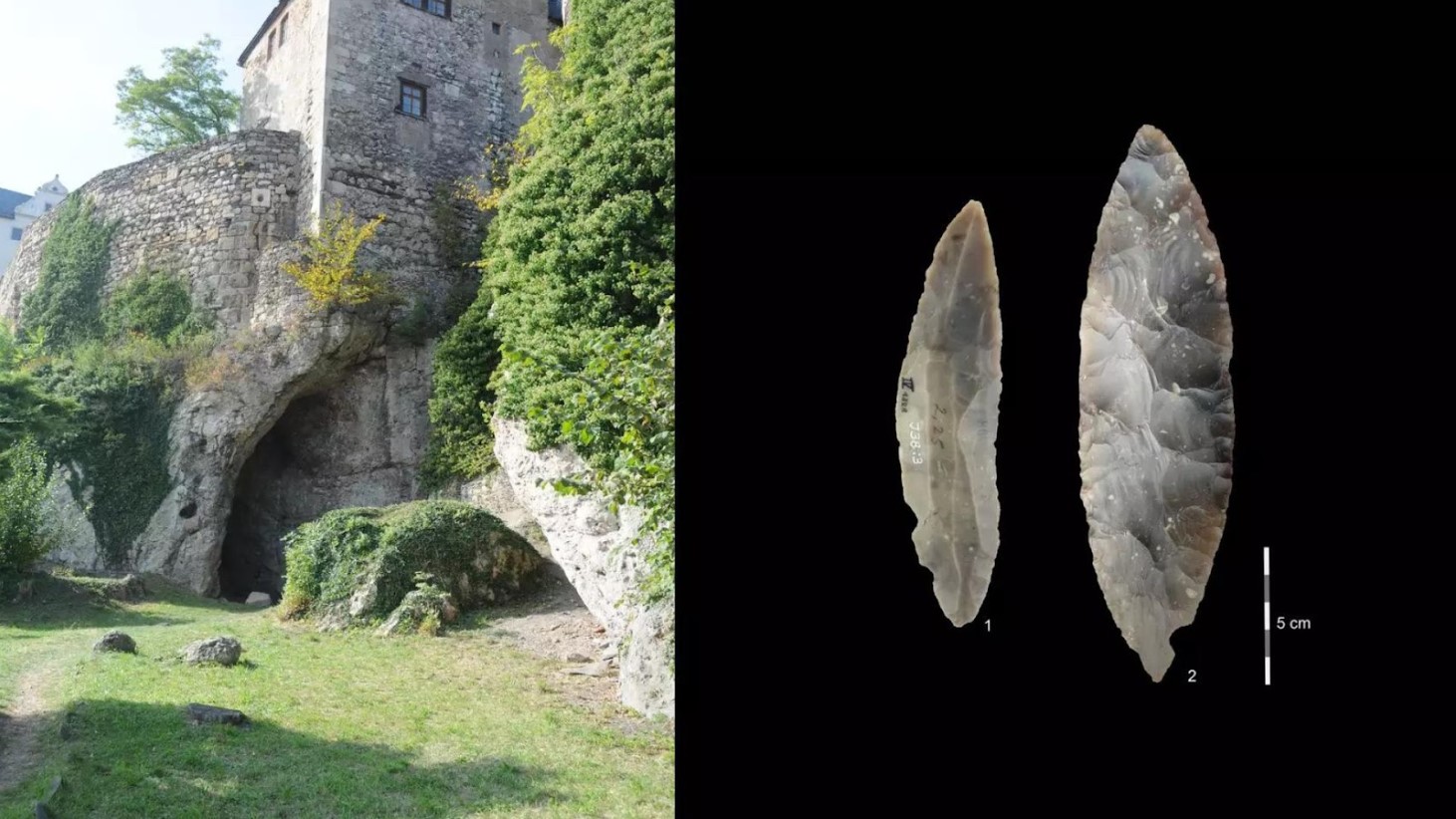
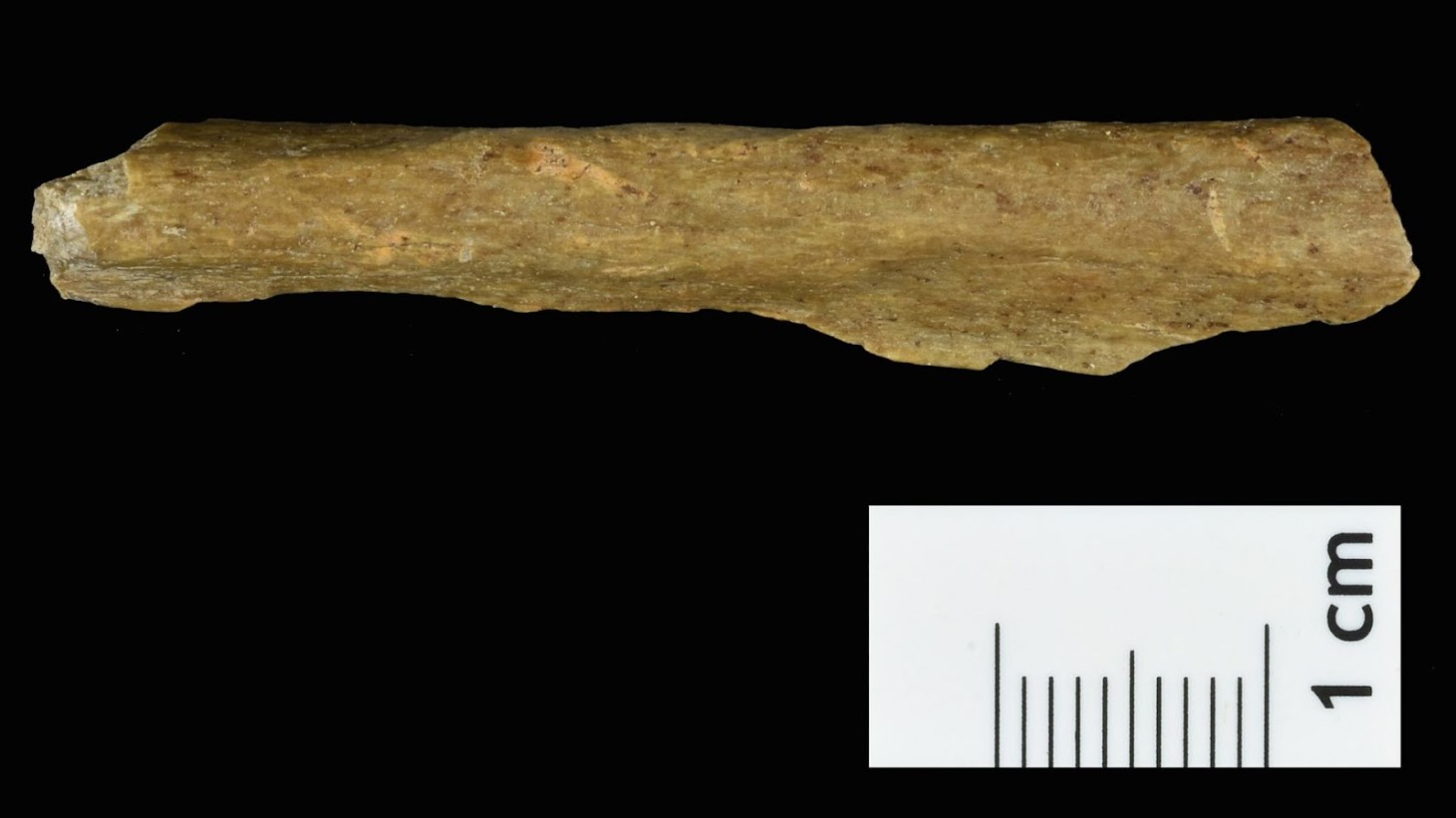
Reuters reports that recent findings from the Ilsenhöhle cave in Ranis, Germany, located at the base of a Renaissance castle, have provided fresh evidence.
Human remains dating to around 45,000 years ago suggest a potential overlap between Homo sapiens and Neanderthals for approximately 10,000 years.
Environmental Contexts and Living Conditions
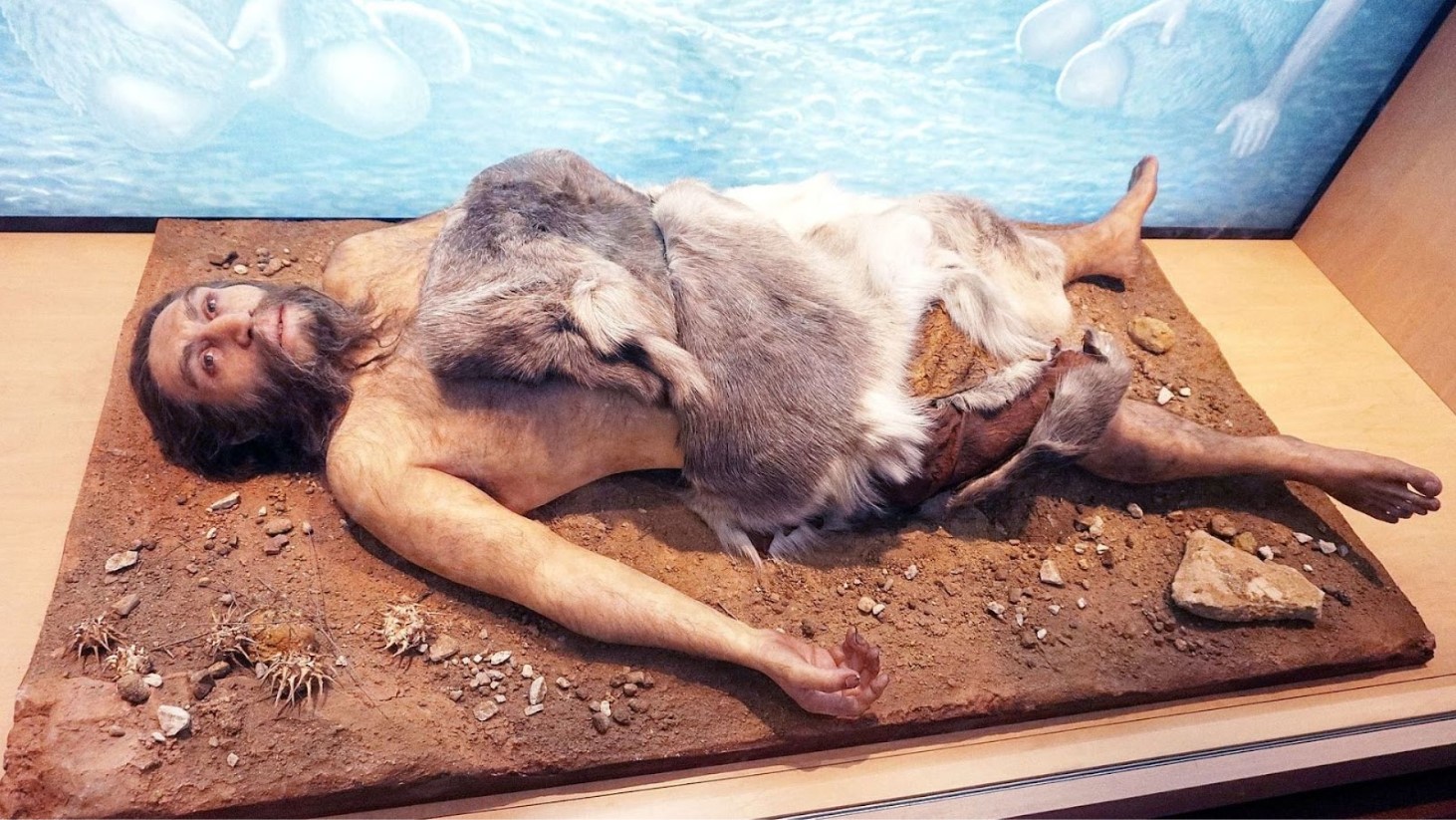
Further insight has been gained from research that conducted an analysis of stable oxygen isotopes from horse teeth found alongside human remains in the same sediment layers.
This research provides insights into the climatic conditions faced by these early humans. The results indicate a cold climate phase around 45–43,000 years ago, offering a glimpse into the environmental challenges during the period of overlap.
The Origin of Stone Tools
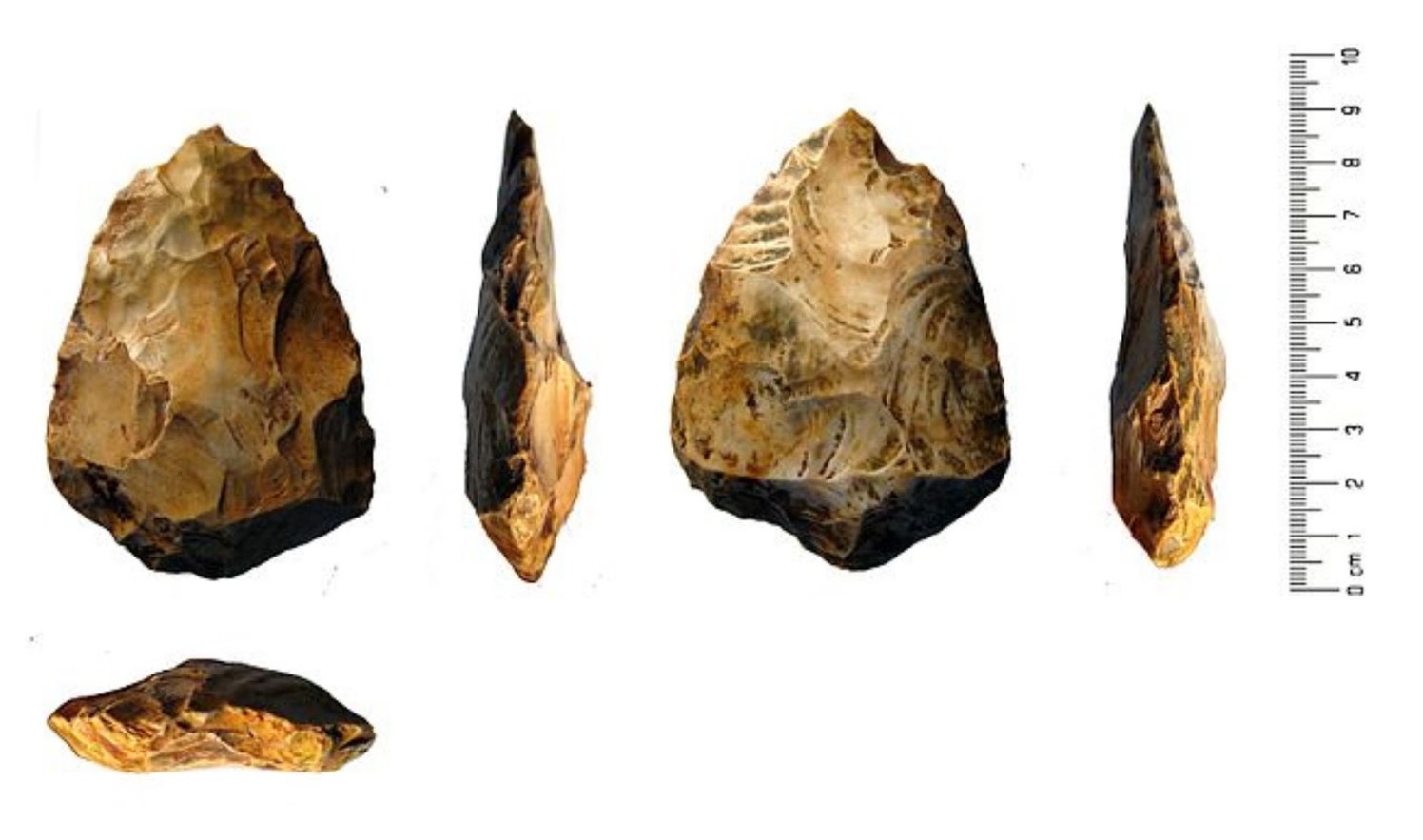
Phys Org reports that the affiliation of the Lincombian–Ranisian–Jerzmanowician (LRJ) stone tool industry, previously ambiguous, is central to understanding which group made these tools.
The debate extends to other Paleolithic industries, such as the Châtelperronian, where the association of Neanderthal remains with modern-looking tools raises questions about the true creators of these artifacts.
Interpreting Mixed Archaeological Deposits
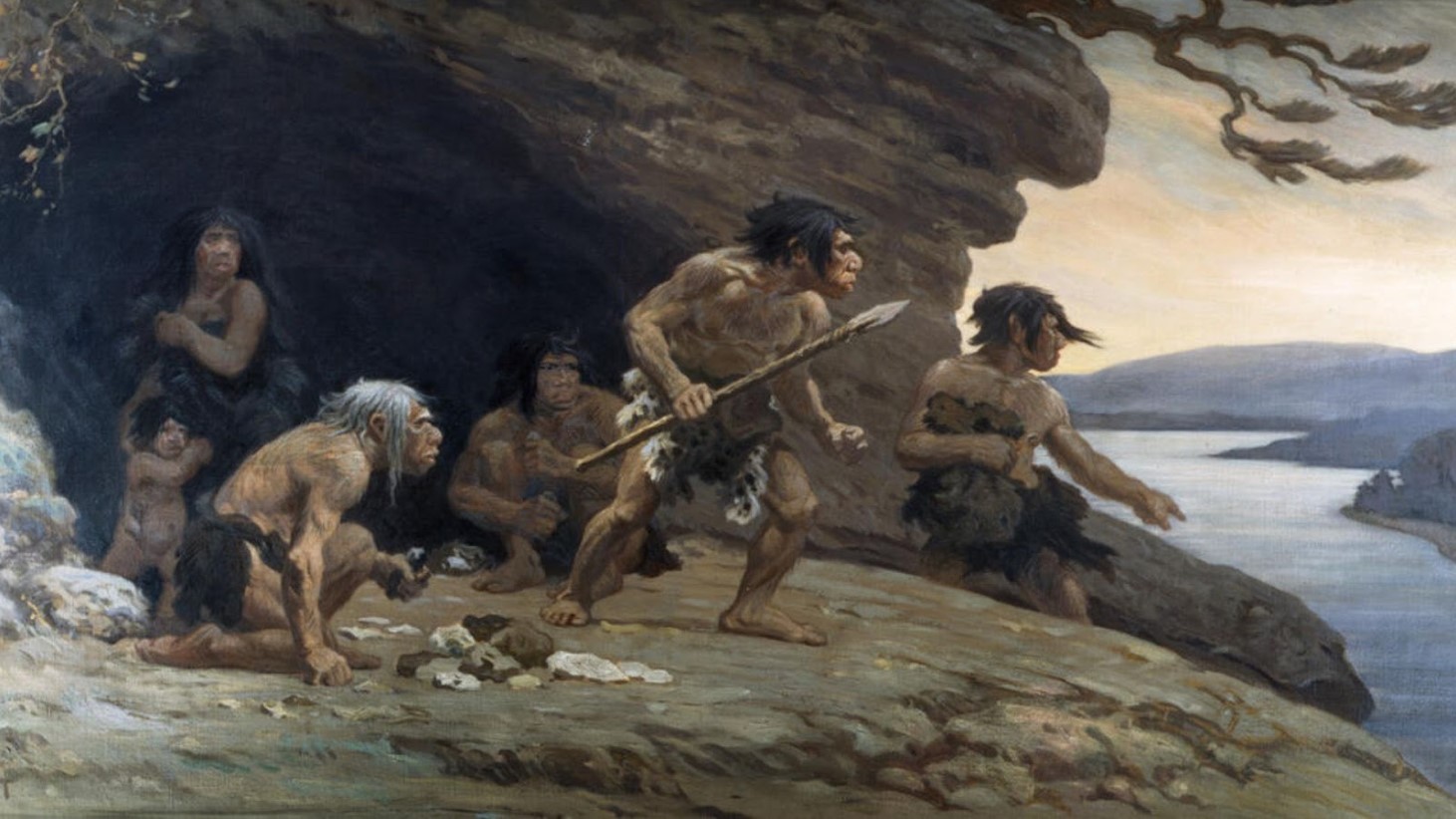
The intermittent occupation of caves by both Neanderthals and Homo sapiens over millennia has resulted in mixed archaeological deposits, Phys Org explains.
Distinguishing between artifacts made by each group is challenging, underscoring the complexities of piecing together the behaviors and interactions of these ancient populations.
Advancements in Archaeological Techniques
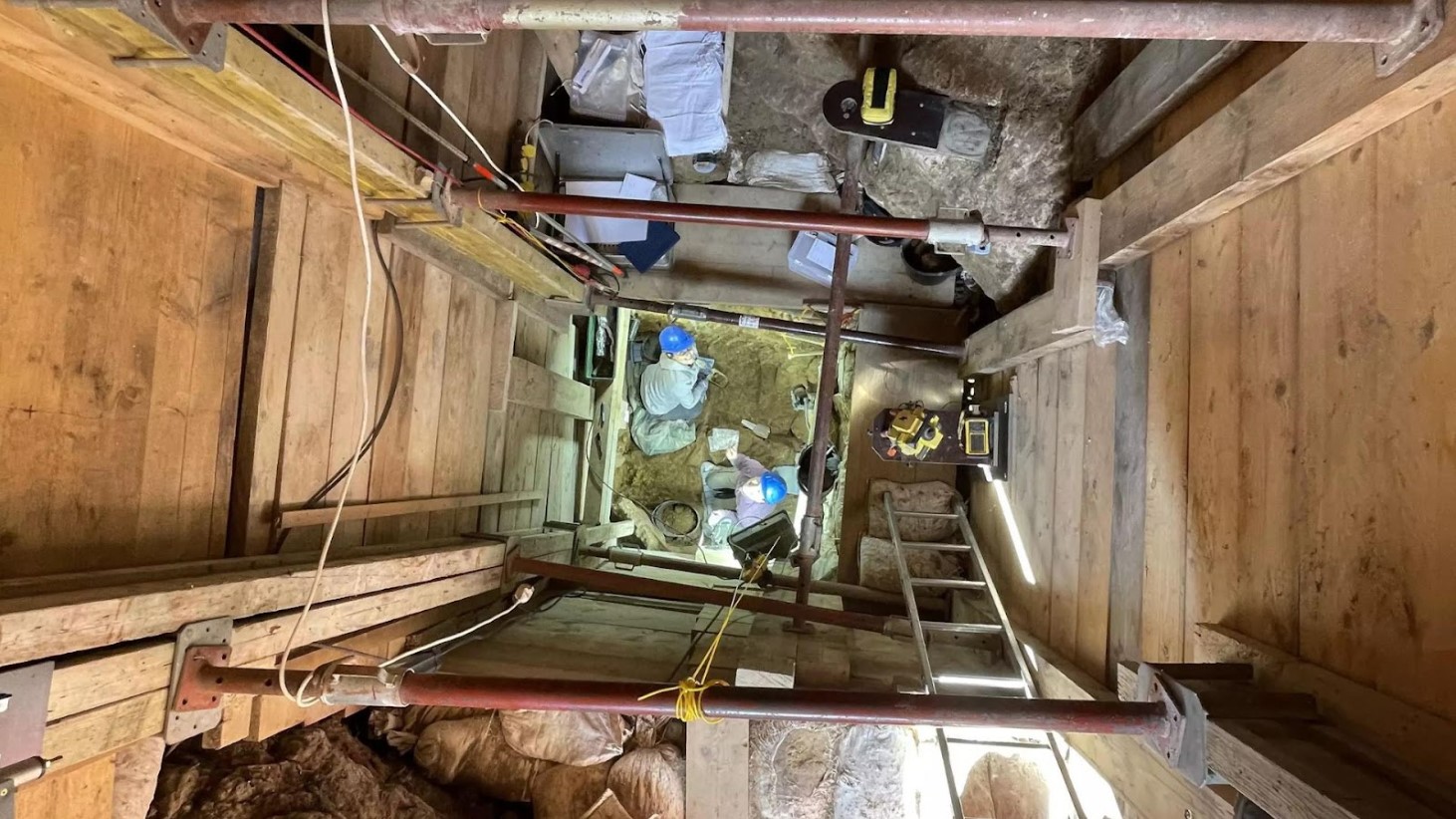
Recent developments in archaeological science, including proteomics and high-precision radiocarbon dating, have enhanced our understanding of the Middle-to-Upper Paleolithic transition.
Phys Org notes that these techniques, along with ancient DNA analysis, have clarified the timeline and nature of interactions between Homo sapiens and Neanderthals.
Confirming Homo Sapiens through DNA Analysis
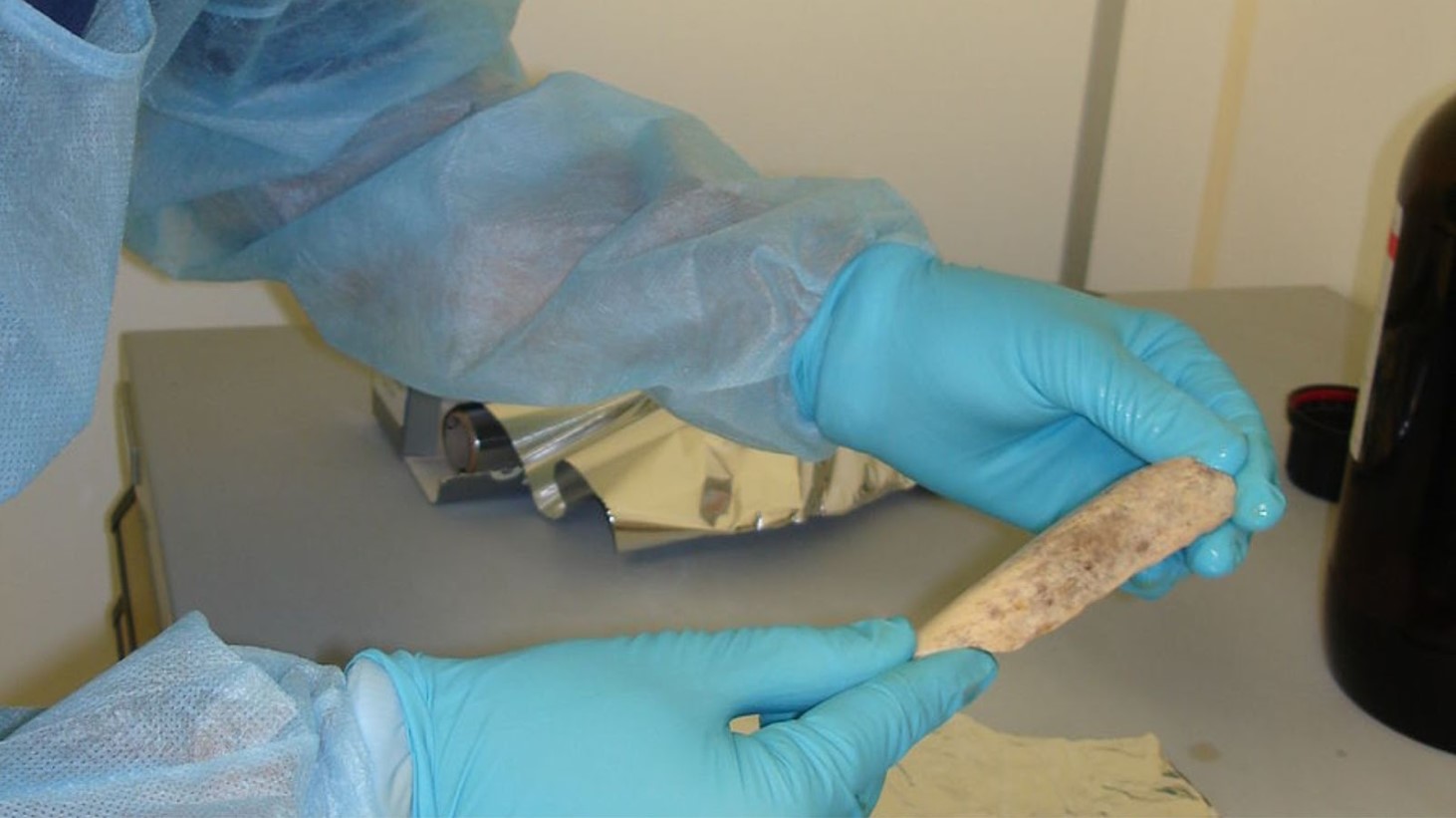
Reuters reports that ancient DNA analysis, specifically mitochondrial DNA (mtDNA), has confirmed the human remains from Ilsenhöhle as Homo sapiens.
This genetic evidence links these individuals to other Upper Paleolithic human remains across Europe, solidifying our understanding of human migration and interaction patterns during this period.
A Continuous Cycle of Human Evolution
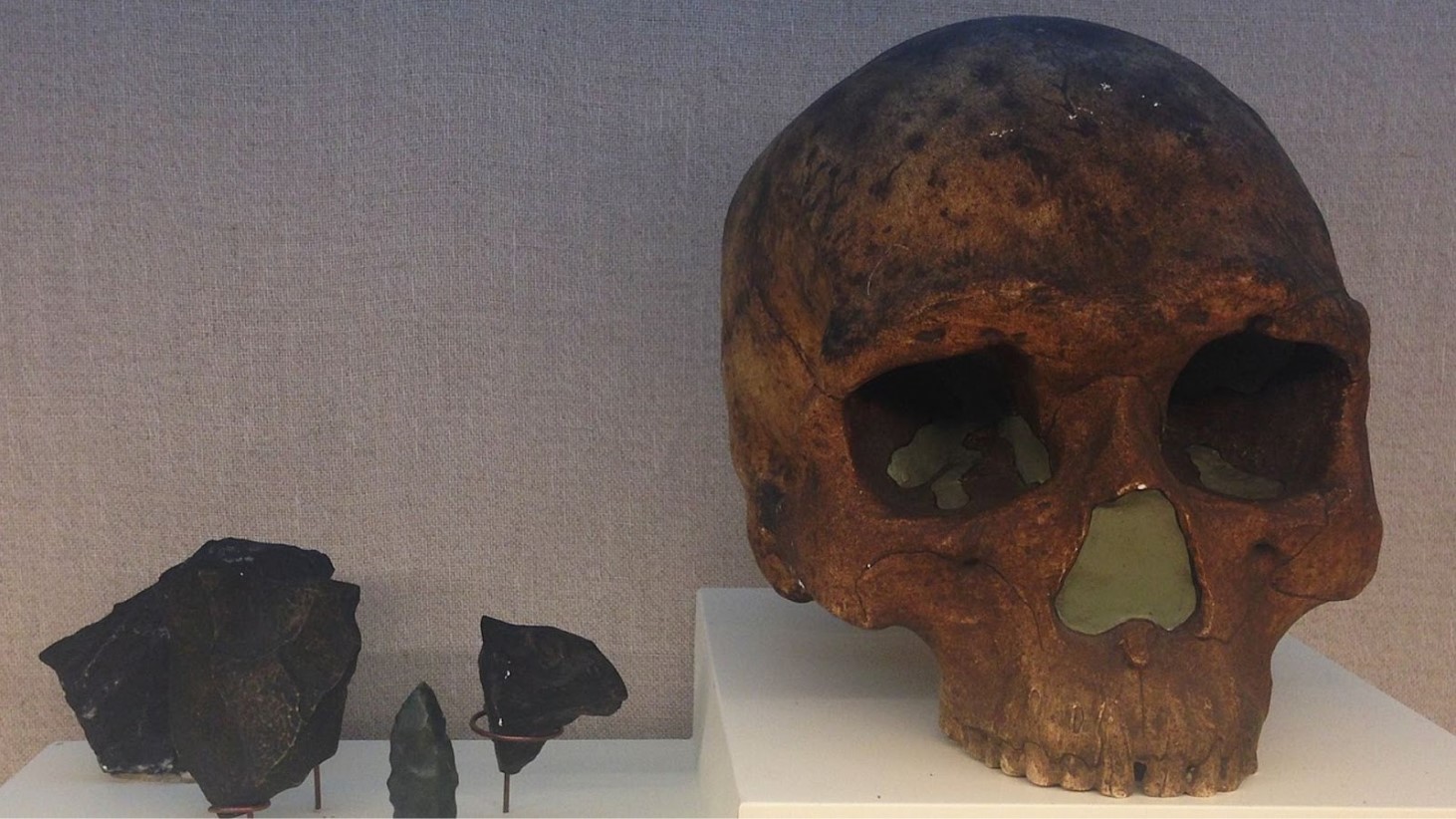
The findings from the Ranis study introduce a fascinating development in our understanding of early human history. As noted by the authors, recent genetic analyses reveal that the initial Homo sapiens groups venturing into Europe were eventually replaced by other Homo sapiens populations during the latter part of the Upper Paleolithic period.
This cycle of replacement suggests a more complex narrative of human evolution and migration than previously understood. The emphasis on the Middle-to-Upper Paleolithic transition, traditionally viewed as a period marking the replacement of Neanderthals by Homo sapiens, now expands to encompass further instances of Homo sapiens populations replacing one another, Phys Org explains.