Kids Found Treasure — But Didn't Know Until 60 Years Later
Treasure hunting is a hobby that many people engage with, but not many come across some really rare findings.
Sixty years ago, two Norwegian boys uncovered some treasure in a nearby church but didn’t quite realize how precious they were until recently.
The Boys Went Treasure Hunting in 1964
In 1964, two young brothers wanted to go in search of treasure, so they decided to look around a local church.
The Miami Herald states that the brothers crawled underneath the Norwegian church and ended up finding some silver coins.
The Boys Kept the Coins Hidden
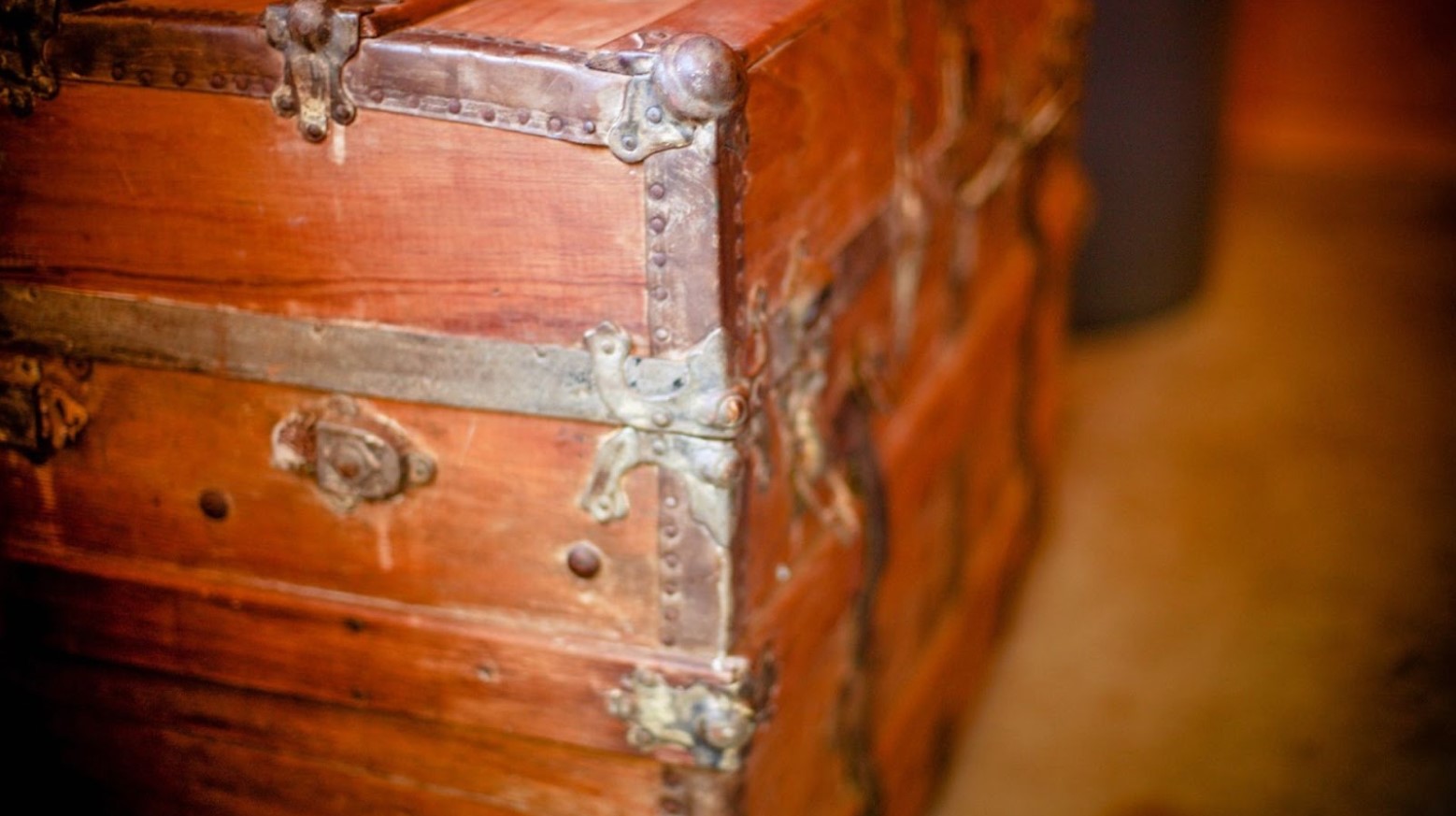
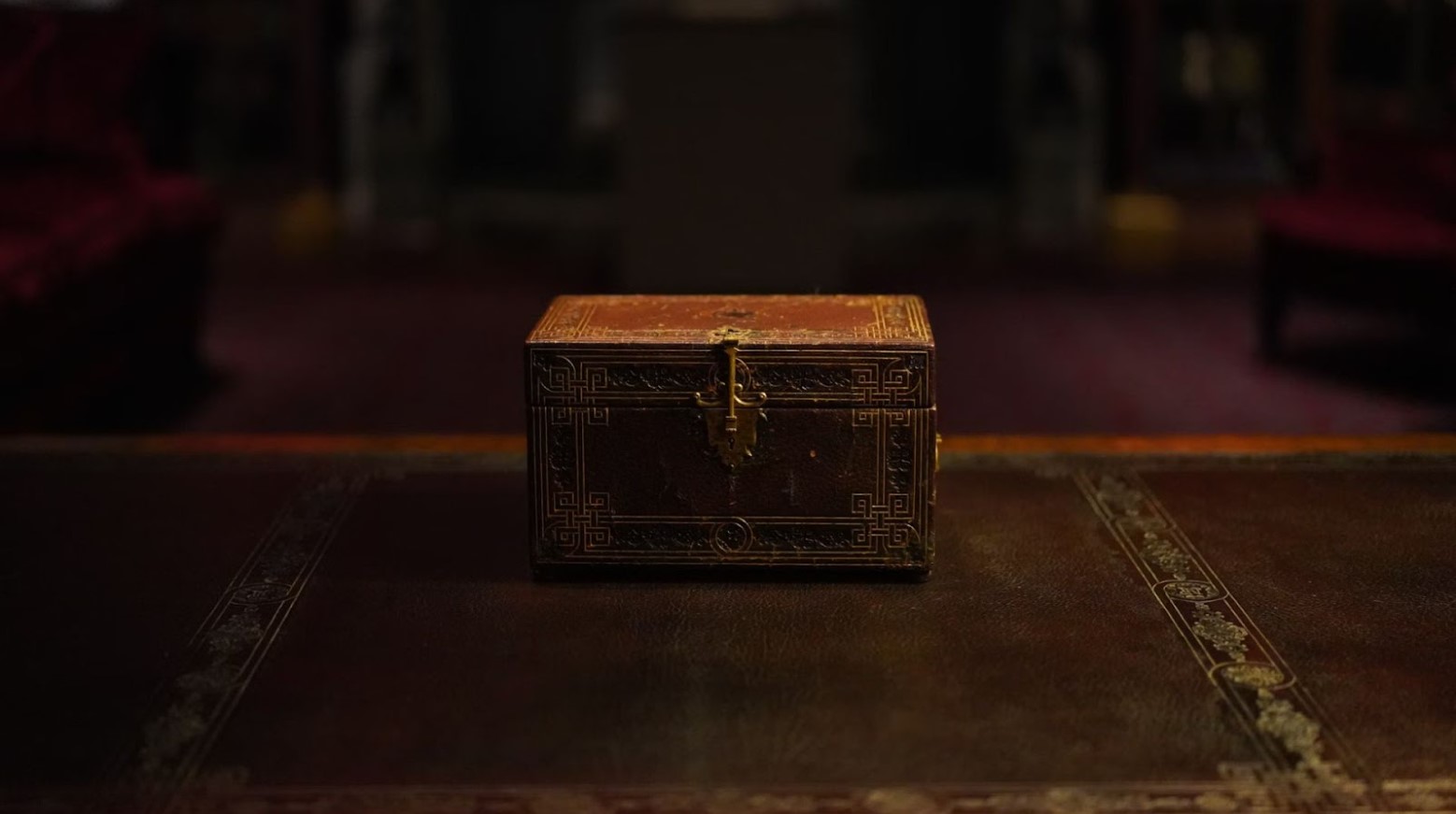
Either because they didn’t realize how special the coins were or because they didn’t want others to know what they had, the two brothers kept the coins hidden in a box.
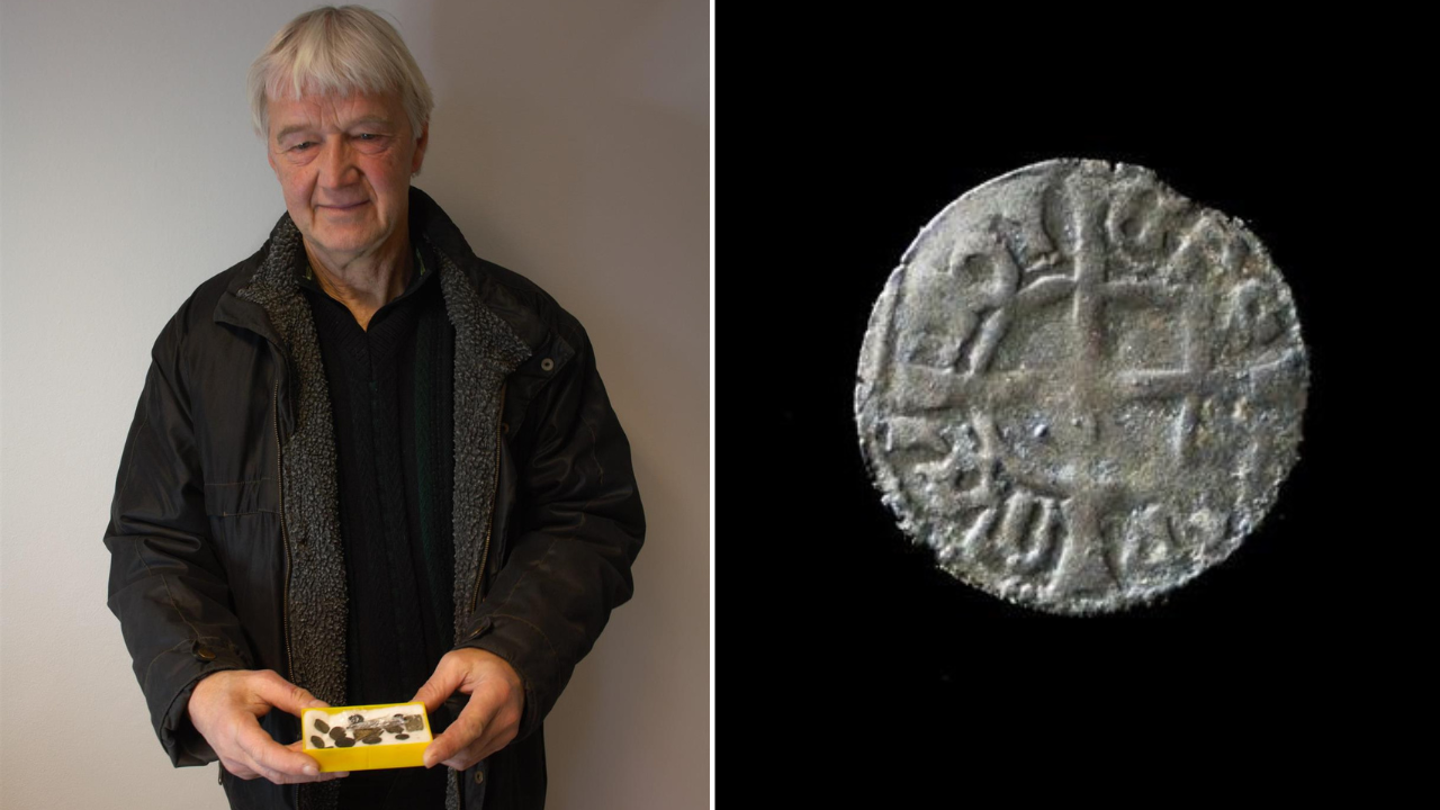
However, 60 years after these findings, one of the brothers, Jan Gunnar Fugelnes, gave the box of coins to archaeologists who were conducting investigations around the church where the coins were found.
Archaeologists Were Interested in the Area
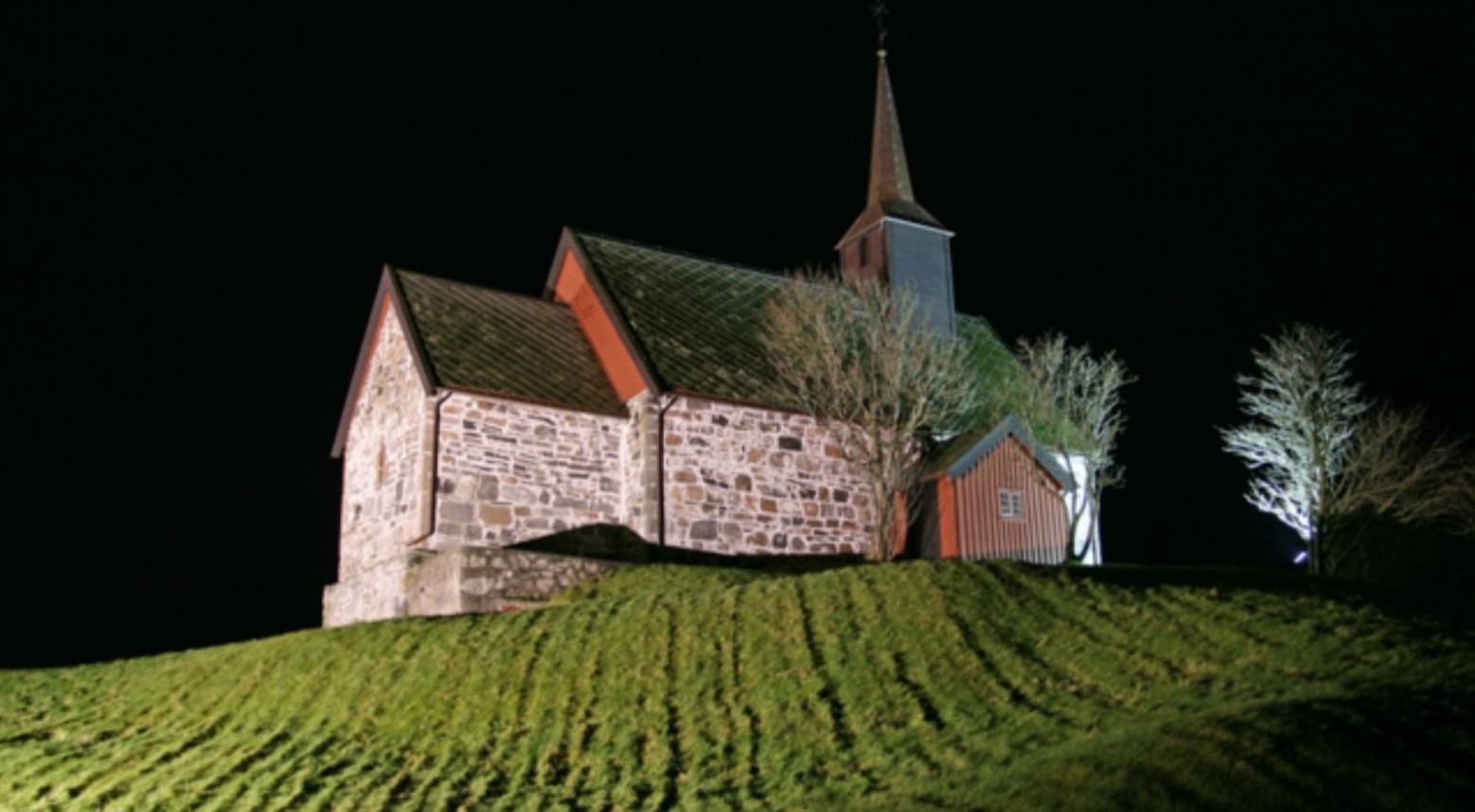
Before they were aware of the coins, archaeologists were interested in the church and local area, according to NRK.
The archaeologists became aware that the coins had previously been there, and so Jan Gunnar Fugelnes decided to give the coins up when he realized they could have been more than just a few lost trinkets.
More Archaeological Finds Discovered in 2019
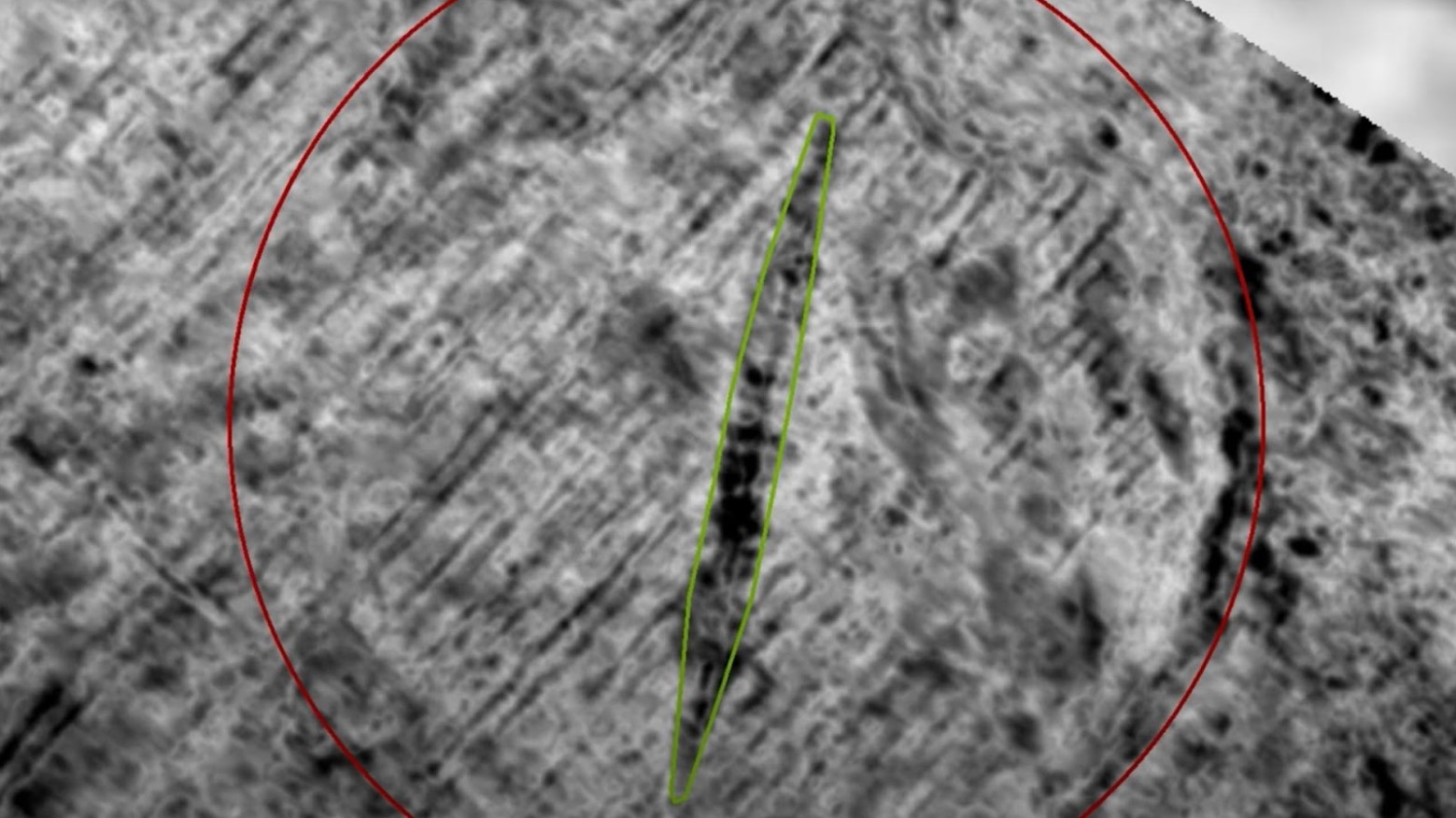
The coins were found at a church in Edøy, an area that has become increasingly interesting to archaeologists in recent years.
According to Popular Mechanics, the area was important during the Iron Age, and many graves and even a Viking ship were found there in 2019.
The Boys Didn’t Just Find Coins

Coins were not the only items the boys encountered when in the church. The Germans had dug up the church during World War II to hide ammunition, which is how they were able to access the coins.
Jan Gunnar Fugelnes also said that they had found three fittings, an amber pearl, and nine needles, something he told Møre and Romsdal County Municipality.
There Are Some Theories as to Where the Objects Came From

You don’t often tend to find coins, needles, and various other objects when digging around buildings, but archaeologists have theories on how these items got there.
It is believed that the pearl comes from a prayer wreath and that the needles are likely part of a deceased person’s clothing.
The Coins Are Incredibly Rare
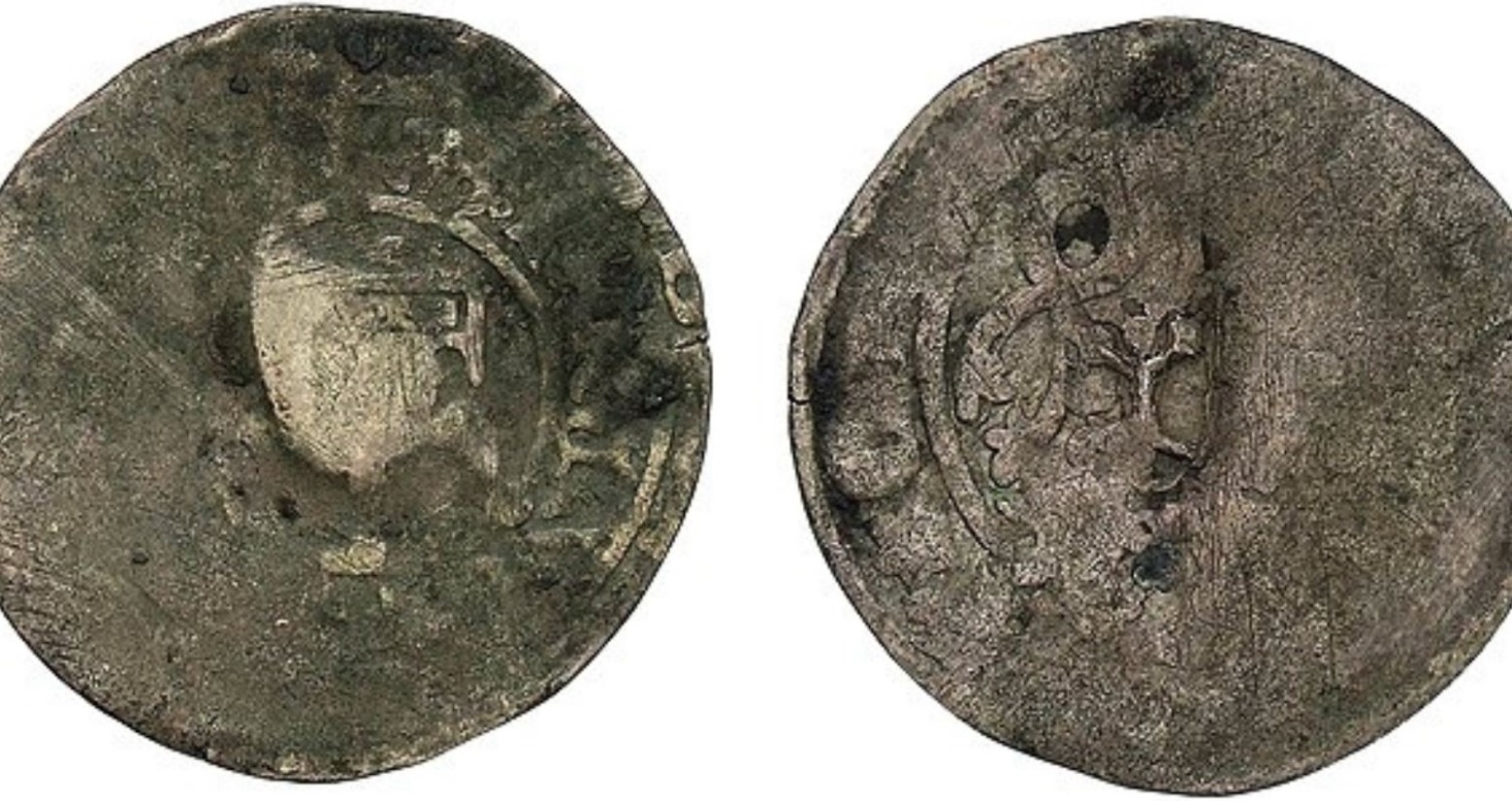
While the other objects they found are interesting, it was the coins that archaeologists were particularly interested in.
The coins are believed to have come from the Middle Ages, and very few of these types of coins have been found in central Norway.
The Coins Were Printed by Magnus Lagabote
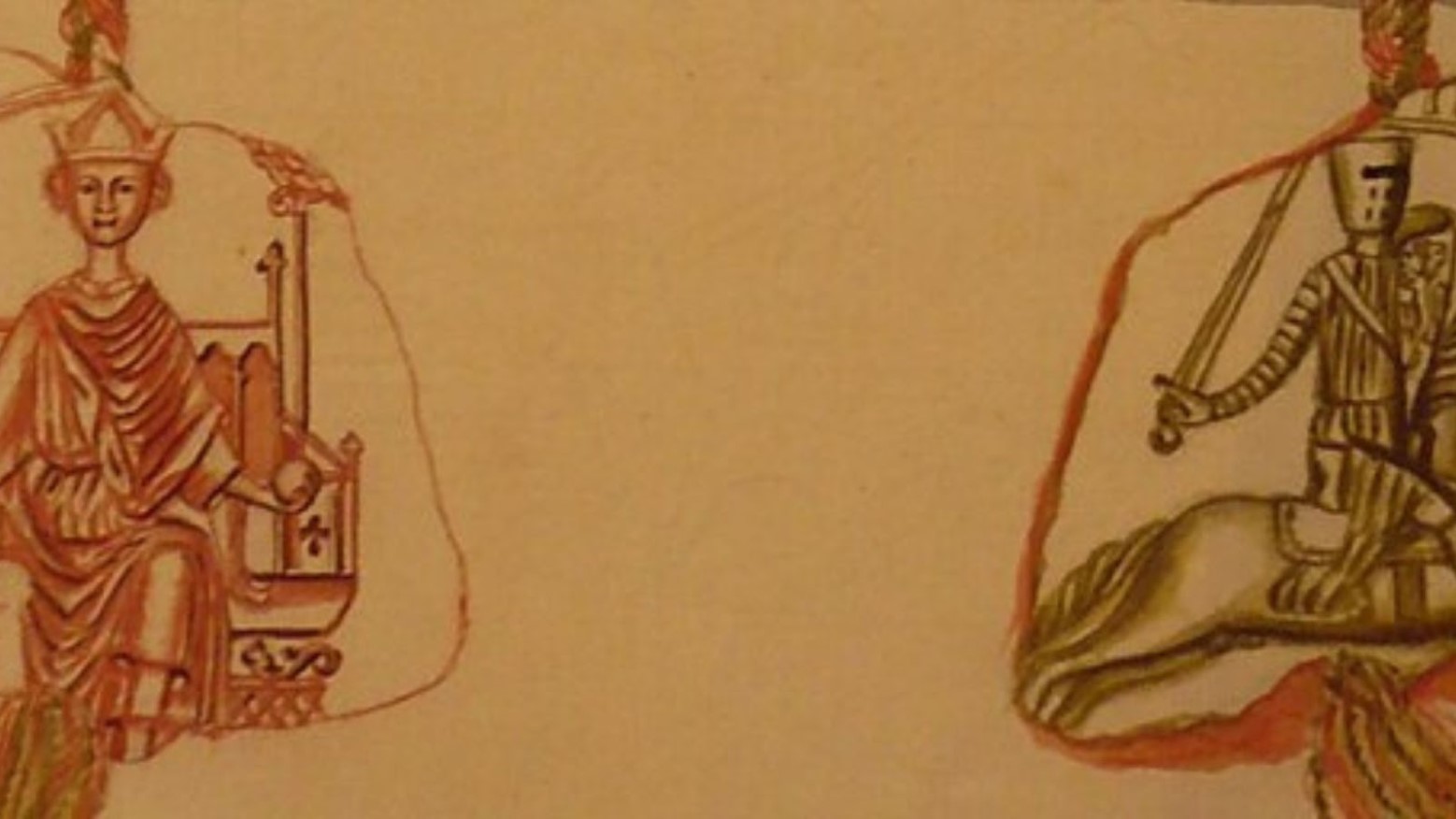
Magnus Lagabote, who was also King of Norway from 1263 to 1280, played an important part in Norway’s history and may be why the coins are so important.
He was known as a lawmaker, and Norwegian SciTech News reports that the Norwegian Code of the Realm is a major reason why Norwegians understand and trust the law today.
The Coins Now Belong to the State
If Jan Gunnar Fugelnes was hoping to keep the coins as he has for the last 60 years, he may be disappointed.
The Cultural Heritage Act states that coins that were made before 1650 and that had not been privately owned before 1905 now belong to the state, according to the International Numismatic Council. So, unfortunately, Fugelnes has had to hand the coins over.
One of the Coins Was Particularly Rare
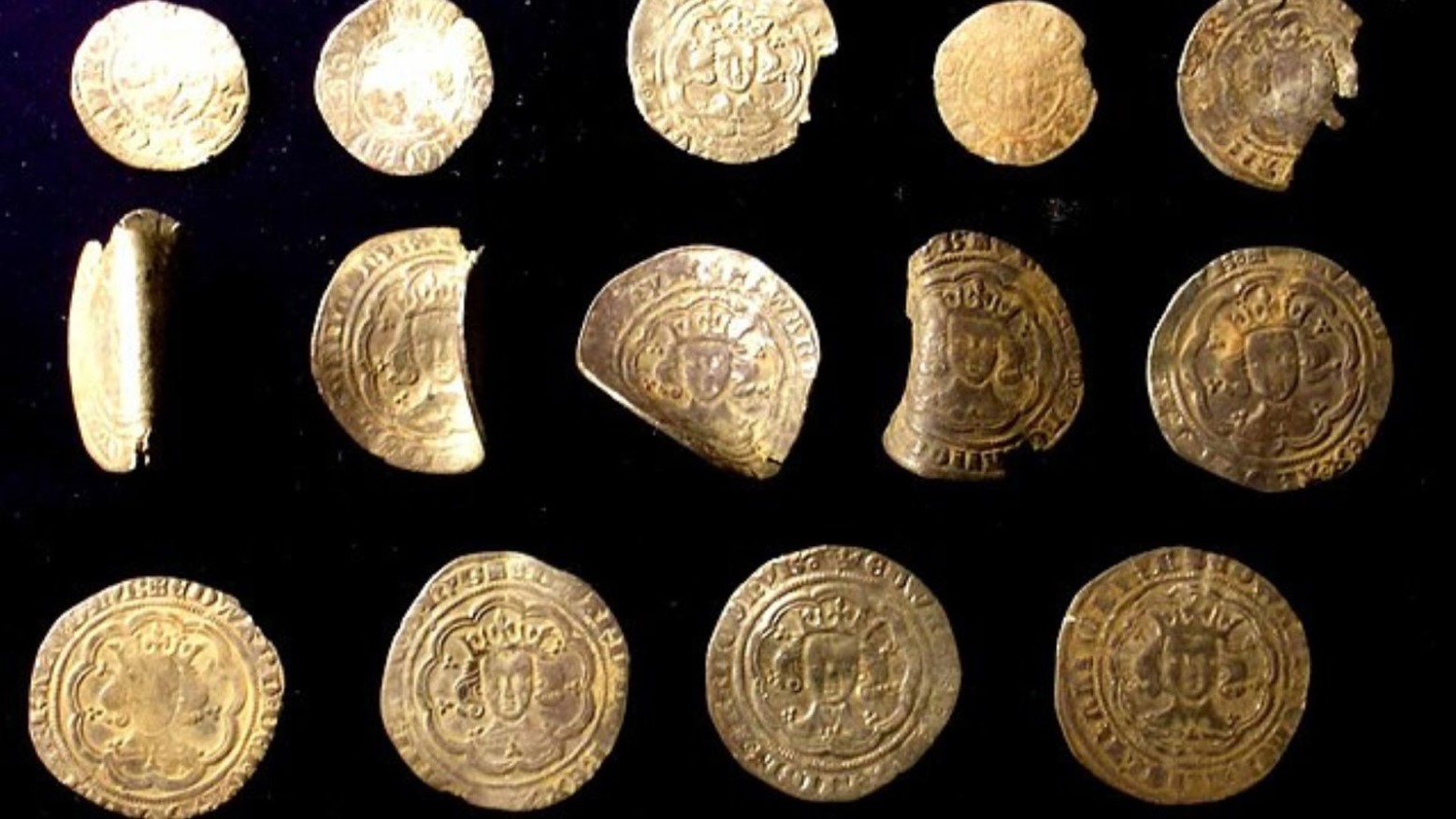
Fourteen coins were found in total, and the majority of them are believed to be from around 1300 to 1350.
However, one coin is believed to have been from between 1450 to 1481, which makes it incredibly special in this collection.
The Coins Will Go Through Further Analysis

To confirm exactly what the coins are and where they came from, they will need to go through further analysis.
The coins have been sent to the Science Museum and Jon Anders Risvaag. They are hoping that further analysis of the coins will enable them to get a better picture of what coins and trade were like in Norway in the Middle Ages.