Microbiologist Claims That Humans Would Have Much Longer Lifespans if it Weren't for Dinosaurs

A microbiologist has proposed a fascinating idea that suggests dinosaurs played a considerable role in the evolution of humans and the length of their lifespan.
According to João Pedro de Magalhães, the extinct reptiles forced mammals to speed up their reproductive cycles, which ultimately eliminated key longevity genes.
Mammals Lifespan Affected By Dinosaurs

Recent research completed by João Pedro de Magalhães, a microbiologist at the University of Birmingham, suggests that mammals struggle to live long lives due to dinosaurs.
The scientist alludes to the fact that the dinosaur era dramatically affected the evolutionary track of every mammal on Earth.
Reproduction Opposed to a Longer Life

According to de Magalhães, there was no point in the mammals focusing on living a long life as there was a good chance they’d get eaten by a dinosaur.
So, instead, most mammals refocused their efforts on rapid reproduction as opposed to longevity.
Dinosaur-Era Restraints

The microbiologist claims that mammals actively evolved away from living longer lives to ensure the survival of their species.
He calls this process the “longevity bottleneck hypothesis.” De Magalhães goes on to suggest that even though mammals, including humans, can have long lives, they still operate under dinosaur-era restraints.
Breaking Down The Hypothesis

De Magalhães would eventually publish a paper in BioEssays, which broke down his unique hypothesis.
“My hypothesis is that such a long evolutionary pressure on early mammals for rapid reproduction led to the loss or inactivation of genes and pathways associated with long life,” said de Magalhães
Millions of Years in the Making

The microbiologist notes that while humans, elephants, and whales can all live reasonably long lives, most mammals live under genetic constraints that evolved millions of years ago.
“Evolving during the rule of the dinosaurs left a lasting legacy in mammals.“For over 100 million years when dinosaurs were the dominant predators, mammals were generally small, nocturnal, and short-lived.” de Magalhães wrote.
Reasons Behind The Unique Evolution

Mammals were under immense pressure in their everyday lives during the dinosaur era. During this period, De Magalhães believes they were forced to eliminate the genes required for a long life.
He compares mammals to other animals, such as reptiles, who have a much slower biological aging process. He hypothesized that during the Mesozoic era, mammals deactivated or lost such genes.
The Life of a Mammal Millions of Years Ago

According to the microbiologist, mammals were forced to live towards the bottom of the food chain during the dinosaur era.
They have likely spent 100 million years during the age of the dinosaurs evolving to survive through rapid reproduction.”
Effects of the Dinosaur Era on Humans
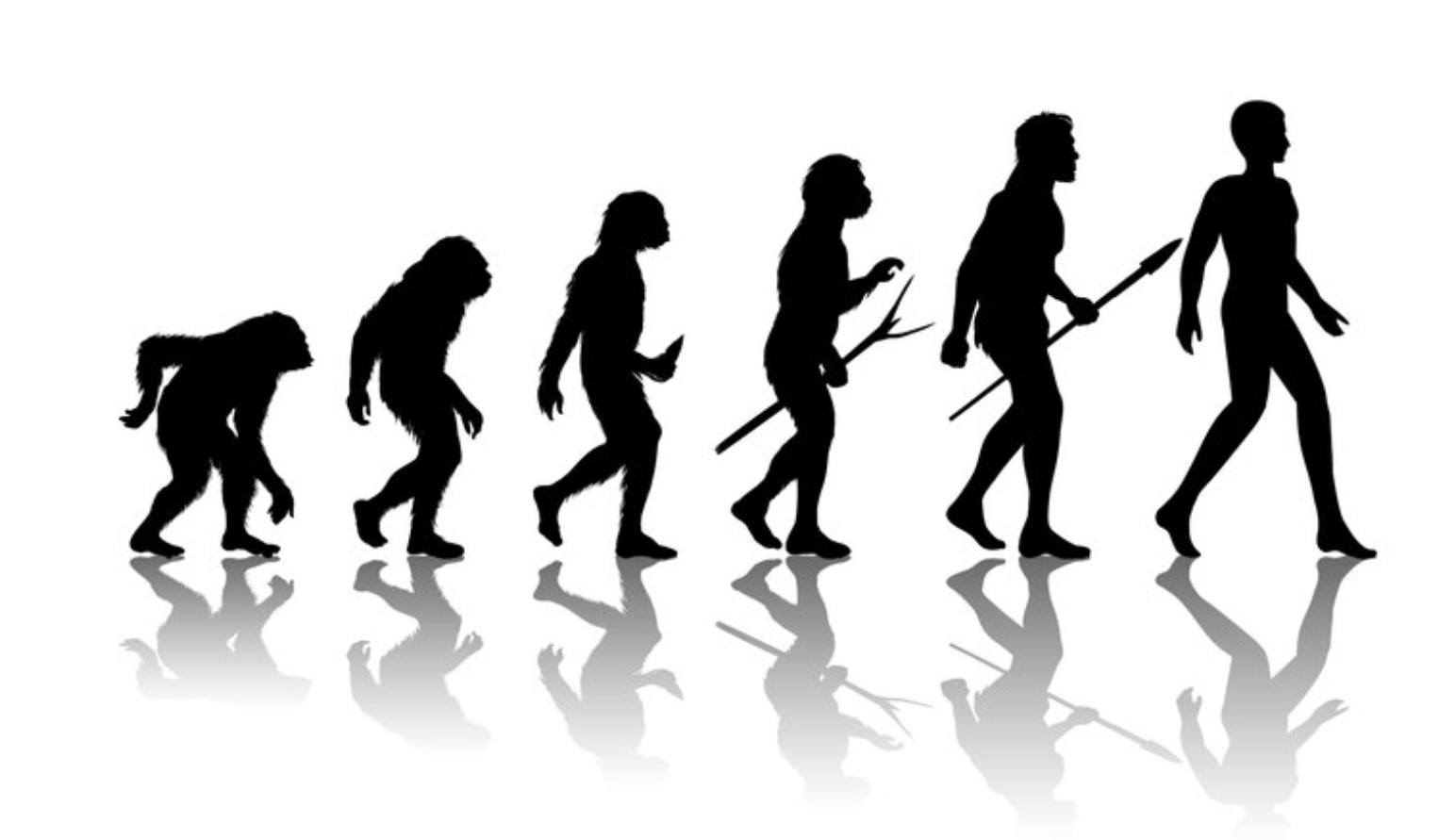
De Magalhães surmised that this long period of evolution during the dinosaur era affected all future mammals, including humans.
“That long period of evolutionary pressure has, I propose, an impact on the way that we humans age,” he said.
Deeper Dive Into Research
As de Magalhães further researched his theory, he came to believe that a loss of enzymes for mammals during the Mesozoic Era limited their ability to repair damage.
Examples include the loss of essential enzymes that restore skin damaged by ultraviolet light from the sun. Also, the microbiologist noticed that the teeth of mammals don’t continue growing throughout their life like reptiles.
Unnecessary Genes

Scientists have proven the remarkable regeneration abilities of various animals, including most reptiles.
However, de Magalhães said this would have been “unnecessary for early mammals that were lucky not to end up as T. Rex food.”
Nothing But a Hypothesis For Now

While de Magalhães readily admits that all of his research is nothing more than a hypothesis as it stands, he thinks it could have substantial explanatory power.
“There are lots of intriguing angles to take this, including the prospect that cancer is more frequent in mammals than other species due to the rapid aging process,” he said.