Human Bones Found in a German Cave Could Rewrite History
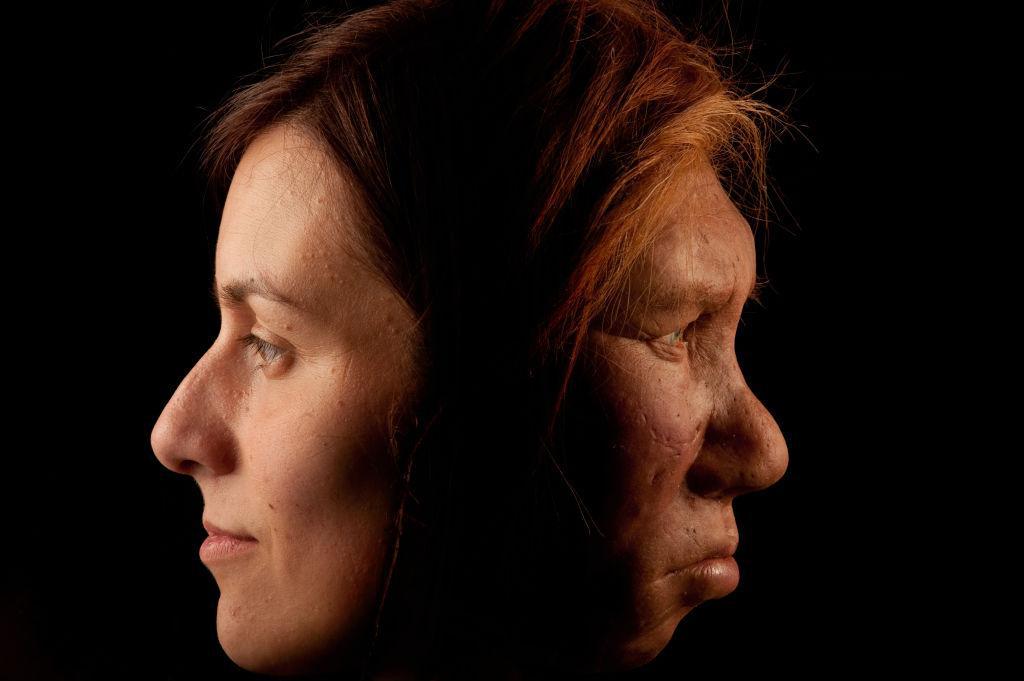
Tiny fragments of bone were found in a cave in Germany, and thanks to detailed research using the latest technologies, scientists have an entirely new theory on the history of human beings.
For decades, historians have believed that Homo sapiens only made their way to Europe after the Neanderthals had died out. But these bones found in the German cave of Ilsenhöhle tell a different story.
The Long Believed Theory of Neanderthals and Homo sapiens
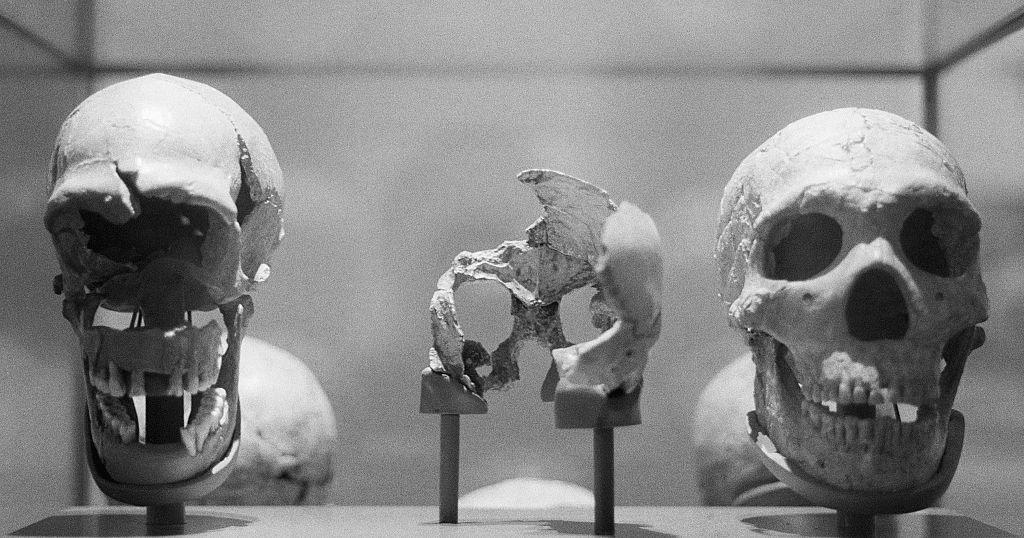
There has been an ongoing debate as to when Homo Sapiens first arrived to the continent of Europe and whether or not they ever socialized with their relatives, the Neanderthals.
However, the most commonly believed theory has always been that Homo sapiens migrated from Africa just as Neanderthals were going extinct. Which would have led to little or no overlap between the two species.
The Lincombian-Ranisian-Jerzmanowician Technocomplex
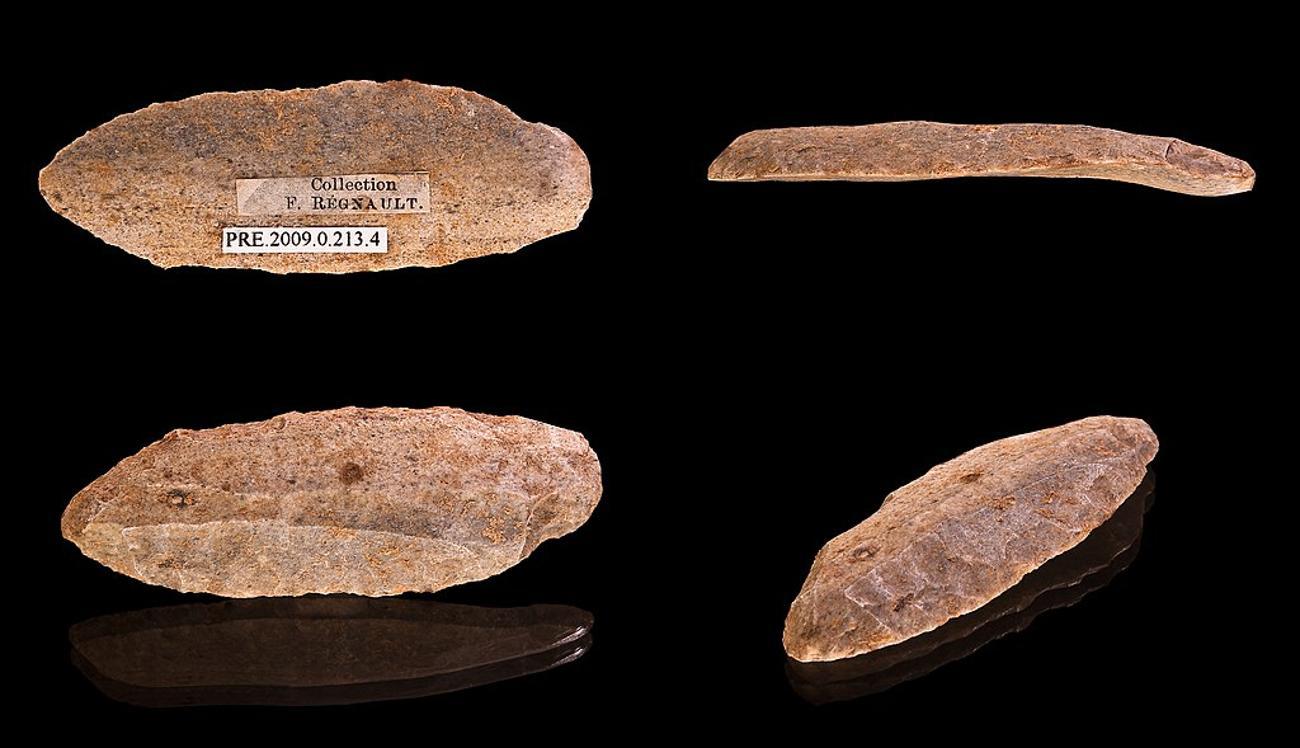
Referred to as LRJ, the Lincombian-Ranisian-Jerzmanowician Technocomplex, is a culture dating to about 45,000 years ago. LRJ is typically characterized by blades or leaf points.
And as Jean-Jacques Hublin, a professor of paleontology at the College of France explained, “The usual wisdom was to consider that they were made most likely by late Neanderthals.” But now, they’re not so sure.
LRJ Tools Were Found in the Ilsenhöhle Cave

In the Ilsenhöhle cave in Ranis, Germany, paleontologists found examples of LRJ blades, which, in itself, was wildly exciting as they are quite few and far between.
However, what made this dig even more captivating was that they also found piles of small bone fragments. At first, they didn’t know who or what the bones once belonged to, but thanks to diligent research, they were able to figure it out.
Ongoing Research on the Bone Fragments Found in Germany
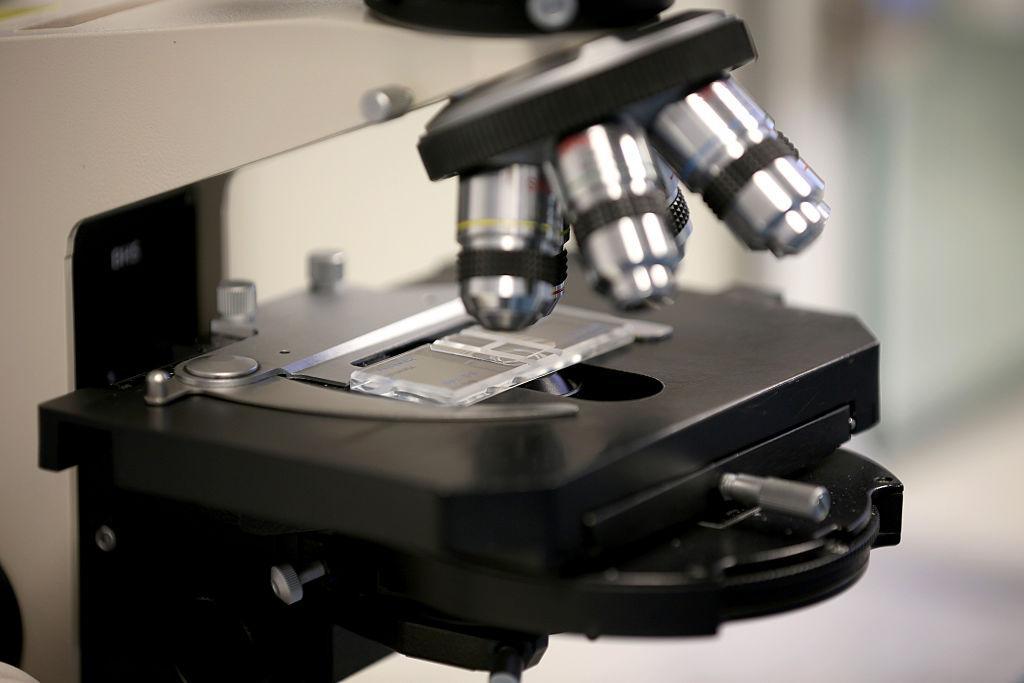
Researchers first analyzed the bones with zooarchaeology by mass spectrometry, otherwise known as ZooMS. With this technology, they found out that 13 of the 2,000 bone pieces were in fact human.
But they still didn’t know whether the bones were from an ancient Homo sapien or Neanderthal.
DNA Analysis Was Next
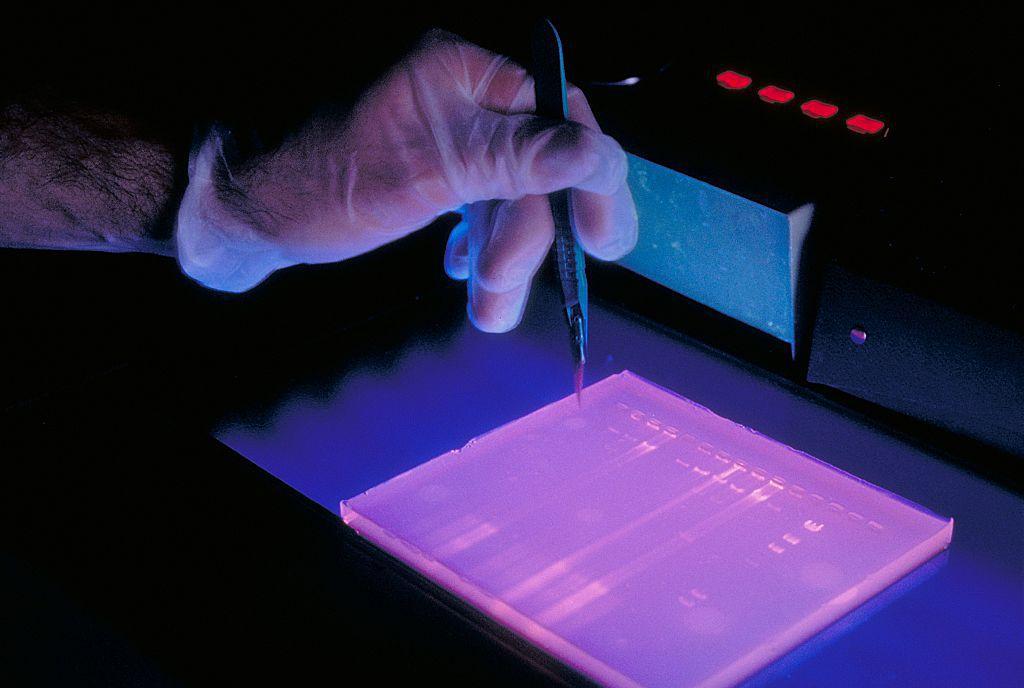
Next, the researchers extracted DNA from the bone fragments and were able to verify that they were, in fact, once part of a Homo sapien body.
At first, the team believed that they had proven that Homo sapiens, not Neanderthals, used LRG blades. But then, something even more incredible happened.
Radiocarbon Dating Told Them So Much More
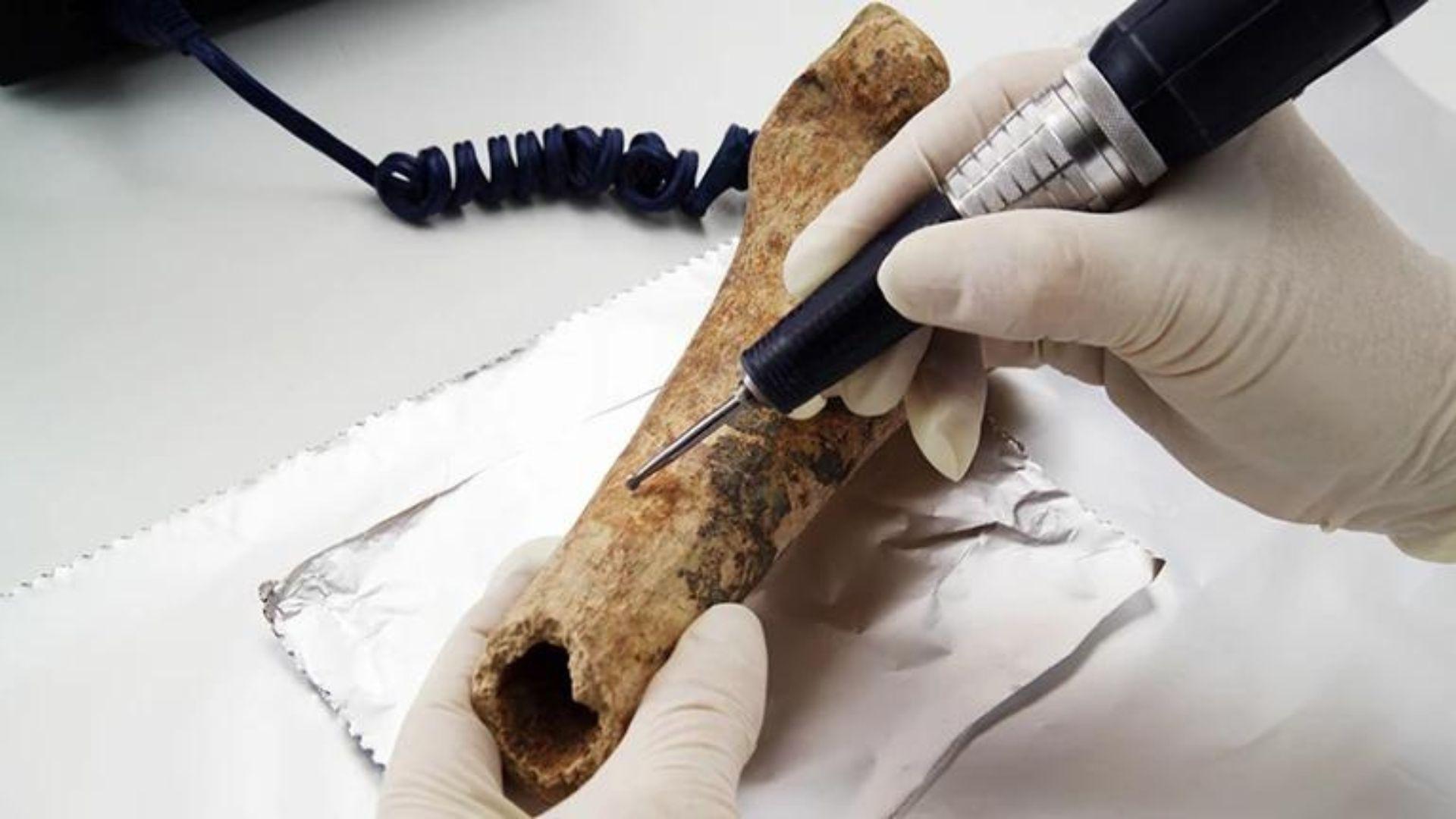
After using radiocarbon dating, they realized that the bones belonged to Homo sapiens that apparently lived in or at least visited Germany 47,500 years ago.
And for decades, historians have argued that Homo sapiens didn’t make their way to the western side of the continent until 42,000 years ago.
The First Pioneers

Thanks to these amazing tiny pieces of bone, most researchers now believe that they were incorrect in their assumptions about the early Homo sapiens’ journey from Africa to Europe.
They once thought that Homo sapiens didn’t really arrive until Neanderthals were already close to extinction, but now it seems that groups of “pioneer” Homo sapiens were wandering around the continent while Neanderthals were very much alive and well.
Homo Sapiens’ Transition to the European Climate Would Have Been Quite Challenging
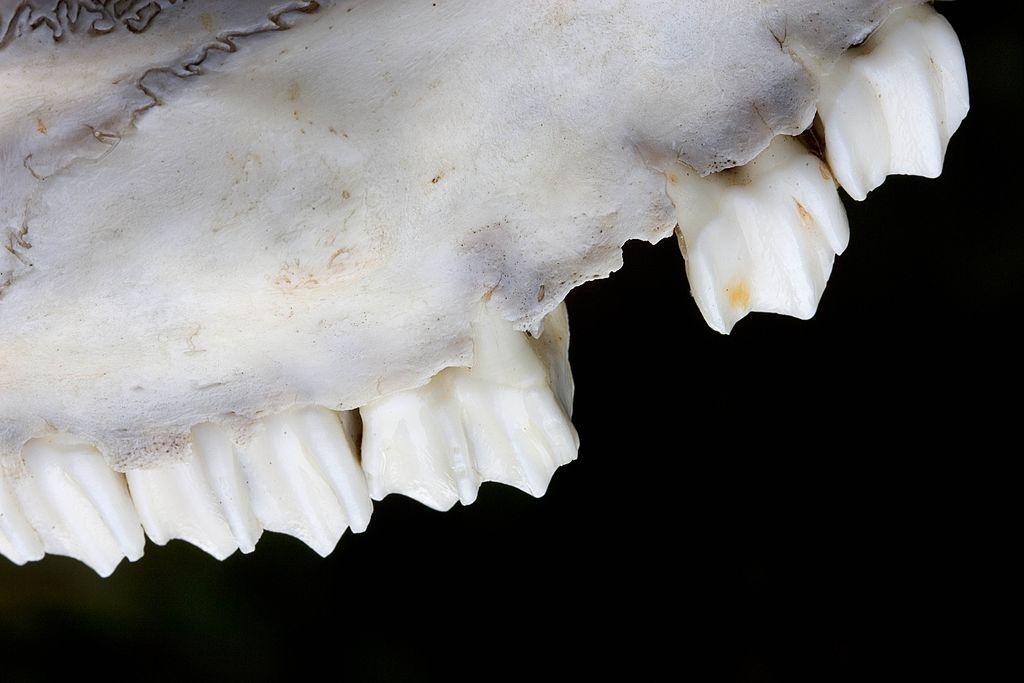
It’s important to understand that in addition to the thousands upon thousands of miles they would have walked to get from Africa to Europe, early Homo sapiens would also have struggled to handle the continent’s colder climate.
Experts understand through the analysis of animal teeth of wooly mammoths and reindeer, that Europe was anywhere between 44 and 59 Fahrenheit degrees colder 45,000 years ago than it is today. This would have made it even more challenging to move from the deserts of Africa.
Homo Sapiens Undoubtedly Lived in Europe Long Before We Originally Thought
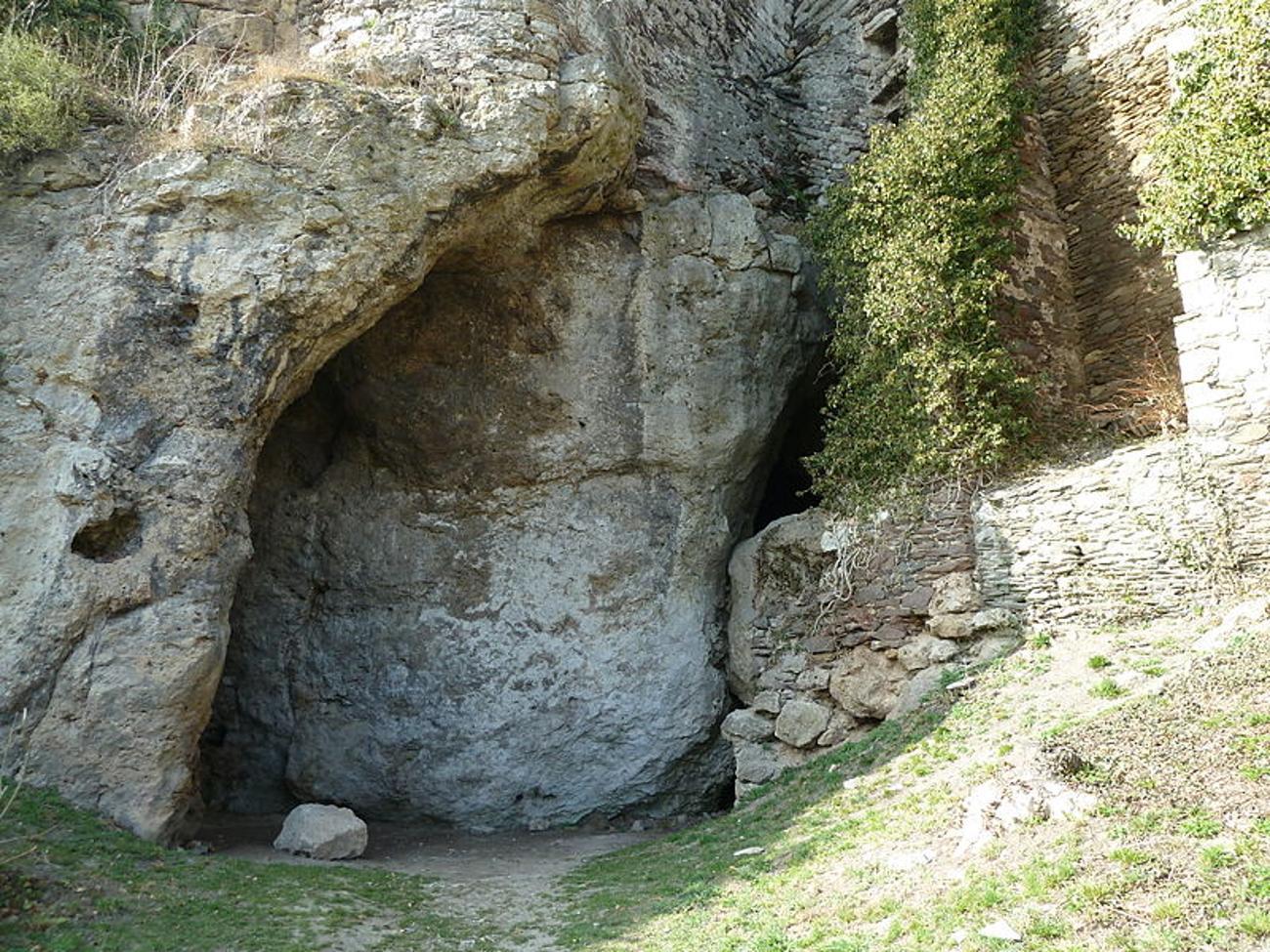
Some scientists have even argued that Homo sapiens wouldn’t have been able to handle the extreme change in weather.
But since the researchers in Ranis, Germany, undoubtedly found Homo sapien bones from 47,500 years ago, they now know that, somehow, they could handle the cold.
It’s Almost Impossible to Know Anything for Sure About Our Ancient Ancestors
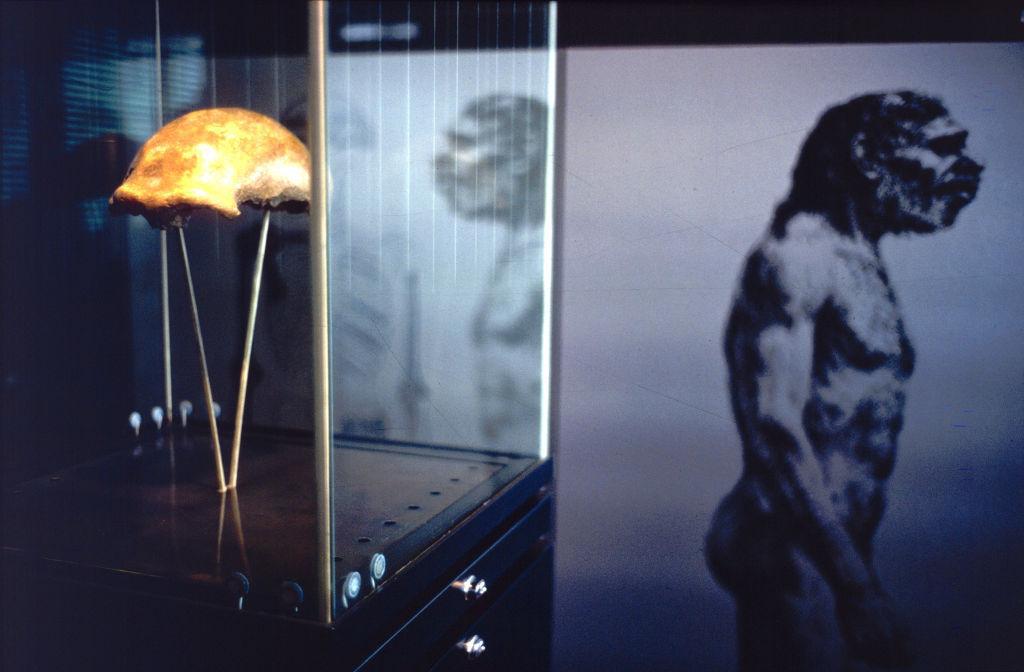
Thanks to animal teeth, LRJ blades, human bone pieces, radiocarbon dating, ZooMS technology, and dedicated scientists, we know more about our ancient ancestors than ever before.
However, as experts are constantly finding new fragments of our incredibly long history, it’s seemingly impossible to know anything for sure.
The Last Question on Everyone’s Mind
The findings in the Ilsenhöhle cave in Germany have certainly changed the way historians, anthropologists, and archaeologists understand the timeline of human history.
But one thing they still don’t know for sure is whether or not ancient Homo sapiens and Neanderthals actually lived with or near each other, or even knew the other existed. And until they find new information, it seems this question will remain unanswered.