Experts Found 2,000-Year-Old Anonymous Bodies and Now They Found Out They Were Royals
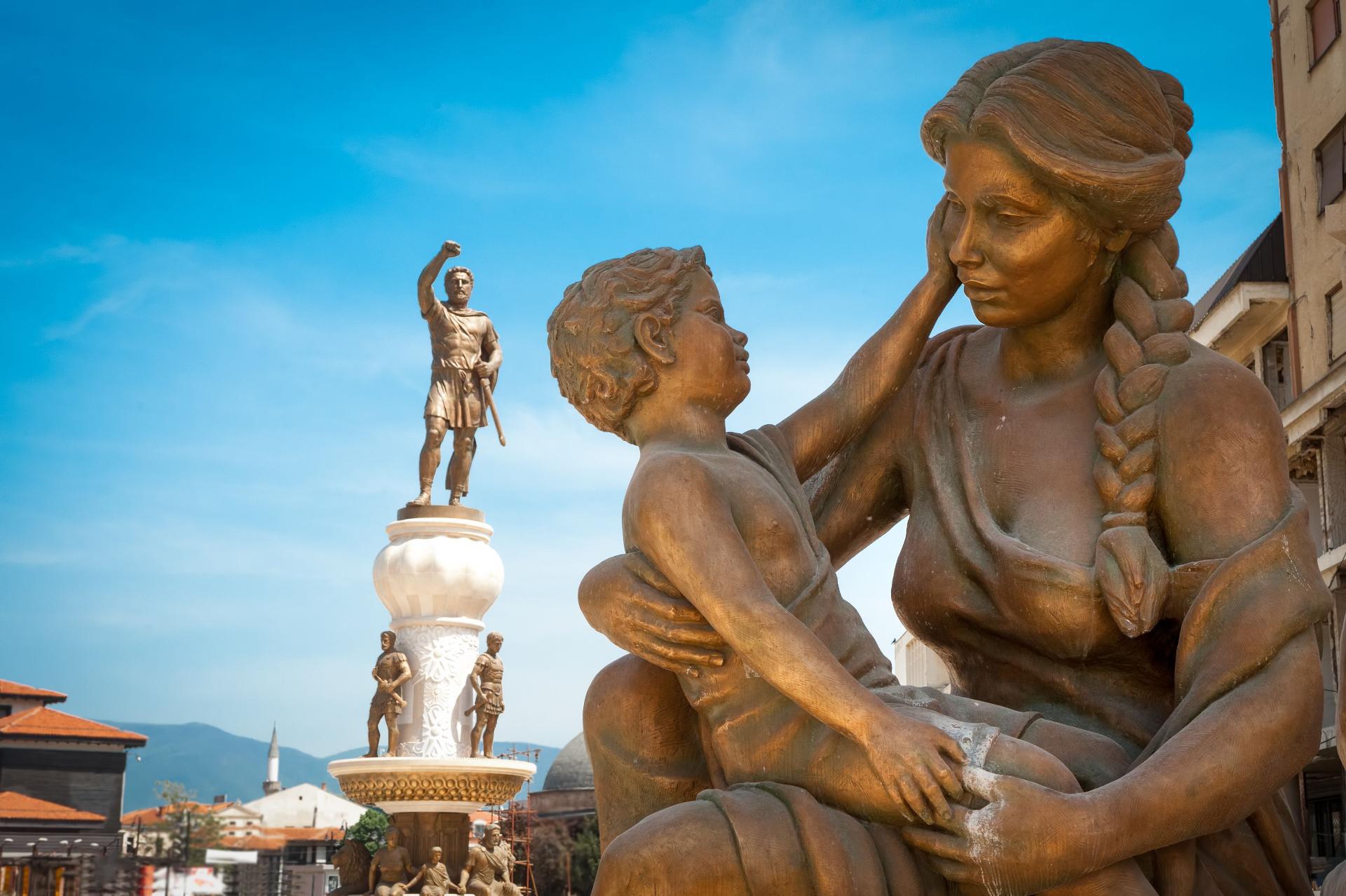
Since several large tombs were discovered in what is now Vergina, Greece, in the late 1990s, archaeologists have known it was most likely the final resting place of Alexander the Great’s father, Philip II of Macedon, sometimes referred to as Macedonia.
And now, more than 25 years later, researchers have the evidence they need to confidently say they’ve found an entire royal family, including King Philip II, as well as his son, daughter in law, and grandson.
Who Was Philip II of Macedon?
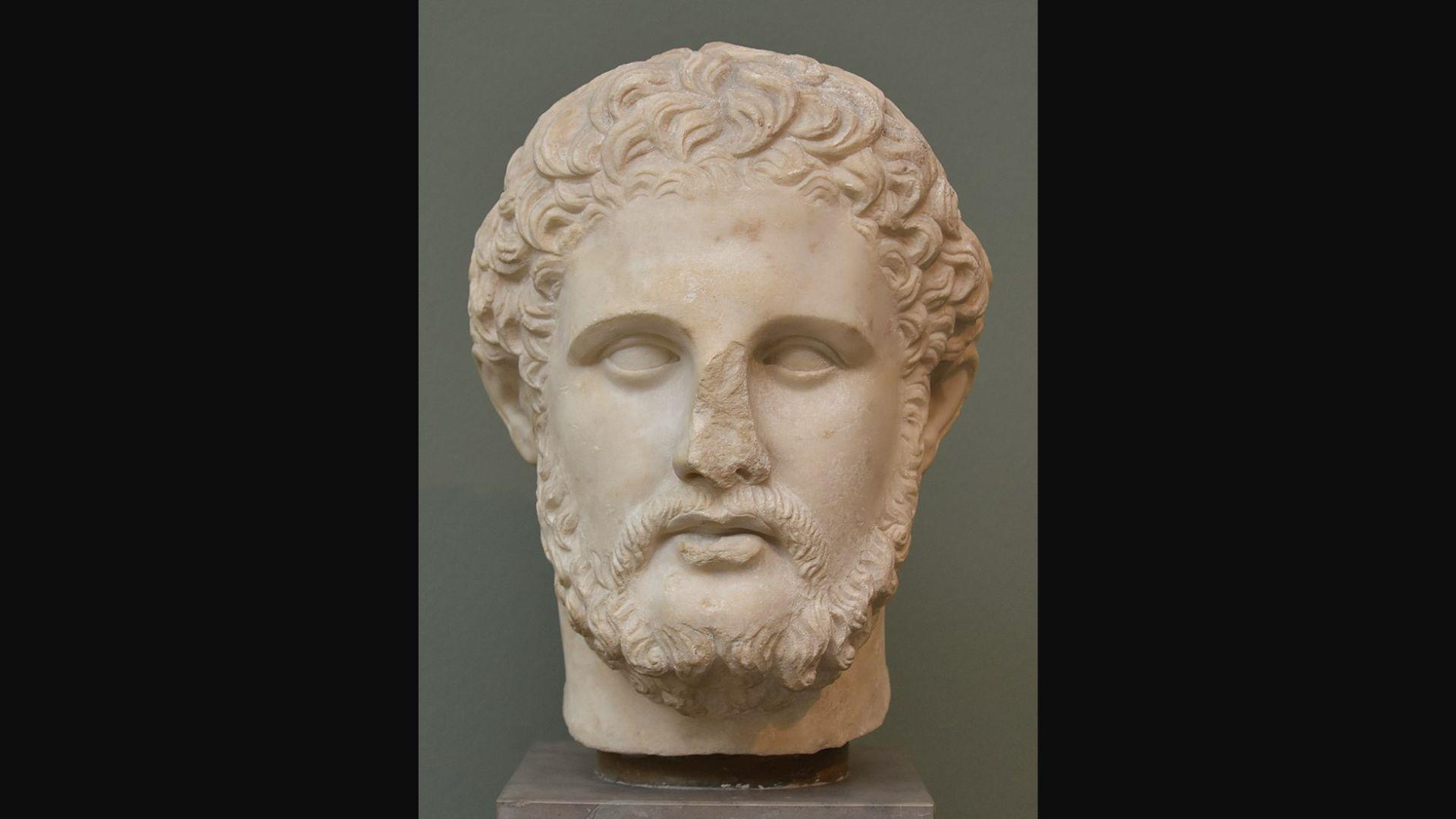
King Philip II of Macedon is well known among historians and academics for his significant contributions to the rise of the great kingdom and superior army of Macedonia. It’s widely understood that during Philip’s reign, he essentially consolidated what is now known to be Classical Greece after several successful battles.
However, it’s certainly safe to say that King Philip II is most famous for being father to the one and only Alexander the Great.
King Philip Lived a Short Life
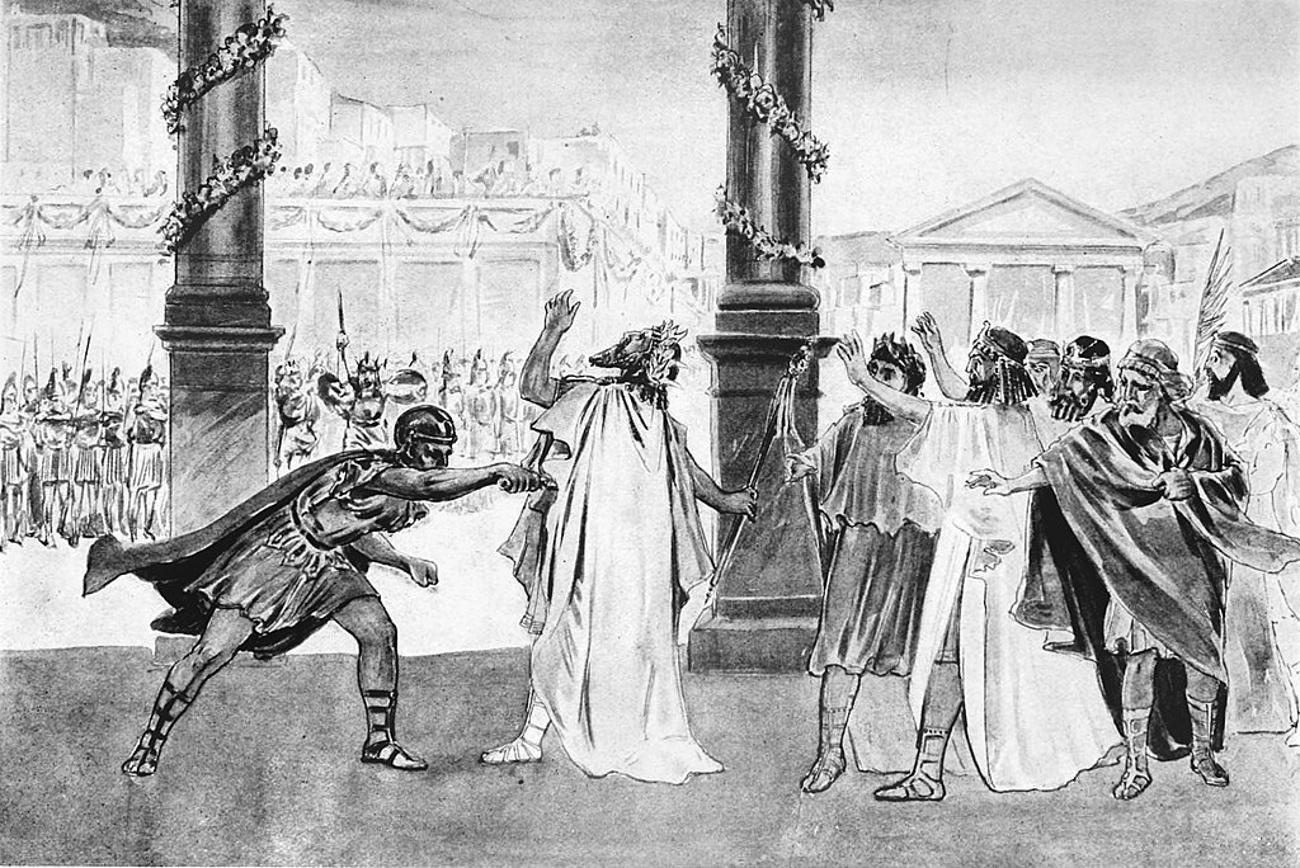
According to academics, Philip was planning the invasion of Persia when he was assassinated by his royal bodyguard at the young age of 46.
But because of his untimely death, it was his son, Alexander III, who not only invaded the Achaemenid Empire, but became one of the most respected, feared, and now, famous generals to ever live.
Alexander the Great Took His Father’s Kingdom and Expanded It
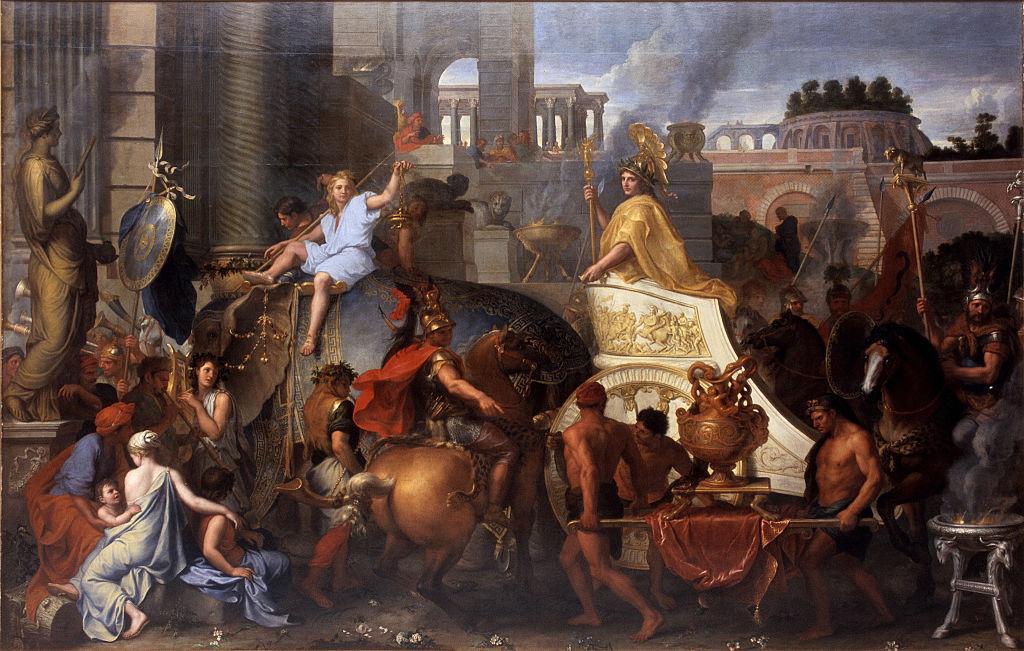
Some argue that Philip was well on his way to being a world-changing leader, and that without his accomplishments, his son never could have become Alexander the Great.
However, it’s impossible to know what might have been. At just 20 years old, Alexander did become king, and although he died only 12 short years later, he changed Macedon and the rest of the world.
The Royal Family of Macedon
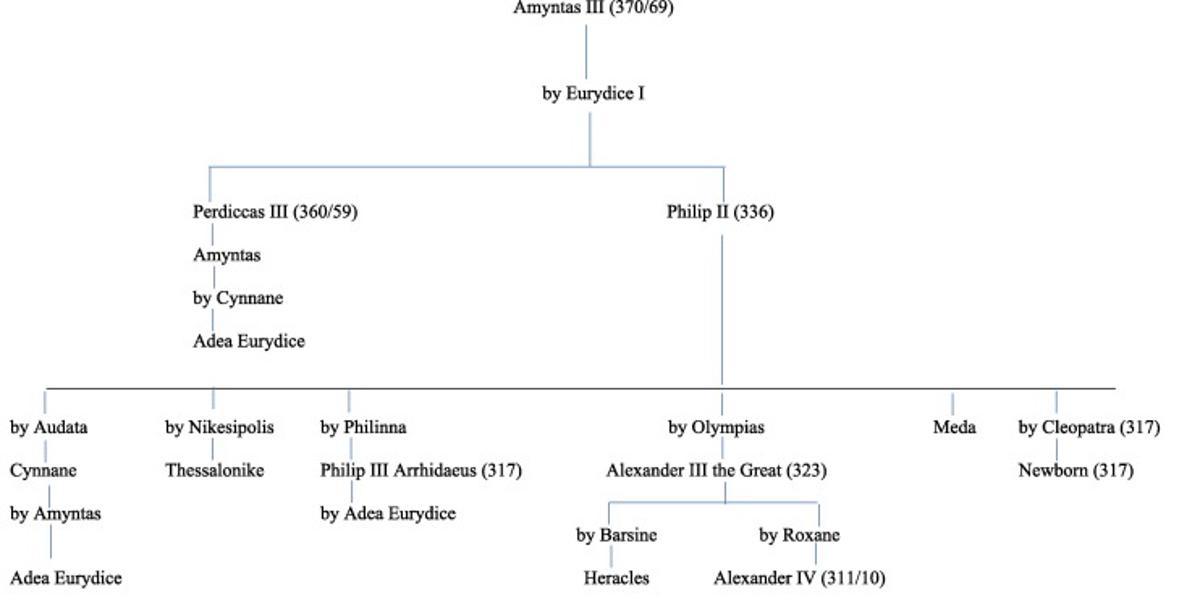
Alexander and his father Philip are undoubtedly the two most famous leaders of the 3rd century BCE. But it’s important to understand that the royal family of Macedonia was large, beloved, and, of course, feared all over the world.
In 168 BCE, just 200 years after Alexander the Great died, Macedonia finally fell to the Romans and the monarchy was abolished. And for almost 2,000 years, no archaeologist could find the final resting place of these important historical figures.
Everything Changed in 1977
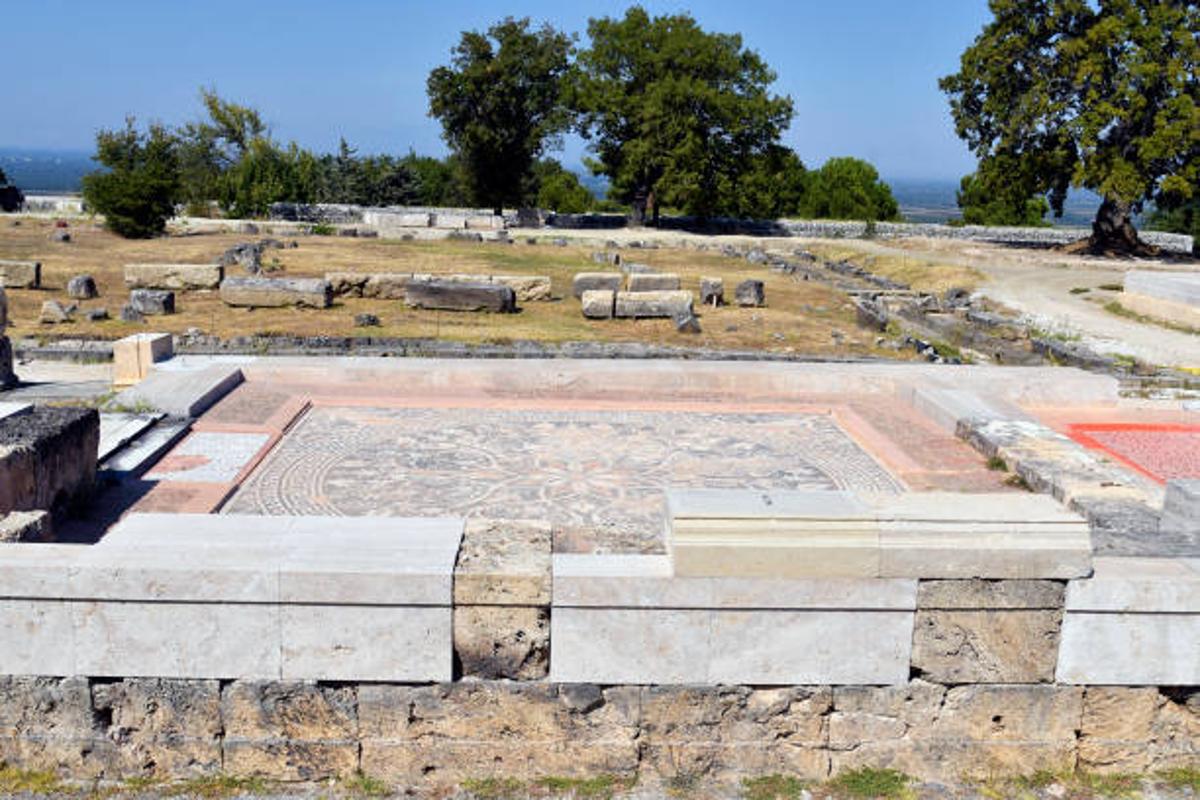
Thanks to ancient texts, academics have long known of the city of Aigai which was the first capital of Macedonia and where the royal tombs were said to be. However, they had no idea where it was.
Then, in 1977 Manolis Andronikos, a Greek archaeologist finally found the tombs of Aigai in what is now Vergina, Greece. He and his team set to work excavating the site looking for the body of King Philip II and other members of the royal family, but they couldn’t find them.
The Many Tombs of Aigai
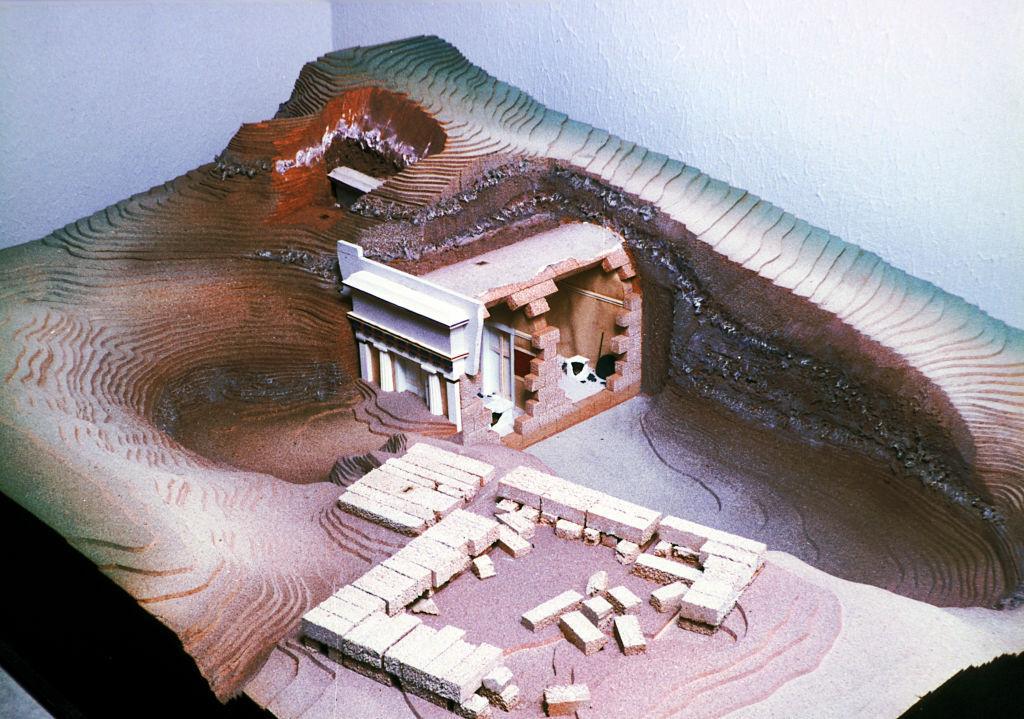
The ancient city of Aigai contains numerous tombs, and they have been analyzing the tombs and the remains inside for years.
But finally, thanks to modern technology such as x-rays and osteological analysis, they believe they have finally identified the bodies.
Tomb I Contains the Remains of King Philip II
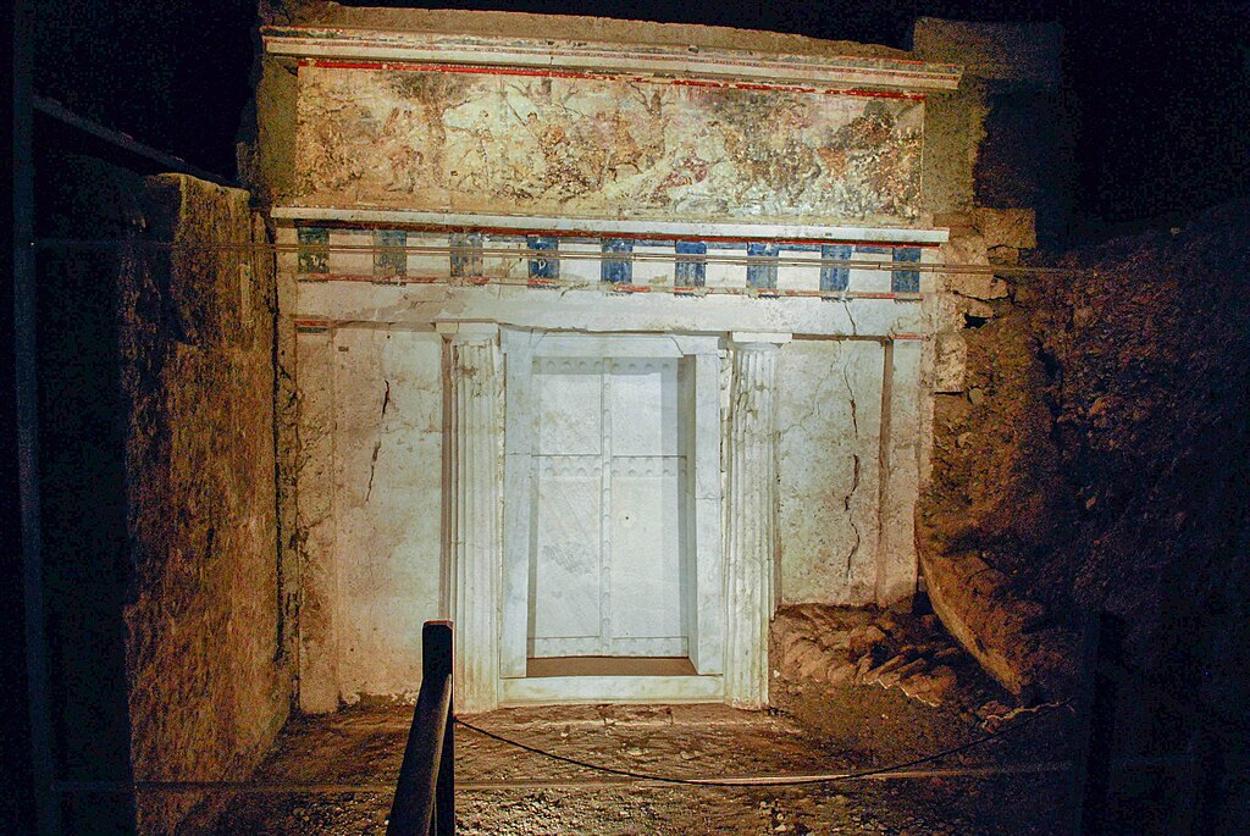
At first, archaeologists from US, Spain, and Greece who have been working tirelessly to identify the bones found at Aigai, believed that King Philip had been buried in Tomb II. Though, they didn’t have enough evidence to support the theory.
However, after several more long years of digging, they now know that they were incorrect in their theory. And, in fact, King Philip was laid to rest in Tomb I along with his wife, Cleopatra, and their infant son.
Tomb II Houses Alexander’s Half-Brother and His Wife
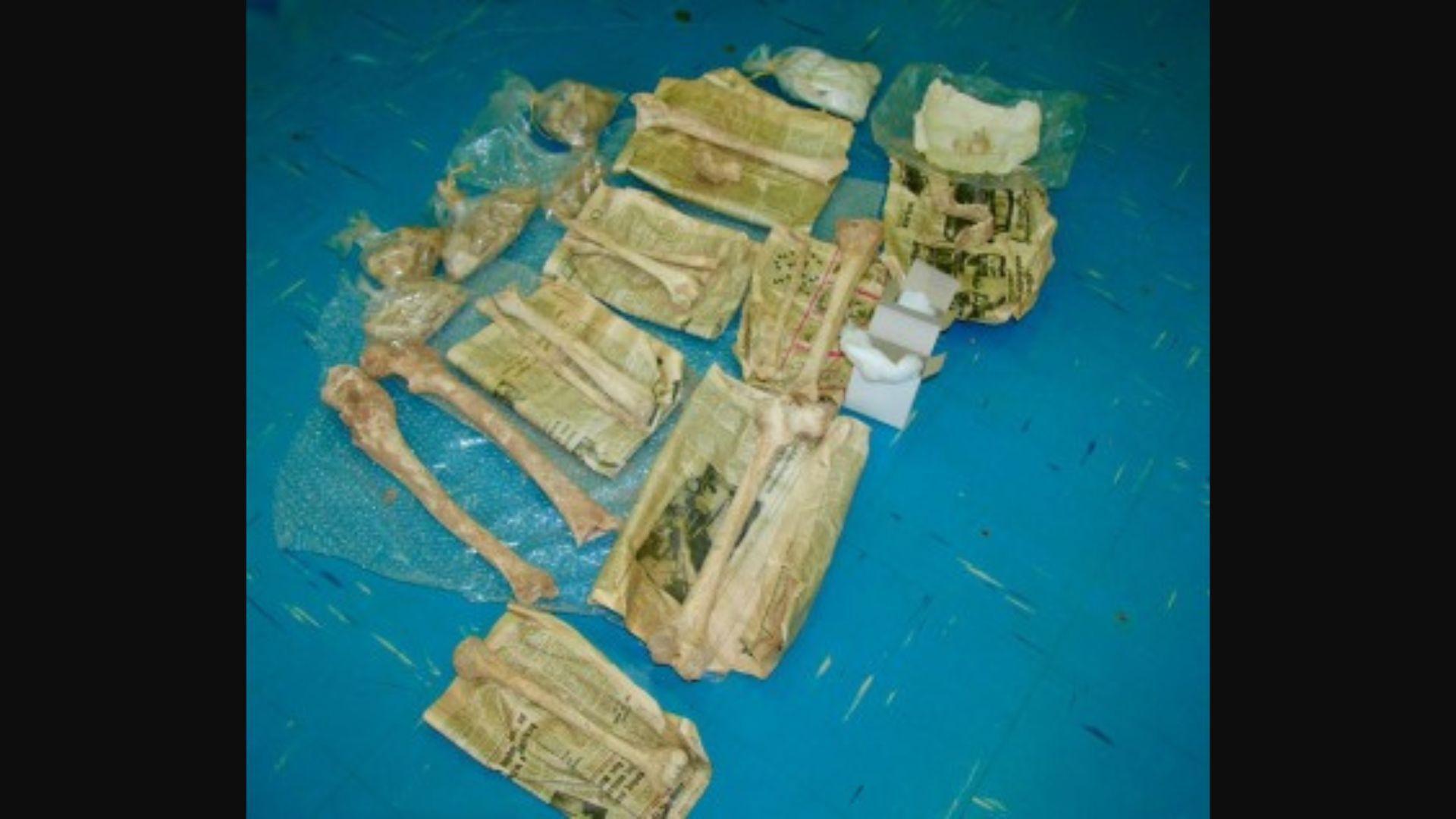
They’ve since deduced that the bones they found in Tomb II, who they believed to be King Philip, are actually Alexander the Great’s half-brother Arrhidaeus and his wife, Adea Eurydice.
And finally, they’ve announced that Alexander the Great’s son Alexander IV, who died when he was only a teenager, was buried in Tomb III.
Some of the Items in Tomb II Belonged to Alexander the Great
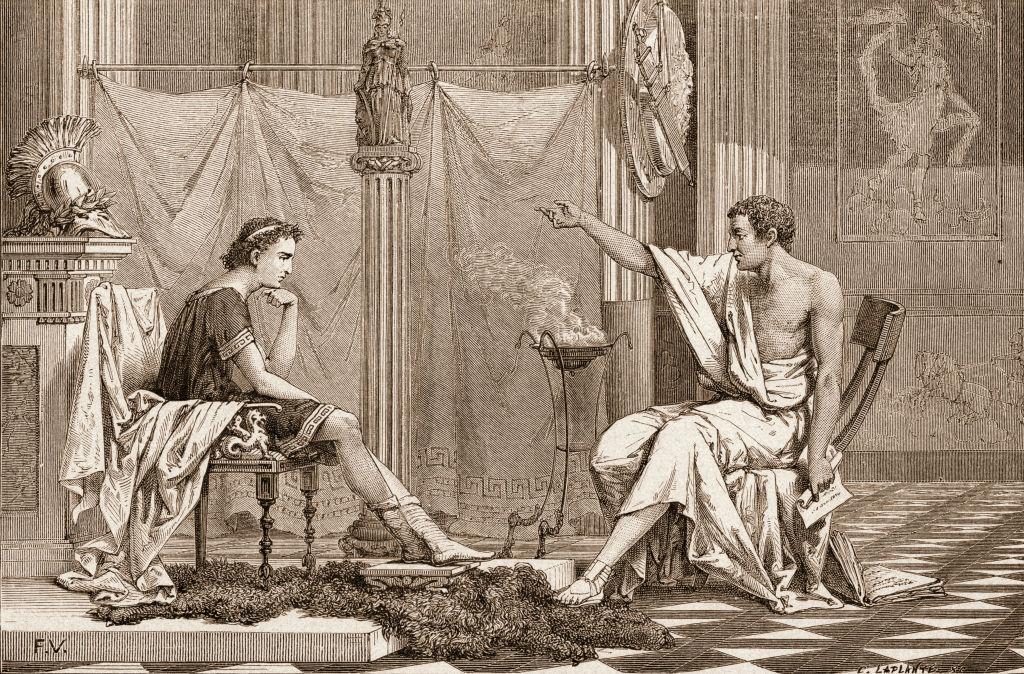
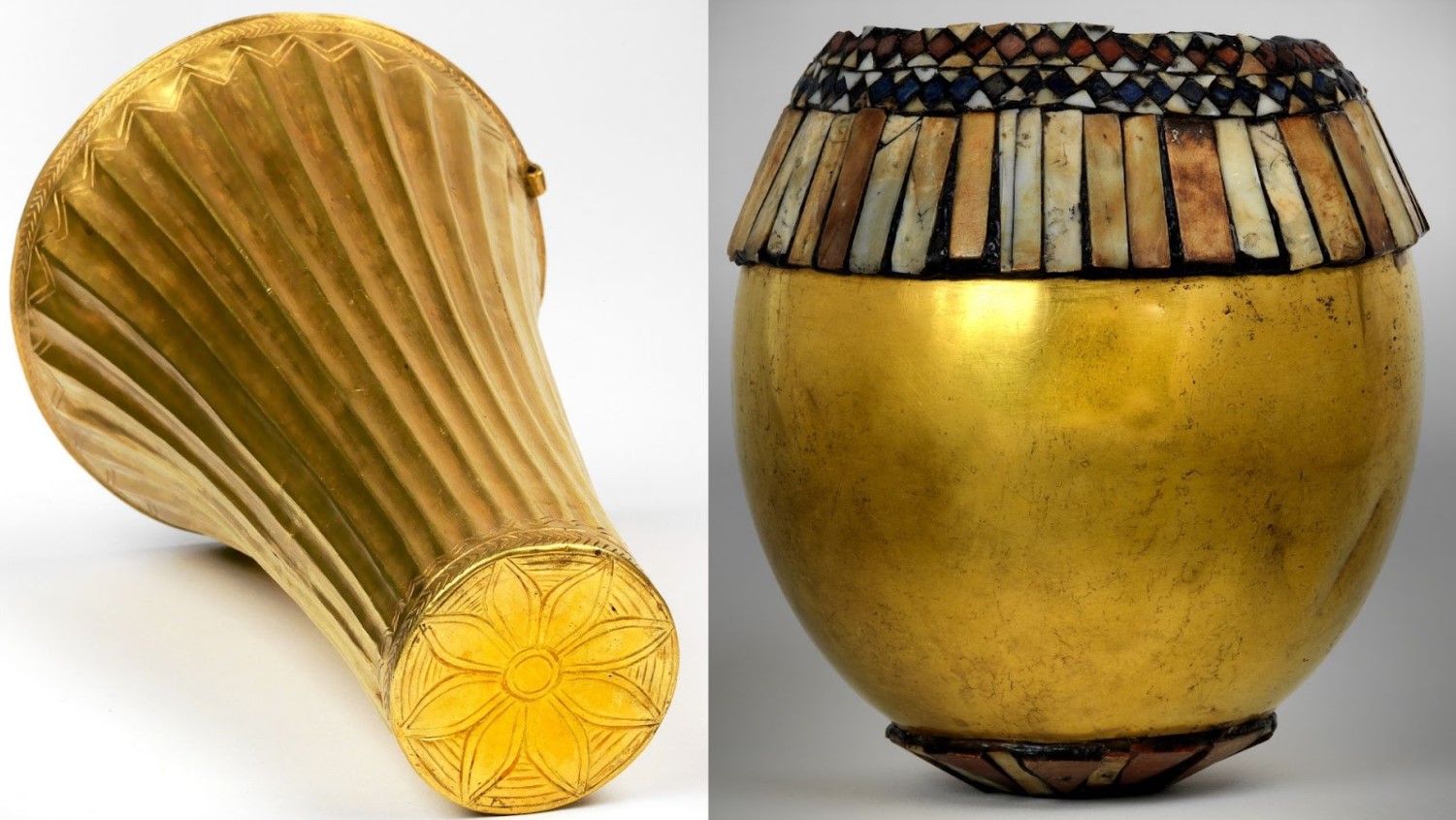
With the bones of the great general’s brother, archaeologists have also noted that they found several of Alexander the Great’s personal belongings in Tomb II.
They believe that they found his armor, which researchers believe “[sheds] light on the lives of their occupants and those who buried them.”
Skeleton Remains from BCE Are Extremely Rare

It’s important to understand that while archaeologists are extremely excited to finally identify the bodies of the Macedonian royal family, finding any whole bones from before the common era is exceptionally rare.
These humans lived more than 2,500 years ago, and while understanding their culture is crucial to historians' knowledge of the ancient world, their genetic makeup is also of great interest to anthropologists and scientists.
One of the Most Important Archaeological Sites in the World
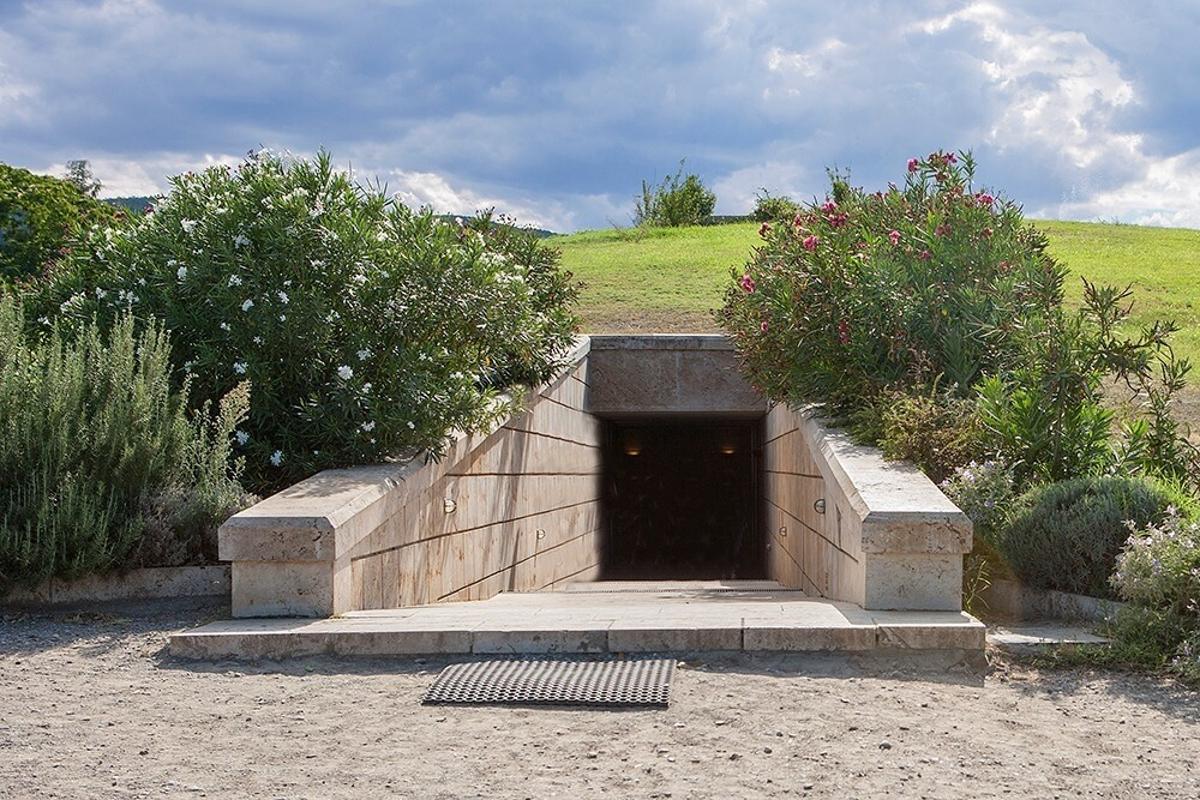
Additionally, the site itself is more special than most. In fact, the subterranean temple-shaped tombs of Aigai are considered by UNESCO to be some of the “best-preserved examples on the use of color in ancient architecture“ on the planet.
And while the site alone has helped historians better understand the Macedonians and their culture, finally knowing that they’ve found the bones of the empire’s royal family will teach researchers of every field a great deal more.