DNA of Enslaved Workers from the Industrial Revolution Reveals a New Side to African American History
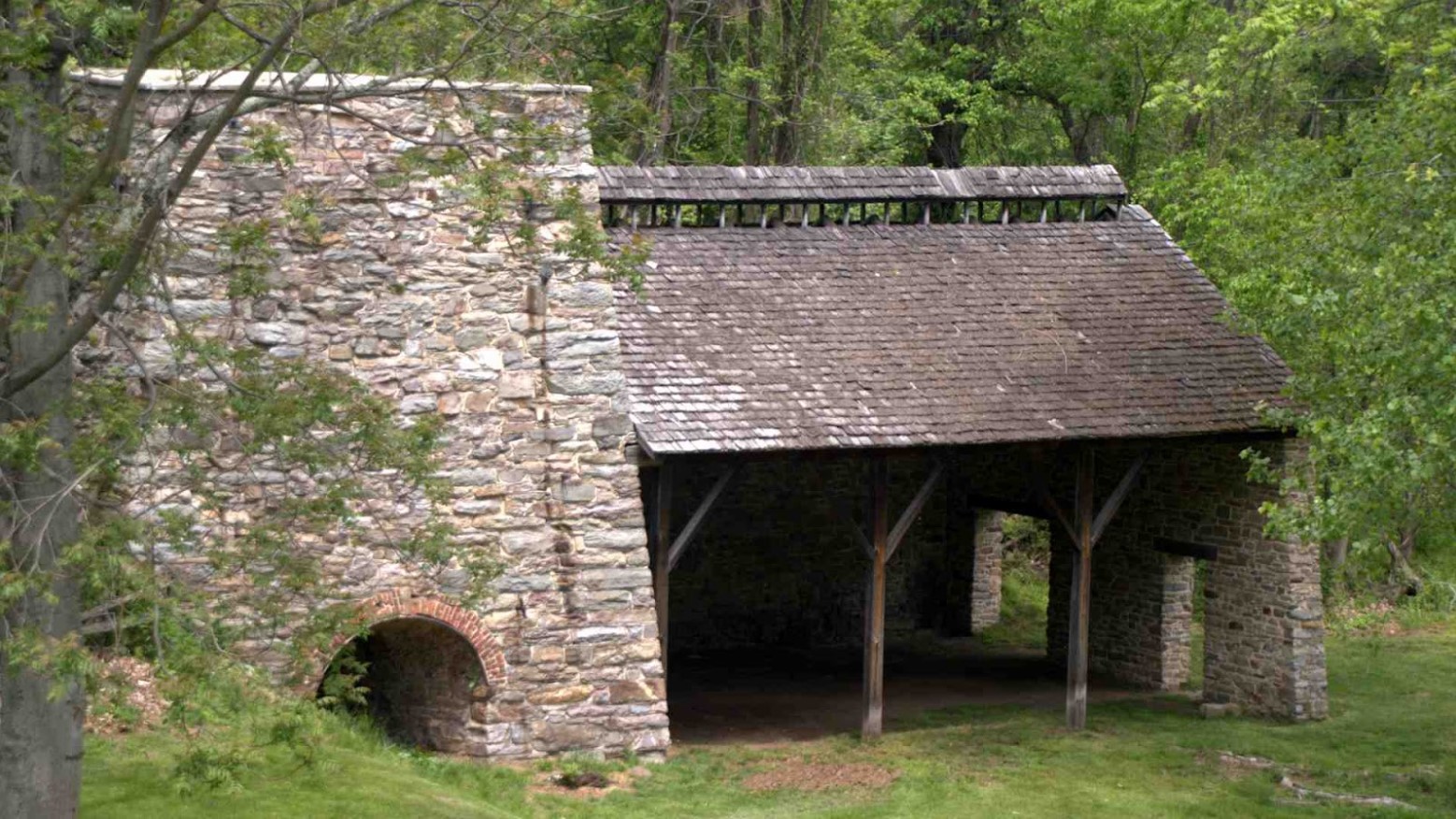
A new research study has uncovered ancestry details previously thought lost to the history of some deceased slaves at Catoctin Mountain Park in Maryland. These slaves worked for decades and have surviving descendants living in the United States to this day.
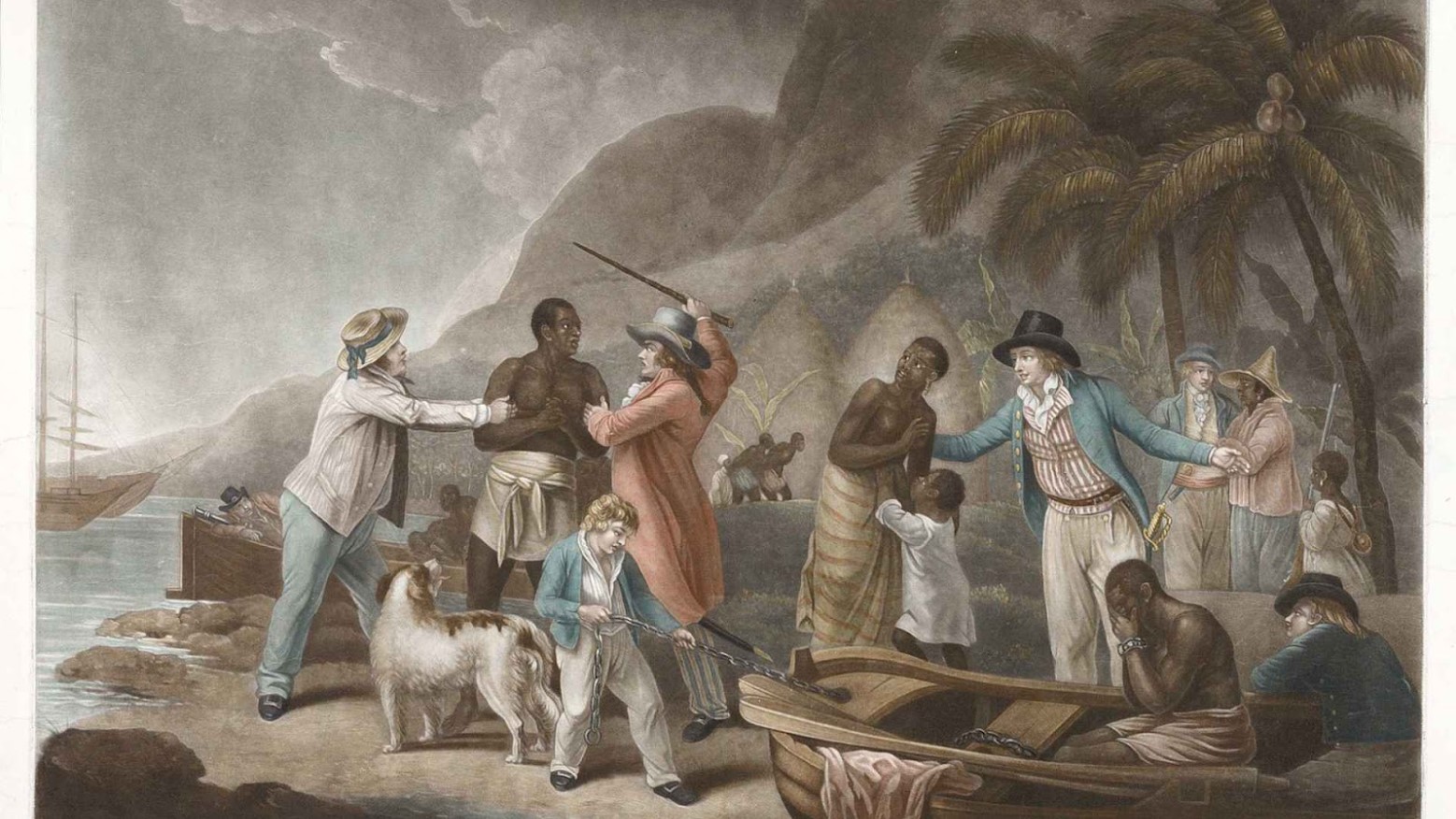
Many slaves from the trans-African slave trade were brought to America without extensive documentation, which leaves many of their descendants unsure of their own family history.
Tracing Lineages
The study was published in the Journal Science, and aimed to help uncover the lost lineages of 27 deceased people who were buried at Catoctin Furnace African American Cemetary.
“Few African Americans have been able to trace family lineages back to ancestors who died before the 1870 United States Census, the first in which all Black people were listed by name,” the study said.
Severed by Slavery
Anthropologist Kari Bruwelheide from the Smithsonian's National Museum of Natural History in Washington was one of the co-authors of the study. She stressed the importance of this information for African Americans.
"This knowledge was severed by slavery - a truth that has implications for African Americans far beyond the community of Catoctin Furnace," Bruwelheide said.
Property Not People

The lead study writer Éadaoin Harney, who is also a 23andMe population geneticist, emphasized the problem of missing African Americans from history.
“Enslaved African Americans are largely excluded from the historical record, and in documents where they are mentioned, they are often treated as property, not as people,” said Harney.
Study Findings
The 27 deceased individuals' DNA was taken and analyzed by the research team. They found that most of the individuals had some traces of European DNA.
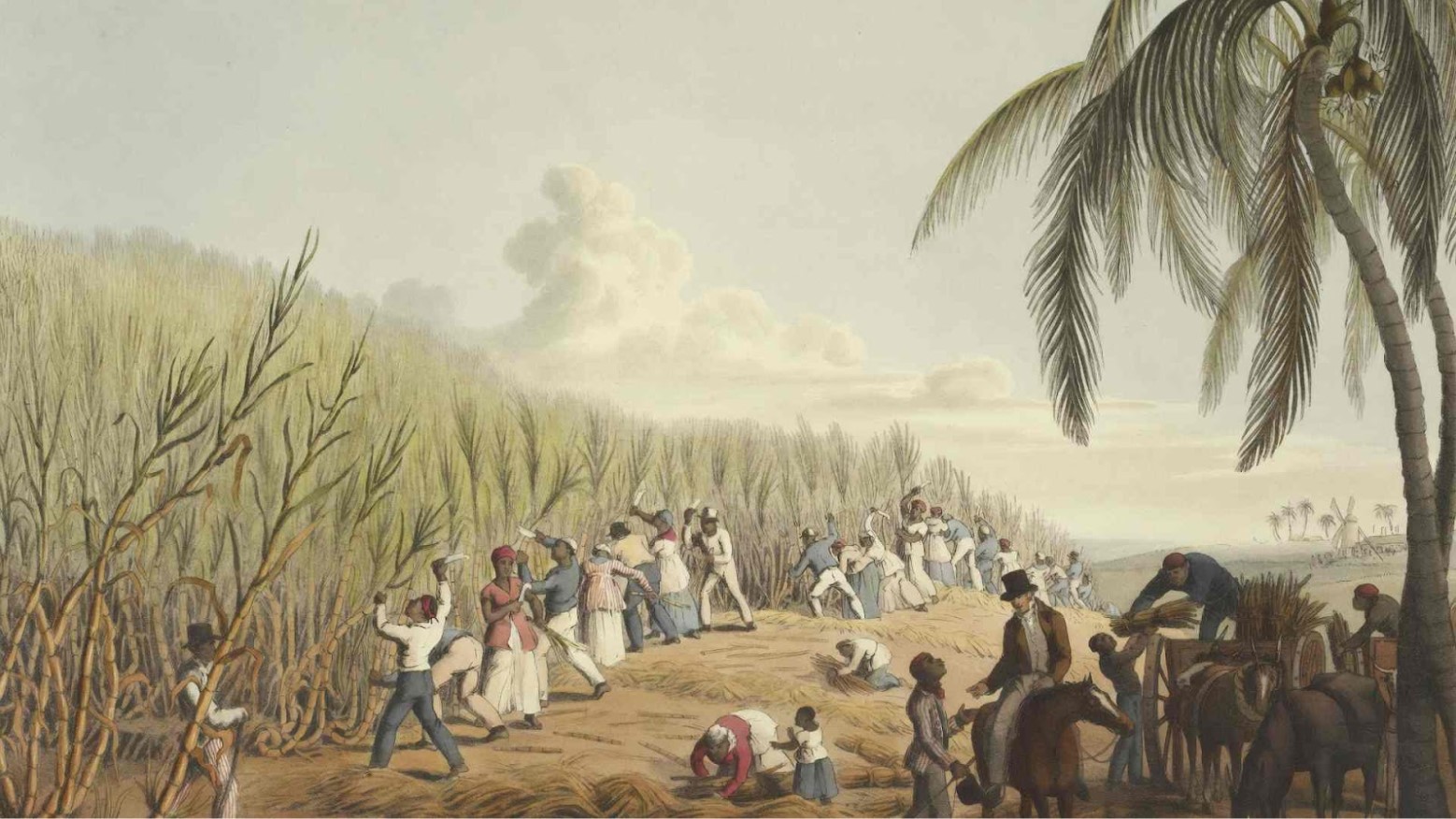
This led the team to suspect evidence of sexual abuse consistent with other records of abuse of slaves during this time. Enslaved Africans were forced to work in many sectors of America, including agriculture, industry, and in homes.
Giving a Voice
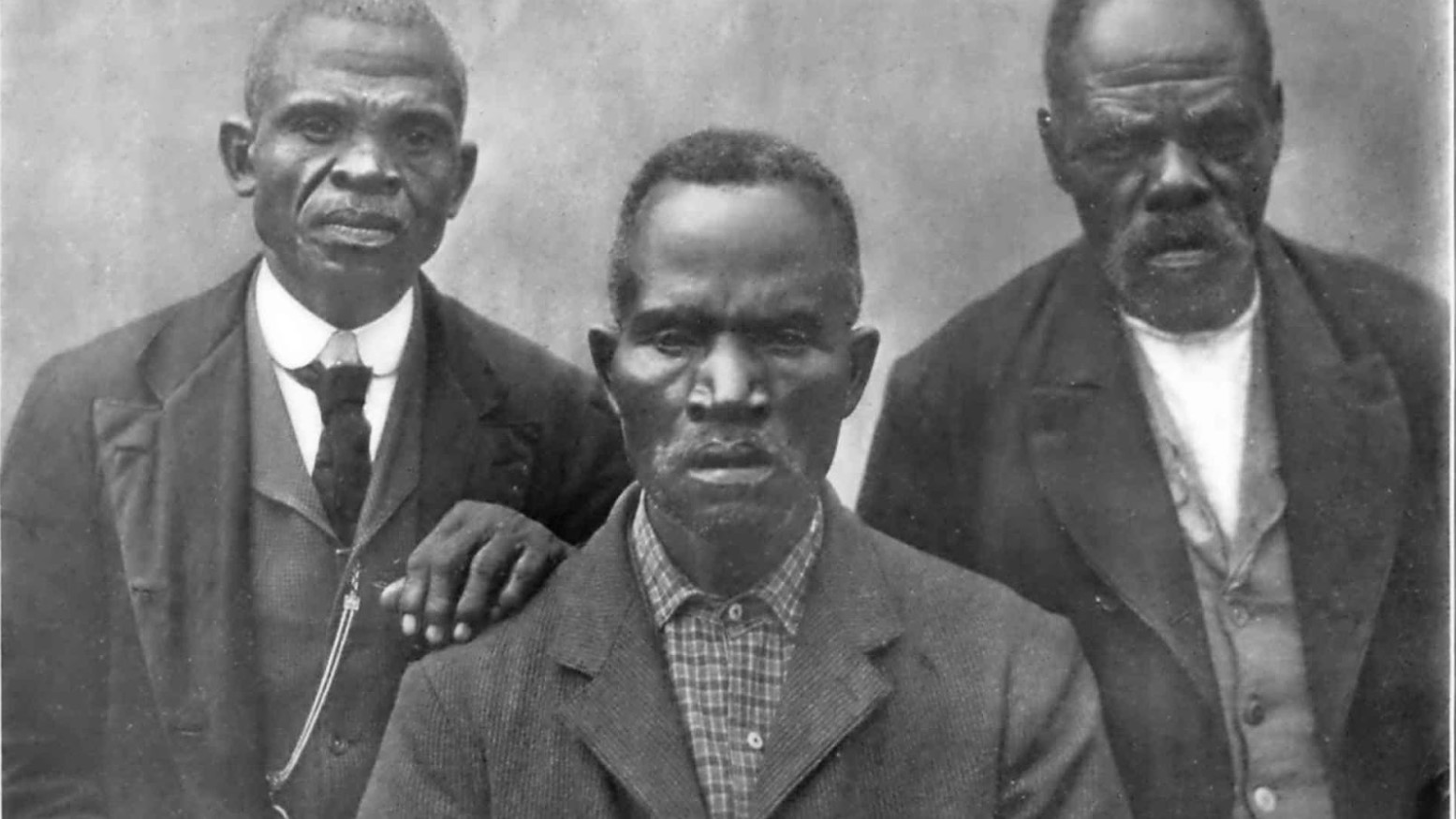
One study writer named Kathryn Barca is a Smithsonian researcher. They hoped that this research could help provide a voice to those deceased individuals who have been silenced by history.
Barca says, “The experiences of African Americans within the early industrial complex of the United States are not completely understood and their labors in this system have not been thoroughly explored or acknowledged.”
Catoctin Furnace
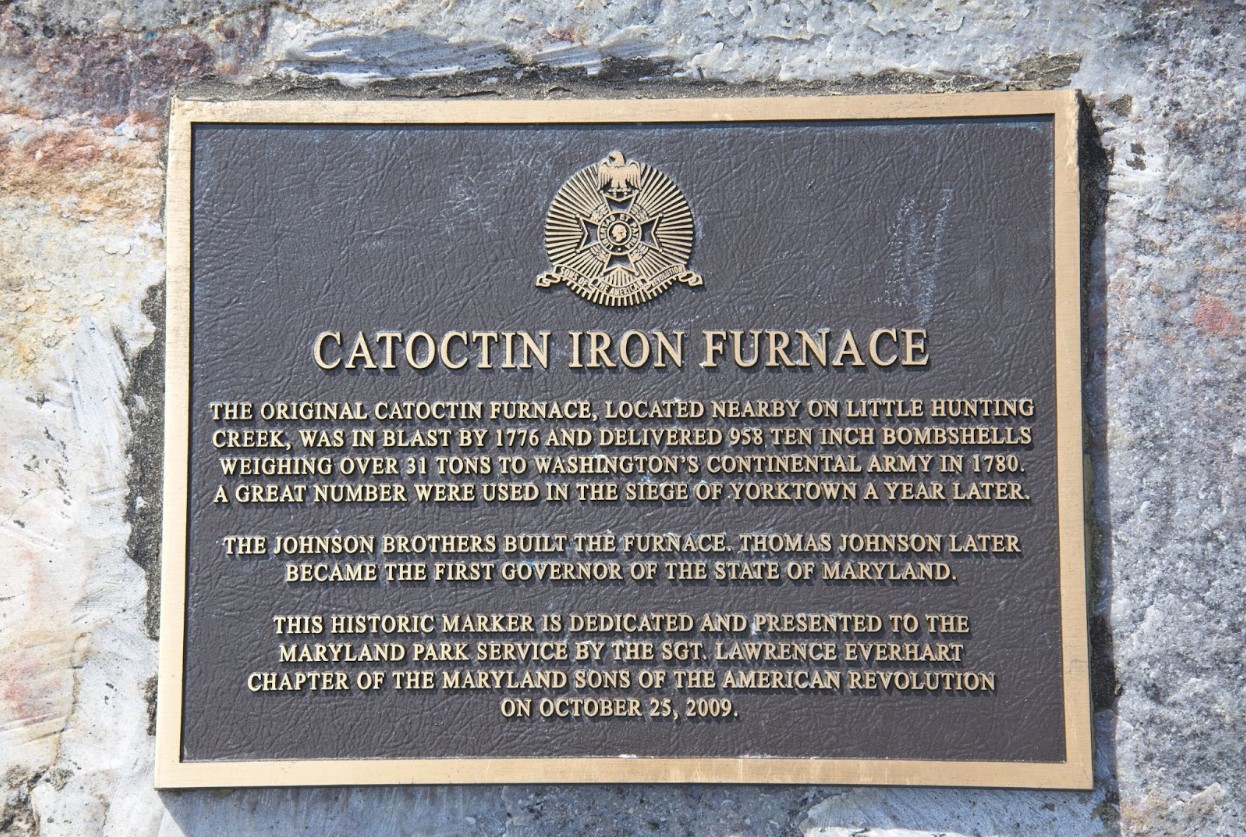
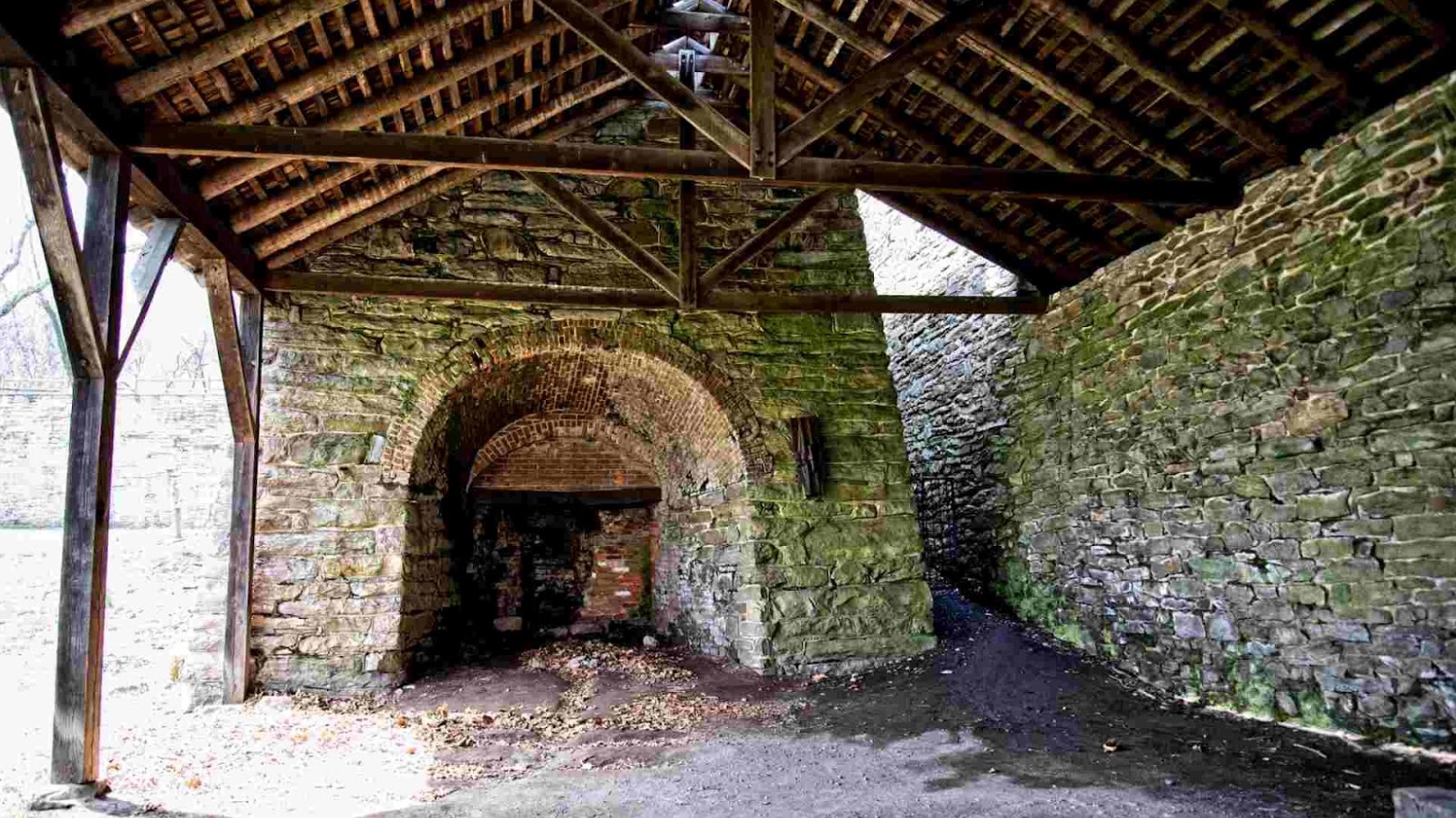
Not everything is known about what went on at Catoctin Furnace, which is a few miles away from the famous Camp David that presidents of the United States will often retreat to.
Enslaved workers were in charge of mining iron ore and keeping the furnaces producing various goods. Slaves would produce cannon balls, pots, utensils, and more as a major workforce.
Genetic Relatives
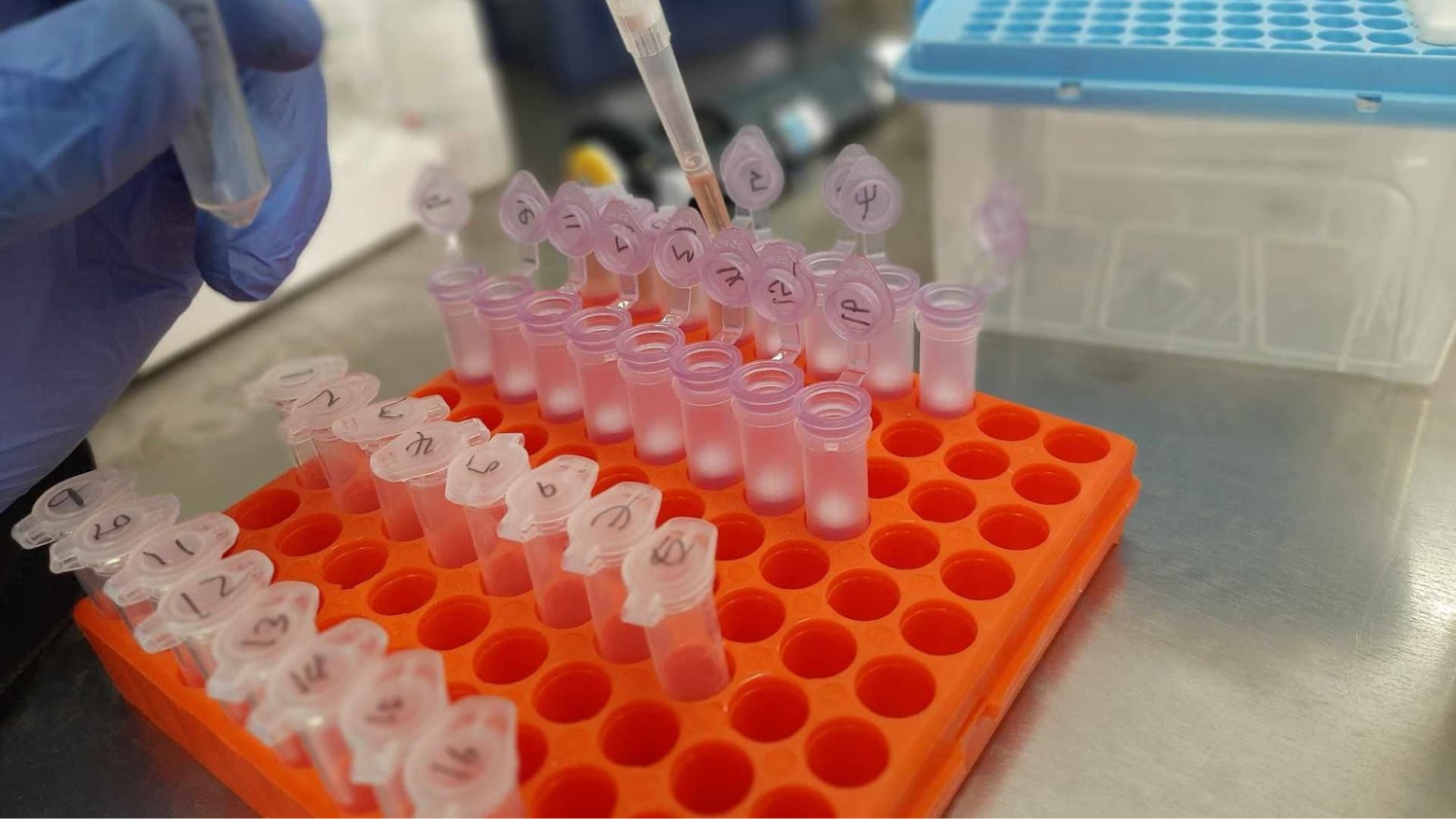
The study was able to successfully identify thousands of genetic relatives thanks to the help of research participants from a genetic database.
“We analyze 27 individuals from Maryland’s Catoctin Furnace African American Cemetery (1774–1850), identifying 41,799 genetic relatives among consenting research participants in 23andMe, Inc.’s genetic database,” said the study.
Relatives Living in Maryland
Researchers were able to match DNA with these genetic relatives to determine that many of the descendants of these 27 individuals are clustered around Maryland.
This led the researchers to conclude that some of these individuals' descendants have remained in the area since the time of their ancestors’ death. The study was able to identify which people living in the area were close relatives of the deceased individuals.
Ancestry Details
One question on the researcher's minds was where they could trace the ancestry of these individuals to. The study also asserts that many of the individuals have Wolof and Kongo African ancestry as well as other places on the African continent.
The Wolof people of that time are thought to have lived in West Africa, while the Kongo people from Central Africa.
Joint Analysis
Researchers celebrated the study as a triumphant collaboration between DNA analysis and consumer-level DNA research. In particular, the collaboration between research scientists and the company 23andMe was instrumental to the study’s success.
“This study demonstrates the power of joint analysis of historical DNA and large datasets generated through direct-to-consumer ancestry testing,” the research paper said.
Returning Results to Descendents
This research would be invaluable to the actual descendants of these individuals but they have not yet been notified.
"We are considering a way to thoughtfully and ethically return results to those in the 23andMe database who would like to know if they are connected to the Catoctin Furnace individuals,” said 23andMe spokesperson Andy Kill.