Discover How Much You Really Remember About World War I
By Georgia McKoy · March 28, 2024 · 2 min read
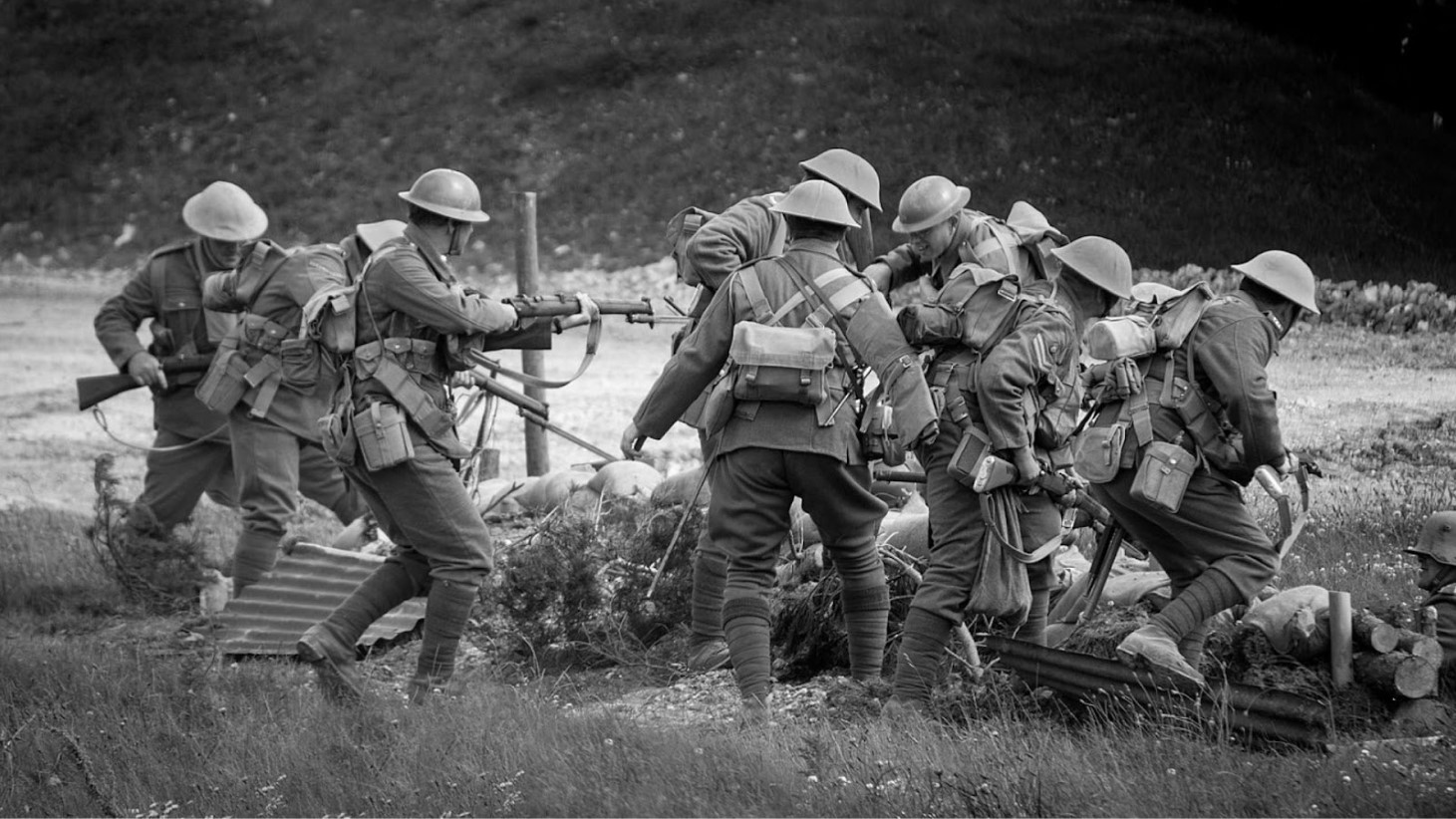
Black and white photograph of World War I soldiers. Several men in period military uniforms are positioned around a machine gun. They are wearing combat helmets and carrying backpacks, with one soldier operating the gun, others assisting with ammunition, and one lying prone as a lookout
Source: Wikimedia Commons

Dive into the depths of history, where the Great War unfolds, a monumental clash that redefined world borders and philosophies. From the assassination of Franz Ferdinand sparking the onset in 1914 to the pivotal armistice in 1918, this global conflict saw the Triple Alliance and the Triple Entente in a fierce struggle.

Test your knowledge on the events and aftermath of one of history's most significant battles. How well do you know WWI? Let's find out!

1. Who shot Archduke Franz Ferdinand and his wife Sophie on 28 June 1914?
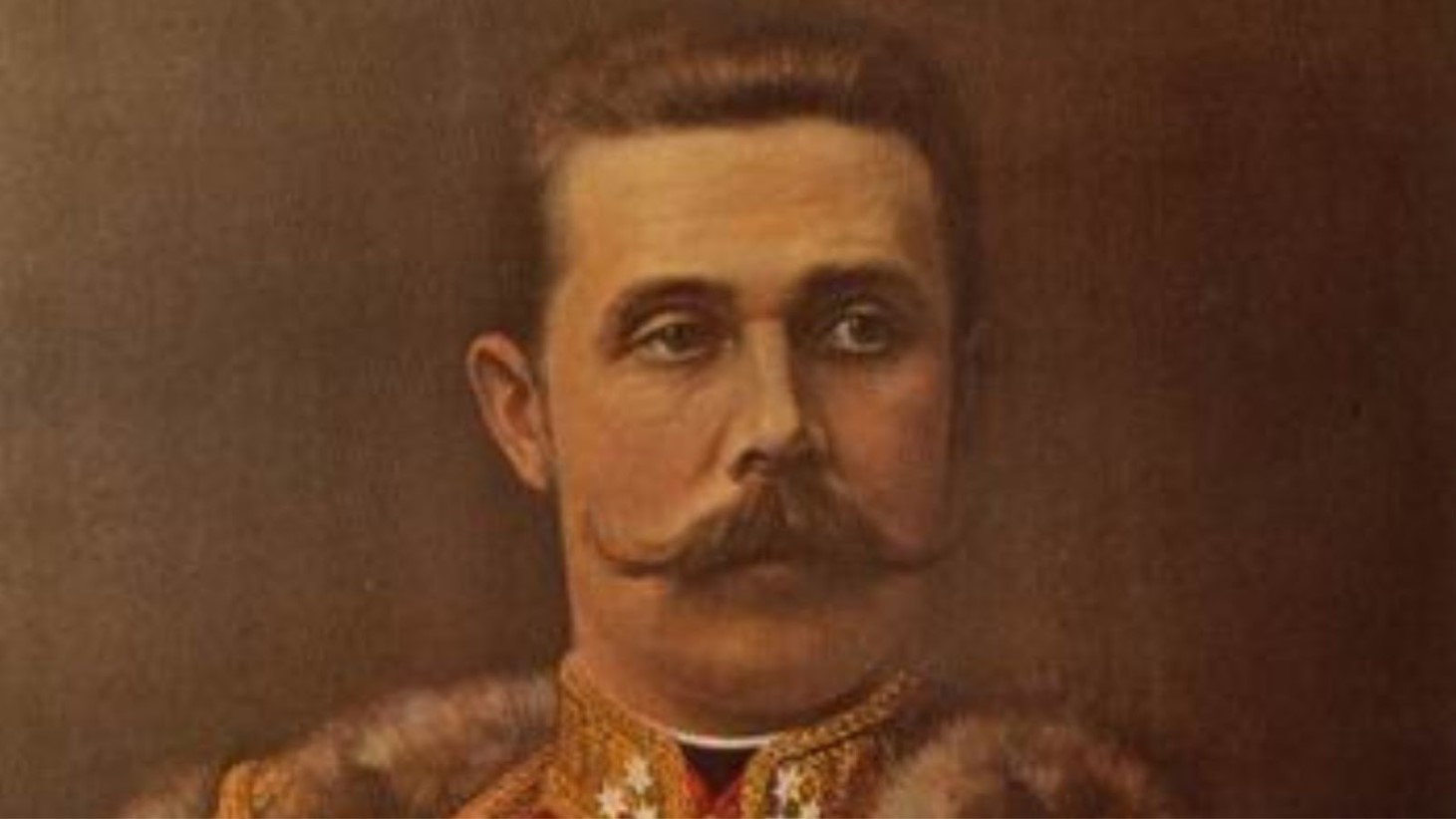
A close-up portrait of Archduke Franz Ferdinand, depicted in a warm-toned painting. He has a neatly trimmed mustache and is dressed in a military uniform adorned with various medals and decorations
Source: Wikimedia Commons


  • A) Muhamed Mehmedbašić

  • B) Gavrilo Princip

  • C) Trifko Grabež

  • D) Vaso Čubrilović

Answer:

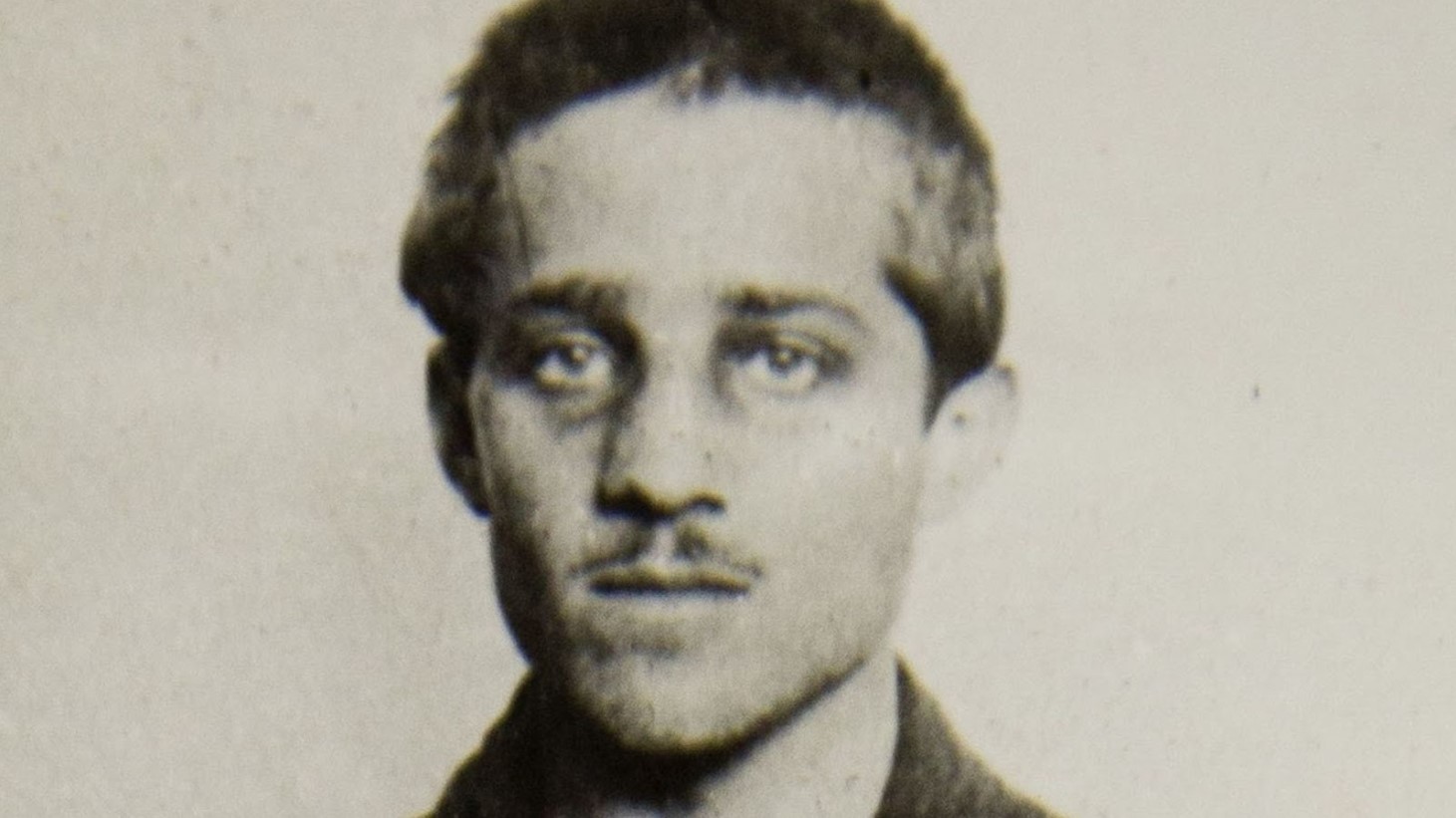
A close-up of an old sepia-toned photograph showing Gavrilo Princip. He is a young man with dark hair and intense eyes, wearing a high-collared shirt
Source: Wikimedia Commons

B) Gavrilo Princip

2. What caused Great Britain to join World War I?
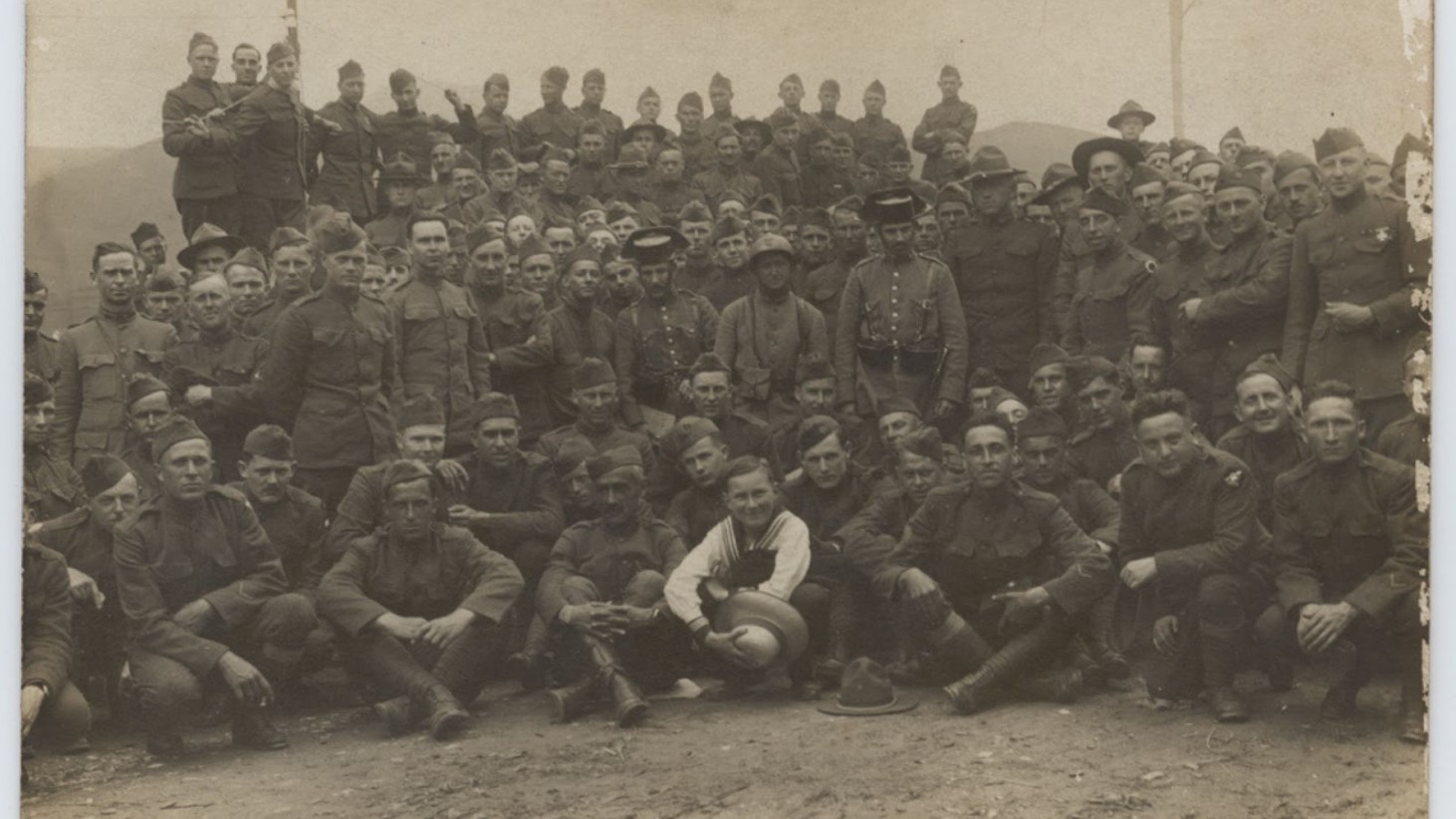
Sepia-toned historical photograph featuring a large group of World War I soldiers. They are gathered outdoors, with some seated in front, and others standing in multiple rows behind them
Source: Wikimedia Commons


  • A) German bombing raids on London

  • B) Germans sinking British ships

  • C) Germany using illegal chemical weapons

  • D) German troops marching through Belgium

Answer:
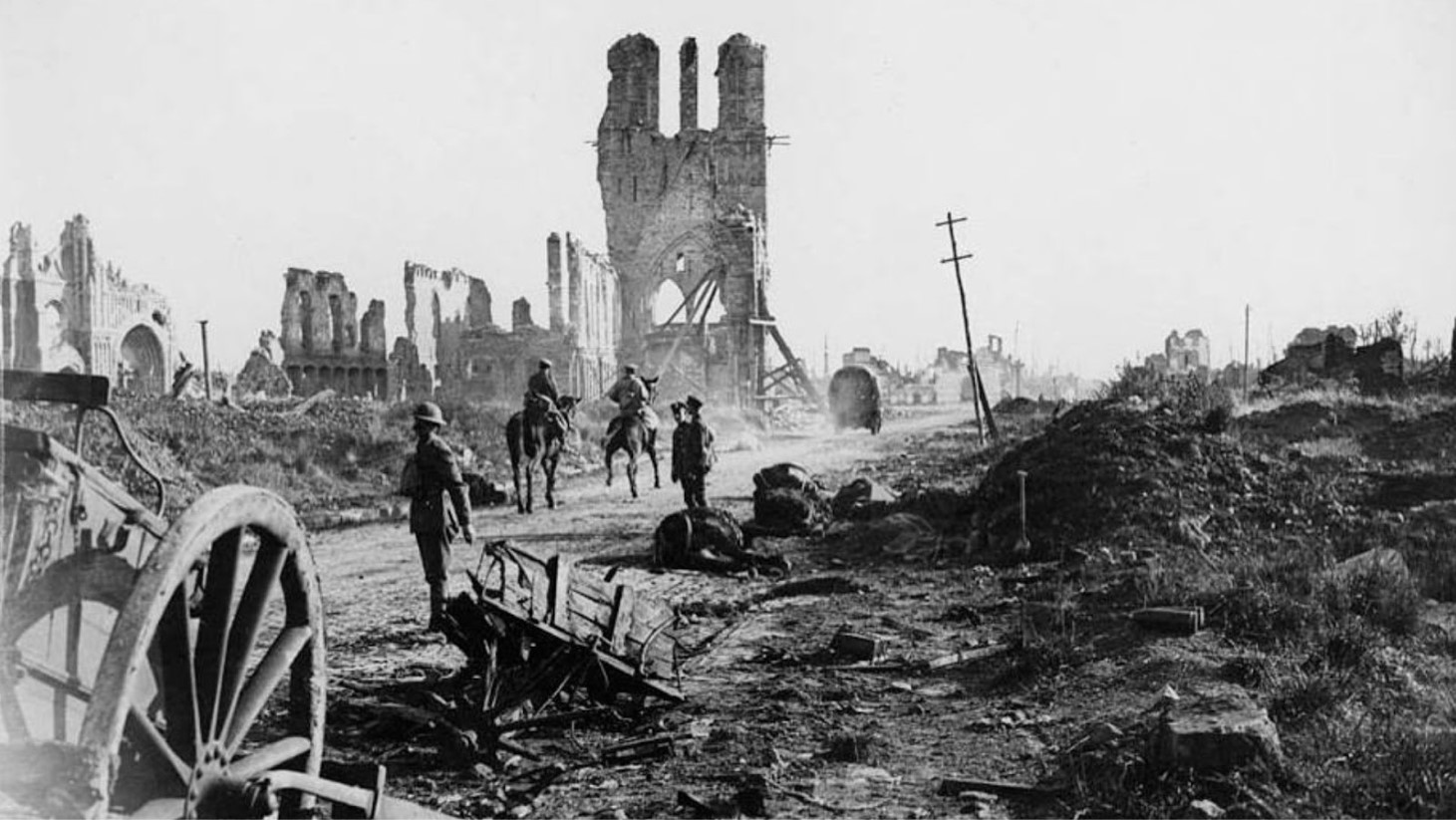
Black and white photograph depicting a devastated World War I battlefield. The foreground shows a broken wagon wheel and debris. Soldiers on horseback and on foot navigate a muddy road amid the ruins
Source: Wikimedia Commons

D) German troops marching through Belgium caused Britain to join WW1, because Great Britain had agreed to defend Belgium under the Treaty of London of 1839.

3. How were aircraft mainly used at the beginning of World War I?
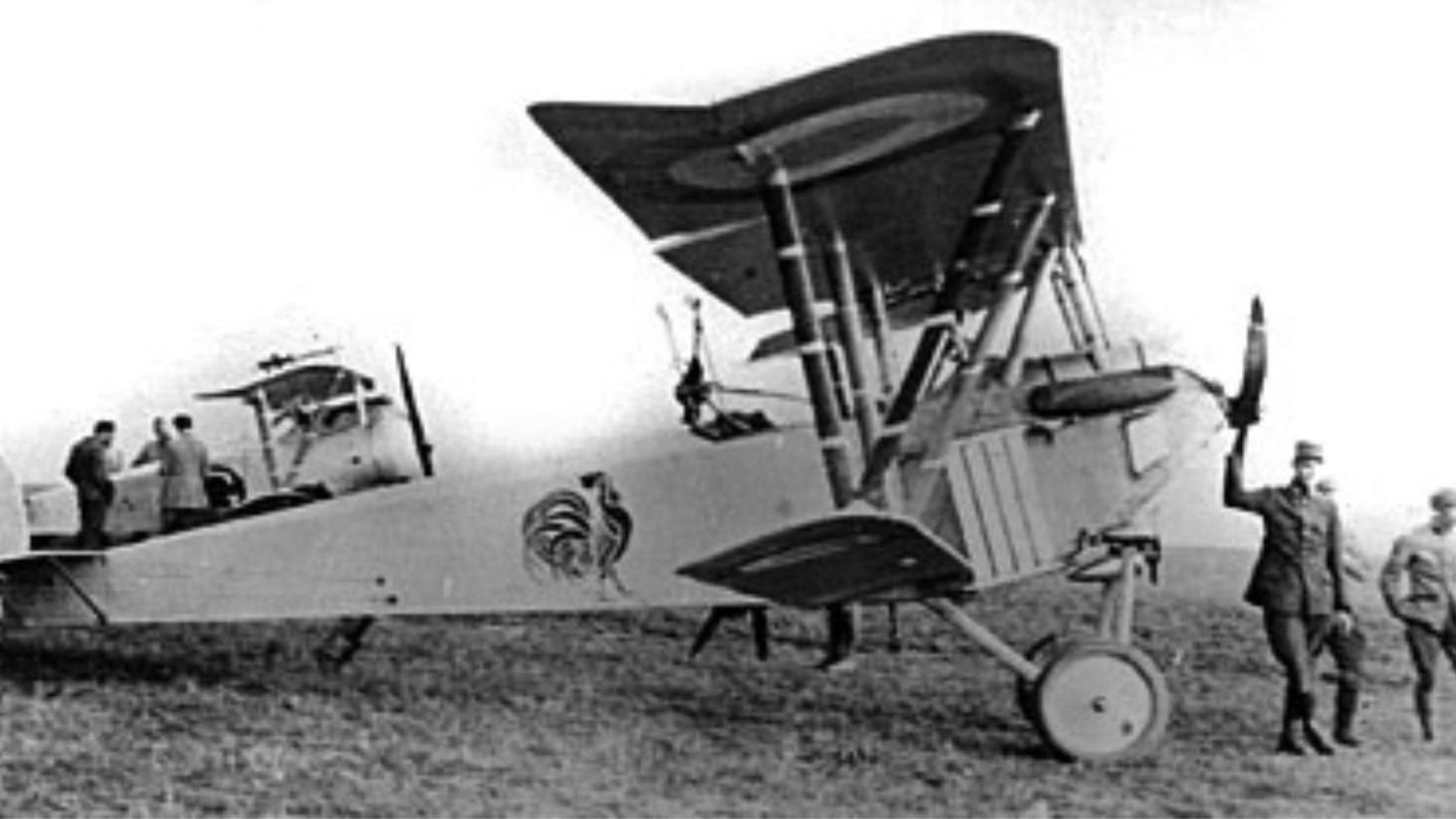
A black and white photo of an early biplane from World War I on a grassy field. The aircraft features a distinctive painted emblem on the side
Source: Wikimedia Commons


  • A) Locating targets for artillery

  • B) Making bomb runs

  • C) Making supply drops

  • D) Transporting paratroopers

Answer

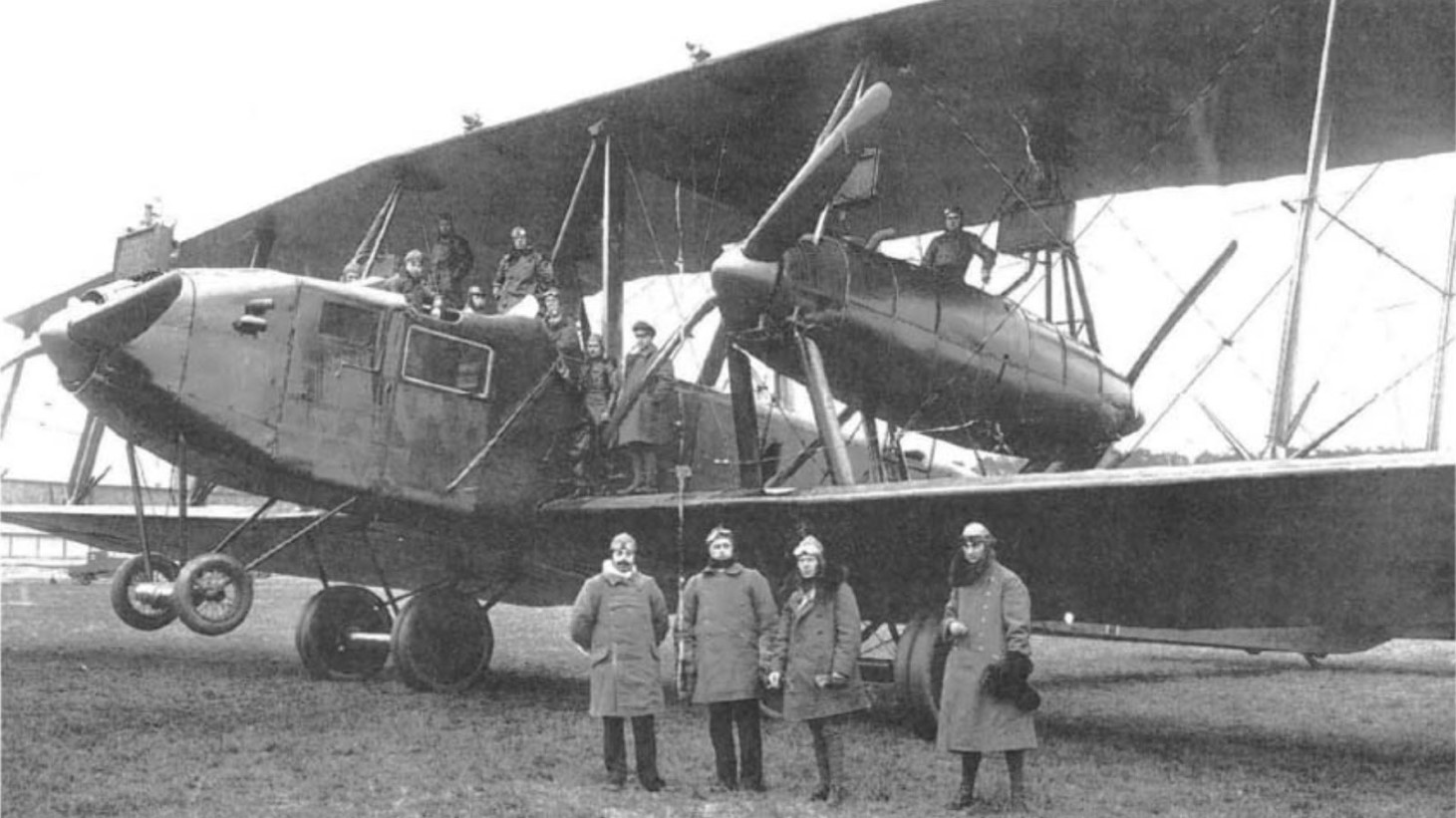
Black and white historical photo of a large early military seaplane with a crew on and around it
Source: Wikimedia Commons

A) Locating targets for artillery

4. Which secret plan splitting the Ottoman lands between the British and French was revealed to the world by Russia's new Bolshevik government, leading both countries to be embarrassed?
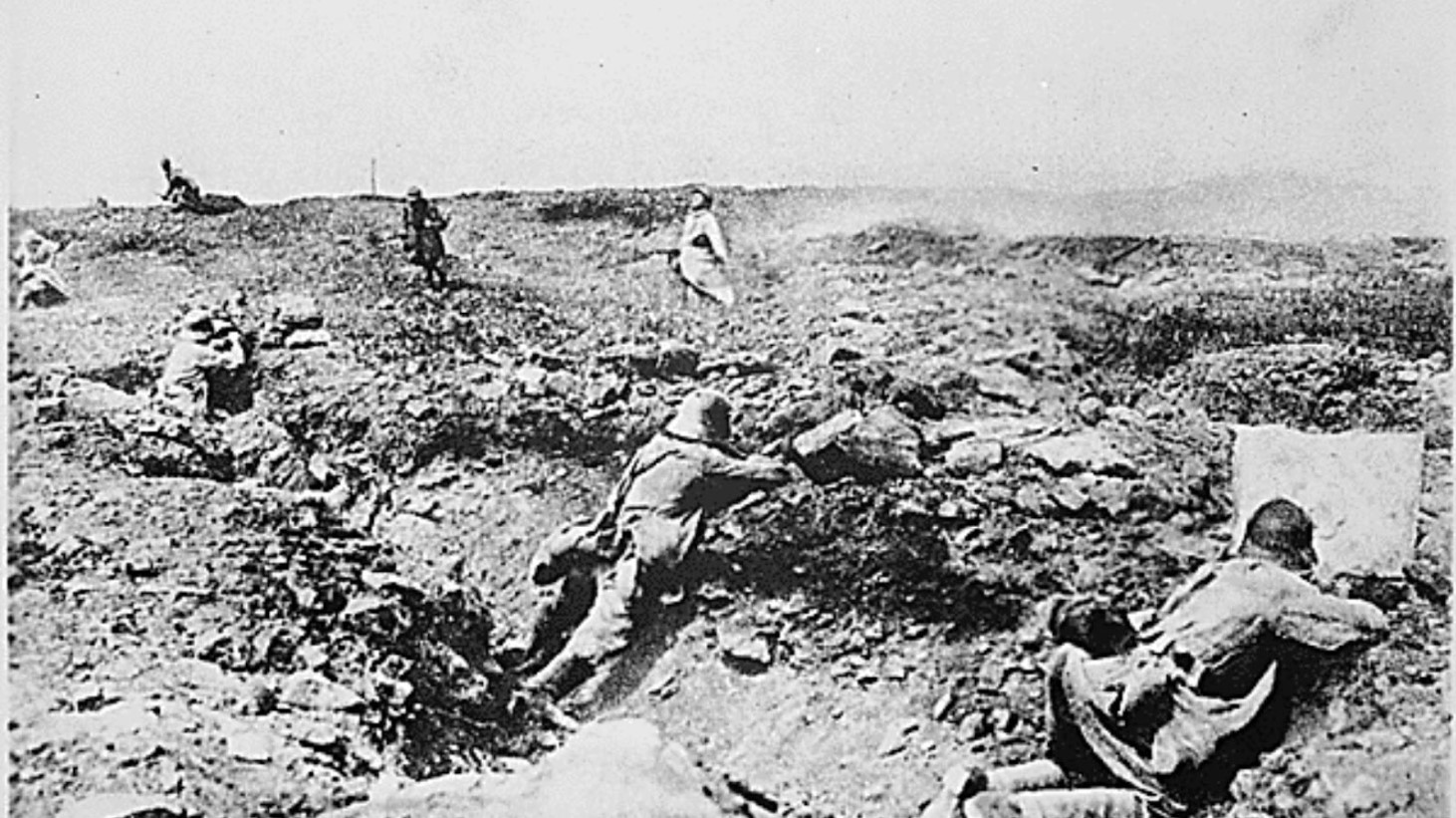
A grainy black and white photograph capturing World War I soldiers in a rugged battlefield setting
Source: Wikimedia Commons


  • A) The Balfour Declaration

  • B) Treaty of Brest-Litovsk

  • C) The Sykes-Picot Agreement

  • D) Treaty of Sevres

Answer:

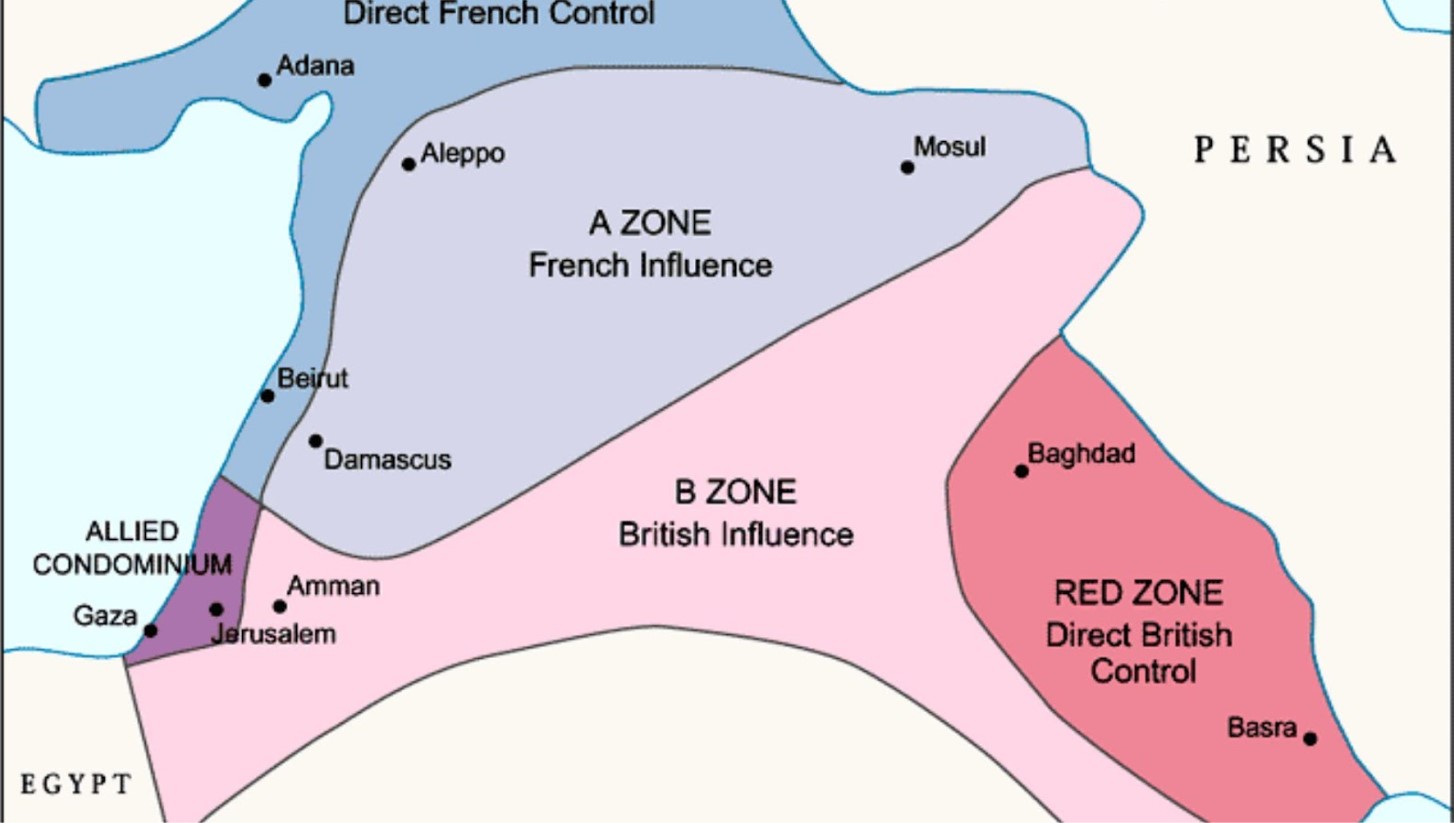
A color-coded map showing the division of influence and control in the Middle East after World War I. Areas under direct French control are in light blue, with a darker blue 'A Zone' signifying French influence. The 'B Zone' is shaded in pink, indicating British influence, and the 'Red Zone' represents areas under direct British control. Key cities such as Baghdad, Jerusalem, and Damascus are marked
Source: Wikimedia Commons

C) The Sykes-Picot Agreement

5. On the Western Front, trenches were dug in which way?
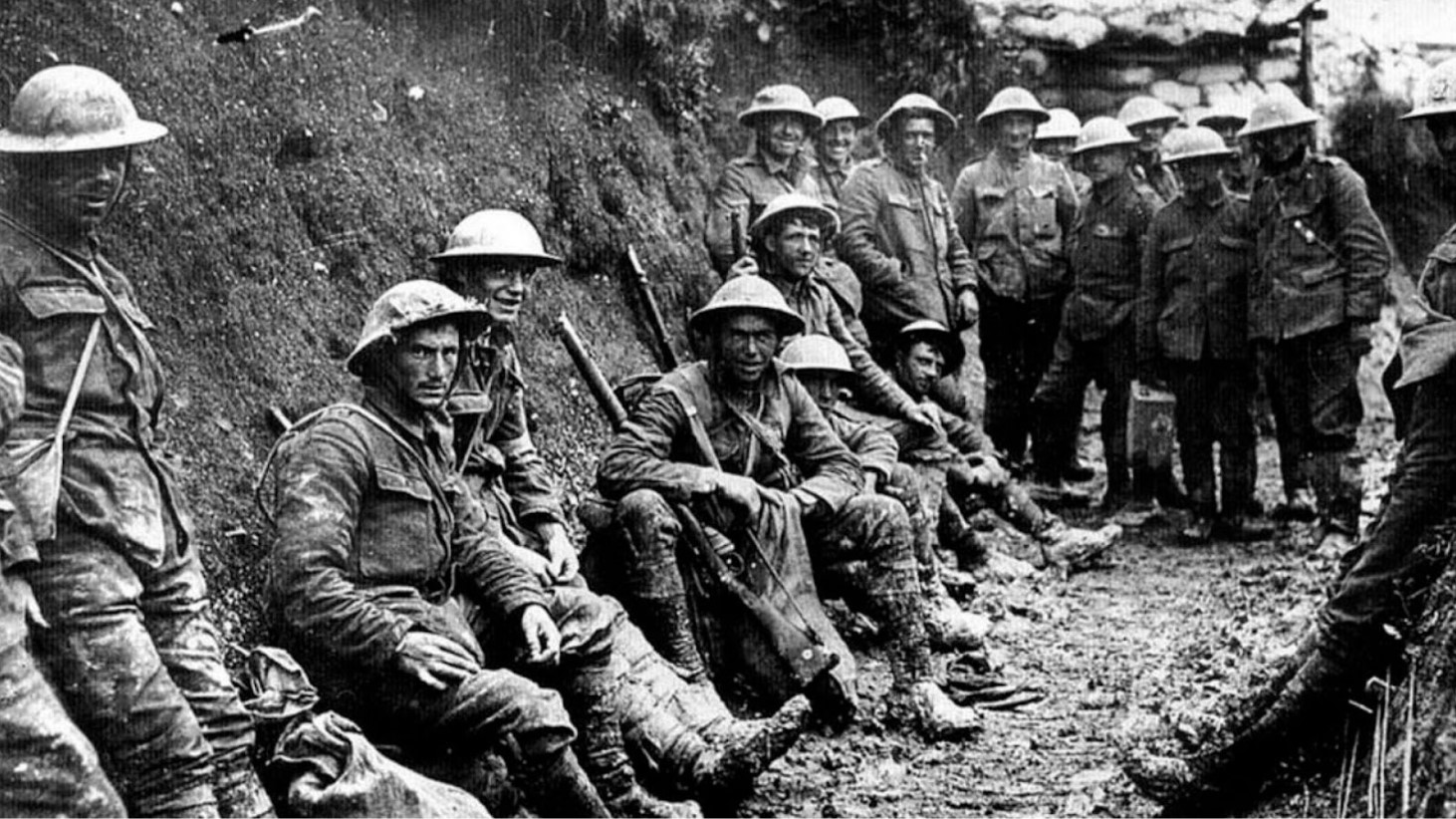
A black and white historical photograph showing a group of World War I soldiers inside a trench. They are wearing helmets and mud-covered uniforms, with rifles in hand or resting beside them
Source: Wikimedia Commons


  • A) In circles

  • B) In semicircles

  • C) In straight lines

  • D) In zigzag lines

Answer:

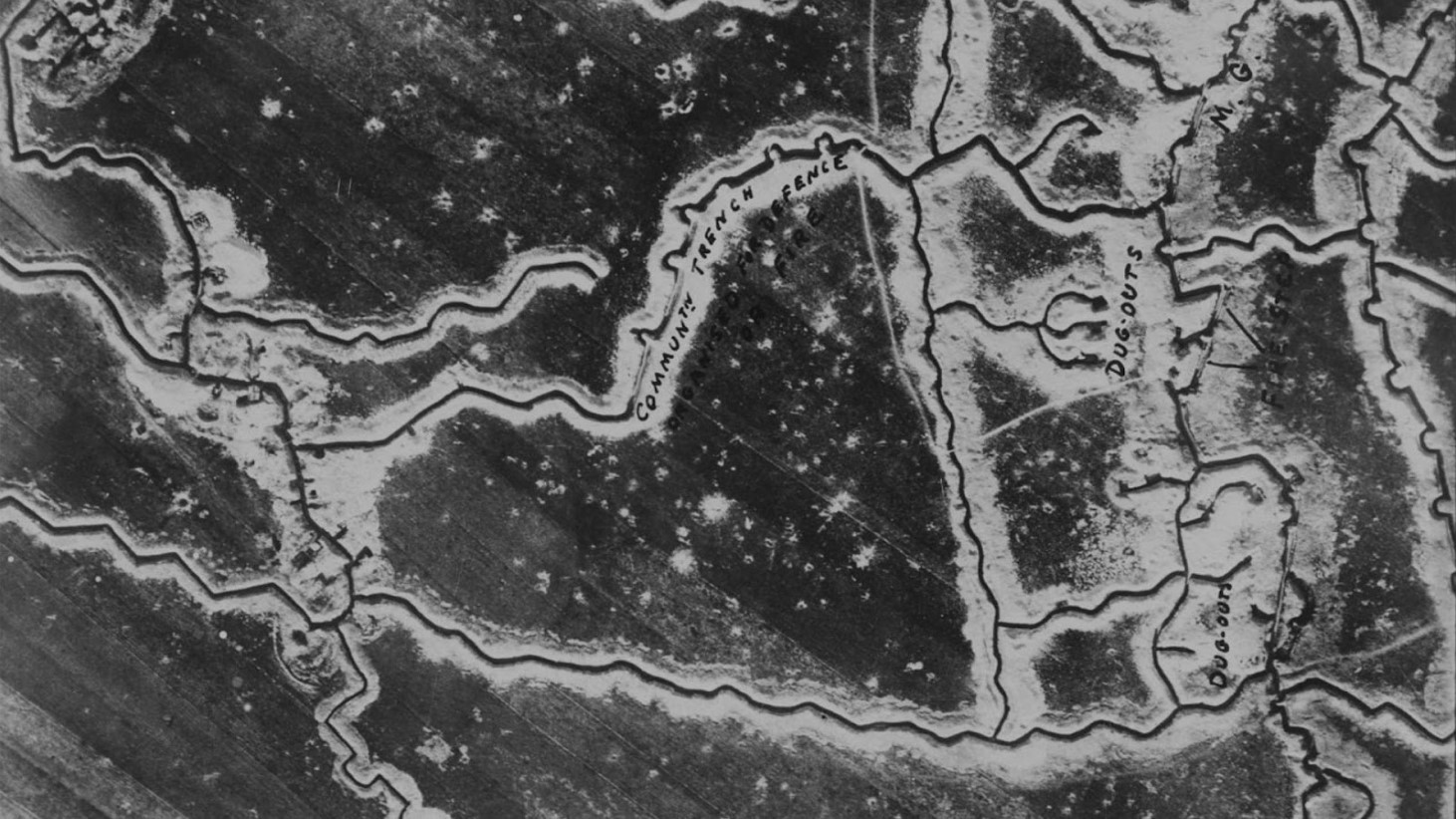
Black and white aerial photograph showing the intricate network of World War I trenches. The zigzagging patterns of the trenches are clearly visible
Source: Wikimedia Commons

D) Trenches were dug in zigzag patterns to ensure that if enemy soldiers infiltrated a trench they could not shoot along its entire length 

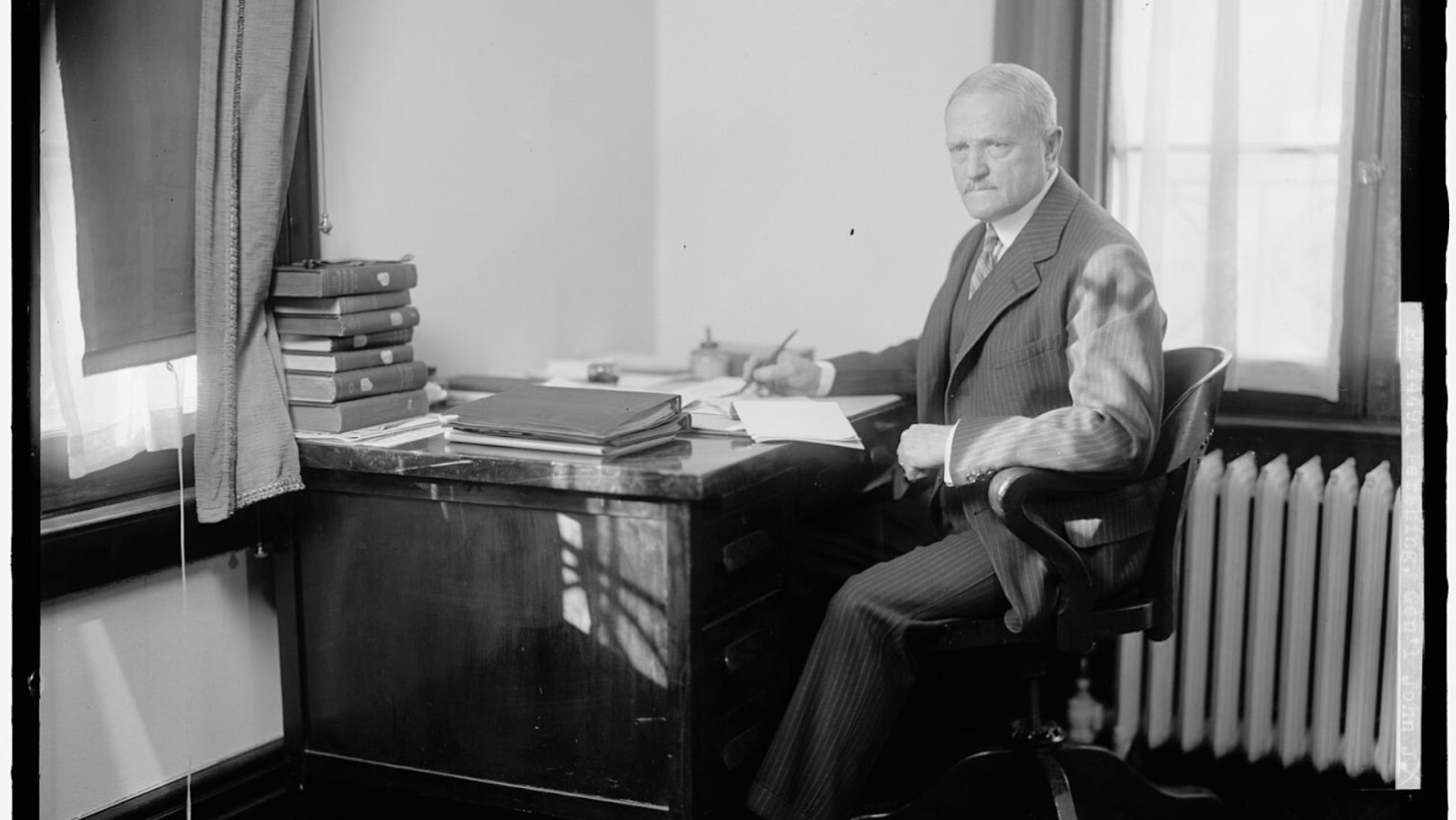
6. Which general led the American Expeditionary Force on the western front?
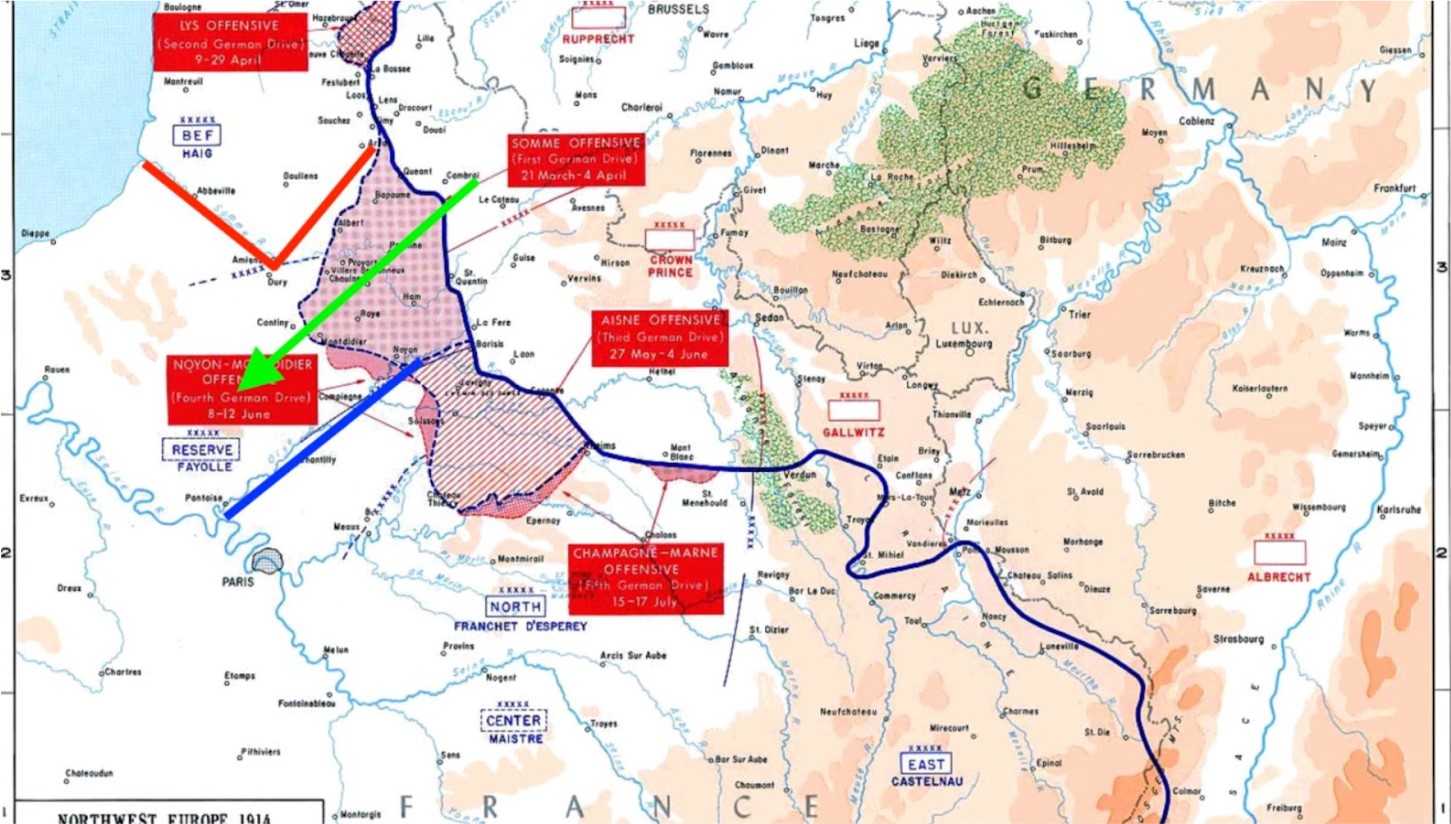
A detailed color map displaying various offensives along the Western Front in World War I, annotated with dates and names. The map shows different drives like the Somme, Lys, Aisne, and Champagne-Marne, with arrows indicating the direction of the offensives
Source: Wikimedia Commons


  • A) John J Pershing

  • B) George C Marshall

  • C) George S Patton

  • D) John D Reynolds

Answer:

Black and white photo of an older man seated at a desk, looking directly at the camera. He is dressed in a pinstripe suit, with a pen in hand over a pile of papers. A stack of books sits on a window ledge behind him
Source: Wikimedia Commons

A) John J Pershing

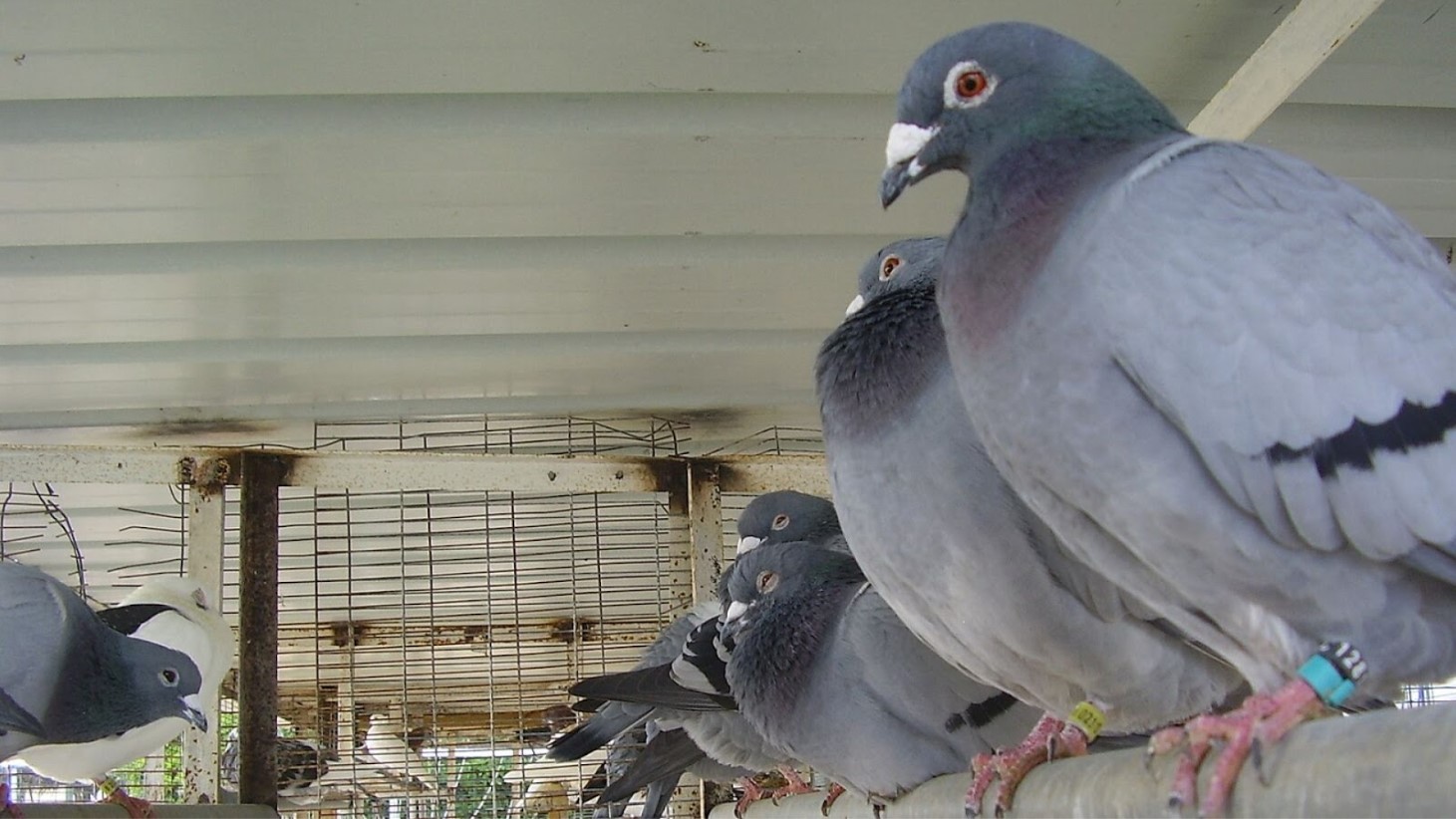
7. Which animals were commonly used to carry messages during World War I?
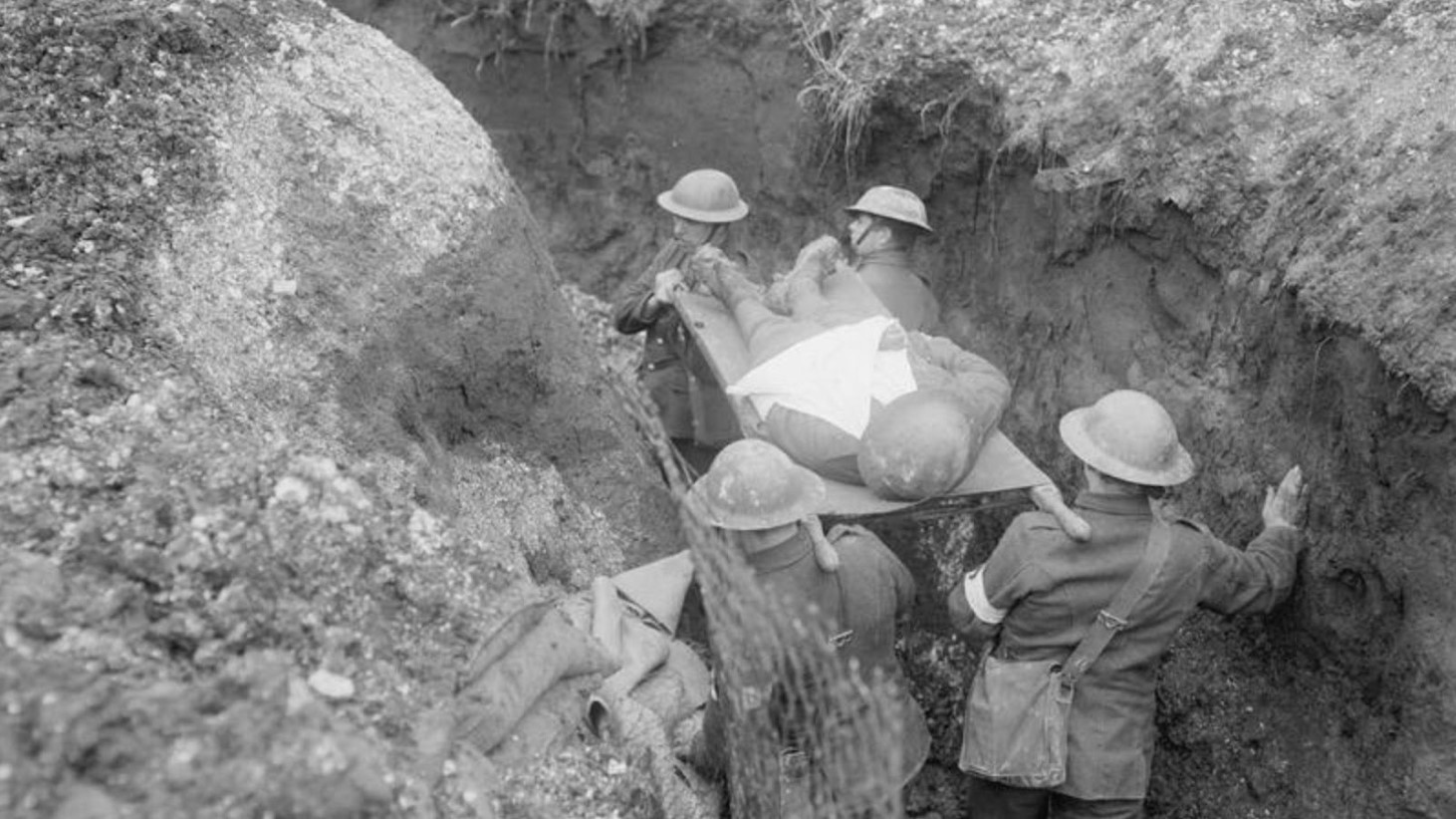
Black and white photo showing World War I medics in a trench, transporting a wounded soldier on a stretcher
Source: Wikimedia Commons


  • A) Dogs

  • B) Donkeys

  • C) Pigeons

  • D) Cats

Answer:

Color photograph of several pigeons perched inside a caged enclosure. Some pigeons have visible leg bands
Source: Wikimedia Commons

C) Pigeons were commonly used as a result of the unreliability of radio communications at the time

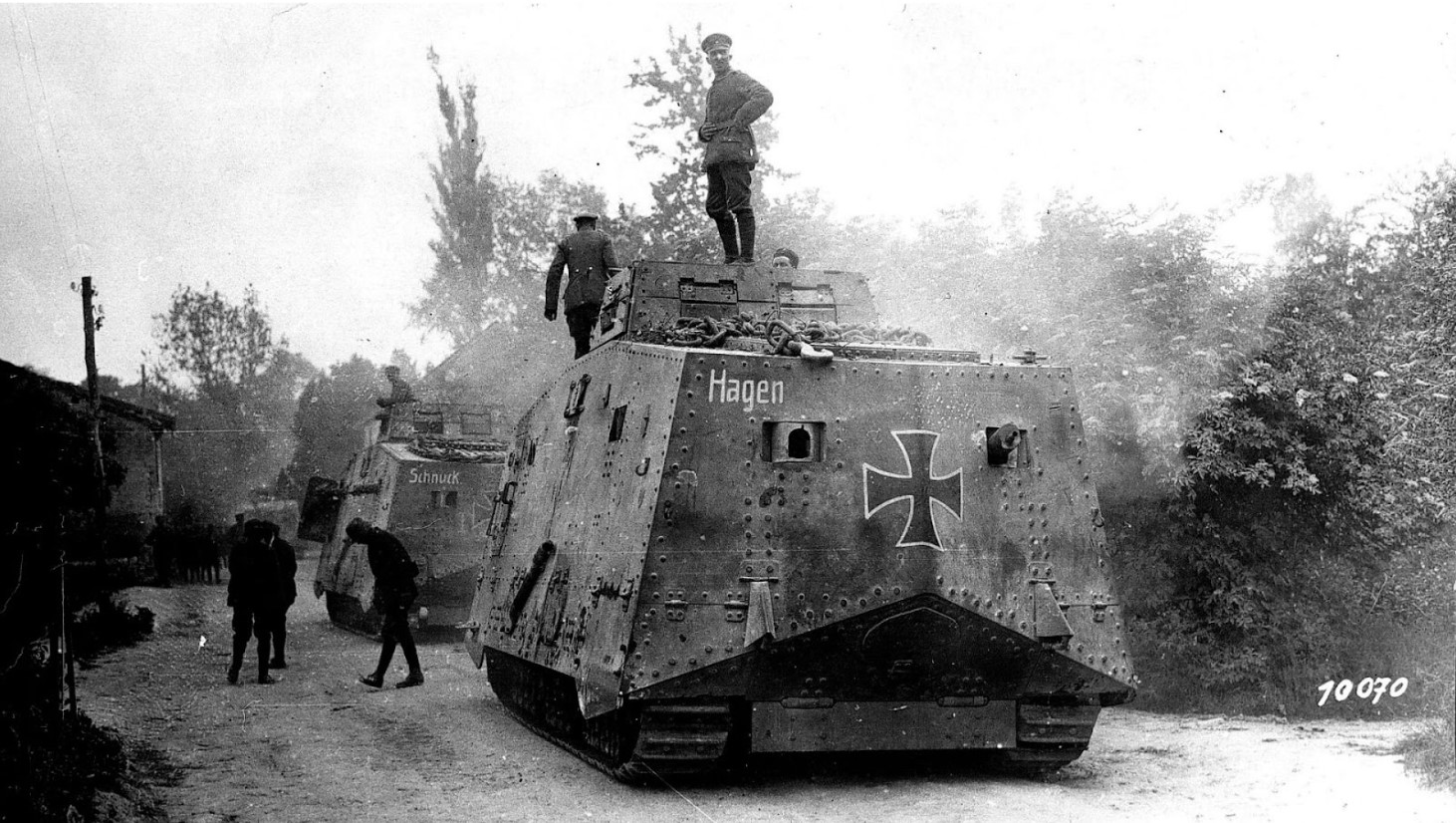
8. World War I-style trench warfare came to an end thanks to which of these inventions?
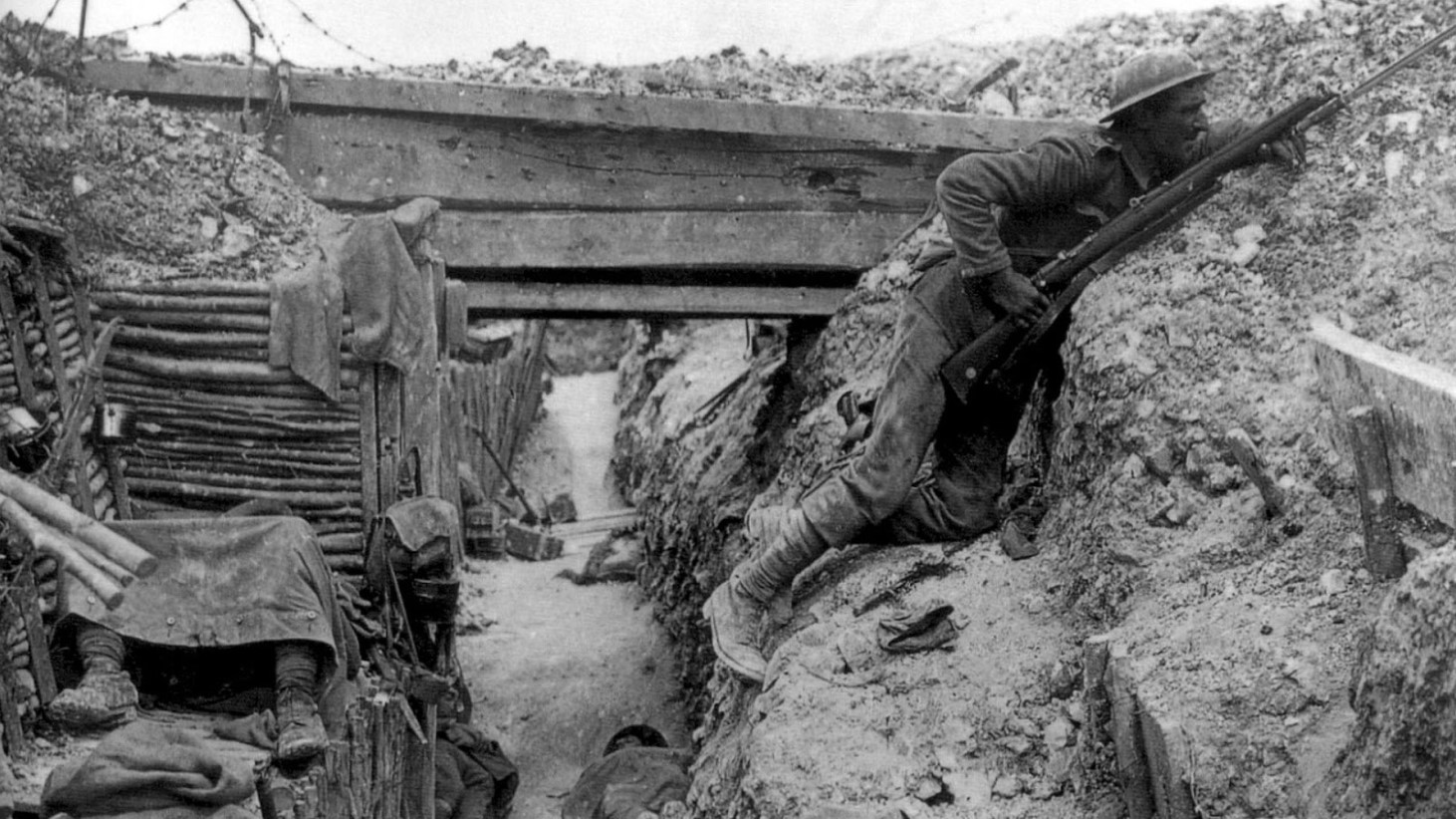
Black and white photograph of a World War I soldier peering over the edge of a trench with his rifle at the ready. Another soldier lies in the foreground, seemingly resting or wounded
Source: Wikimedia Commons


  • A) Tanks

  • B) Machine guns

  • C) Mustard gas

  • D) Barbed wire

Answer:

A black and white photograph of a World War I German armored vehicle, labeled 'Hagen,' on a village road. The tank has a prominent Iron Cross symbol on the side. Soldiers are visible around and on top of the vehicle
Source: Wikimedia Commons

A) Tanks

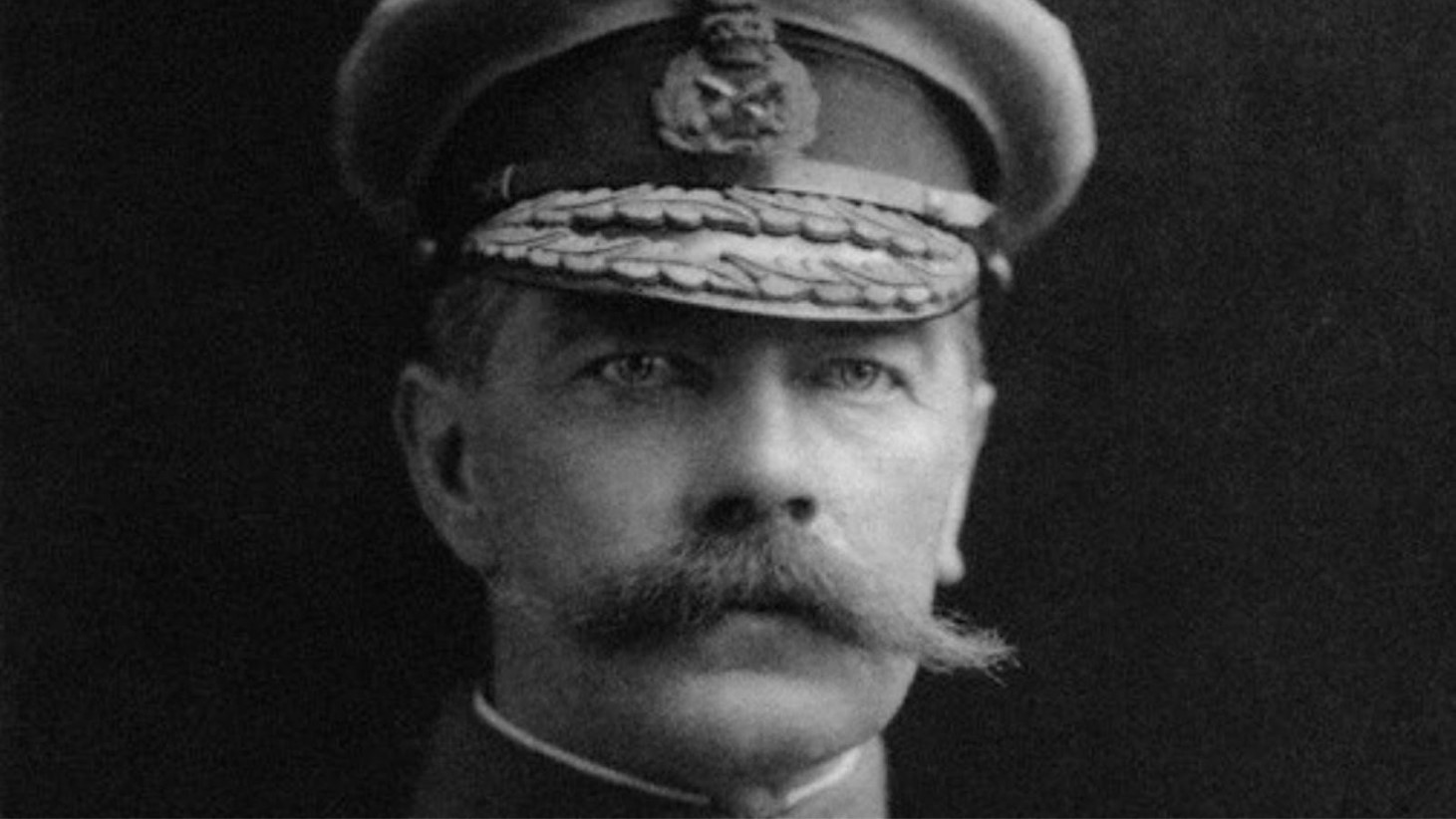
9. Whose face appears on the "Wants You!" poster designed to encourage people to sign up for World War I?
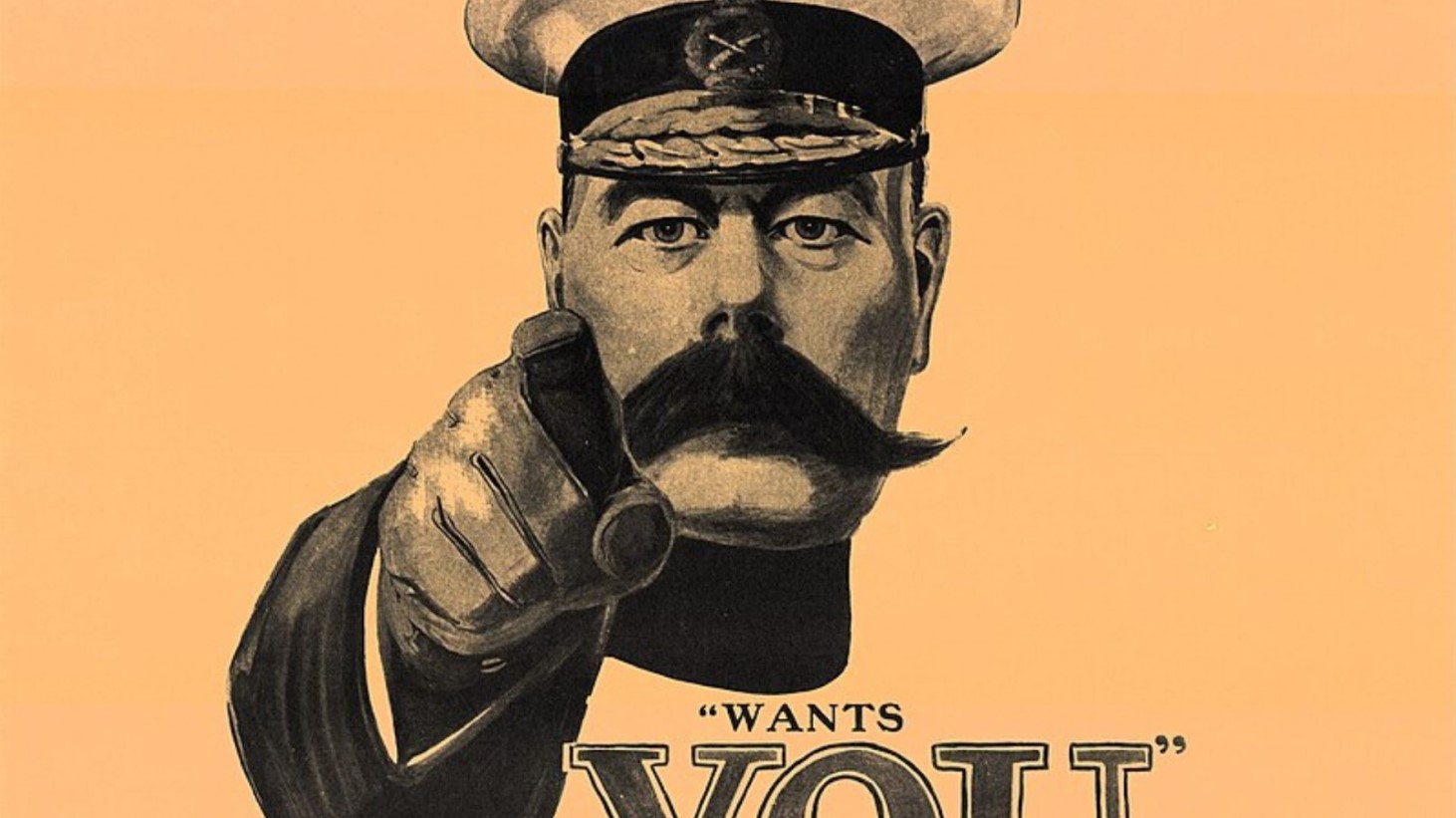
A vintage World War I recruitment poster featuring the upper half of a stern-looking man pointing directly at the viewer. He's wearing a military uniform with a cap, and his mustache is prominent
Source: Wikimedia Commons


  • A) Winston Churchill

  • B) Lord Kitchener

  • C) David Lloyd George

  • D) Field Marshal Haig

Answer:

Black and white photograph of a stern-looking military officer in a dress uniform. He has a neatly trimmed mustache and is wearing a cap with a badge on the front
Source: Wikimedia Commons

B) Lord Kitchener, the new minister for war was featured on the poster

10. Which of the following is true about the Battle of Verdun, one of the bloodiest battles of World War I?
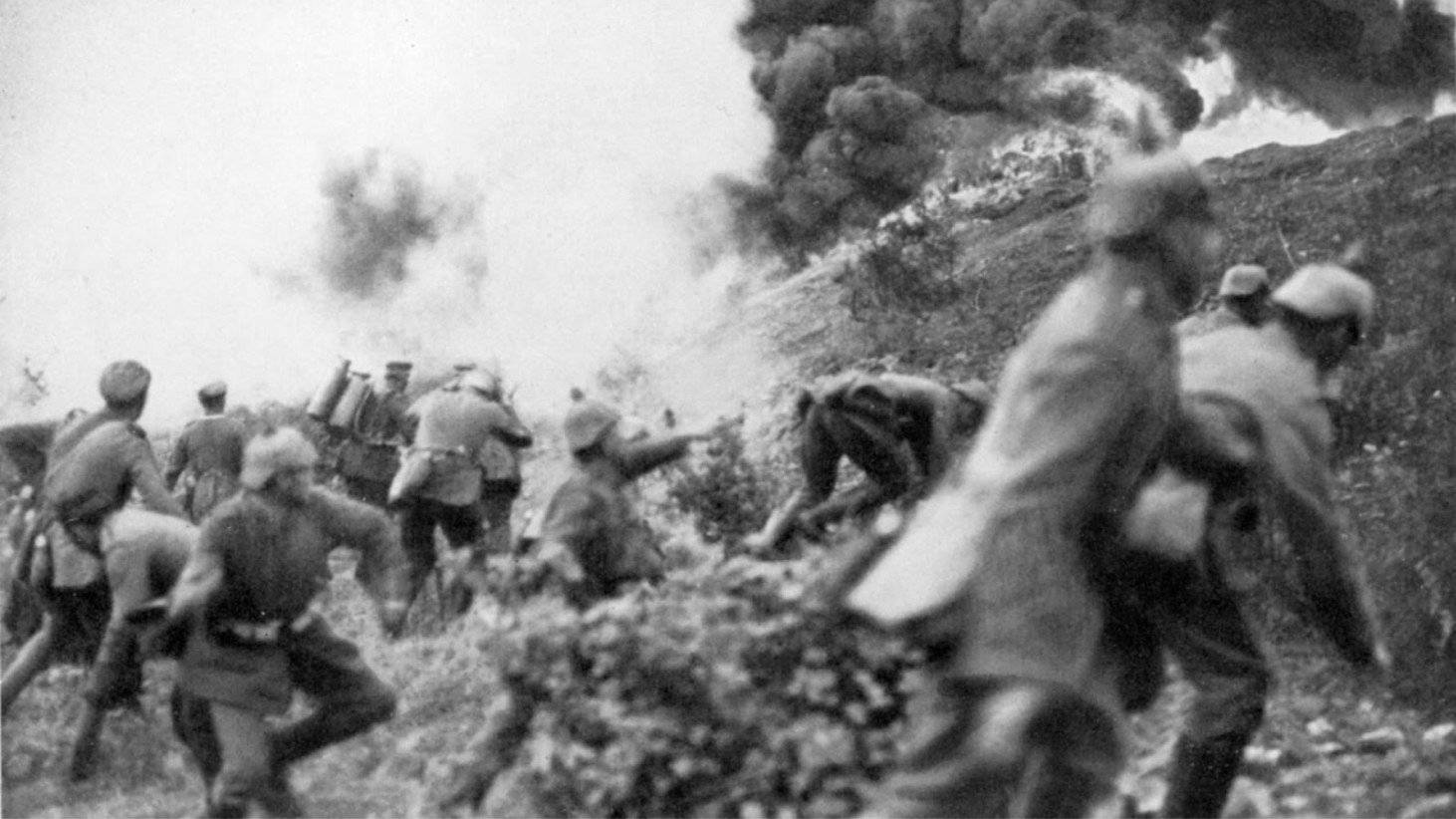
A grainy black and white photograph captures a group of World War I soldiers advancing uphill under fire. An explosion is seen in the background
Source: Wikimedia Commons


  • A) It was the first battle to use tanks

  • B) It was the last battle before German surrender

  • C) It was the first European battle fought by U.S. soldiers

  • D) It was the longest battle in modern warfare

Answer:
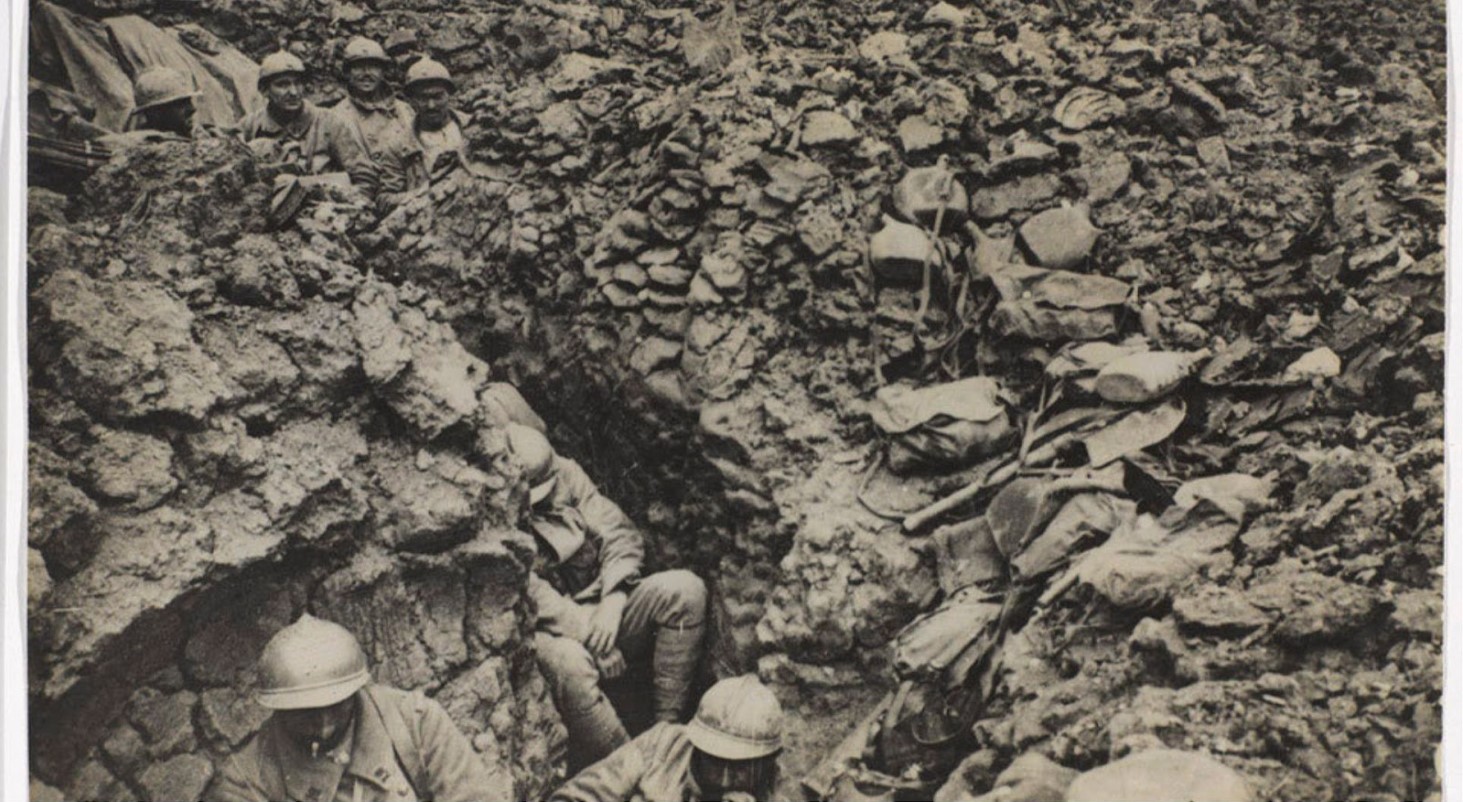
Black and white photo of World War I soldiers huddled in a deep trench. They wear helmets and look upward
Source: Wikimedia Commons

D) It was the longest battle in modern warfare, lasting 300 days

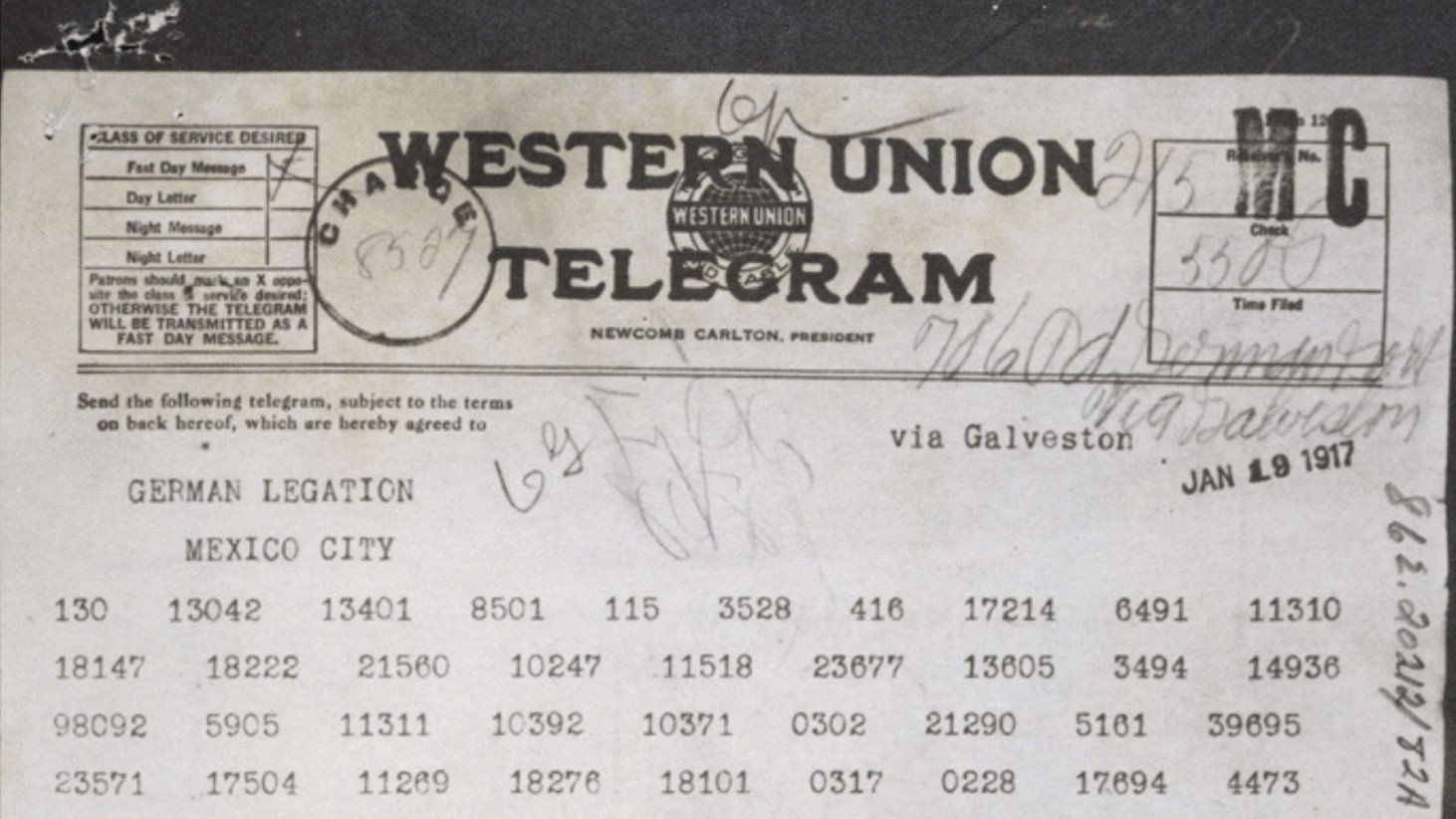
11. Which infamous communication finally brought the USA into the war?
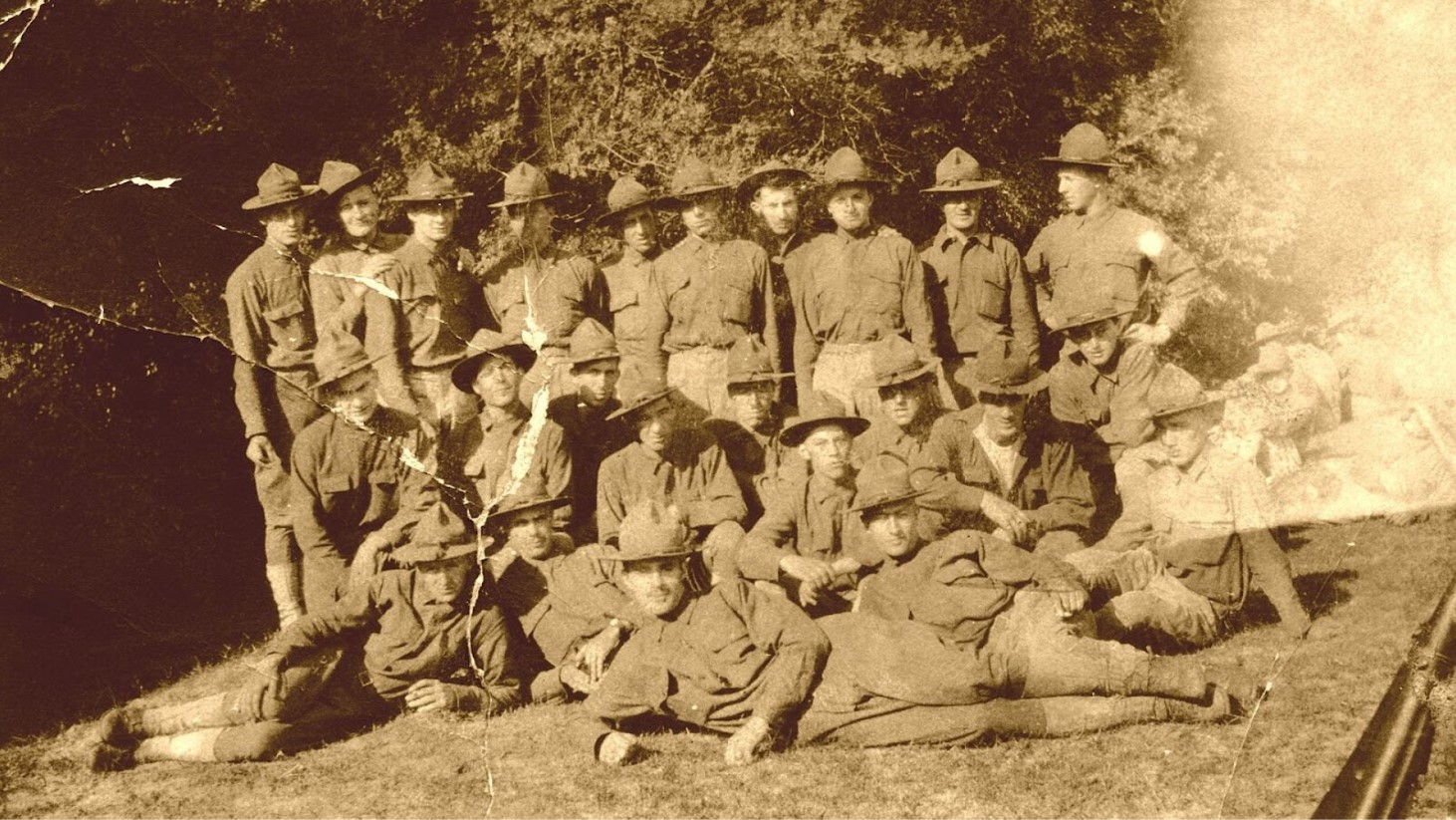
Sepia-toned photograph of a group of World War I soldiers. They are casually posed in two rows, some standing and others sitting or reclining on the grass. Each soldier is wearing a uniform and a brimmed helmet
Source: Wikimedia Commons


  • A) The Zimmermann Telegram

  • B) The Zinoviev Letter

  • C) The Treaty of Trianon

  • D) The Arthur Letter

Answer:

An image of a historic Western Union Telegram dated January 19, 1917
Source: Wikimedia Commons

A) It was the Zimmermann Telegram, which encouraged Mexico to take military action against the USA.

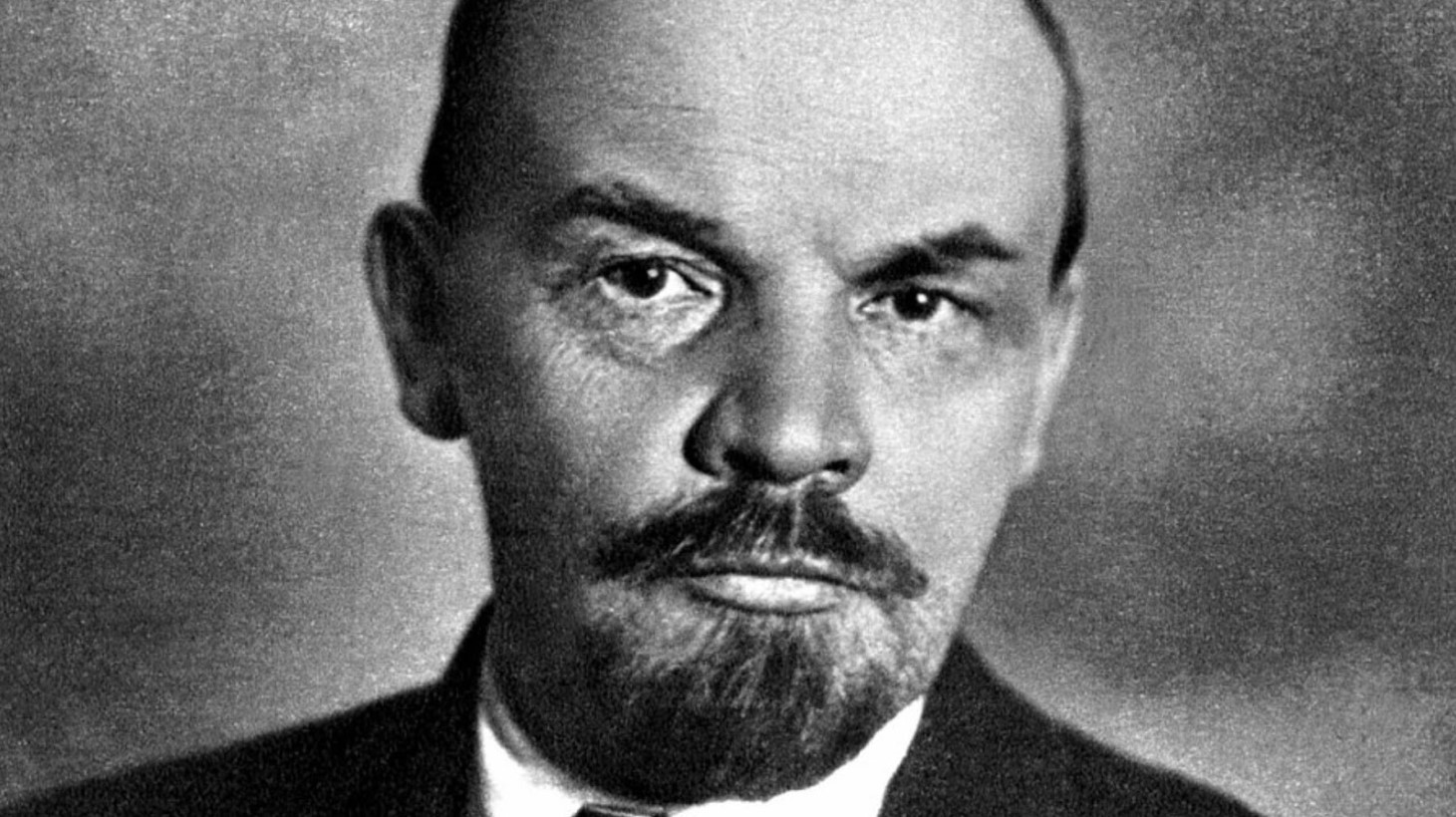
12. Why did Russia stop fighting World War I?
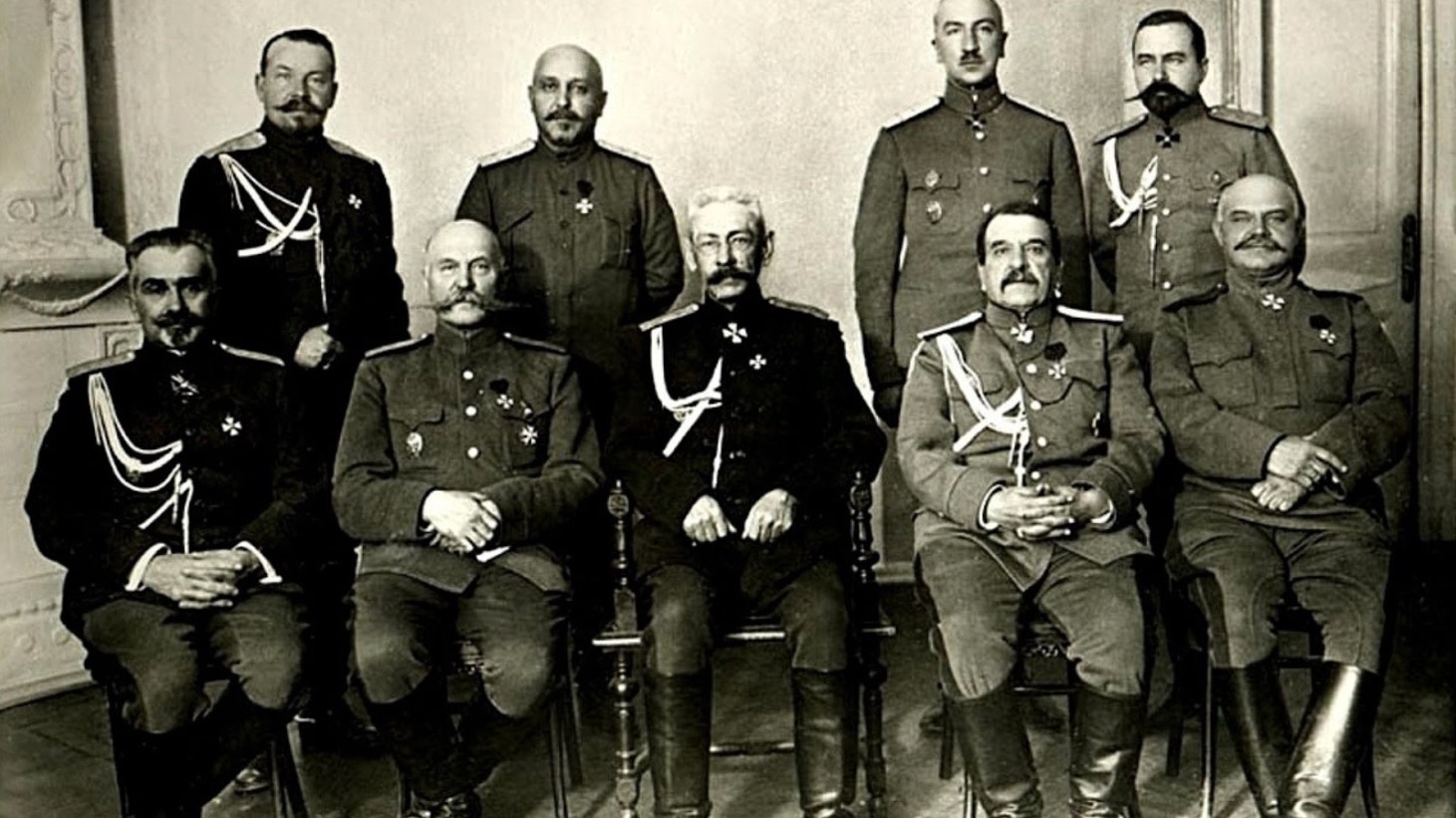
Black and white photograph of seven military officers posed for a formal picture. They are dressed in ornate uniforms with medals and decorations. The officers are arranged in two rows
Source: Wikimedia Commons


  • A) Communist takeover

  • B) They had achieved everything they wanted

  • C) Germany paid them

  • D) Ammunition shortage

Answer:

Black and white portrait of Vladimir Lenin
Source: Wikimedia Commons

A) Communist takeover

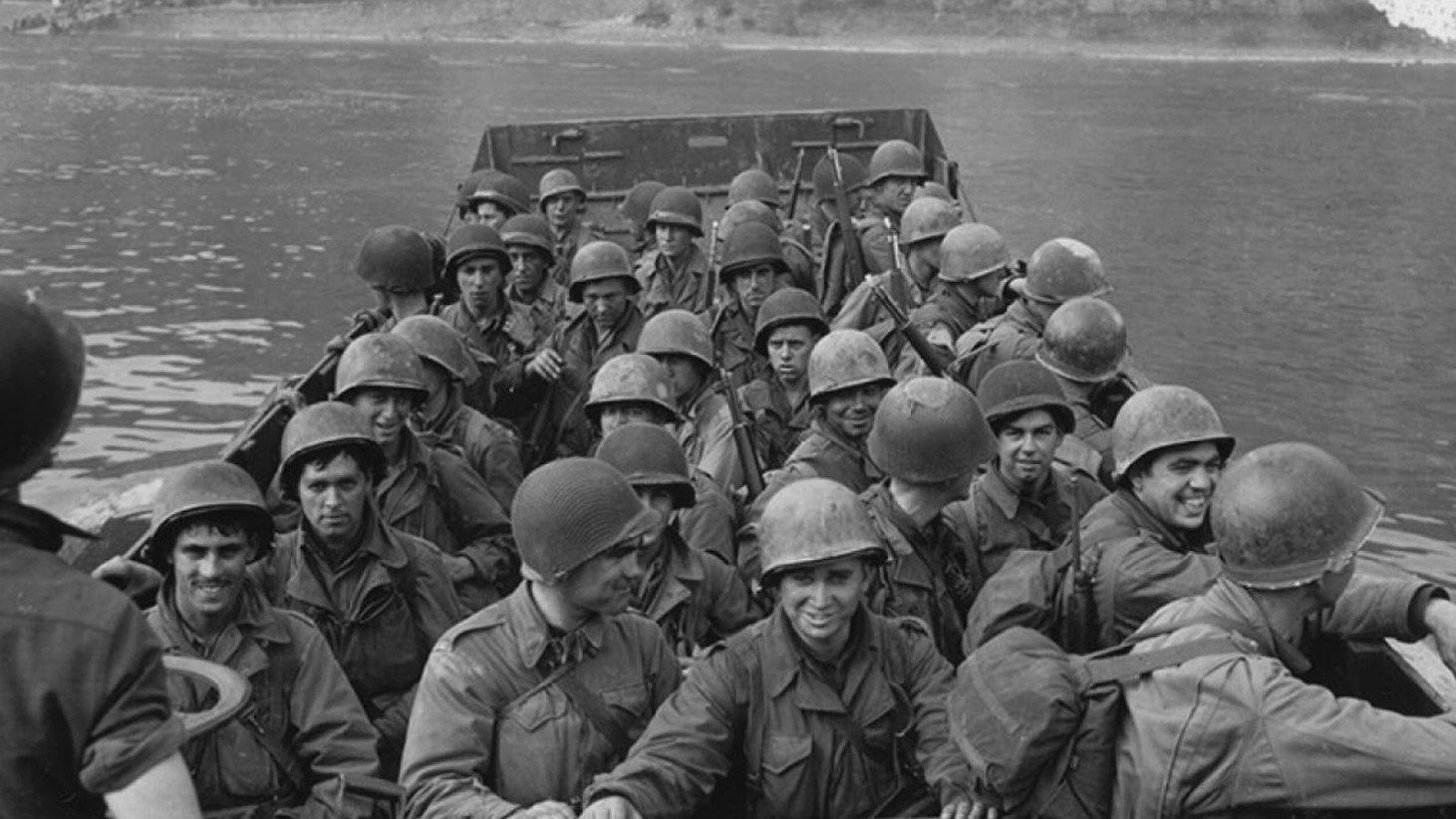
13. Which nickname was given to U.S. infantrymen?
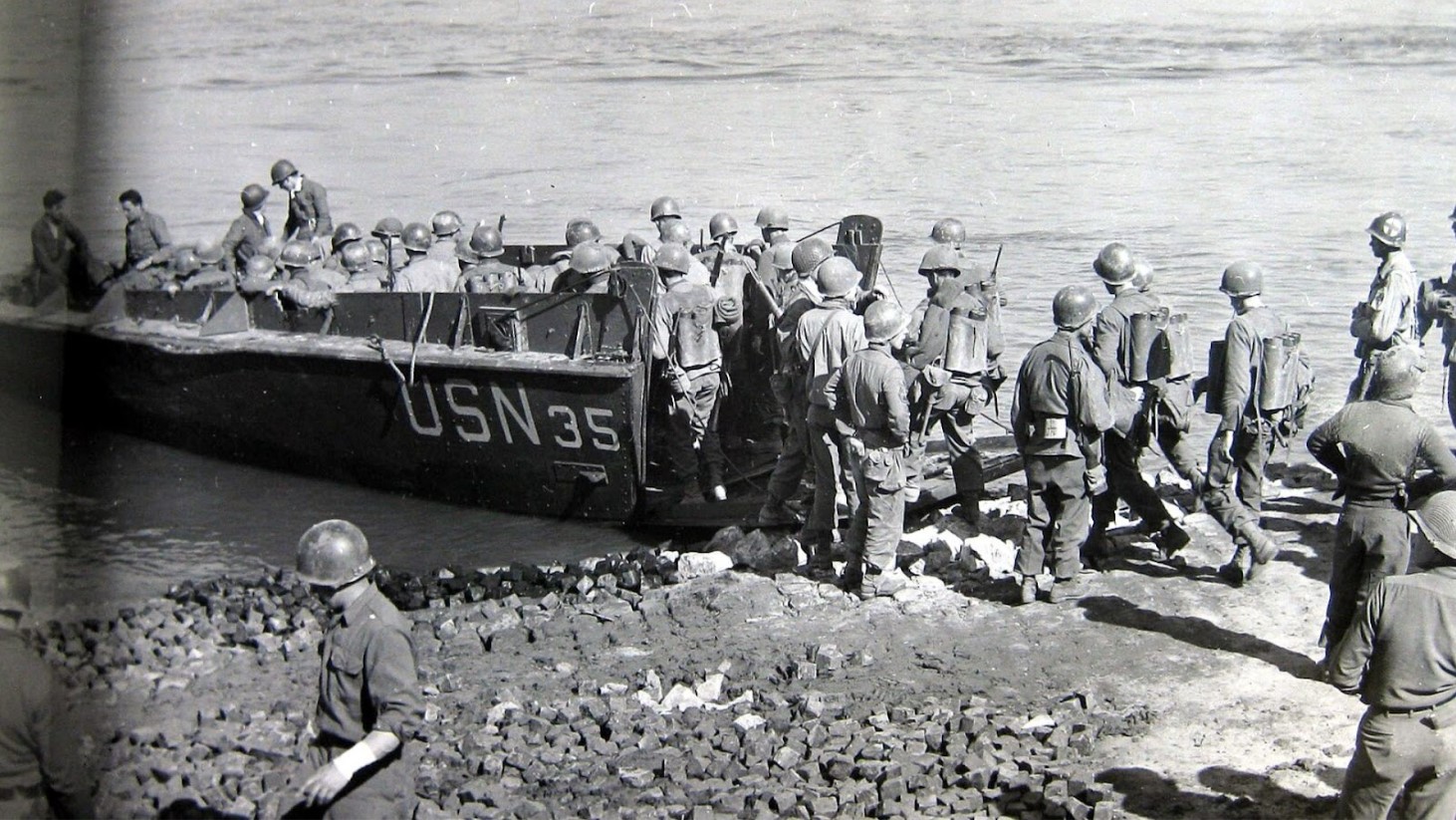
Black and white photograph of soldiers disembarking from a USN (United States Navy) boat numbered 35 onto a rocky shore
Source: Wikimedia Commons


  • A) Doughboys

  • B) Tommies

  • C) Alleymen

  • D) Jerries

Answer:

Black and white photograph of soldiers packed tightly into a landing craft, crossing a body of water. They are equipped with helmets and gear
Source: Wikimedia Commons

A) European soldiers called their American counterparts "Yanks" or "Sammies," but the U.S. infantrymen called themselves “doughboys’, a nickname which caught on

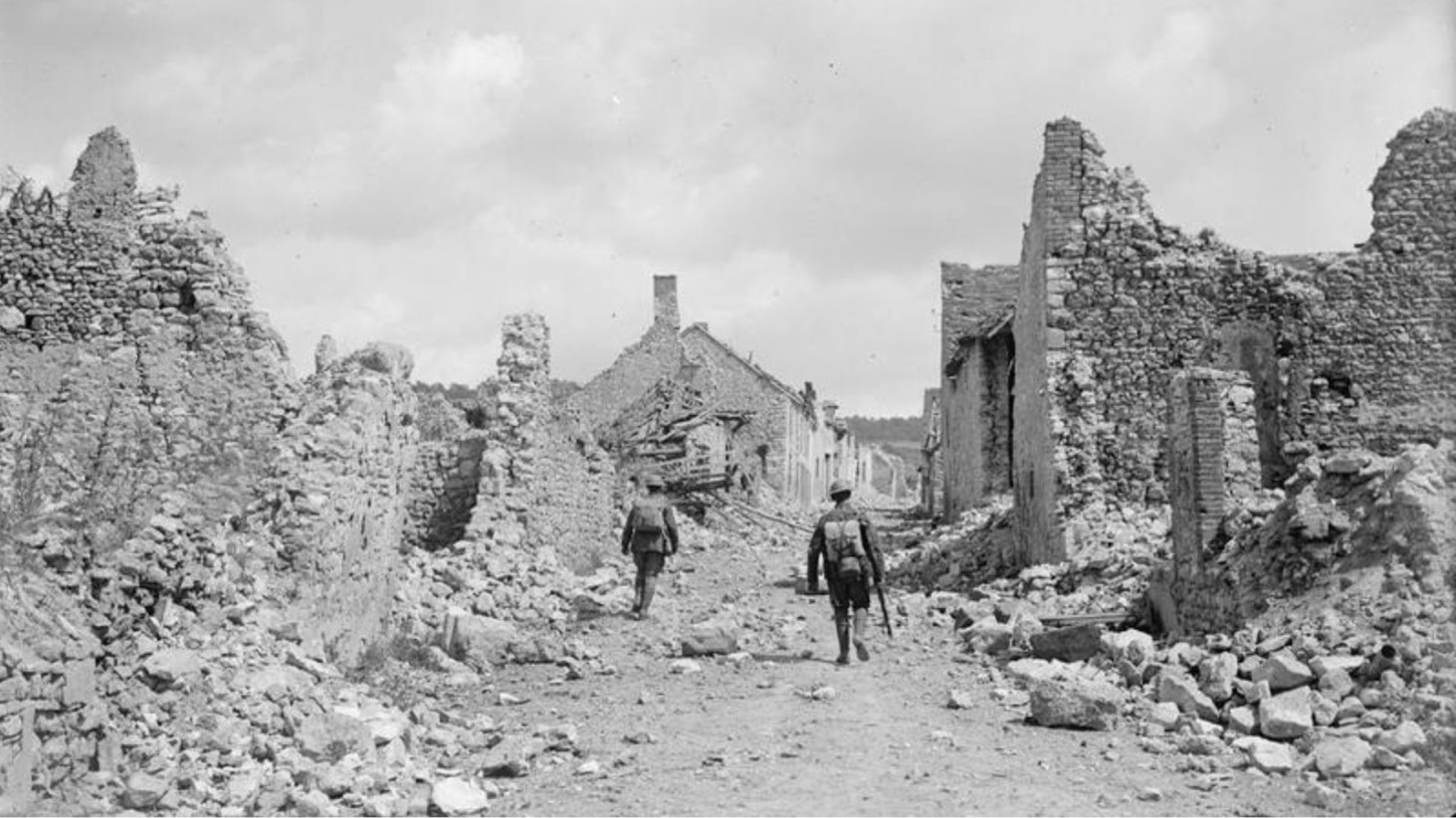
14. According to the legend, how did the soldiers of the Paris garrison get to the battle of the Marne in September 1914?
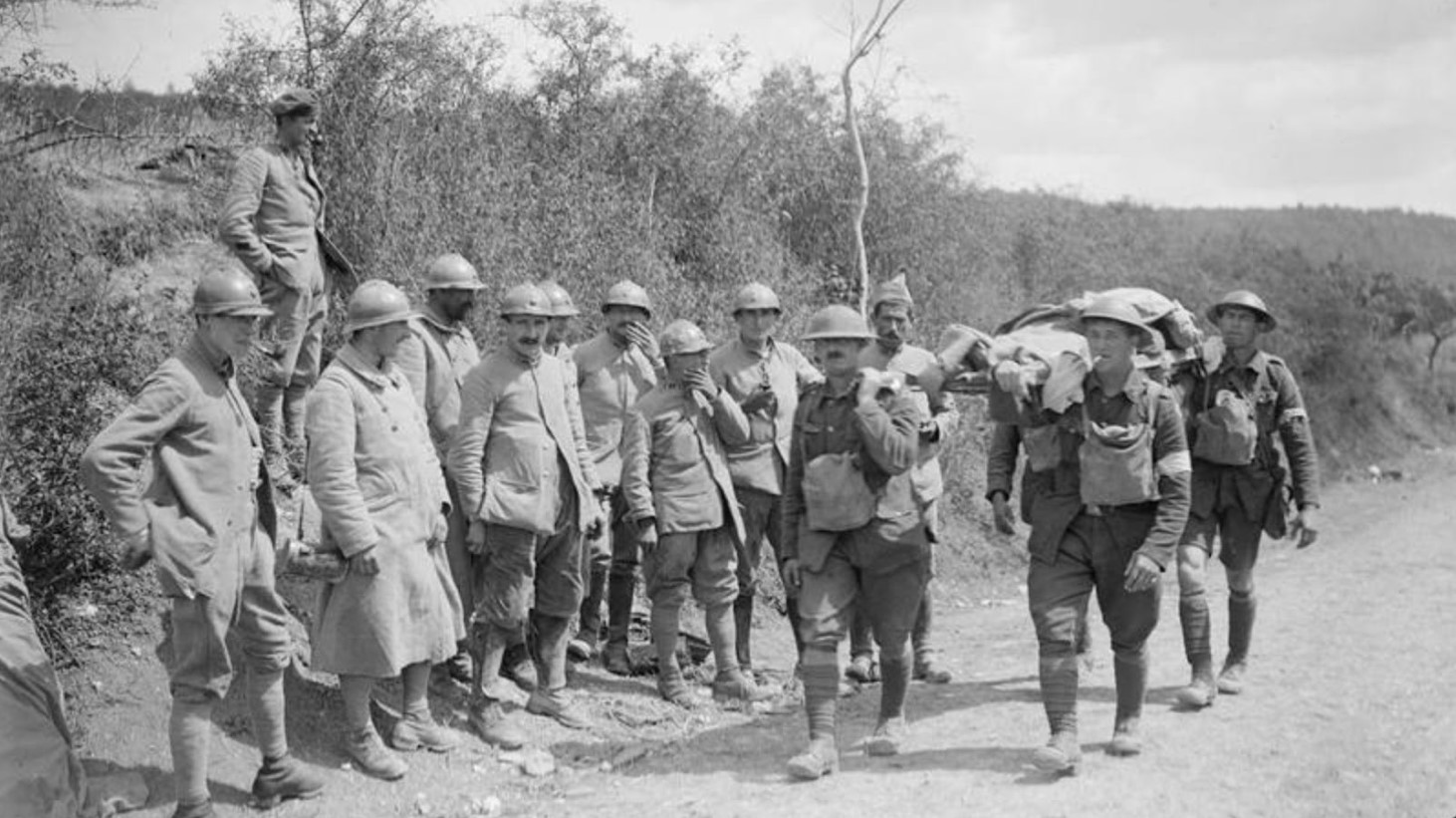
A black and white photograph of World War I soldiers standing and walking along a dusty roadside. Four soldiers are carrying a wounded man on a stretcher
Source: Wikimedia Commons


  • A) Trains

  • B) Taxis

  • C) Bicycles

  • D) Buses

Answer:

Black and white photograph of two soldiers walking down a desolate street lined with the crumbling ruins of buildings destroyed in wartime
Source: Wikimedia Commons

B) Taxis

15. Before rising to prominence as Britain's Prime Minister in World War II, what role did Winston Churchill play in World War I?
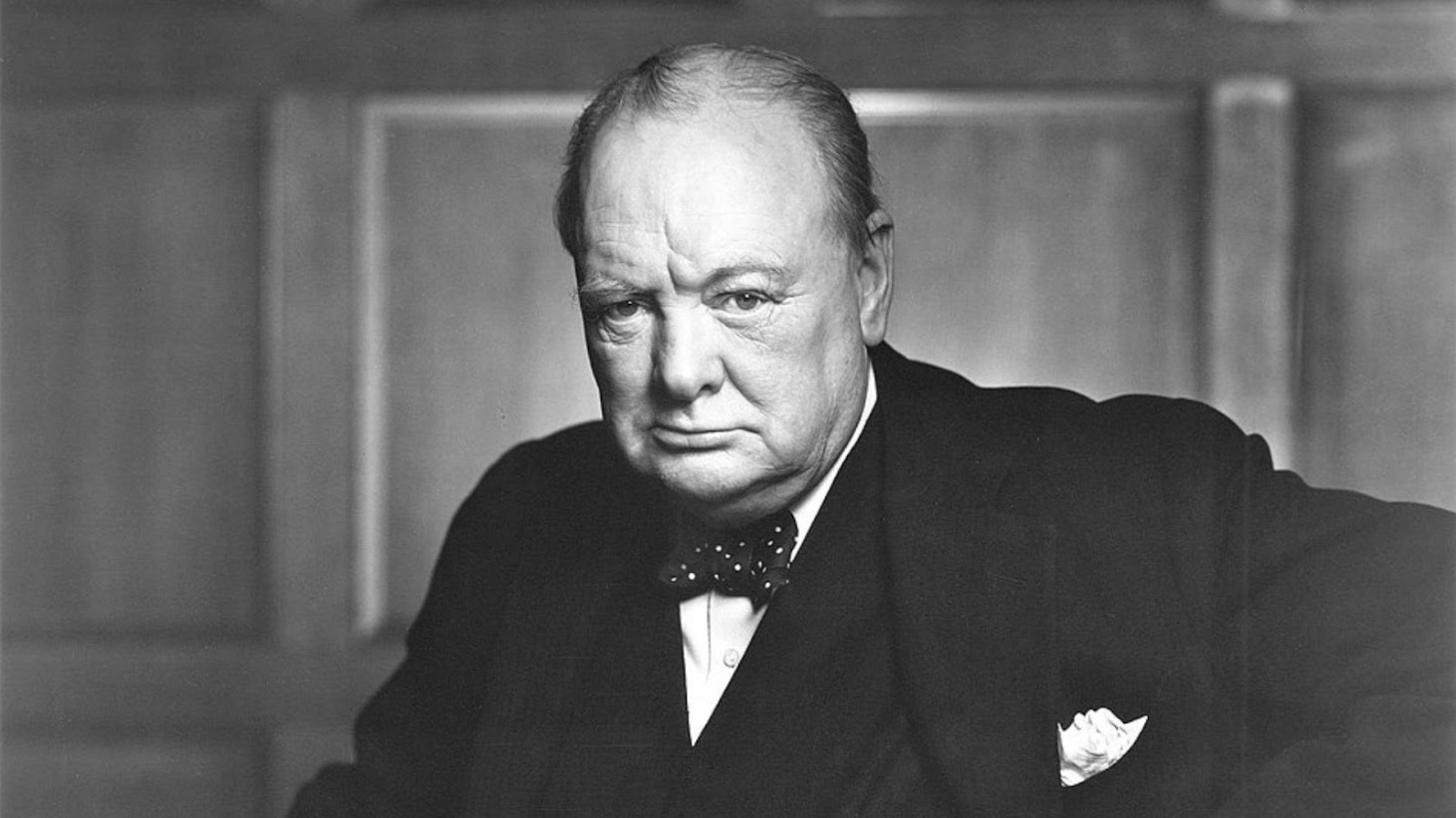
Black and white portrait of Winston Churchill. The former British Prime Minister is depicted in a dark suit with a polka-dot bow tie and a white pocket square
Source: Wikimedia Commons


  • A) Developed chemical weapons

  • B) Fought as an infantryman

  • C) Sat out as a conscientious objector

  • D) Lead a disastrous campaign

Answer:

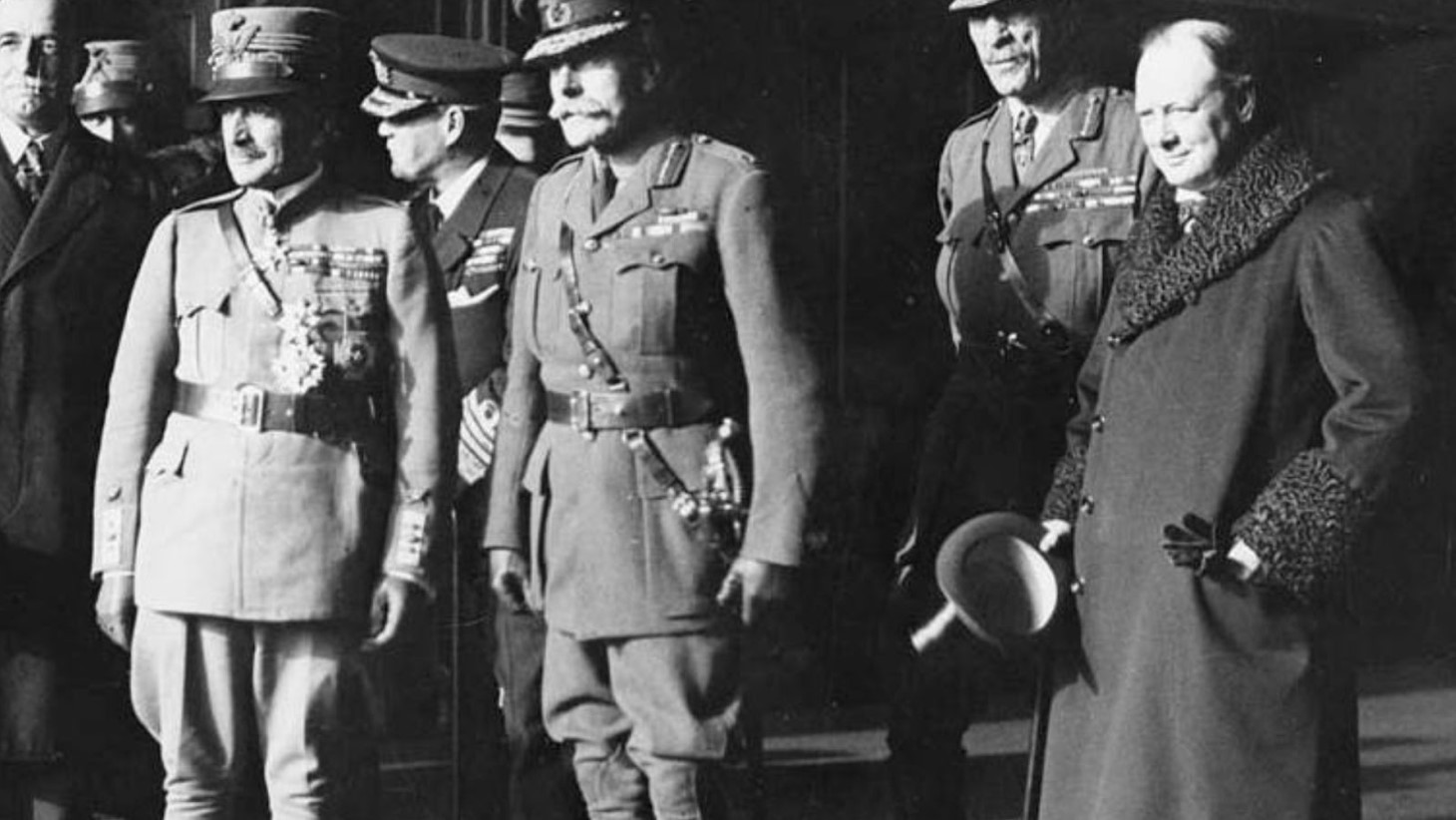
A black and white photo showing Field Marshal Haig, along with a mix of military and civilian dignitaries. Among them is a French general. Sir Winston Churchill is present, positioned on the right side of the frame
Source: Wikimedia Commons

D) Led by Winston Churchill, Britain's campaign to aid Russia by attacking the Ottoman Empire through the Dardanelles in Turkey ended disastrously, resulting in a retreat and heavy losses.