Ancient Lost Forest Was Recently Discovered
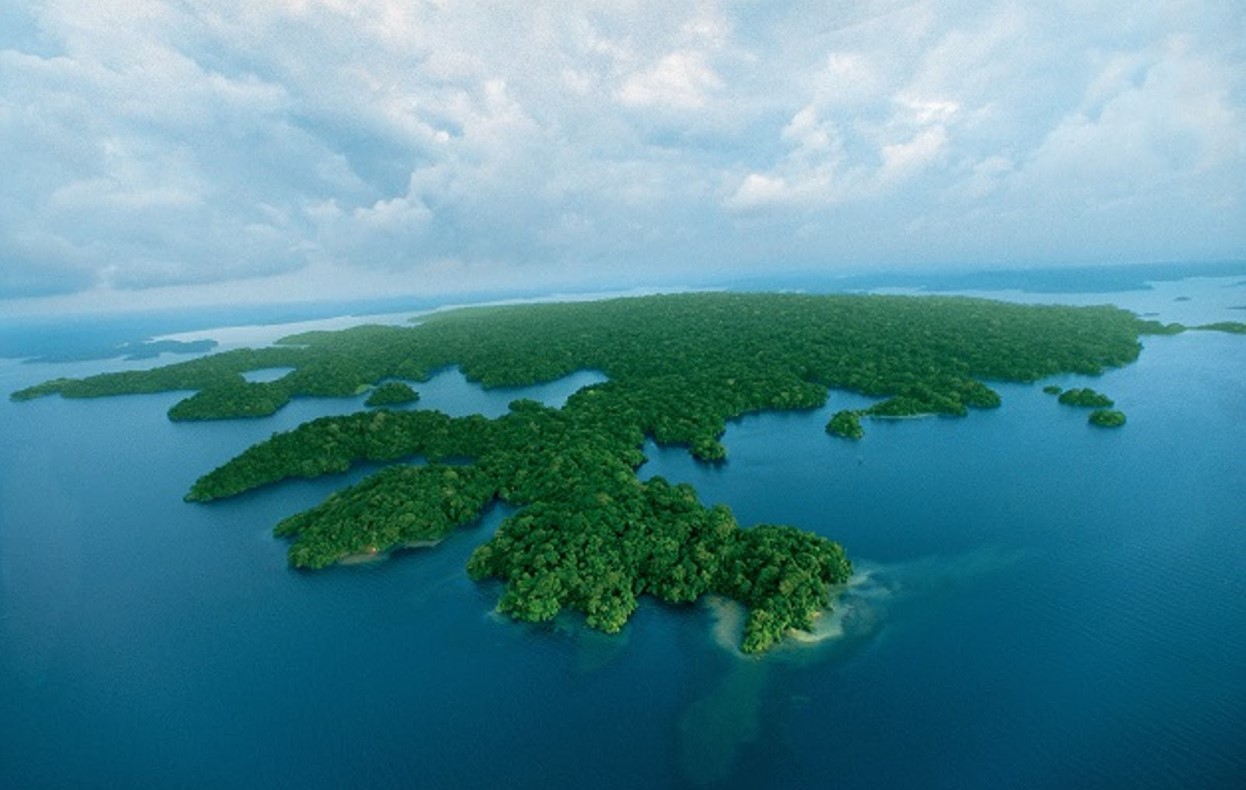
Researchers have been studying the incredible island of Barro Colorado for more than 100 years, but they recently found something they had never noticed before.
Thanks to several pieces of fossilized wood, researchers now believe that this island in the Panama Canal was home to a giant mangrove forest more than 22 million years ago, which was destroyed by a volcanic eruption.
Barro Colorado Island
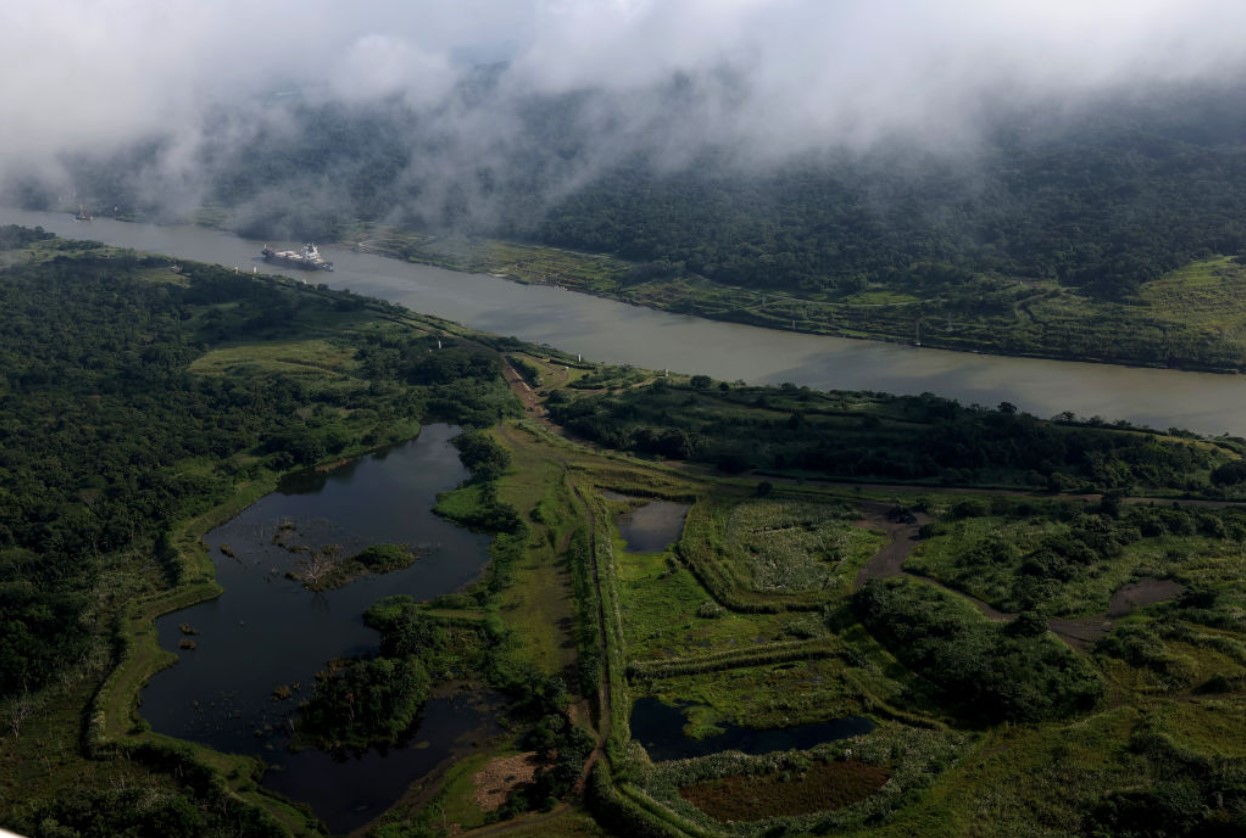
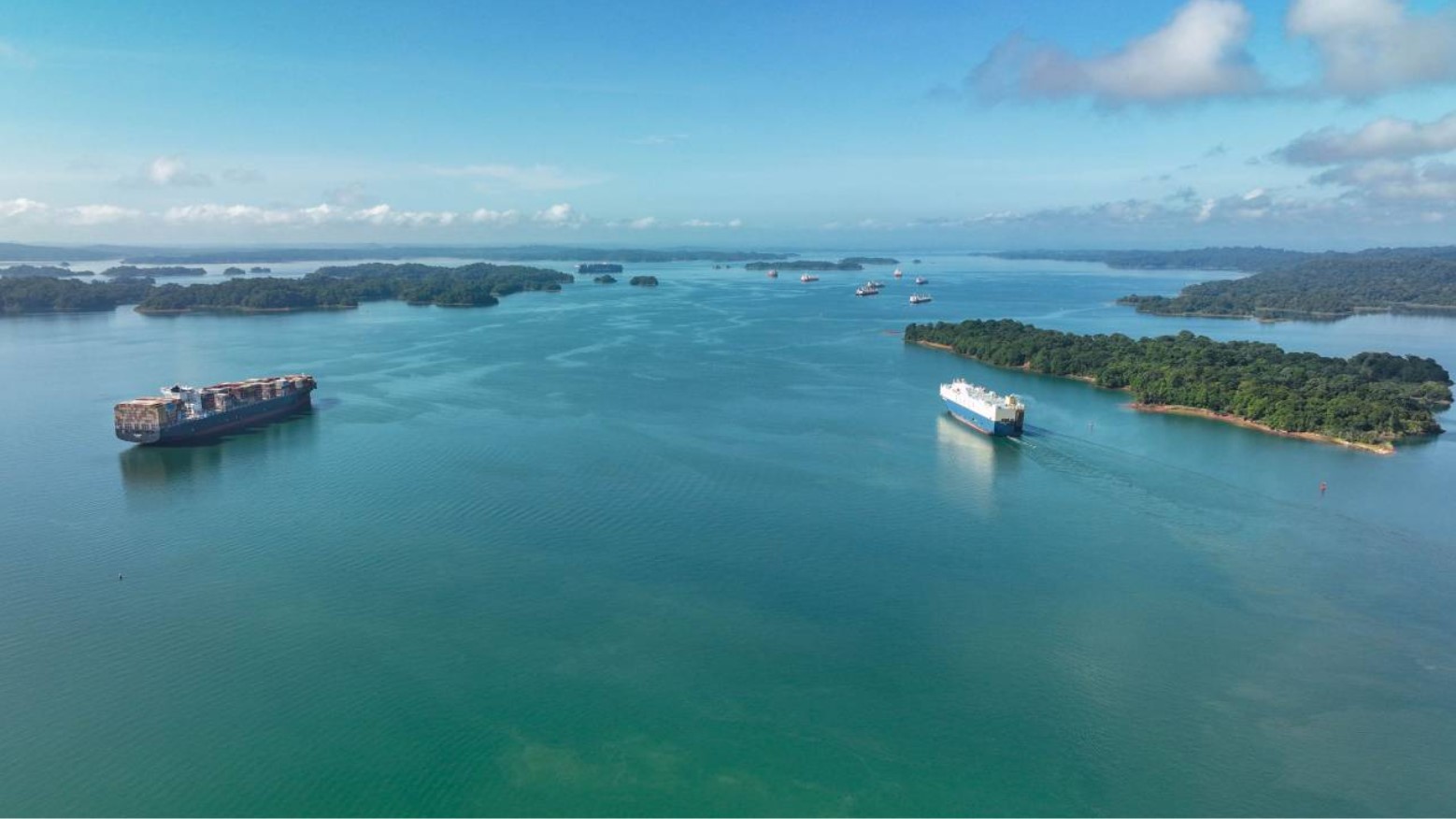
Barro Colorado Island was first formed in 1913 when the waters of the Charges River were dammed to create Gatun Lake and the Panama Canal.
Before the dam, the island was a much larger tropical forest, and the immense diversity within the natural flora and fauna on the island has not been altered by human interaction. Therefore, today, it is one of the most studied forests on the planet.
The Smithsonian Tropical Research Institute
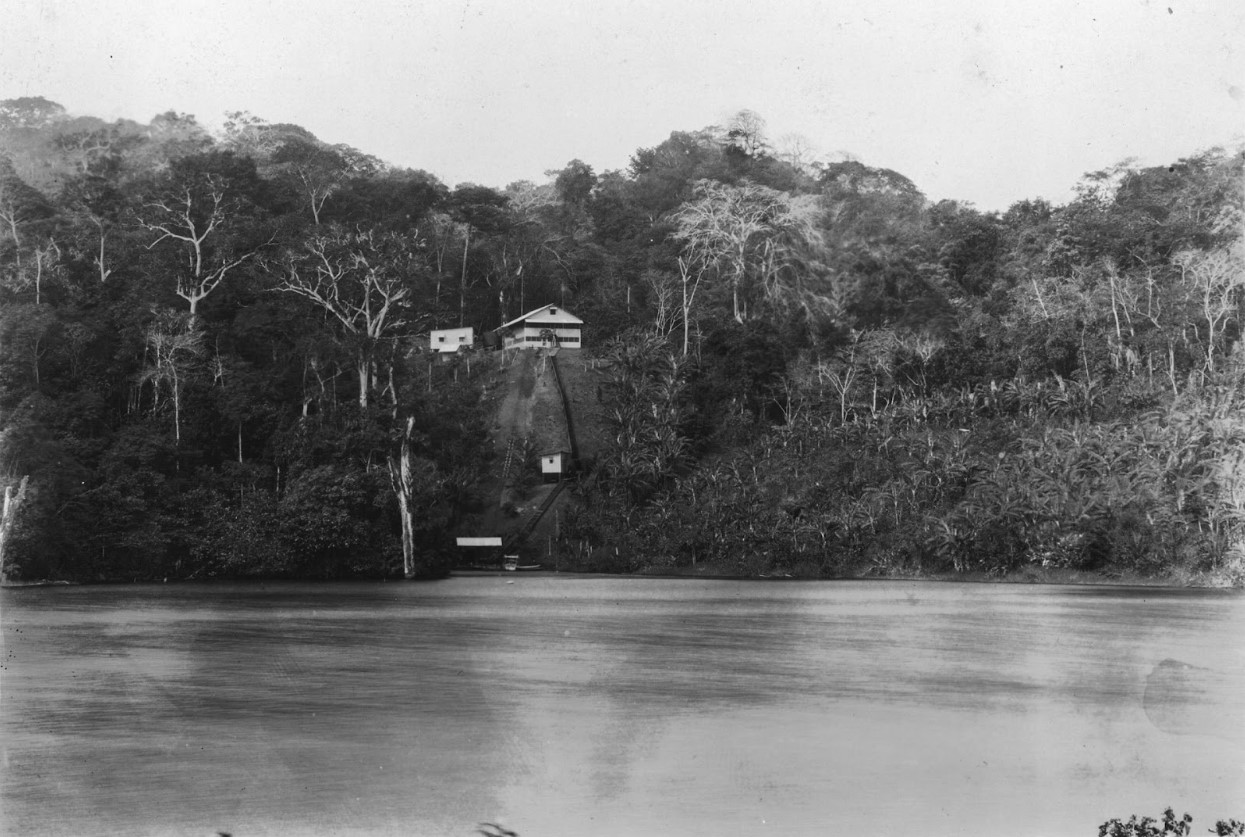
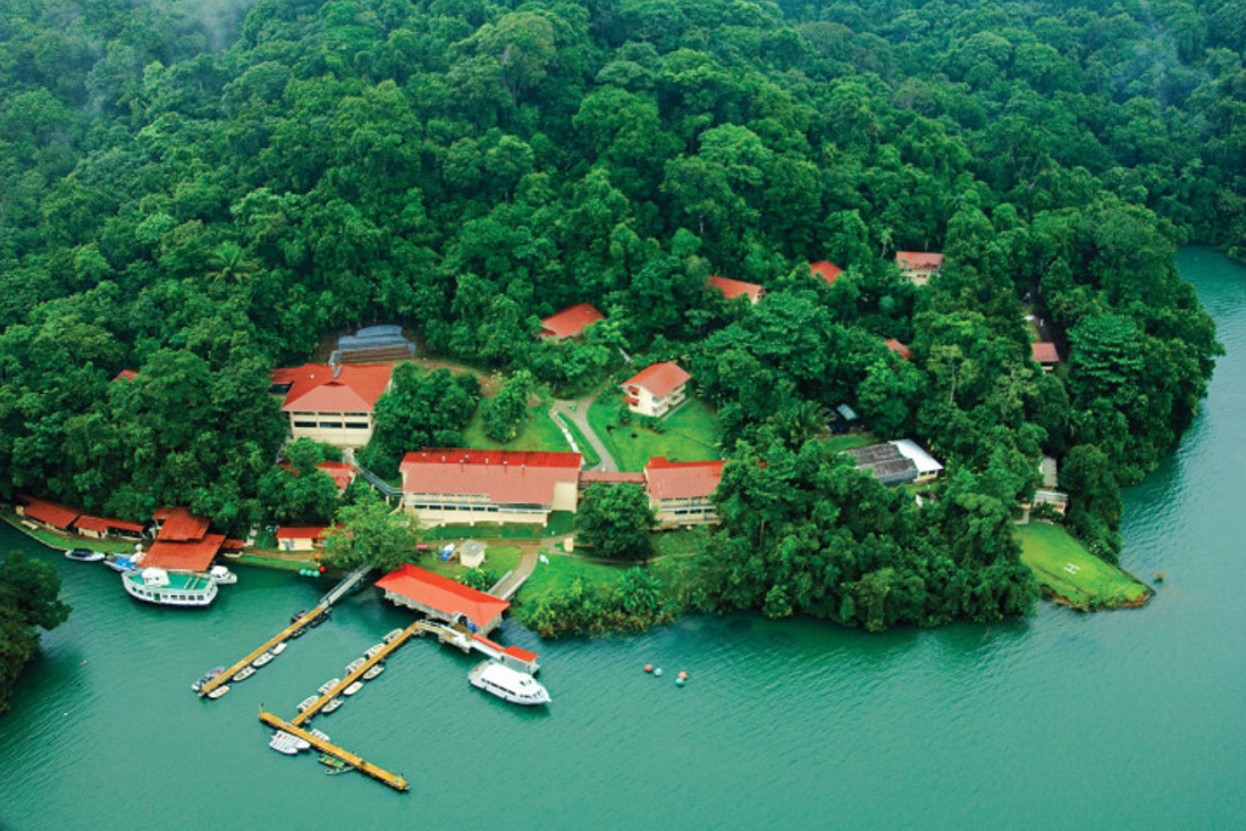
In 1923, the Smithsonian Tropical Research Institute (STRI) opened a research center on Barro Colorado Island and has been studying its ecological treasures for over 100 years.
The thousands of scientists who have spent time on Barro Colorado have learned a great deal about the ancient tropical forest, though some argue the most important discovery to date is that of the never-before-seen mangrove trees.
Finding the Fossilized Wood
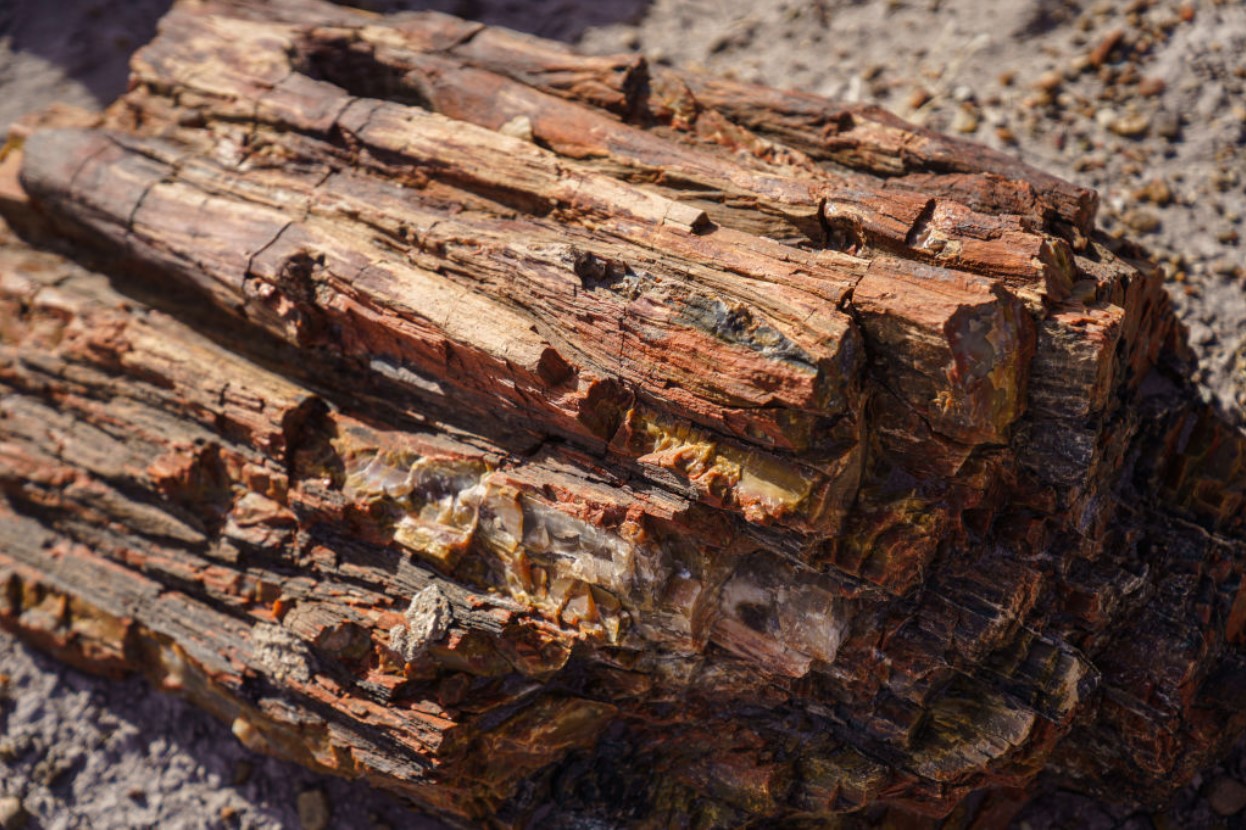
A paper was published on March 1, 2024, by Palaeogeography, Palaeoclimatology, Palaeoecology, in which the researchers from the STRI shared their incredible findings with the world.
Within the paper, the team “describe[s] a new fossil wood species Sonneratioxylon barrocoloradoensis,” which they believe are “remains on an Early Miocene mangrove forest.” In layman’s terms, the researchers found a species of mangrove trees that grew some 22 million years ago.
Finding Mangroves from Asia in Panama
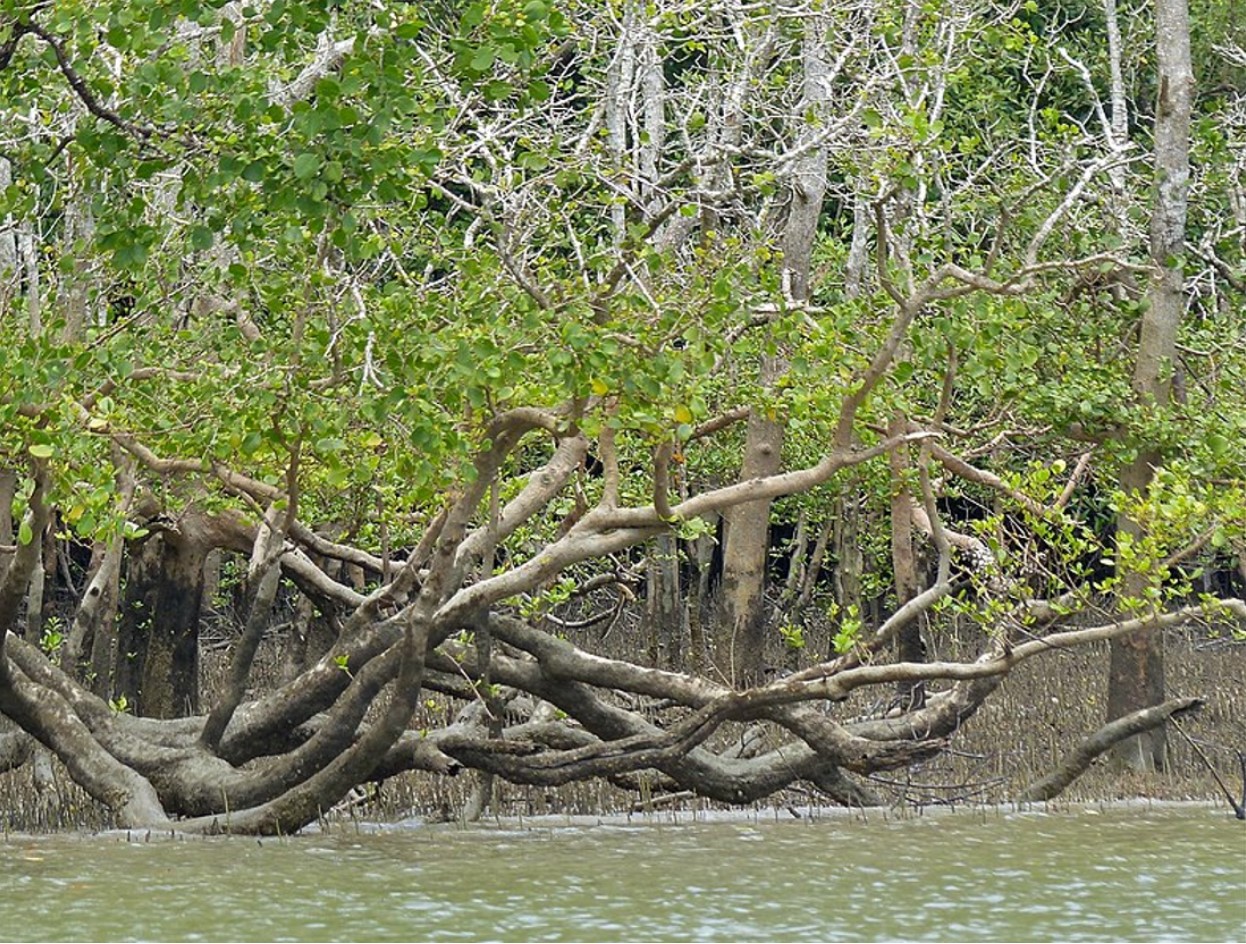
Thanks to the 121 pieces of fossilized wood found on Barro Colorado, scientists believe they have found evidence of an ancient mangrove forest, which is quite similar to those that exist today in Asia.
But while they report the trees would have been similar to Southeast Asia’s modern mangroves, the species they found is one that has never been seen before. And while they can’t deduce everything about this ancient forest from the fossilized trees, they have been able to make several educated hypotheses.
The Mangrove Trees in Panama Once Stood Over 100 Feet Tall
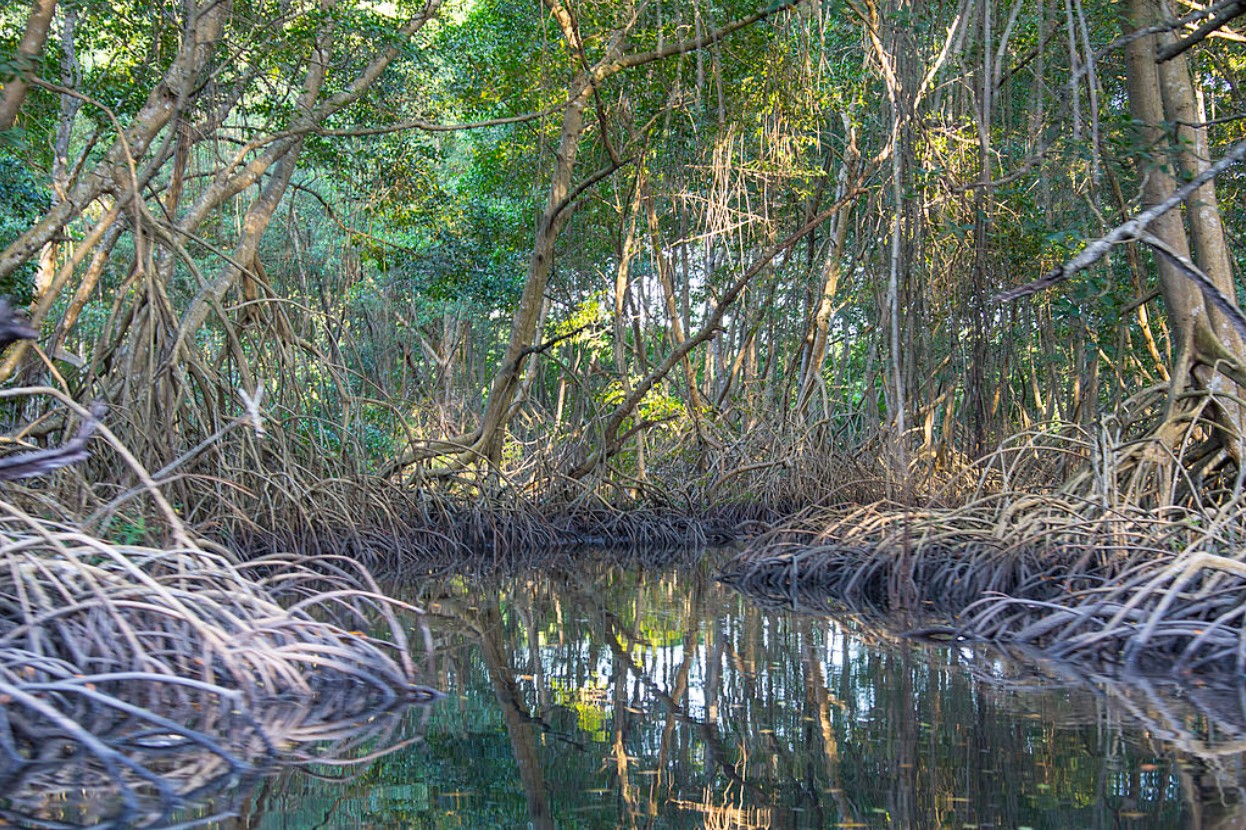
The Sonneratioxylon barrocoloradoensis mangrove species, named for Barro Colorado Island, likely grew to around 82 feet tall when they covered the area 22 million years ago.
However, the researchers believe several of the trees may have grown as tall as 131 feet, which is significantly taller than modern mangroves that typically only reach about 20 feet tall.
How Large Was the Ancient Mangrove Forest in Panama?
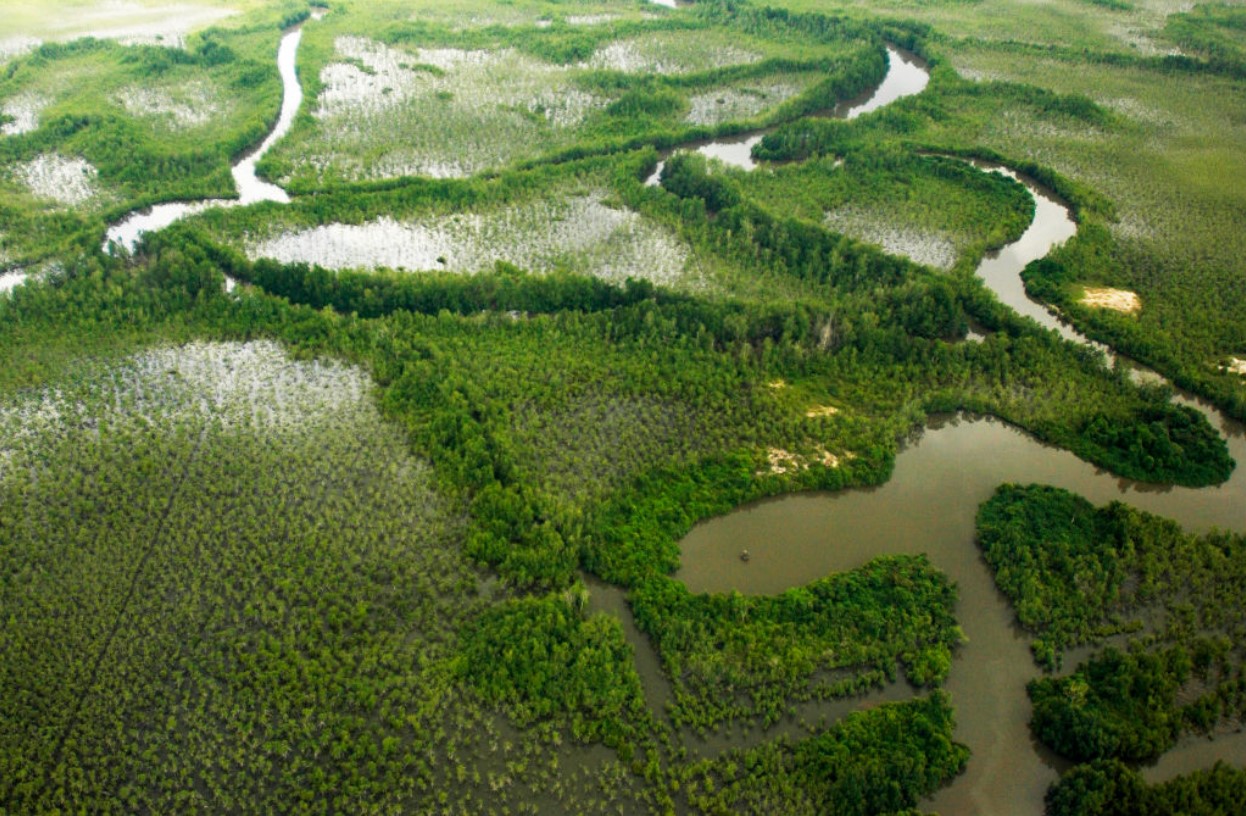
Because much of Barro Colorado Island, and Panama as a whole, has been and is still underwater for much of its geologic history, it’s difficult for researchers to understand just how large this ancient forest may have been.
In fact, thanks to the excess water coverage around Barro Colorado Island, the scientists were truly lucky to find any fossilized wood at all.
Fossilized Wood Is Extremely Rare
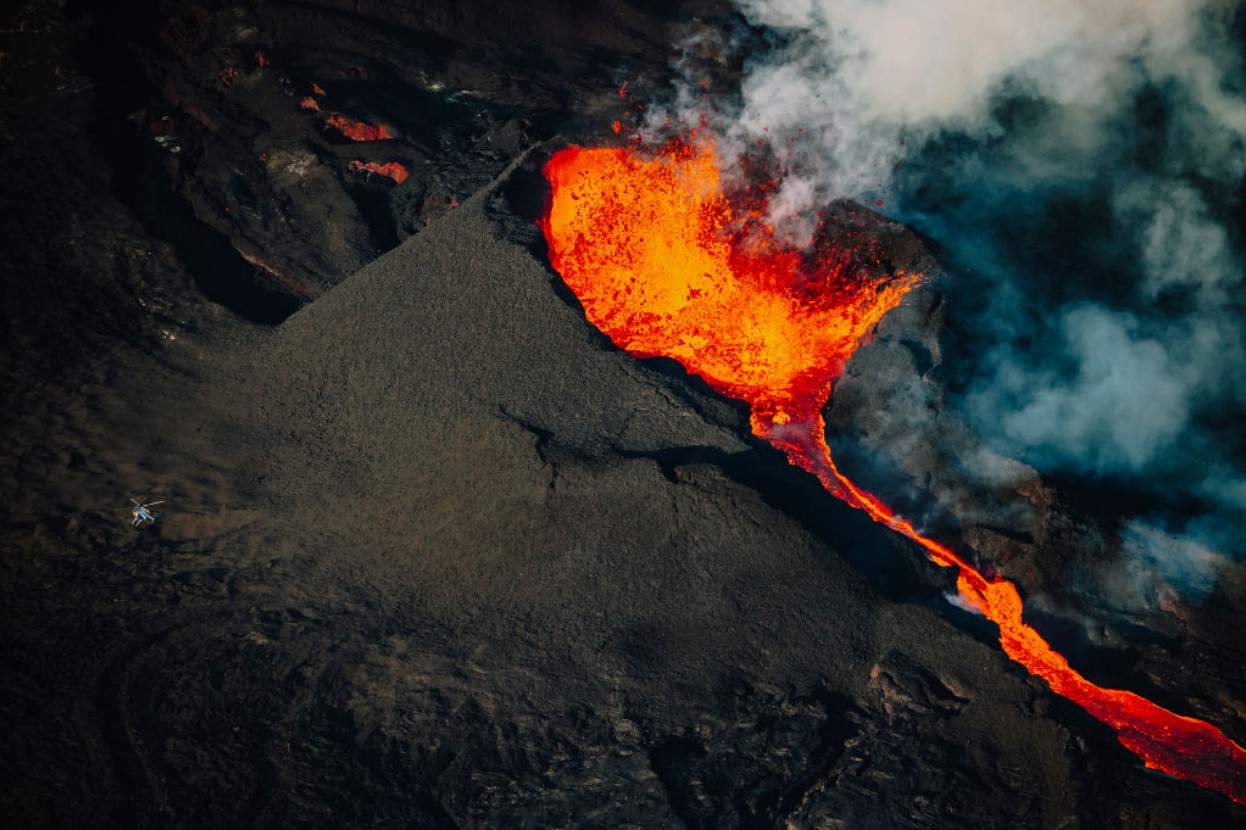
Fossilized, or petrified wood, occurs when part of a tree is buried in an environment that limits its exposure to oxygen, which is extremely rare. The most common way in which wood becomes petrified is through being buried in volcanic ash.
And that is exactly what researchers believe occurred around the Panama Canal about 22 million years ago. A volcano erupted, covering what was once a mangrove forest full of giant trees, killing most of them but fossilizing a few.
The Volcanoes of Central America Have Created an Exceptionally Interesting Ecosystem
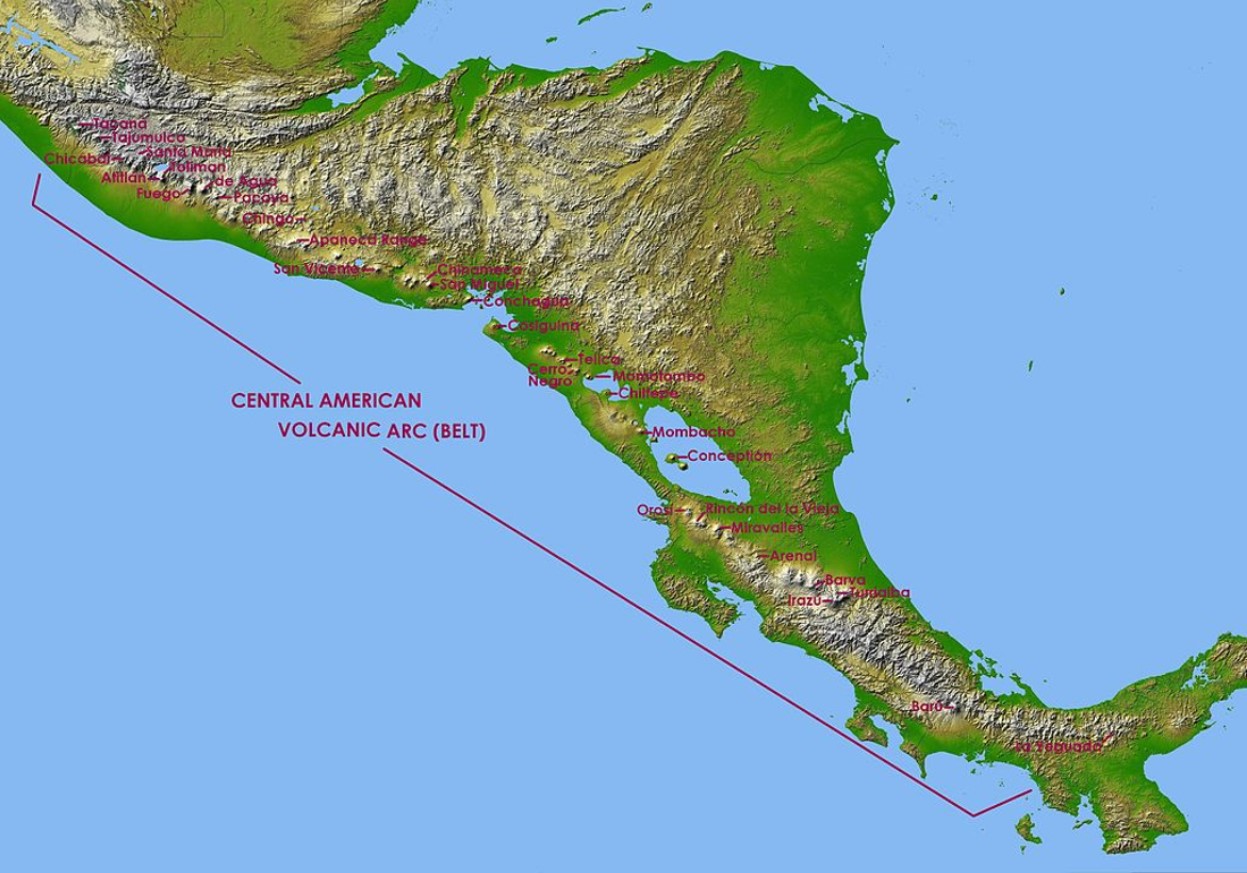
While they can’t know exactly which volcanic eruption would have killed this ancient mangrove forest, it’s not surprising they found layers of volcanic ash around the fossilized trees on Barro Colorado.
Panama and the other countries that make up Central America were once at the very bottom of what is now North America. The area is still home to an almost unbelievable amount of volcanic activity.
Understanding Earth’s Long History
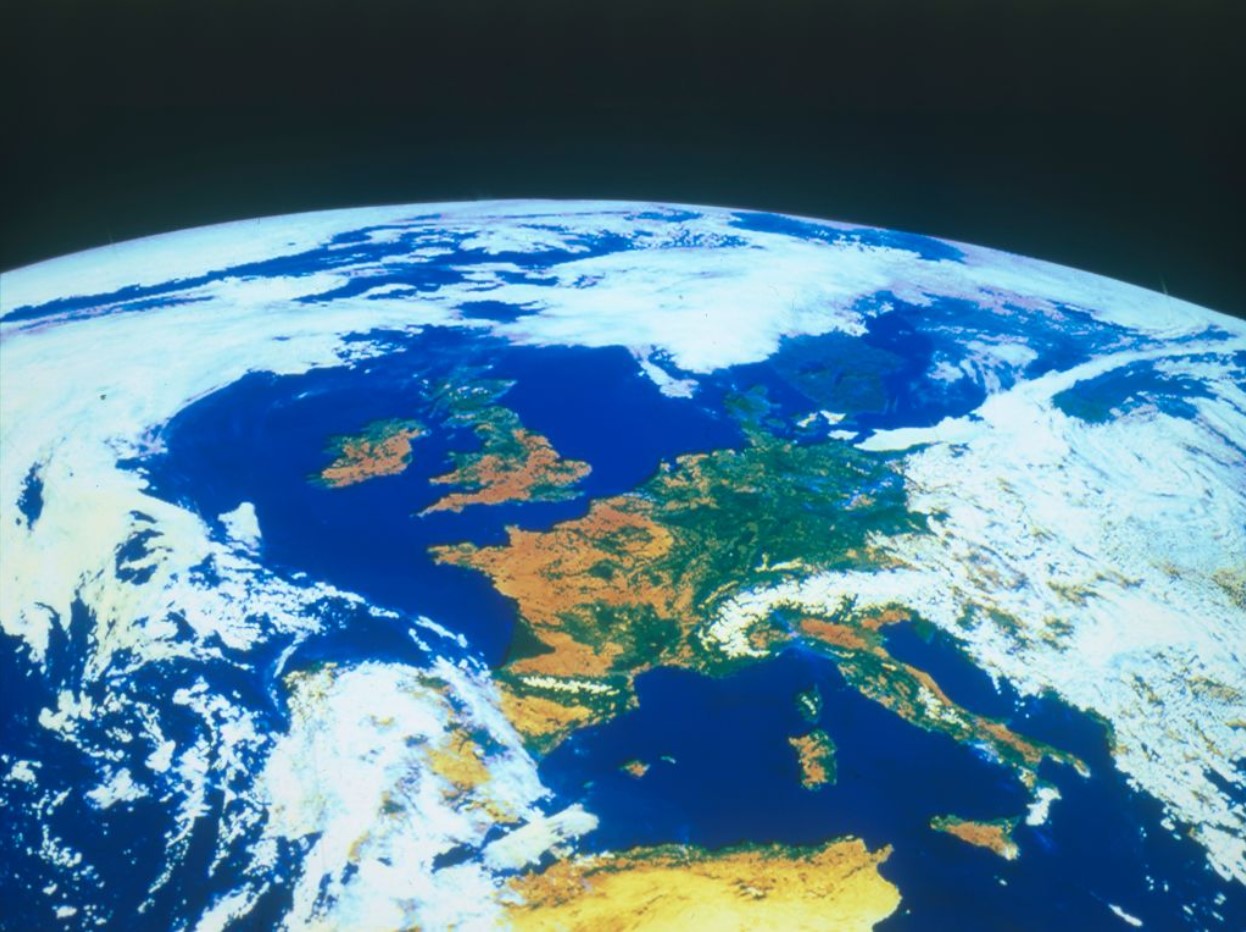
It’s important to understand that the planet we live on has been orbiting the sun for 4.5 billion years, and throughout that incredibly long history, things have changed quite a bit.
However, what’s incredibly interesting to scientists across a variety of fields is that there are also many similarities between the ancient and modern Earth.
Finding the Ancient Mangrove Forest in Panama Tells Scientists a Great Deal
One of the most interesting aspects of this discovery is noting a similar species of mangroves that exist in Southeast Asia today lived half a world away millions of years ago.
Researchers are now digging deeper into the amazing tolerance and resilience of mangrove trees, as well as attempting to understand what this finding can tell them about the animals that would have lived within the forest.
Researchers at STRI Will Continue Studying the Wonders of Barro Colorado Island
The finding of the 22-million-year-old mangrove forest is certainly exciting for scientists all over the world, but it’s just one of the many discoveries researchers have made on this magical island.
Hundreds upon hundreds of studies have been conducted by the STRI on Barro Colorado Island since its inception in 1923, and there are certainly many more to come.