A 'Vampire' Buried in the 16th Century Has Been Reconstructed by Science
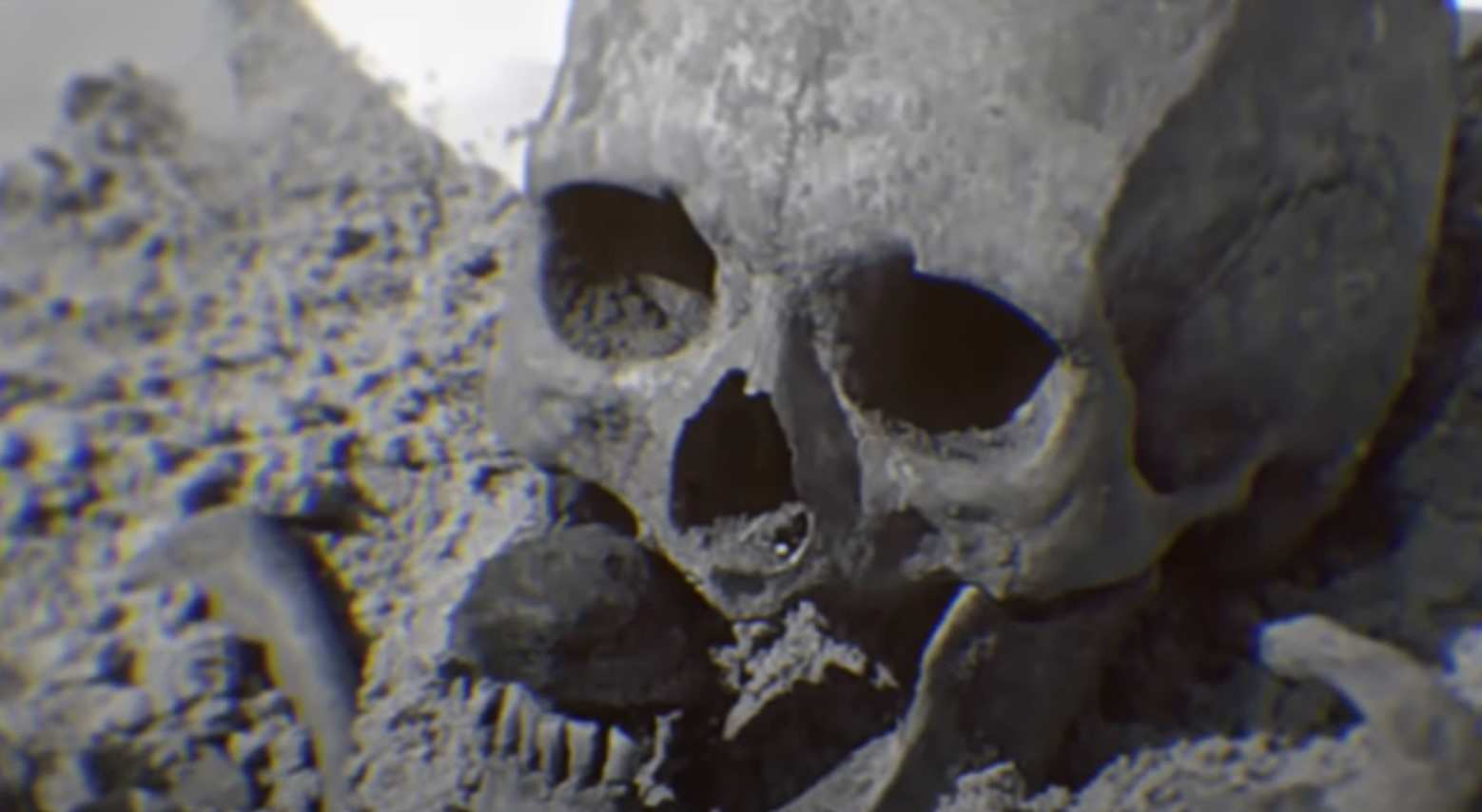
In 2006, archaeologists discovered the body of a woman from the 16th century with a brick in her mouth.
The brick was supposedly placed in the mouth of a suspected vampire, and experts have been able to recreate this in a 3D image.
Vampire Myths Have Existed for Thousands of Years
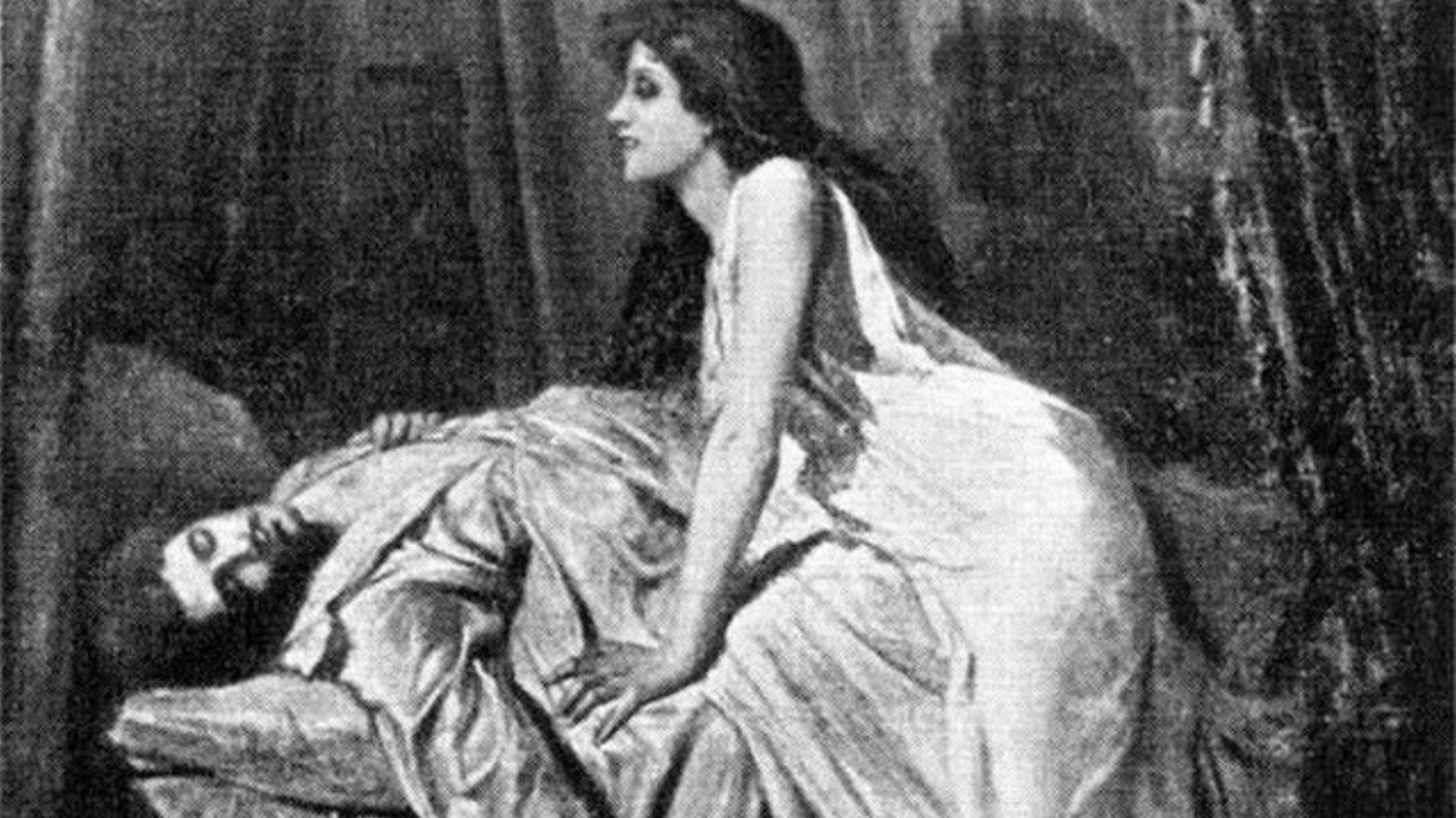
Vampires may seem like a somewhat recent phenomenon, with “Dracula” becoming a popular book in the 19th century.
However, vampires reportedly came into existence over 4,000 years ago in Ancient Greece according to KQED, with there being many stories throughout history about vampires.
A 'Vampire' Was Unearthed by Archaeologists
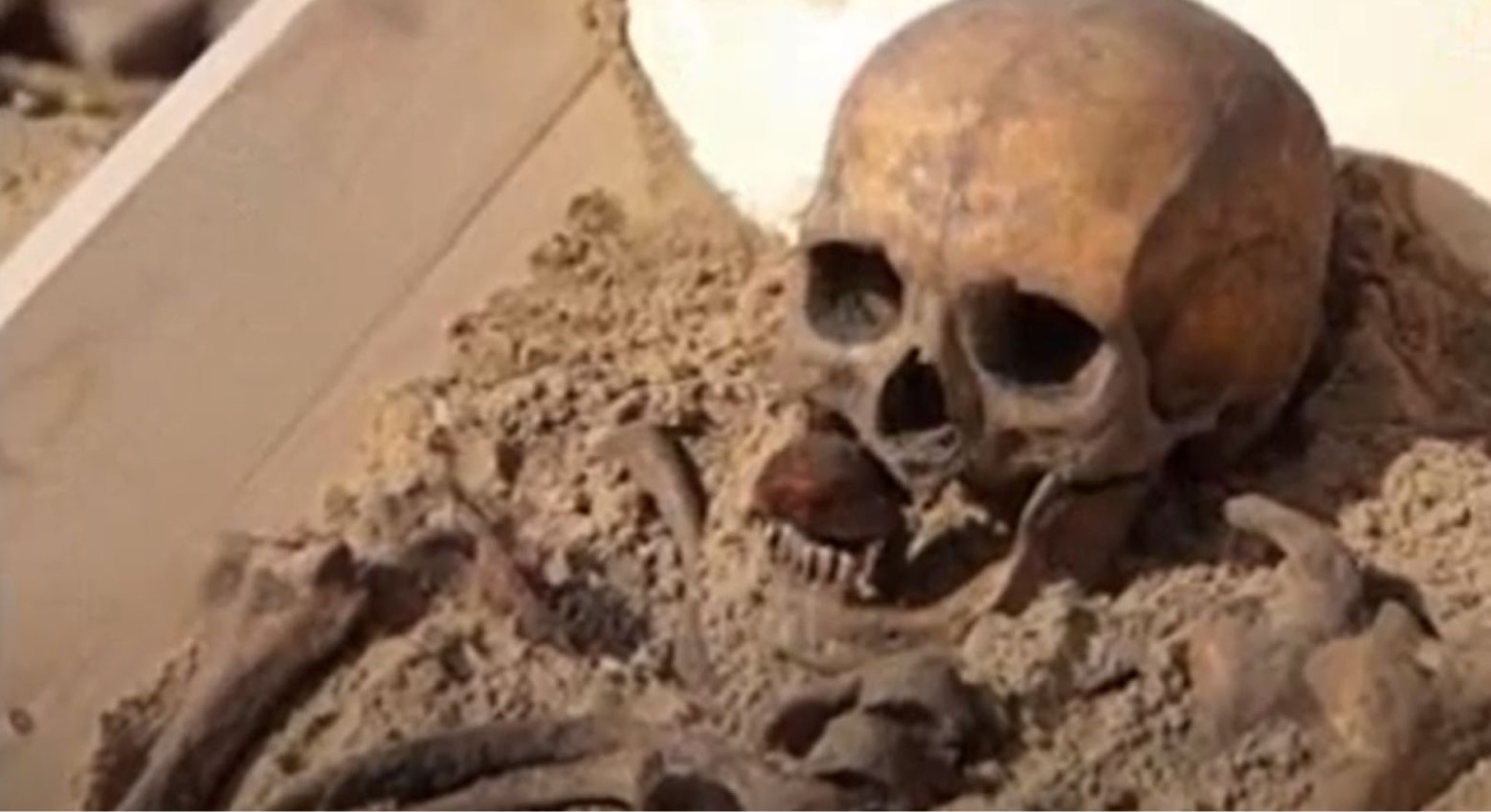
During an excavation in 2006, archaeologists unearthed several medieval plague victims, one of which was believed to be a vampire.
National Geographic reported that archaeologist Matteo Borrini made the discovery, and it is the first time a supposed vampire has been discovered in history.
Suspected Vampires Had a Brick in Their Mouth
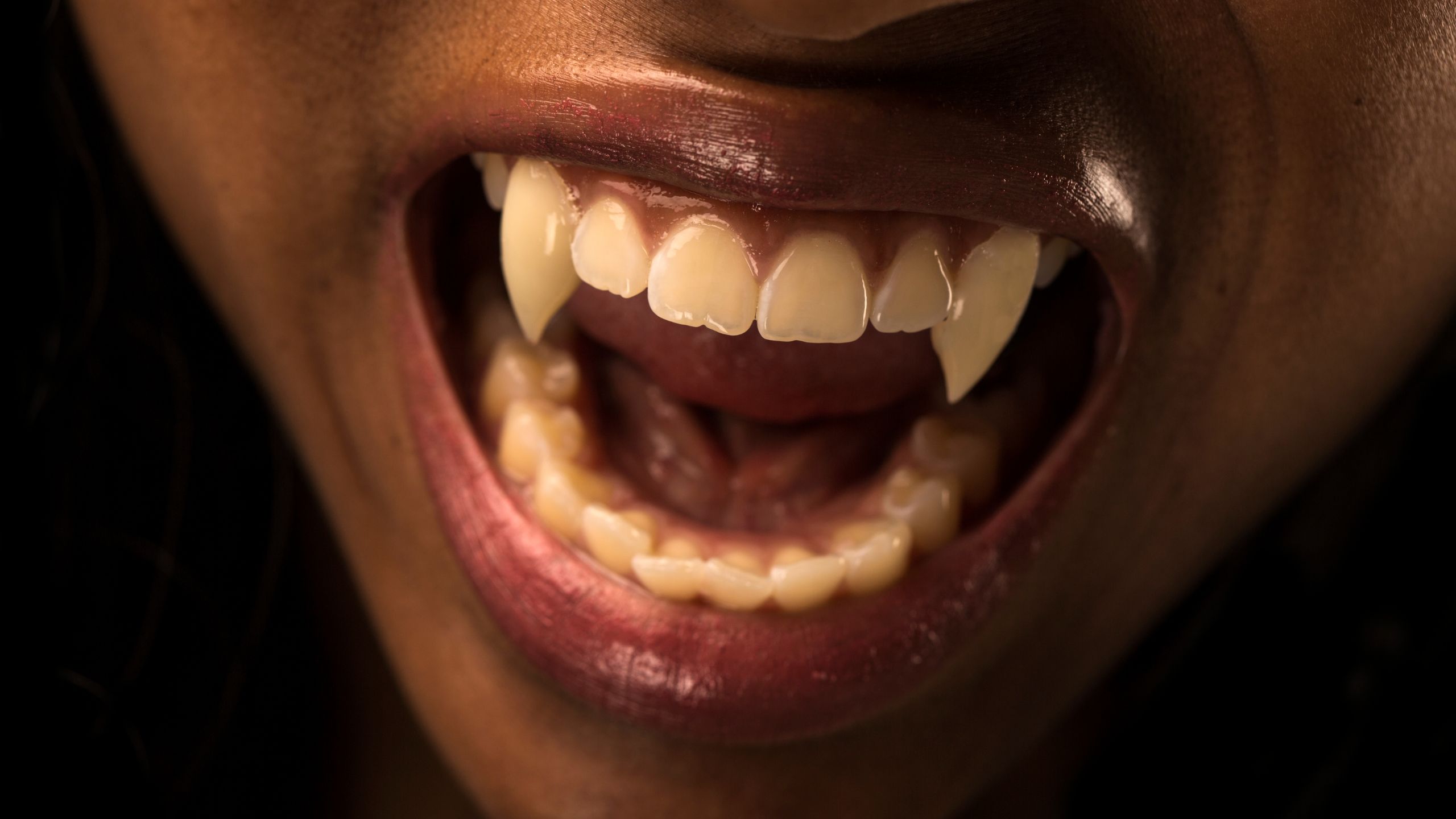
Archaeologists were able to distinguish that this was a vampire as they had a brick in their mouth.
Back when it was believed that vampires were real, upon the death of a suspected vampire, a brick would be put in their mouth so that they wouldn’t feed on others who were dead, according to The Daily Mail.
Vampires Were Blamed for the Plague
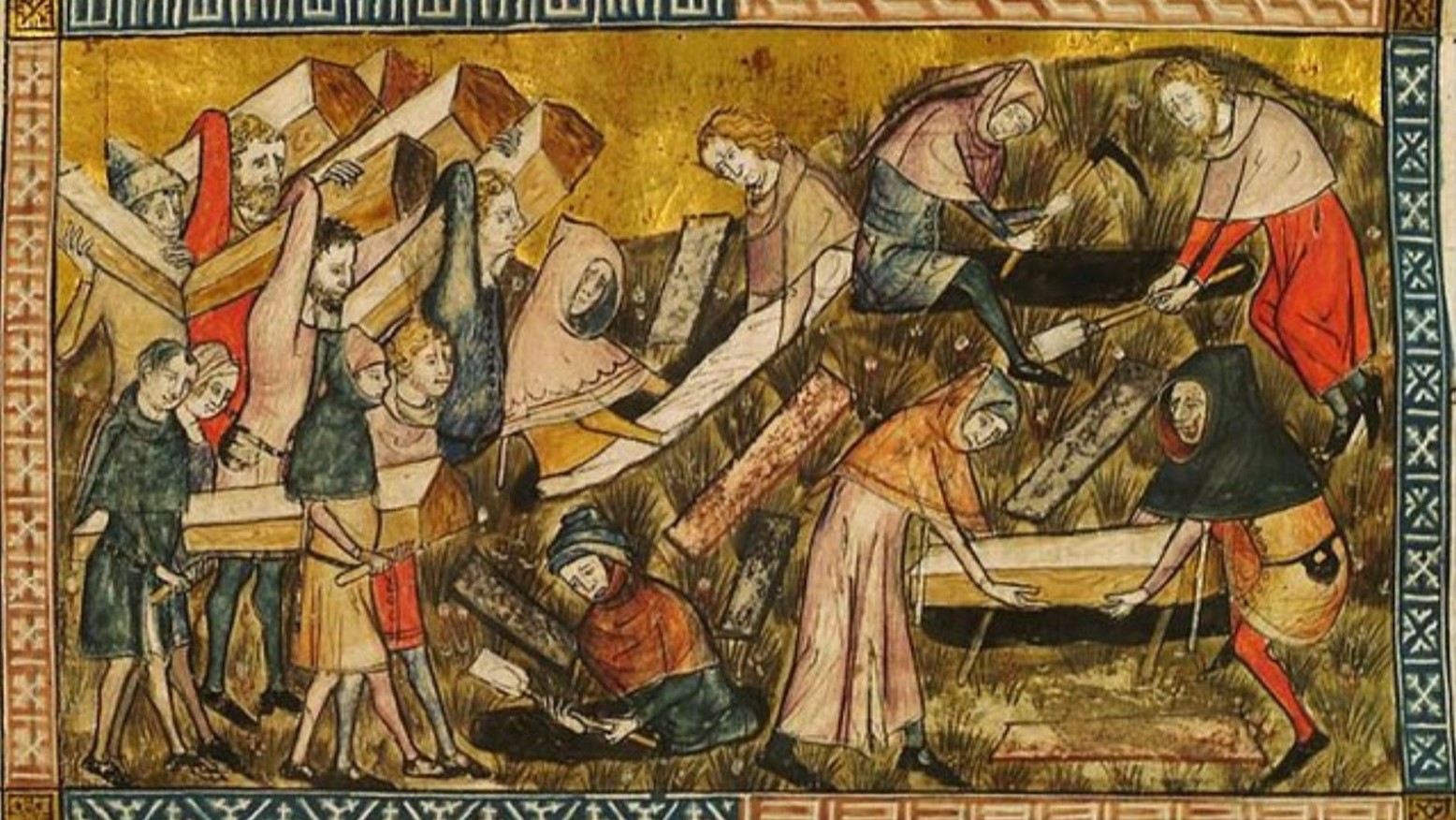
Back when the plague was swiftly moving through Europe and caused 50 million deaths, according to the World Health Organization, vampires were believed to have been one cause.
As the vampire was found with the brick in her mouth, this gives further proof to people of that time believing that vampires were the cause of the plague.
There Were Suspicions About Dead Bodies Due to the Plague
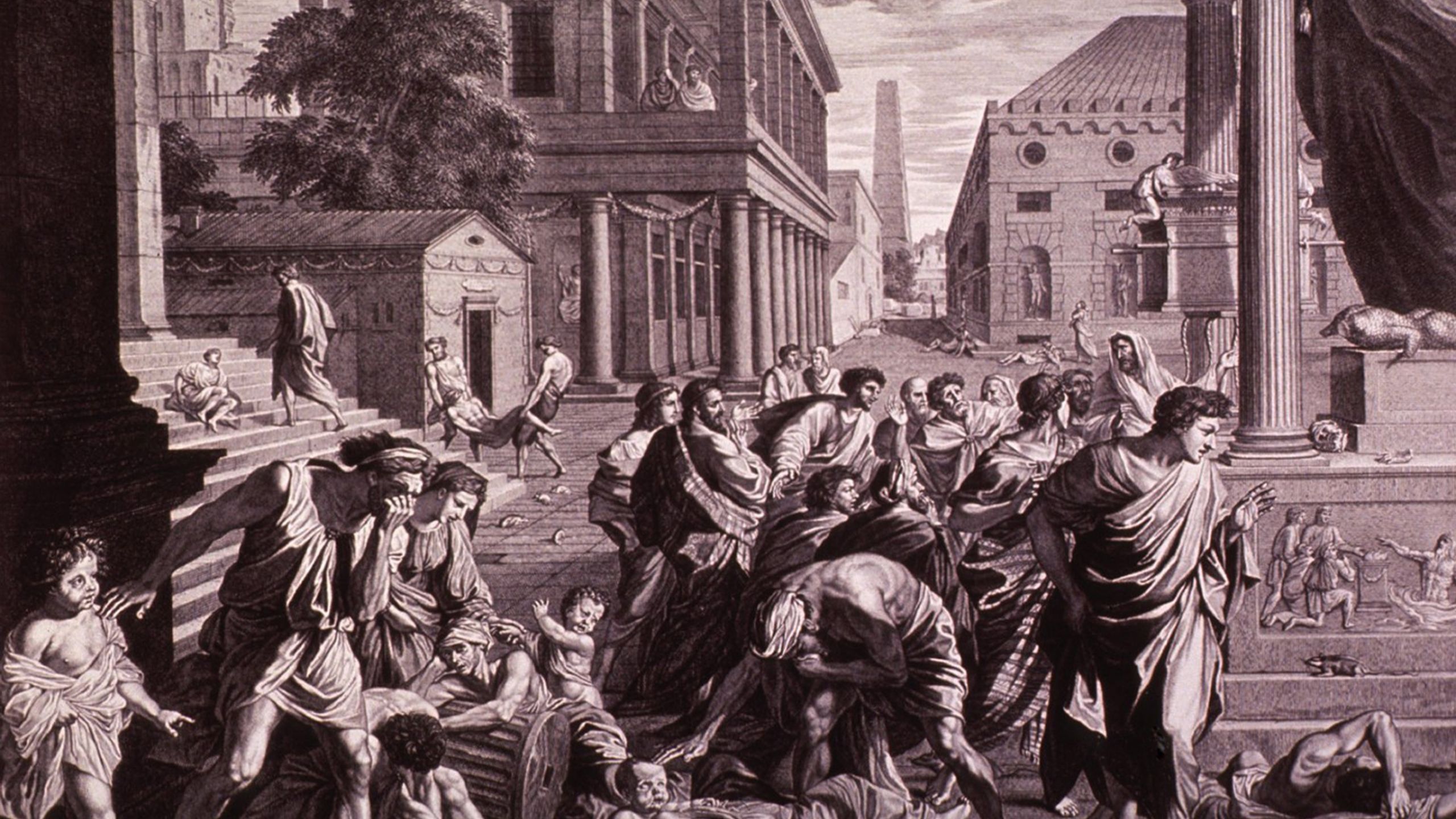
Whenever a grave was opened during the Middle Ages, gravediggers were shocked at what they found.
Reuters reported that they discovered the body was bloated with hair growing and blood seeping out of their mouths, which led them to believe that the body was still alive.
The Decomposition Process Was Misunderstood
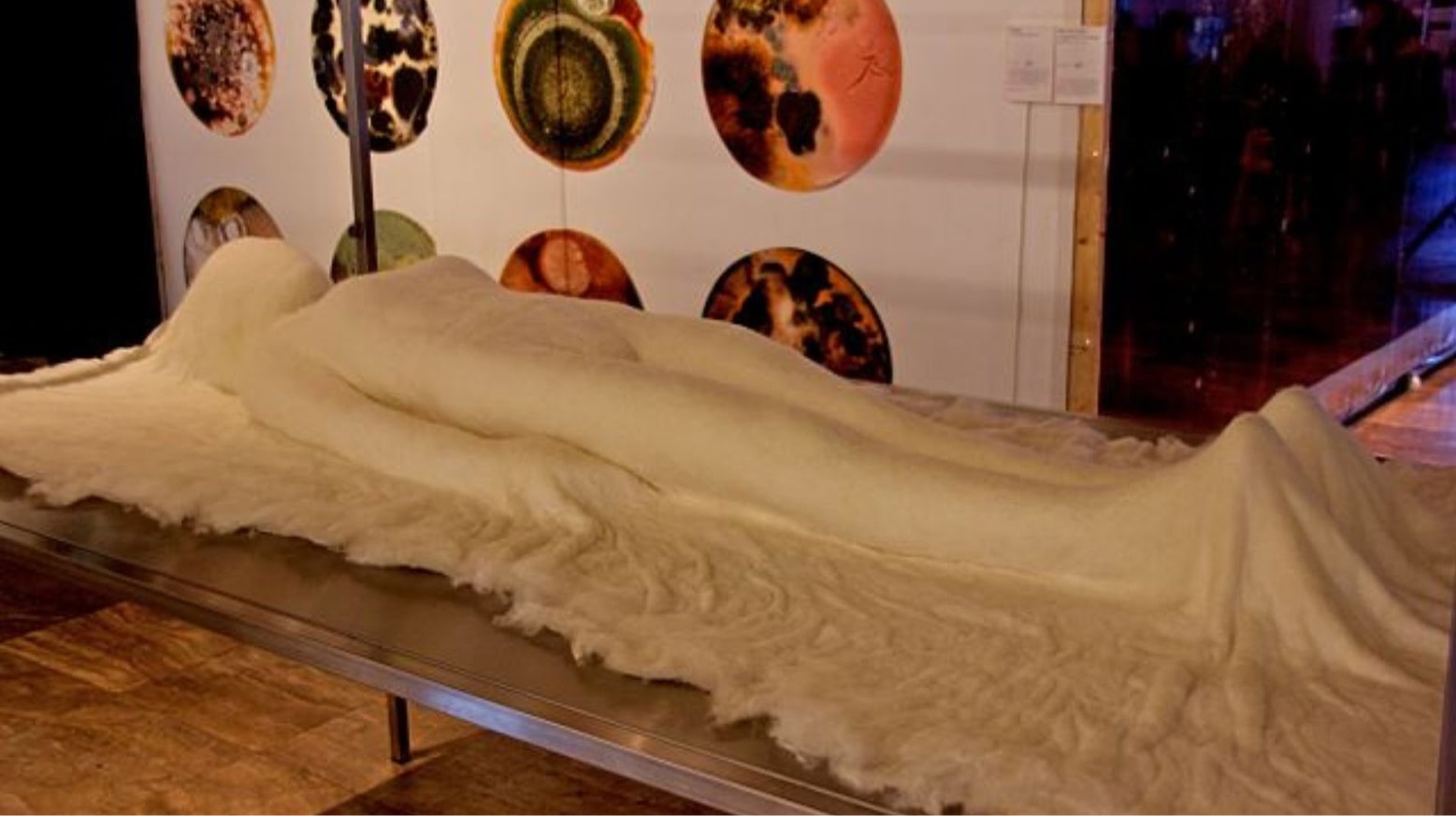
Part of the reason people in the Middle Ages had such a strong belief in the existence of vampires was their lack of understanding of the decomposition process.
Science wasn’t available to them at the time to help them understand decomposition, which is why they believed in vampires.
The Age of the Body Astounded Scientists
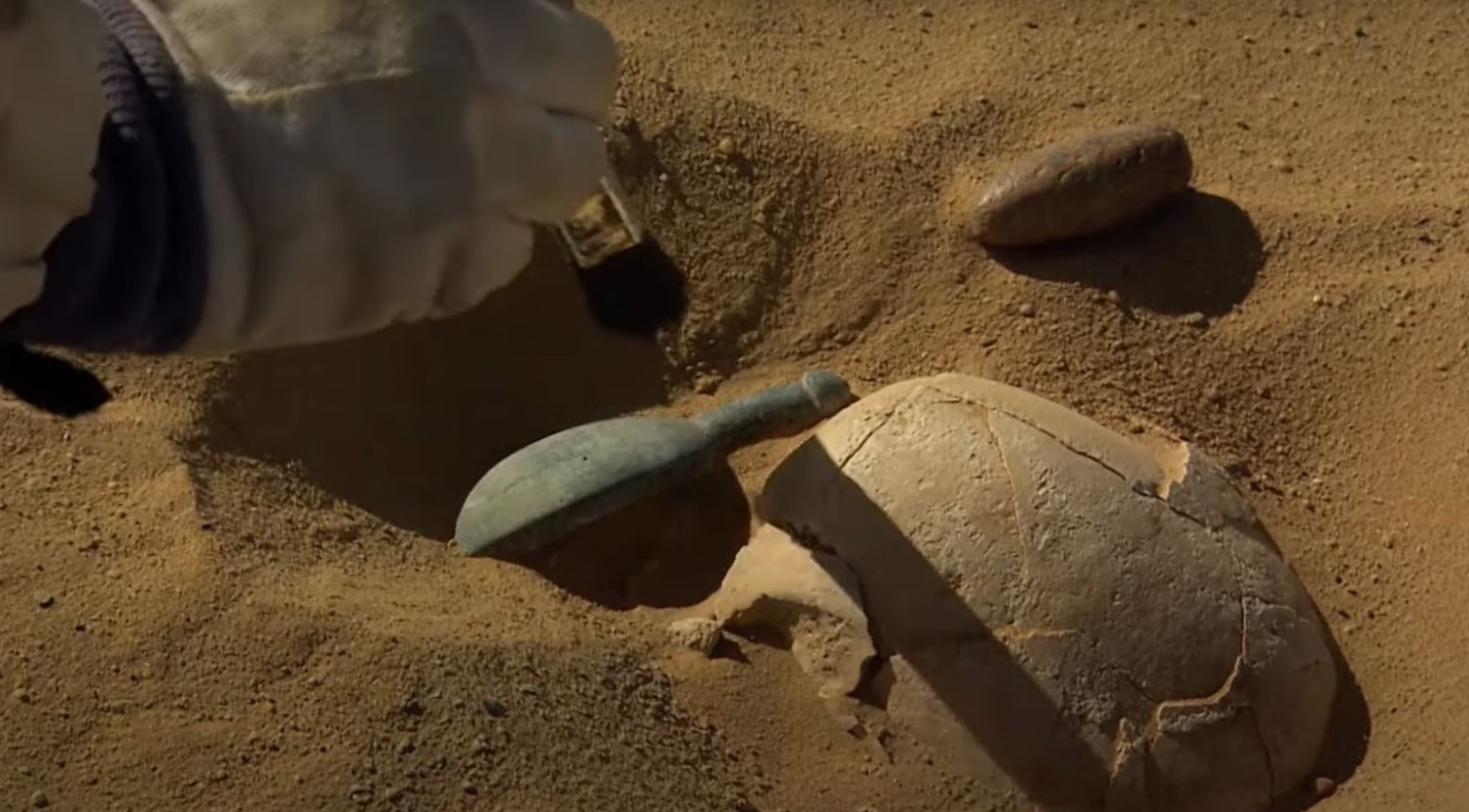
One of the more shocking things about this discovery was the age of the unearthed body, with the woman believed to have died when she was about 61 years old.
History Extra says that people tended to live for 30 to 40 years in the Middle Ages, so they found it astonishing that this woman could have lived for so long.
The Woman Was of Lower Class, European Ancestry
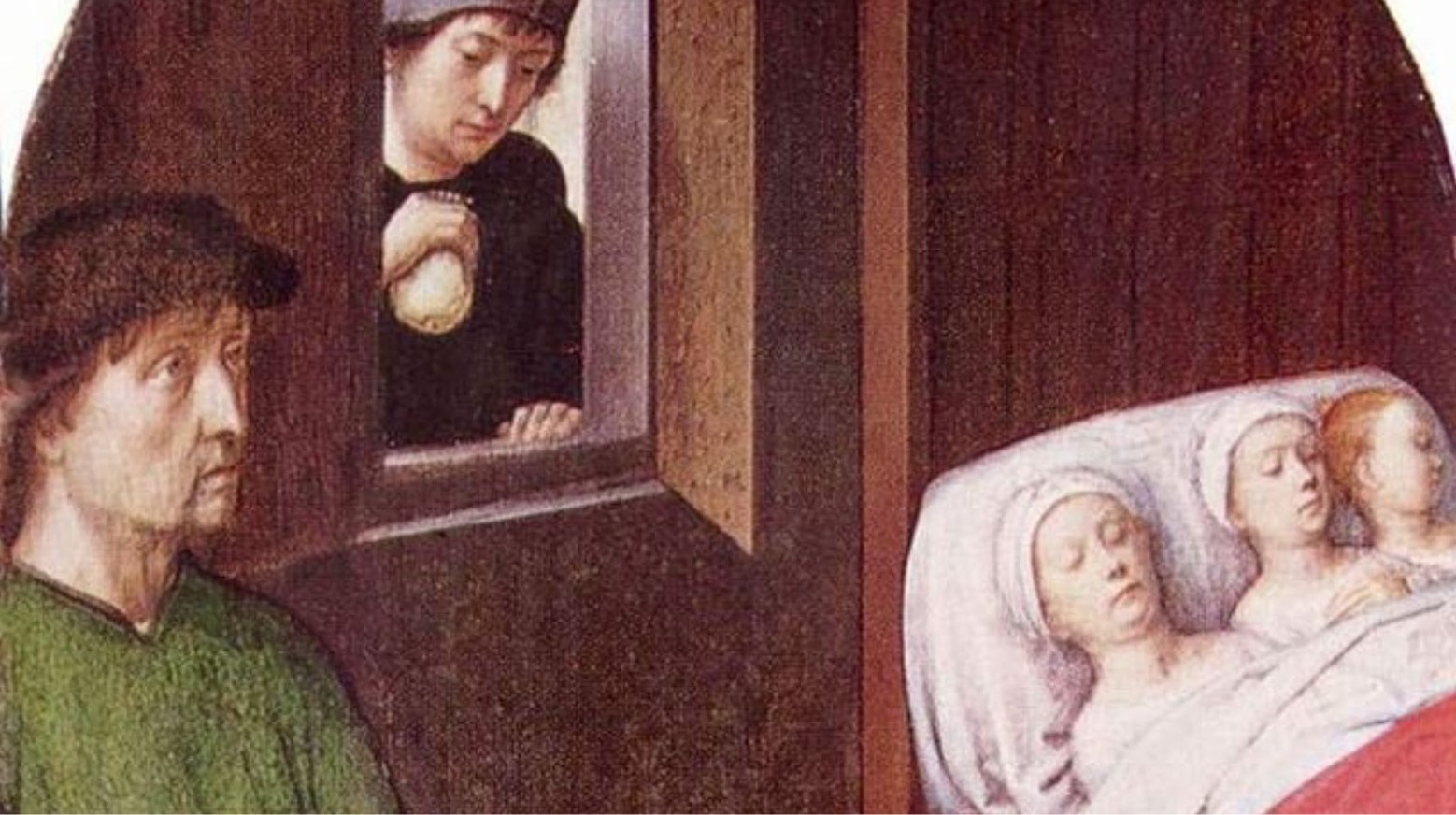
What may have been more shocking to the archaeologists was that she was a lower-class citizen, which makes the age she lived to even more shocking.
They were able to tell this because her diet was analyzed, which showed it mainly consisted of grains and vegetables. This was mostly what lower-class Europeans would eat.
A Forensic Expert Recreated the Woman’s Features
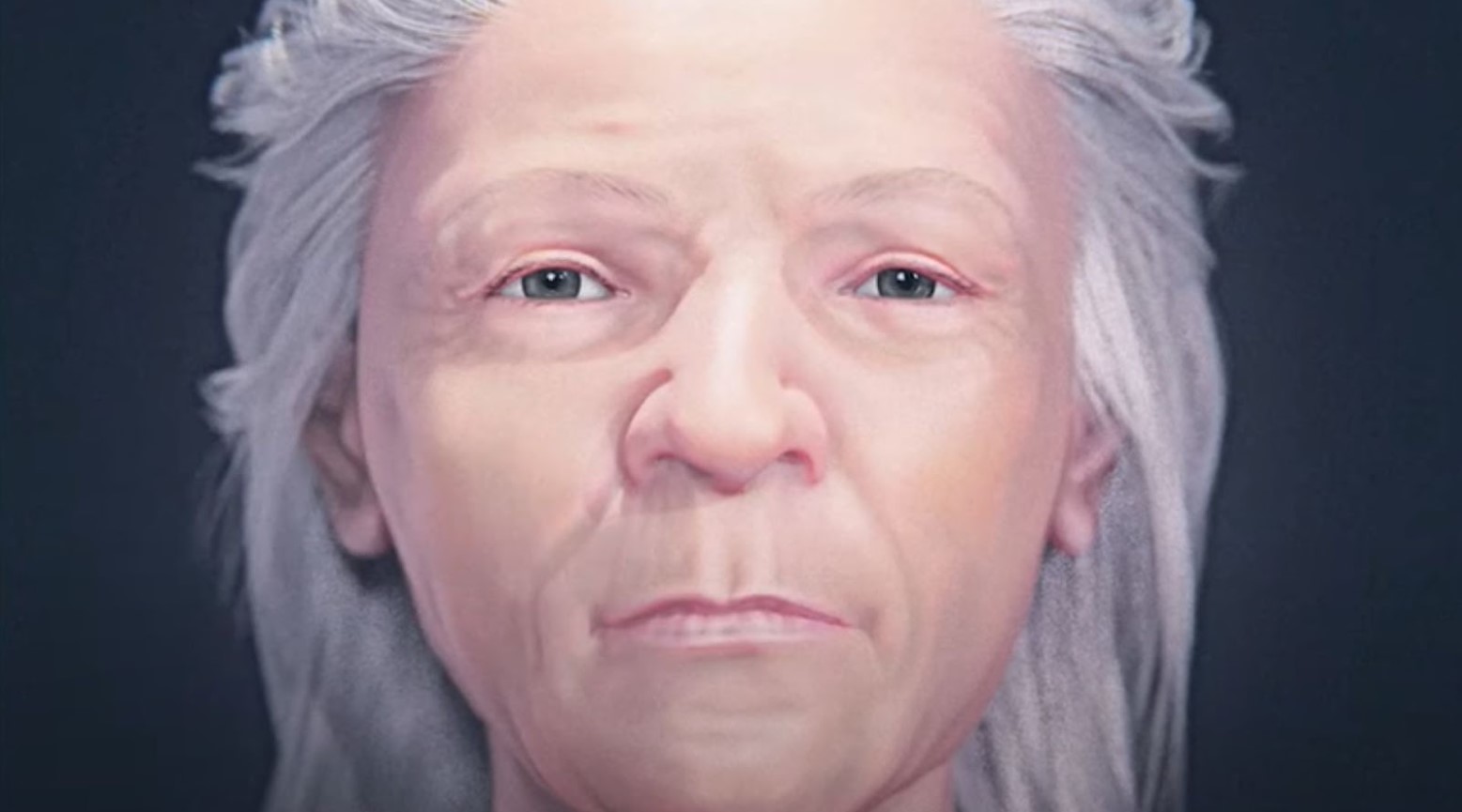
To see what the woman would have looked like, forensic expert and 3D illustrator Cícero Moraes was able to recreate the woman using 3D imaging.
This was done by using 3D scans of the skull. Arkeonews reported that they found the woman had a pointed chin, silver hair, wrinkly skin, and a crooked nose.
Tests Were Done to Dee If a Brick Could Be Put in the Mouth
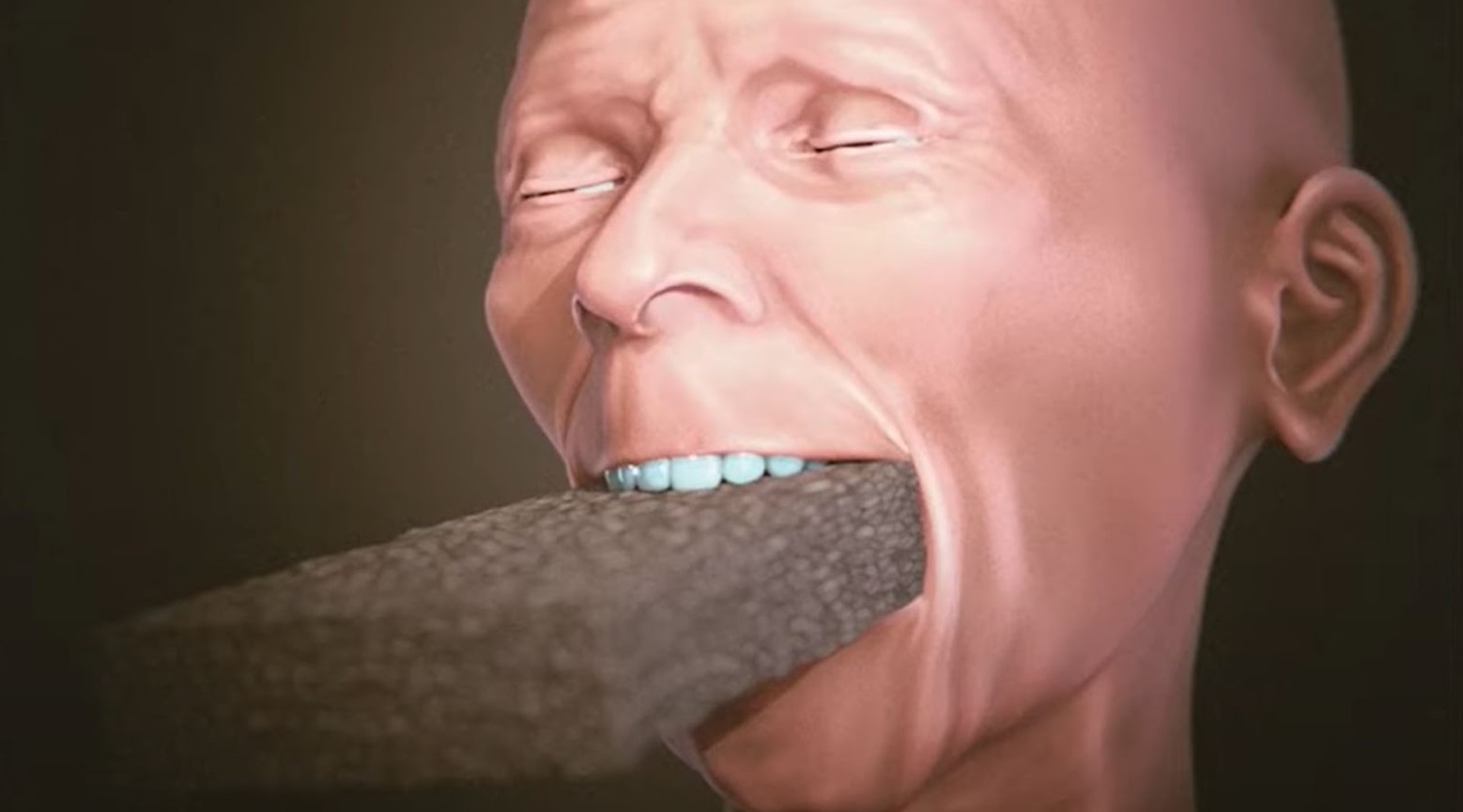
As a brick is a rather large object, Moraes carried out a test by creating a brick out of Styrofoam to see if it was possible to put it in the mouth.
The test proved to be effective, as Metro reported that the Styrofoam brick was able to fit in the mouth and didn’t damage the teeth or soft tissue.
The Brick Placement Was Deliberate
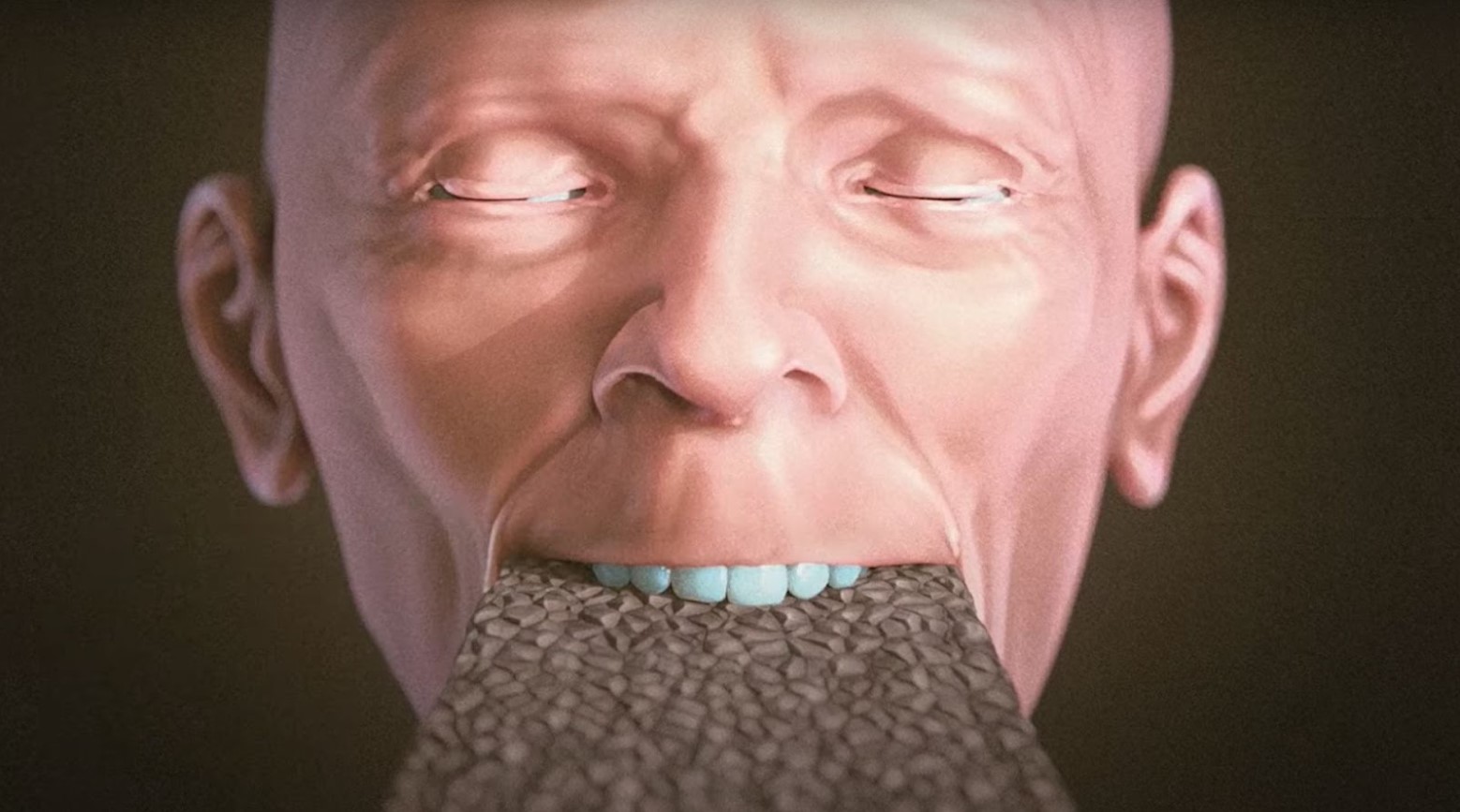
These tests with the brick were done to see whether they had accidentally or deliberately put the brick in her mouth, according to The Daily Mail.
As the tests found it was done deliberately, it shows that a brick in the mouth was part of a burial ritual, to prevent vampires from feasting on the dead.